.avif)
.png)
.avif)


Content
Top 12 Ways to Spend Bitcoin (BTC) and USDT in Argentina

Stablecoins account for 61.8% of all crypto transaction volume in Argentina, well above the global average, and more than 10 million Argentines hold crypto accounts, representing roughly 22% of all crypto accounts in Latin America.
Lemon and Binance together command the majority of active sessions in the country. Landlords quote rent in dollars, freelancers get paid in USDT, and grocery stores in Buenos Aires accept Binance Pay via QR code. Under Milei, the government lifted most currency controls in 2025, legalised contracts in Bitcoin, and Buenos Aires became the first city in Argentina to accept crypto for tax payments in August 2025.

The question for USDT and BTC holders in Argentina is not whether crypto works in daily life. It is which routes are most practical right now and how to get the best rate when converting to pesos. This guide covers both.
Holding crypto outside Argentina? Browse how to spend it in other countries worldwide.
Can You Spend Bitcoin and USDT Directly in Argentina?
Direct USDT acceptance in Buenos Aires is meaningfully higher than in almost any other market. Grocery stores in Villa Crespo, cafés in Palermo, co-working spaces, and professional services providers accept USDT via Binance Pay QR code or direct wallet transfer. Some merchants list prices in USD on their menus and settle in USDT without converting. Outside Buenos Aires, acceptance is patchier. The porteño economy is the most crypto-native, and you should set lower expectations in other provinces.
Bitcoin direct acceptance is rarer and mostly limited to specific crypto-friendly businesses. The BTC spending story in Argentina runs primarily through debit cards and gift cards, not merchant QR codes.
For everyday spending, the Lemon Cash Visa debit card is the most frictionless route in the market. It converts BTC or USDT at point of sale and works at any Argentine Visa terminal. The Belo card works similarly. Both are Argentine-built products with strong local credibility and cashback in Bitcoin on every purchase.
For converting to pesos, Lemon Cash, Buenbit, Ripio, and Binance P2P all allow USDT-to-ARS conversion at rates that reflect the parallel market. Under Milei, the gap between the official and parallel rates has narrowed significantly from its historic highs, but the parallel market rate through P2P platforms still yields more pesos per USDT than the official banking channel. Verify current rates before converting.
Is It Legal to Use Bitcoin and USDT in Argentina? What Milei's Crypto Policies Mean for You
Holding, trading, and spending BTC and USDT in Argentina is fully legal. The Comisión Nacional de Valores regulates crypto exchanges under Law 27,739, passed in March 2024, which established the VASP framework requiring all crypto service providers to register. The Banco Central de la República Argentina overseas exchange operations.
Milei's government has been the most crypto-friendly in Argentine history. Since taking office in December 2023, he has publicly described Bitcoin as a return of money to its original creator, the private sector, lifted most currency controls that previously restricted dollar access, and legalised contracts denominated in Bitcoin. In August 2025, Buenos Aires launched BA Cripto, allowing residents and businesses to pay municipal taxes, property tax, vehicle tax, and administrative fees directly in crypto via QR code.

Tax treatment: ARCA classifies crypto as a financial asset. Holding crypto is not taxed, but capital gains from disposals are taxable. The tax year runs January 1 to December 31, with returns due by June 30 of the following year. Rules have changed significantly under the Milei administration and continue to evolve. Consult a local contador before making significant crypto transactions.
in Argentina
12 Ways to Spend Bitcoin (BTC) and USDT in Argentina
1. Book Hotels and Flights with Bitcoin or USDT
Argentina is a major travel market with over 18 million Argentines travelling internationally and over 8 million visitors arriving in 2025. Buenos Aires, Mendoza, Bariloche, and Patagonia attract most of the inbound visitors, and Argentines are constantly heading out to Brazil, Chile, and beyond.


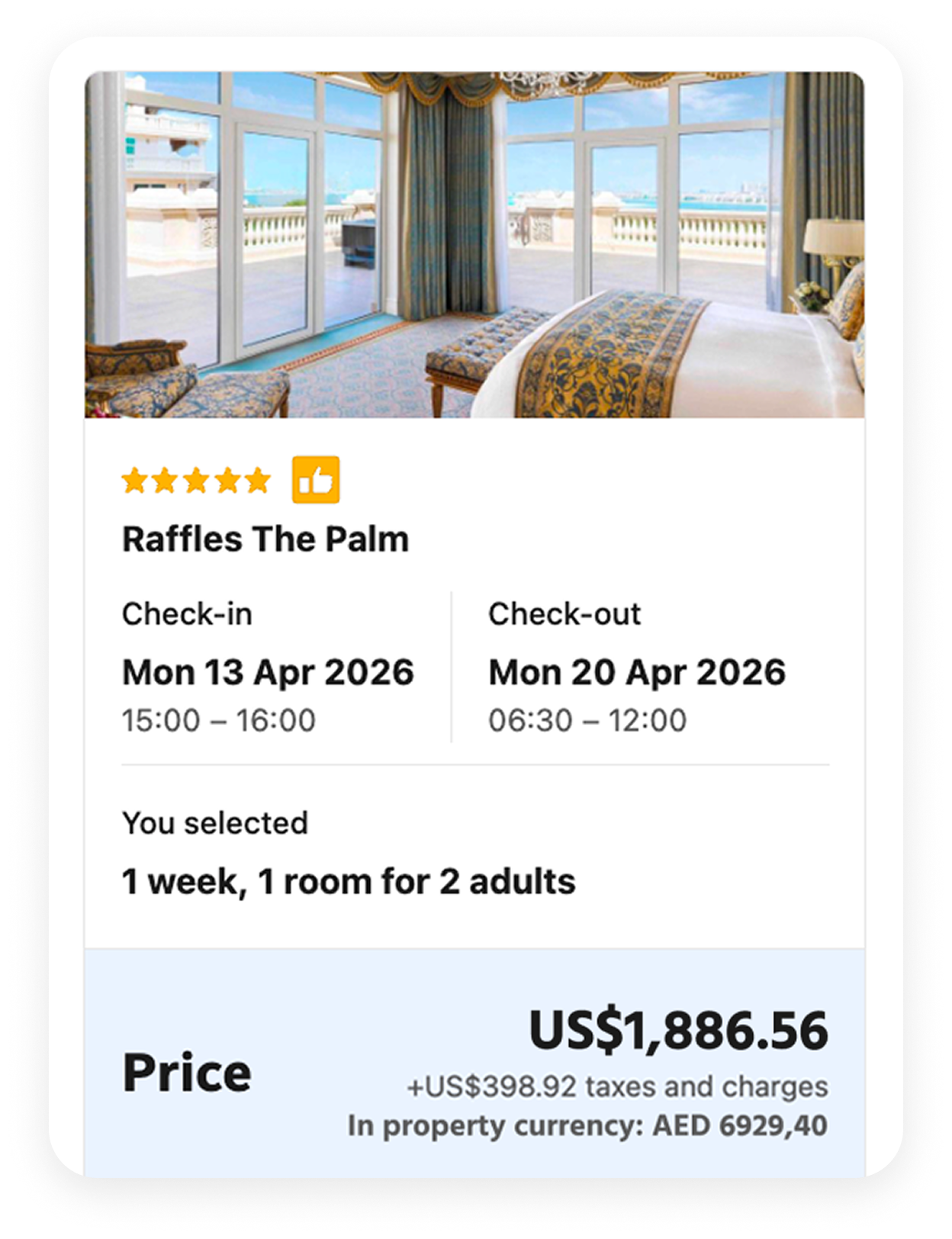
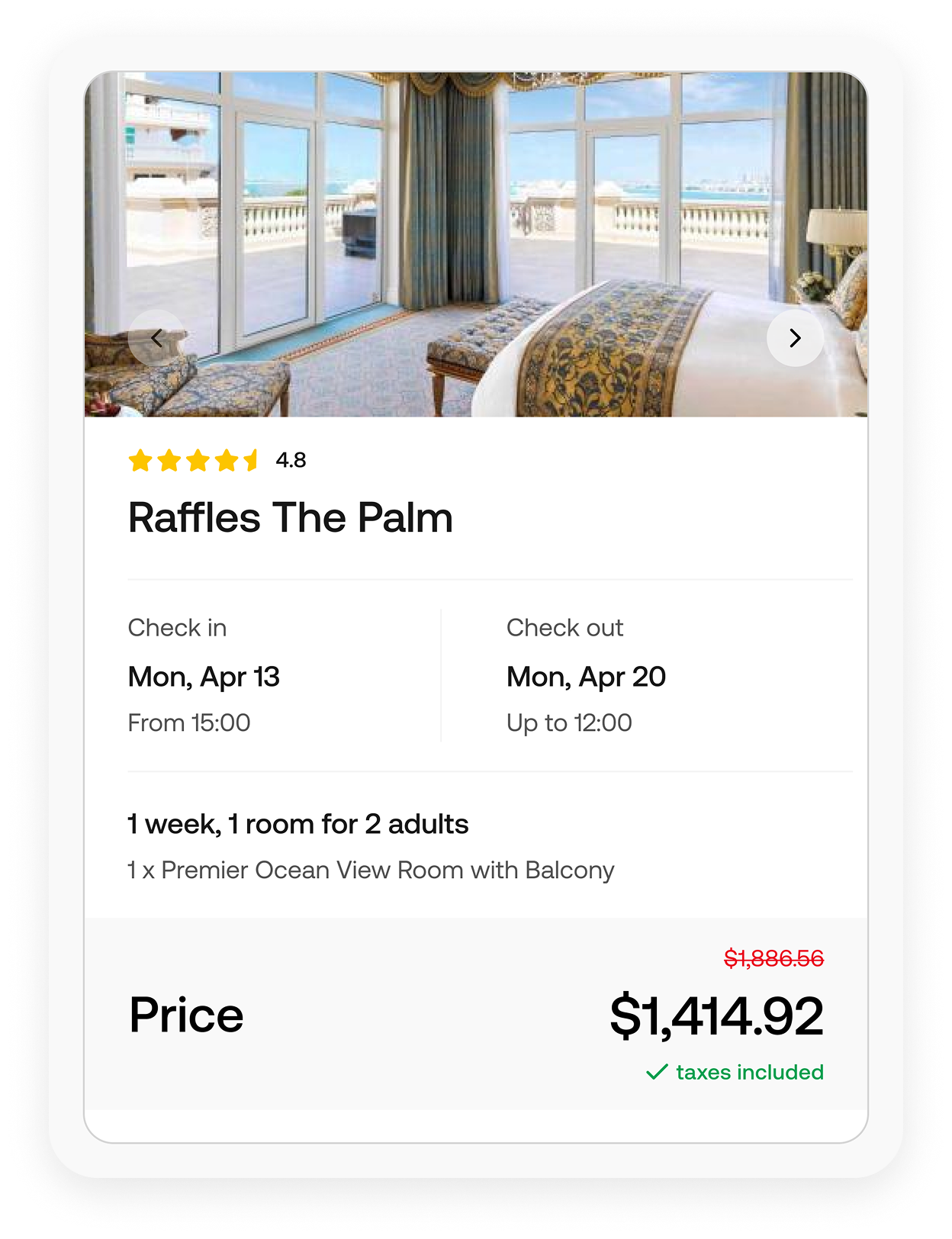
CoinBooking can make those trips cheaper. It's a Dubai-licensed travel platform with rates up to 30% below Booking.com and Expedia for the same properties, and it accepts Bitcoin, USDT, and 100+ other cryptocurrencies directly at checkout. The same crypto balance you already use to protect your savings now can book your next trip to Madrid, Miami, or Rio.
Just $870 Cheaper.

%201.png)
your first booking.
Coverage spans over a million properties across 190+ countries. First-time users get $25 off.
Heading to the US next? See how to spend Bitcoin and USDT there.
2. Use a Crypto Debit Card for Everyday Spending
Lemon Cash is the leading Argentine crypto app and the most recognised crypto brand in the country. Its Visa prepaid card converts BTC or USDT to pesos at point of sale and is accepted at any Argentine Visa terminal. Every purchase earns cashback in Bitcoin. The card also works internationally. Belo offers a similar product with zero-fee conversions between crypto and pesos, making it competitive for high-frequency users.
Both cards give you the full Argentine consumer economy from a BTC or USDT balance without any manual conversion step. Each card payment is a crypto disposal and may trigger a taxable event under ARCA rules.
3. Buy Gift Cards and Mobile Top-ups via Bitrefill
Bitrefill covers Argentine consumer spending in BTC or USDT. MercadoLibre, Rappi, Garbarino, Fravega, and major streaming platforms are available as gift cards with instant delivery. For any platform that does not accept crypto directly, Bitrefill bridges the gap without requiring ARS conversion.
Argentina's three major mobile carriers, Claro, Personal, and Movistar, are available for prepaid top-up via Bitrefill in BTC or USDT. Bitrefill also accepts Lightning Network payments.
4. Pay in USDT Directly at Crypto-Accepting Merchants
Direct USDT acceptance in Buenos Aires is a real, growing, and practical option. Grocery stores in Villa Crespo and cafés in Palermo have integrated Binance Pay to accept USDT via QR code. Some merchants list prices in USD on their menus and settle in USDT directly via wallet transfer.
To confirm whether a merchant accepts USDT: look for Binance Pay logos at the register, check their social media profiles for crypto payment announcements, or ask directly. Acceptance is concentrated in Buenos Aires, particularly Palermo, Villa Crespo, San Telmo, and the tech and creative districts. Outside the capital, direct acceptance becomes patchier.
For merchants that accept USDT via Binance Pay: open Binance, tap Pay, scan the merchant's QR code, confirm the amount in USDT, and the transaction settles in seconds.
5. Shop on MercadoLibre or Pay via MercadoPago
MercadoLibre is Latin America's largest e-commerce platform and the dominant marketplace for Argentine consumers. MercadoPago is its integrated payment system, accepted by hundreds of thousands of Argentine merchants online and in person. Neither accepts crypto directly at checkout.
The conversion route is fast. Sell USDT on Lemon Cash or Buenbit, receive ARS to a CBU or CVU account, and pay via MercadoPago at checkout or fund a MercadoPago wallet for everyday spending. The full chain from USDT to MercadoPago balance takes under five minutes in normal conditions.
6. Pay Rent or Buy Property in USDT
Argentine property has been priced in USD for decades. This is a structural feature of the market, not a crypto novelty. USDT is now accepted for rental deposits, monthly rent, and in some cases for property purchases by landlords and agencies that previously required physical USD cash or formal bank transfers. Milei's December 2023 megadecree amended the Civil Code to allow contracts to be denominated in any currency including Bitcoin and USDT. Foreign Minister Diana Mondino confirmed that rental agreements are explicitly covered.
For tenants: raise USDT payment directly with the landlord or agency. Younger property developers and tech-oriented real estate agencies in Buenos Aires are the most receptive. Platforms like Fiwind can facilitate the conversion if the landlord prefers to receive Bitcoin while you pay in USDT.
For buyers: crypto property transactions in Buenos Aires remain a small fraction of total sales, but they are legal and growing. The official property registration system still requires denomination in USD or ARS at closing, but the payment leg can be settled in USDT. Work with a trusted escribano and confirm the approach before committing.
7. Top Up Mobile Credit (Claro, Personal, Movistar)
All three major Argentine carriers support prepaid top-up via Bitrefill in BTC or USDT with instant code delivery. For postpaid accounts, the Lemon Cash or Belo card handles monthly bills at point of sale. The Bitrefill route is most practical for prepaid users and anyone who prefers to convert only at the point of use rather than maintaining an ARS balance.
8. Order Food via Rappi or PedidosYa
Rappi and PedidosYa are Argentina's dominant food delivery platforms. Neither accepts crypto directly. Both accept card and MercadoPago at checkout.
Rappi accepts MercadoPago at checkout. The fastest crypto path: sell USDT on Lemon Cash, load a MercadoPago wallet, and pay via MercadoPago in the Rappi app. PedidosYa accepts card, which the Lemon Cash or Belo Visa handles directly from a BTC or USDT balance without any conversion step.
9. Convert USDT to Pesos at the Parallel Rate for Local Spending
Converting USDT to ARS via P2P platforms, Binance P2P, Lemon Cash, Buenbit, and Ripio, typically yields a better rate than converting through official banking channels. Under Milei, the gap has narrowed significantly from its historic highs, but the P2P rate still yields more pesos per USDT than a bank transfer.
The flow: list USDT for sale on Binance P2P or Lemon Cash's Agora P2P market, select a buyer, complete the transfer, and receive ARS via bank transfer to your CBU or CVU. The transaction settles in minutes once the buyer confirms receipt.
Stablecoins account for 61.8% of all Argentine crypto transaction volume. Most of that activity runs through exactly this route.
10. Get Paid and Spend as a Freelancer or Remote Worker
Argentina has one of the highest concentrations of crypto-paid freelancers in Latin America. Developers, designers, copywriters, and consultants working for foreign clients receive USDT to avoid peso conversion losses. According to Bitwage, 75% of crypto-paid Argentine workers prefer to receive income in stablecoins. Platforms used to receive USDT from abroad include direct wallet transfer, Binance Pay, Bitwage, Deel, and Remote.
For Argentine freelancers, the most practical daily setup is to receive in USDT, hold in a Lemon Cash or Buenbit wallet, convert to pesos as needed via P2P, and spend the remainder through a crypto debit card.
11. Send Remittances Home from the Argentine Diaspora
Argentina has a large diaspora in Spain, Italy, the United States, and Mexico. Sending USDT back to Argentina is faster and cheaper than bank wire or traditional remittance operators, and the recipient benefits from receiving digital dollars rather than pesos. The recipient can hold USDT in Lemon Cash or Buenbit as a dollar hedge, convert to ARS at the parallel rate when needed, or spend directly via the Lemon Visa card.
The flow from abroad: buy USDT on any major exchange, send to the recipient's Lemon Cash or Buenbit wallet address, and the transfer settles in minutes on the Tron or BNB network at a fraction of a cent in fees. Compared to Western Union or a SWIFT wire, the speed, cost, and final ARS value are all materially better.
Sending money to family in Mexico? See our guide to spending USDT and Bitcoin there.
12. Gaming, Streaming and Digital Subscriptions
Argentina is one of Latin America's largest gaming markets. International card payments for foreign subscriptions have historically been complicated by currency restrictions and bank blocks on dollar charges. Under Milei, many of these restrictions have eased, but using crypto remains a cleaner and more reliable route for foreign-currency digital spending.
Bitrefill covers Steam, PlayStation Store, Xbox Game Pass, Spotify, and Netflix in BTC or USDT with instant delivery. For recurring subscriptions, the Lemon Cash or Belo Visa card handles automatic renewals from a crypto balance without manual conversion between billing cycles.
Frequently Asked Questions
1. Is it legal to use USDT in Argentina?
Yes, fully. Holding, trading, and spending USDT is legal in Argentina. The CNV regulates crypto exchanges under Law 27,739, and all major platforms including Lemon Cash, Buenbit, and Ripio are registered. Contracts denominated in USDT or Bitcoin are legally valid under Argentine law. Crypto is classified as a financial asset by ARCA. Holding crypto is not taxed, but capital gains from disposals are taxable. The Milei government lifted most currency controls in 2025, making crypto transactions significantly easier than under previous administrations.
2. How do I convert USDT to pesos at the best rate in Argentina?
Use a P2P platform. Binance P2P, Lemon Cash's Agora market, Buenbit, and Ripio all allow USDT-to-ARS conversion at rates that reflect the parallel market, which has historically exceeded the official bank rate. Under Milei, the gap has narrowed, but the P2P rate still yields more pesos than converting through official banking channels. The process: list USDT for sale, select a buyer, confirm the amount, and receive ARS via bank transfer to your CBU or CVU. Most transactions settle in minutes. Always verify current rates across platforms before converting.
3. Can I pay rent in USDT in Argentina?
Yes, and it is more common than in most other markets in this series. Argentine property has been priced in USD for decades, and USDT is now accepted for rental deposits and monthly rent by a growing number of Buenos Aires landlords and agencies. Law 27,551 permits rental contracts in any currency including digital assets. Younger landlords and tech-oriented agencies are the most receptive. Raise the question directly with the landlord or through a platform like Fiwind. Outside Buenos Aires, direct acceptance is less common.
4. Can I book hotels and flights with crypto from Argentina?
Yes. CoinBooking accepts Bitcoin, USDT, and 100+ cryptocurrencies for hotel and flight bookings across 190+ countries and over one million properties. Rates run up to 30% below Booking.com and Expedia for the same properties, with flights on Aerolíneas Argentinas, LATAM, and Air Europa. First-time users receive $25 off their first booking.
5. How do Argentine freelancers get paid in crypto?
Most Argentine freelancers working with foreign clients receive USDT via direct wallet transfer, Binance Pay, Bitwage, Deel, or Remote. USDT is preferred because it holds USD value, settles in minutes, and converts to pesos at the parallel rate when local expenses require it. After receiving USDT, the typical workflow is to hold in Lemon Cash or Buenbit, convert to ARS via P2P as needed, and spend the remainder using a Lemon Cash or Belo Visa card. Bitwage reports that 75% of crypto-paid Argentine workers prefer stablecoins for exactly this reason.
6. Does Milei support Bitcoin?
Yes. Milei has publicly described Bitcoin as a return of money to its original creator, the private sector. After taking office in December 2023, his government lifted most currency controls, legalised contracts in Bitcoin, and in August 2025 launched BA Cripto, allowing Buenos Aires residents to pay municipal taxes in crypto via QR code. Milei has not made Bitcoin legal tender, but his administration has created the most crypto-friendly regulatory environment in Argentine history. Tax rules continue to evolve. Consult a local contador for current obligations.


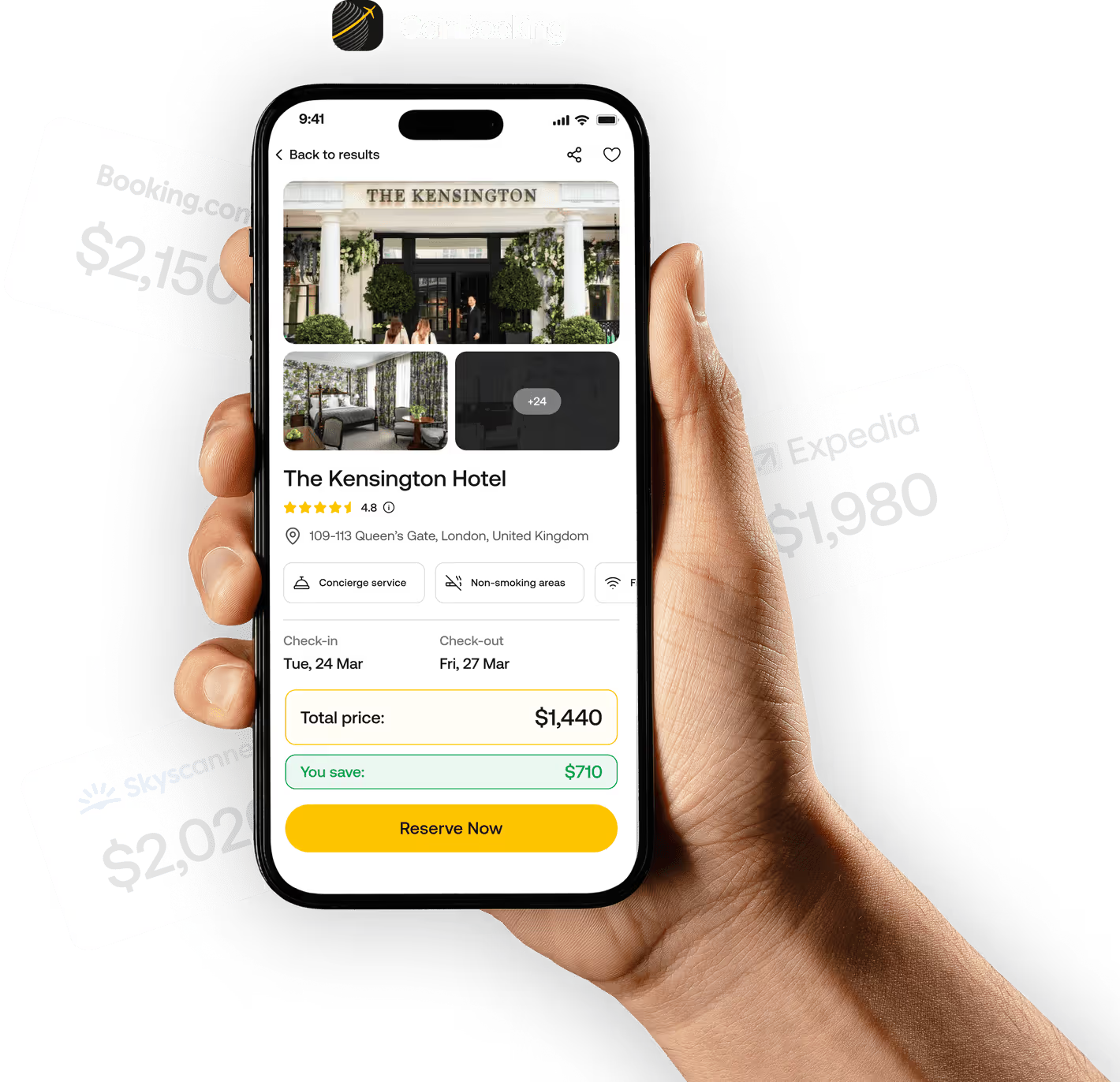
Spending crypto is the easy part. 30% off is the good part.
Get up to 30% off all future hotels and flights.

Yaryna Dobrianska is a Dubai-based business and technology writer with a background in fintech and digital services. She covers cryptocurrency adoption, cross-border payments, and the practical realities of spending digital assets across emerging markets.
Her work at Polkastarter focuses on making Web3 accessible, breaking down how crypto moves through real-world financial systems, from payments infrastructure to on-chain adoption trends.
Your $25 is waiting. So is up to 30% off every trip you'll ever take.
.avif)
Your $25 is waiting. So is up to 30% off every trip you'll ever take.