.avif)
.png)
.avif)


Content
Top 12 Ways to Spend Bitcoin (BTC) and USDT in Austria

Austria sits in an interesting spot when it comes to crypto. It is still a very cash heavy country, with cash accounting for around 62% of all point of sale transactions, but at the same time the infrastructure for converting crypto to EUR is well established and easy to use.

Platforms like Bitpanda, founded in Vienna in 2014 and now serving over 7 million users across Europe, make it simple to move between BTC, USDT, and EUR in seconds. With MiCA now applied to exchanges serving Austrian residents, the regulatory side is also becoming much clearer. That said, every crypto disposal, including spending, is taxed at a flat 27.5%, which plays a big role in how practical everyday usage really is.
Holding crypto in a different country? Browse every country in this series.
Can You Spend Bitcoin and USDT Directly in Austria?
Direct BTC or USDT acceptance at Austrian merchants is limited, as most businesses take EUR only. Crypto-friendly shops exist in Vienna's startup districts, but they are not common. Three direct routes do work: CoinBooking for travel bookings in BTC or USDT, the Bitpanda Visa card at any Austrian Visa terminal, and Bitrefill for gift cards and mobile top-ups.
For everything else, convert to EUR first. Bitpanda is the natural choice, with EUR withdrawals to Austrian bank accounts at BAWAG, Erste Bank, Raiffeisen, and N26. Coinbase, Kraken, and Bitstamp are all MiCA-compliant alternatives.
Austria taxes crypto gains at a flat 27.5% on assets acquired after 28 February 2021, and every disposal counts, including spending, while crypto to crypto swaps remain tax free. Losses can offset other capital gains within the same year, but for larger amounts it is worth consulting a Steuerberater.
Is It Legal to Use Bitcoin and USDT in Austria? What MiCA and Austrian Tax Law Mean for You
Holding, trading, and spending BTC and USDT is fully legal in Austria. MiCA came into full effect on December 30, 2024. Every crypto service provider in Austria must hold a license from the FMA. Only use FMA-registered or MiCA-licensed platforms and check current status at fma.gv.at before depositing funds.

The 2022 Oekosozialer Steuerreform introduced a 27.5% flat capital gains tax on crypto acquired after 28 February 2021, while assets bought earlier become tax free after a one year holding period. Losses can offset gains within the same tax year, and from 1 January 2026, CARF and DAC8 rules will require exchanges to automatically report customer transaction data to Austrian tax authorities. Use Koinly or Blockpit to stay ahead of it. There is no limit on how much crypto an individual can hold in Austria. The compliance burden sits with the platforms, not with you.
in Austria
12 Ways to Spend Bitcoin (BTC) and USDT in Austria
1. Book Hotels and Flights with Bitcoin or USDT
In Austria, the next country is rarely more than half a day away. A weekend in Prague, a ski week in Innsbruck, a city break in Rome, an opera trip to Milan. The hard part is never deciding where to go.


CoinBooking lets crypto holders take more of those trips. It's a Dubai-licensed travel platform with the same hotels and flights as Booking.com and Expedia at up to 30% less, accepting Bitcoin, USDT, and 100+ other cryptocurrencies directly at checkout. A 30% gap on a five-night Prague trip is essentially a long weekend in Salzburg paid for.
Coverage spans Vienna, Salzburg, Graz, Linz, Innsbruck, and 190+ countries beyond, with over a million properties on the platform.
Just $870 Cheaper.

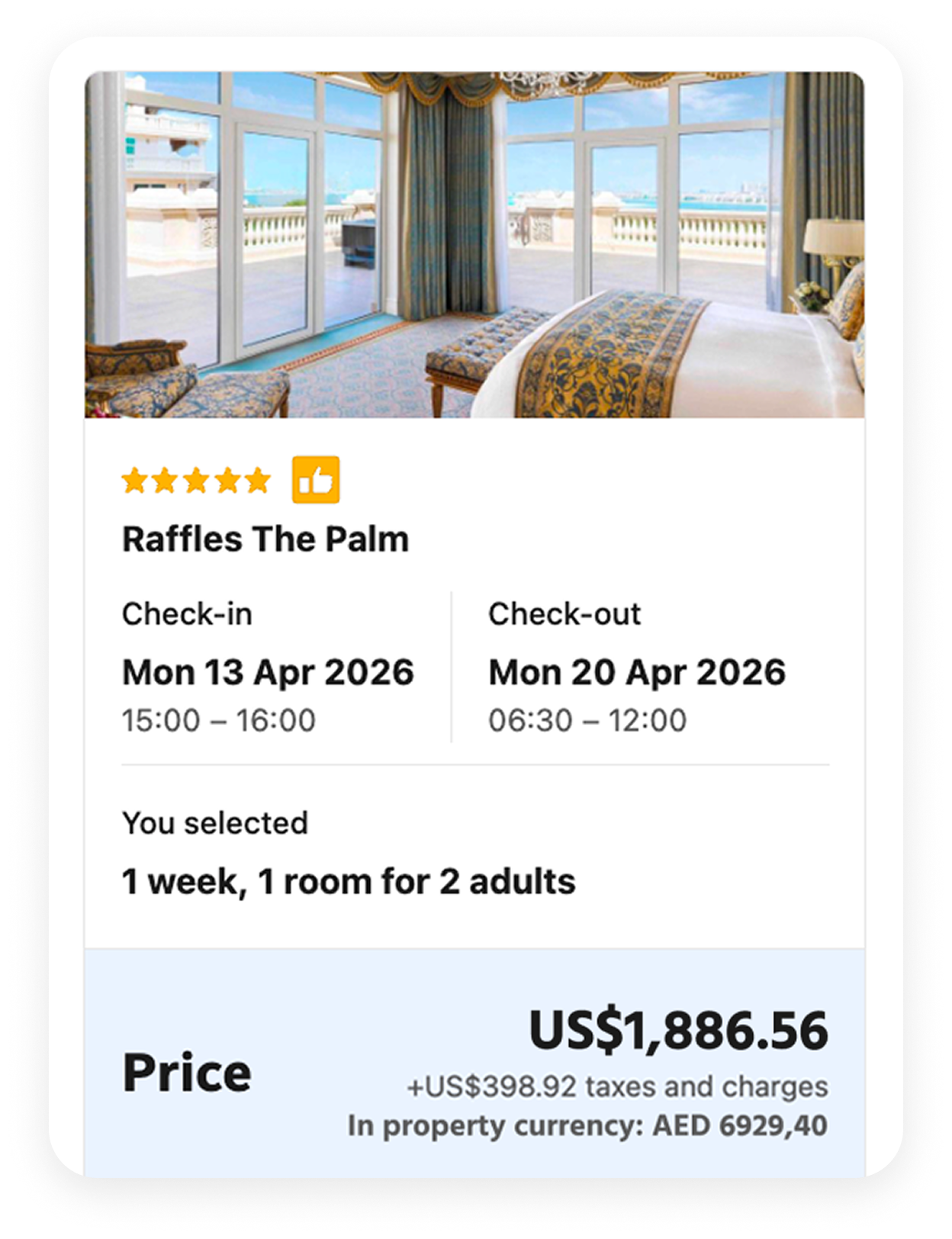
%201.png)
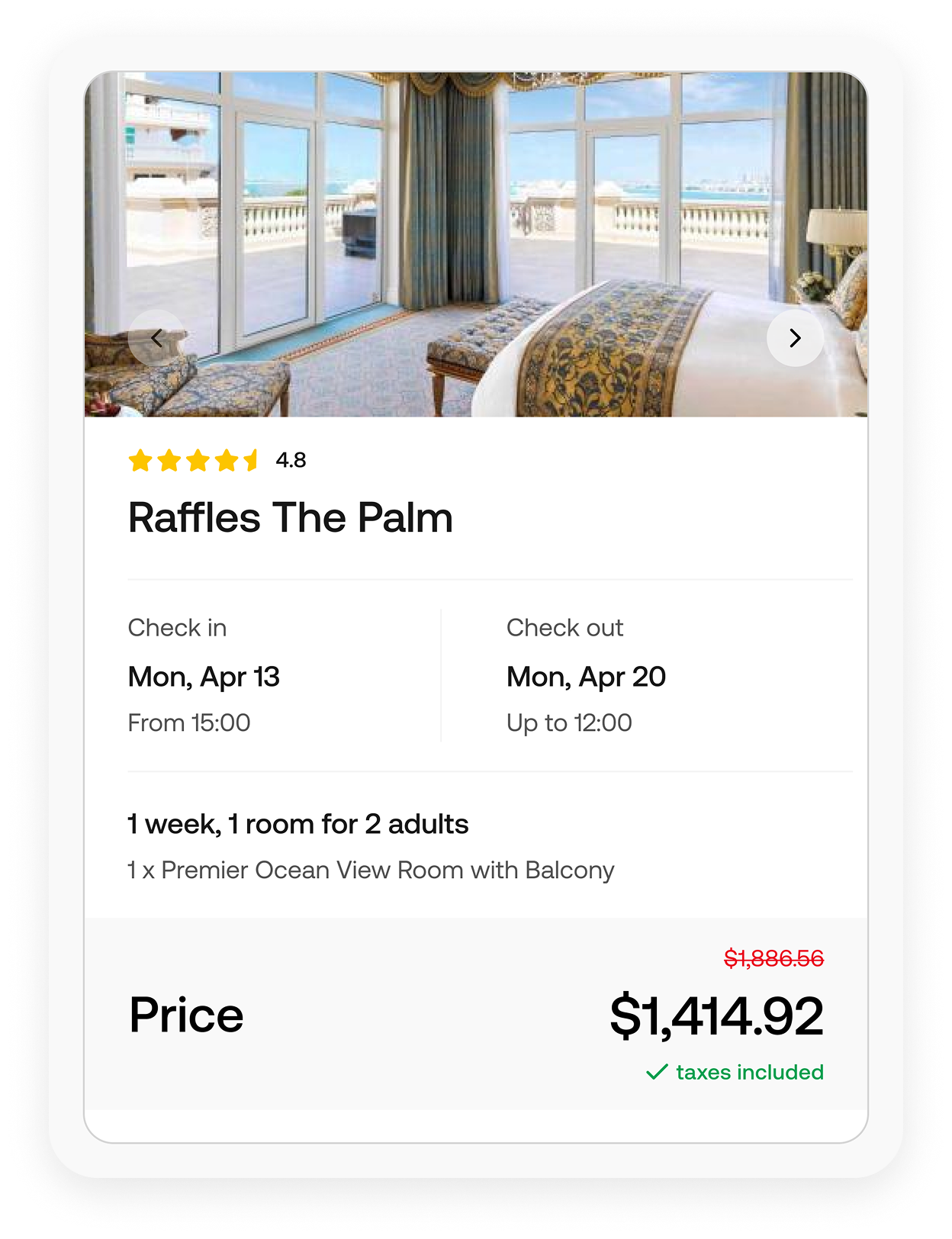
your first booking.
Early users receive $25 off their first booking.
Traveling from Vienna to Sweden? See how Bitcoin and USDT work there.
2. Use a Crypto Debit Card for Everyday Spending
Austria still uses a lot of cash, but card terminals are standard at supermarkets, pharmacies, petrol stations, cafés, and most retail locations. Contactless accounts for 95% of card transactions at the point of sale. In those environments, a crypto debit card works exactly like any other Visa card.
The Bitpanda Visa card is the best local option. It is issued by Austria's own platform, converts BTC or USDT to EUR at the point of sale, and links directly to your existing Bitpanda account.
Bybit and Crypto.com also offer Visa debit cards that work in Austria for holders who prefer a global exchange account. Each card payment is a taxable disposal. Connect tax software to your exchange from day one so the records keep themselves.
3. Buy Gift Cards and Mobile Top-ups via Bitrefill
Bitrefill lets you buy gift cards for major Austrian and international brands in BTC or USDT. IKEA Austria, Zalando, Amazon.at, and iTunes are all available. Austria's three mobile carriers, A1, Magenta, and Drei, are all available for prepaid top-up on Bitrefill in BTC or USDT. Buy the code, redeem it in the carrier app, and credit is active immediately.
For any Austrian shop that does not accept crypto directly, Bitrefill closes the gap without needing to convert to EUR or open a bank account. It also supports Lightning Network payments.
4. Convert to EUR via Bitpanda
Bitpanda is the obvious starting point for Austrian holders. Founded in Vienna in 2014, it reached 7.4 million users by end of 2025 and secured an EU-wide MiCA license the same year. EUR withdrawals go directly to Austrian bank accounts at BAWAG, Erste Bank, Raiffeisen, Oberbank, and N26, typically within one business day.
Coinbase, Kraken, and Bitstamp are MiCA-compliant alternatives with EUR pairs. If your primary account is already on one of those platforms, there is no need to switch. Once EUR is in your bank account, the full Austrian economy is accessible: card, bank transfer, direct debit, Klarna, everything.
5. Shop on Amazon.at or Willhaben
Amazon.at is the dominant online retailer in Austria, covering electronics, home goods, books, clothing, and groceries. Willhaben is Austria's most-visited local marketplace, the Austrian equivalent of eBay classifieds, with listings across real estate, cars, electronics, and fashion. Neither accepts crypto.
Sell on Bitpanda, receive EUR to your bank account, and pay by card or bank transfer. Willhaben supports bank transfer and cash for in-person deals. Amazon.at takes all major debit cards and supports Klarna for installments.
6. Pay Bills and Recurring Subscriptions
Austrian household bills come in EUR. Utilities, internet, insurance, rent, streaming: all paid by direct debit, bank transfer, or card. None accept crypto.
The practical setup is a small EUR buffer in an Austrian bank account, topped up through Bitpanda when needed. A standing direct debit from BAWAG, Erste Bank, or Raiffeisen covers all domestic bills automatically. Each conversion is a taxable disposal, so keep records from the start. For subscriptions billed in foreign currencies, Netflix, Spotify, Adobe, the Bitpanda Visa card handles them directly from a BTC or USDT balance.
7. Top Up Mobile Credit (A1, Magenta, Drei)
A1, Magenta, and Drei all support prepaid top-up through Bitrefill in BTC or USDT. Buy the code, redeem it in the carrier app, done. No EUR conversion needed at any point.
For postpaid accounts, bills are settled by direct debit from an Austrian bank account. Fund it through Bitpanda and the direct debit runs as normal. A1 is the largest carrier in Austria by subscriber count, followed by Magenta and Drei.
8. Order Food via Mjam or Wolt
Mjam is Austria's dominant food delivery platform, run by Delivery Hero. It covers Vienna, Graz, Linz, Salzburg, and most major Austrian cities. Wolt is growing in Vienna and regional centres, but neither accepts crypto at checkout.
Use the Bitpanda Visa card as the default payment method in either app. Orders go through as a standard Visa transaction. Or convert to EUR via Bitpanda, fund your bank account, and pay by card.
9. Send Money Abroad as an Expat or Student
Vienna is one of Europe's largest student cities. Austria's expat population includes large communities from Germany, Serbia, Romania, Turkey, Hungary, and the wider Balkans. International wire transfers from Austrian banks cost 1 to 5% and take one to three business days outside SEPA.
USDT cuts both. Buy USDT on Bitpanda, send it to the recipient's wallet abroad, and it arrives in minutes. The recipient converts locally. For EU corridors, a SEPA transfer from an EUR account funded through Bitpanda works just as well at near-zero cost.
Sending USDT to Poland from Austria? See our full guide on how your family can spend it.
10. Pay for Freelance and Professional Services
Vienna has a well-established startup and tech ecosystem. Freelancers, developers, designers, and consultants working on international projects increasingly take USDT for cross-border work where bank transfers add delays and fees.
For companies paying Austrian contractors in USDT: it settles faster than SEPA and the contractor converts via Bitpanda whenever it suits them. USDT income is reported at its EUR fair market value on the date received. Speak to a Steuerberater for larger or recurring crypto-denominated payments.
11. Pay for Online Courses and Education
Austria has strong public universities. University of Vienna, TU Wien, and WU Vienna are all well-recognised across Europe. Private professional education and coding bootcamps operate alongside them.
Coursera, Udemy, and LinkedIn Learning all accept card payments. The Bitpanda Visa card handles those directly from a BTC or USDT balance. For international students paying Austrian university fees from abroad, USDT transfers avoid international wire costs. Some web3 bootcamps in Vienna already accept USDT for tuition directly.
12. Gaming, Streaming and Digital Subscriptions
Steam, PlayStation Store, Xbox Game Pass, Netflix, Spotify, and YouTube Premium all have strong usage in Austria. None accept crypto.
Bitrefill covers Steam Wallet, PlayStation Network credit, Xbox Game Pass, Google Play, Netflix, and Spotify gift cards, all in BTC or USDT with instant delivery. If you prefer to keep your assets in crypto and not hold a standing EUR balance, buying a Bitrefill code is more direct than converting first.
For recurring subscriptions, set the Bitpanda Visa card as the default and renewals run automatically from your crypto balance.
Frequently Asked Questions
1. Is Bitcoin legal in Austria?
Yes. Holding, trading, and spending BTC and USDT is fully legal in Austria. MiCA came into full effect on December 30, 2024. Austria's financial regulator FMA supervises all crypto service providers in the country. There is no restriction on how much crypto an individual can hold or spend. Only use FMA-registered or MiCA-licensed platforms and check current status at fma.gv.at before depositing.
2. How is crypto taxed in Austria?
Austria applies a 27.5% flat capital gains tax on crypto purchased after 28 February 2021. This covers selling, converting to fiat, and spending. Crypto-to-crypto swaps are tax-free under Austrian law, which is more favourable than most EU countries. From 1 January 2026, exchanges must report transaction data to Austrian tax authorities under DAC8. Use Koinly or Blockpit to generate tax-ready reports for Finanz Online.
3. What is the best crypto exchange in Austria?
Bitpanda is the leading exchange for Austrian residents. Founded in Vienna in 2014, it had 7.4 million registered users by the end of 2025 and holds an EU-wide MiCA license. To convert: create an account, complete KYC, deposit BTC or USDT, sell to EUR, and withdraw to your Austrian IBAN at BAWAG, Erste Bank, Raiffeisen, or N26.
4. Can I use a crypto debit card in Austria?
Yes. The Bitpanda Visa card is the most practical option for Austrian residents: issued by Austria's own platform, no separate registration needed, converts BTC or USDT to EUR at point of sale, works at any Visa terminal. Bybit and Crypto.com cards also work in Austria.
5. Can I book a hotel or flight with Bitcoin in Austria?
Yes. CoinBooking lists hotels in Vienna, Salzburg, Graz, and Innsbruck at up to 30% less than you would pay on Booking.com or Expedia for the exact same property. It accepts Bitcoin, USDT, and 100+ other cryptocurrencies directly at checkout across 190+ countries, with no conversion to EUR required. Early users receive $25 off their first booking.
6. Is Bitpanda regulated?
Yes. Bitpanda is registered with Austria's FMA and secured an EU-wide MiCA license in 2025. It was founded in Vienna in 2014 and is still headquartered there. Verify current status at fma.gv.at before depositing significant funds.


Spending crypto is the easy part. 30% off is the good part.
Get up to 30% off all future hotels and flights.

Yaryna Dobrianska is a Dubai-based business and technology writer with a background in fintech and digital services. She covers cryptocurrency adoption, cross-border payments, and the practical realities of spending digital assets across emerging markets.
Her work at Polkastarter focuses on making Web3 accessible, breaking down how crypto moves through real-world financial systems, from payments infrastructure to on-chain adoption trends.
Your $25 is waiting. So is up to 30% off every trip you'll ever take.
.avif)

Your $25 is waiting. So is up to 30% off every trip you'll ever take.