.avif)
.png)
.avif)


Content
Top 12 Ways to Spend Bitcoin (BTC) and USDT in Colombia

Colombia has become one of Latin America’s most active crypto markets not because of top-down policy, but because ordinary economic life made it necessary. More than 5 million Colombians hold crypto, and the country recorded $6.7 billion in crypto transactions in 2024, ranking it fifth for adoption across the entire Latin American region. Stablecoins are the engine behind this growth. At Bitso, 4 in every 10 crypto purchases in Colombia are stablecoins, primarily USDT and USDC driven by a practical preference for dollar-linked liquidity in a country where the peso has historically been volatile. Remittances add further weight: Colombia received $11.8 billion in remittance inflows in 2024, the majority flowing from the United States, Spain, and Chile.
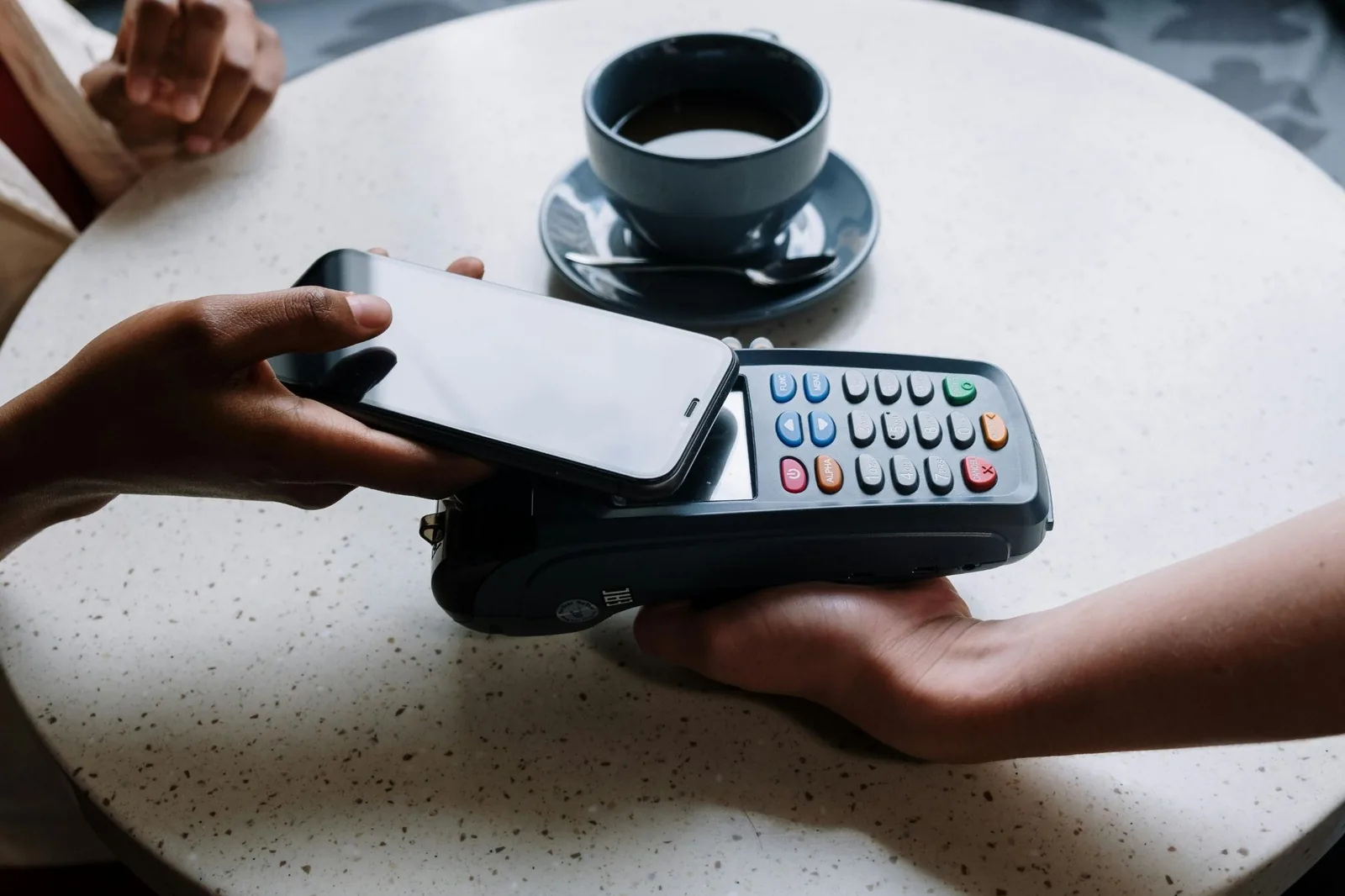
For a USDT holder in Bogotá, Medellín, Cali, or Barranquilla, spending that balance involves two distinct routes. The first is direct: CoinBooking for travel, a crypto Visa debit card at any Colombian terminal, and Bitrefill for gift cards and mobile top-ups. The second is conversion to COP via Binance P2P or Bitso, which then unlocks Nequi, Daviplata, and the full Colombian consumer economy.
Visiting a new country with crypto? Browse every country in this series.
Can You Spend Bitcoin and USDT Directly in Colombia?
Direct merchant acceptance of BTC or USDT in Colombia is limited. Most Colombian businesses operate on COP via card, Nequi, or Daviplata, and crypto-accepting shops in Bogotá and Medellín remain the exception rather than the rule. Three routes work without any COP conversion: CoinBooking for travel bookings, a crypto Visa debit card at any Colombian Visa or Mastercard terminal, and Bitrefill for gift cards and mobile top-ups in BTC or USDT.
For everything else, conversion to COP is the practical path. Binance P2P is the dominant platform for USDT-to-COP trades, with active COP pairs and competitive rates. Bitso is a strong LATAM-facing alternative. El Dorado, a Colombia-specific P2P platform, has processed more than three million transactions and serves over 400,000 users across Latin America. Once COP lands in Nequi or Daviplata, the full Colombian payment ecosystem opens up, including merchant QR codes, bill payment, and transfers.
On tax: DIAN treats crypto as an intangible asset. Capital gains apply on profits, and holdings must be declared annually. For significant balances, a local contador familiar with DIAN’s 2024 guidance is worth consulting before making large disposals.
Is It Legal to Use Bitcoin and USDT in Colombia?
Crypto is legal to hold, trade, and spend in Colombia. The Banco de la República and Superintendencia Financiera have issued risk warnings but have not restricted individual ownership or use. The central bank has explicitly clarified that individuals can accept crypto as a form of payment, though they bear the associated risks themselves. Colombia has operated a regulatory sandbox for crypto services since 2021, and two pieces of legislation were tabled in 2025: including Draft Bill 510/2025 on virtual asset service provider licensing, though neither had been enacted as of early 2026. The environment is best described as permissive and actively evolving rather than restrictive.
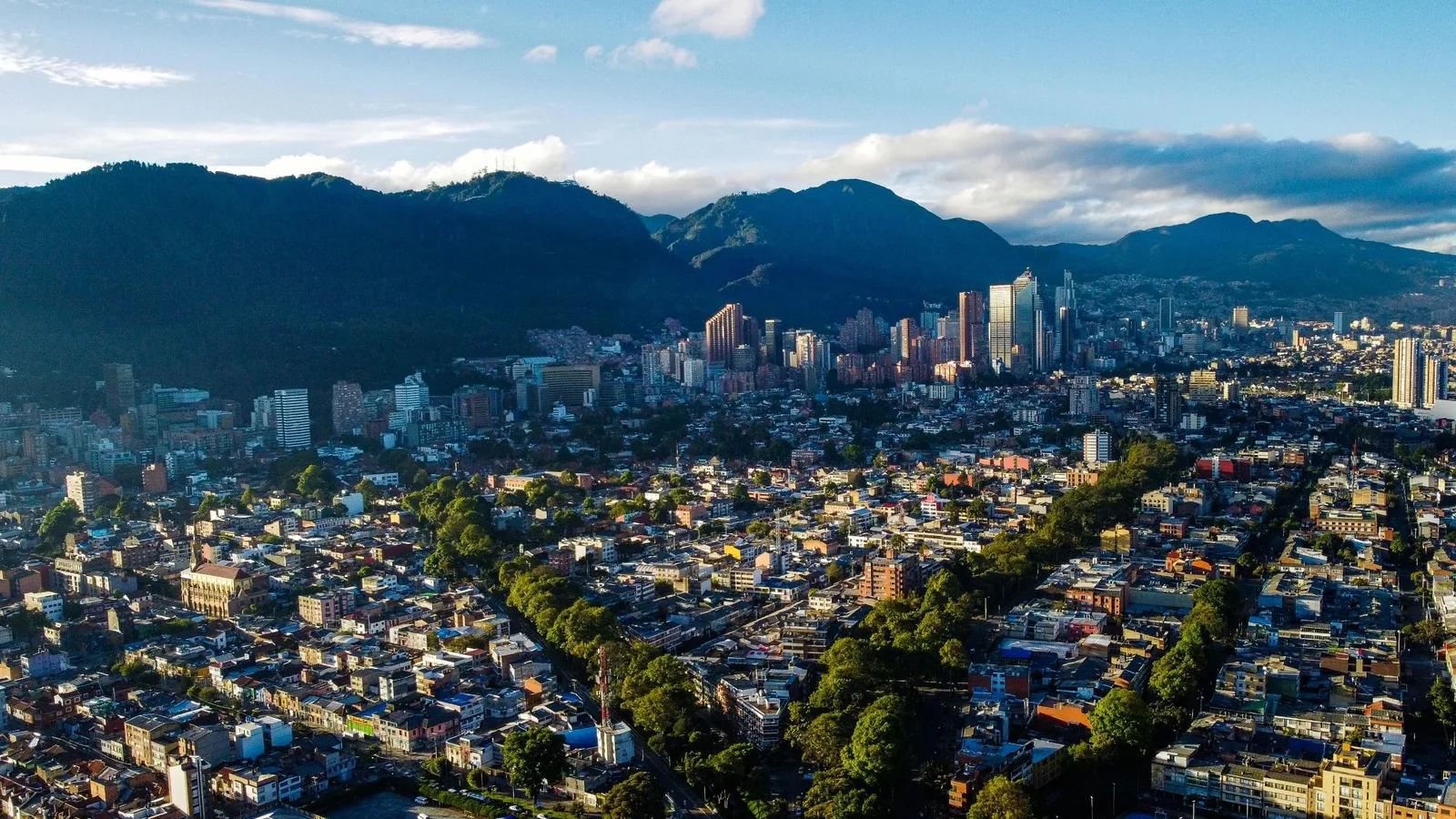
DIAN taxes crypto as an intangible capital asset. Gains are subject to capital gains tax and must be declared annually on your tax return. DIAN’s 2024 guidance also clarified that selling crypto is generally not subject to IVA unless tied to industrial property. For regular traders or freelancers receiving large USDT amounts, consulting a local contador is the most practical step to stay compliant.
in Colombia
12 Ways to Spend Bitcoin (BTC) and USDT in Colombia
1. Book Hotels and Flights with Bitcoin or USDT
For Colombian crypto holders, getting from crypto in your wallet to a confirmed hotel booking usually involves declined cards, KYC at every off-ramp, and full retail pricing once you finally arrive at checkout.
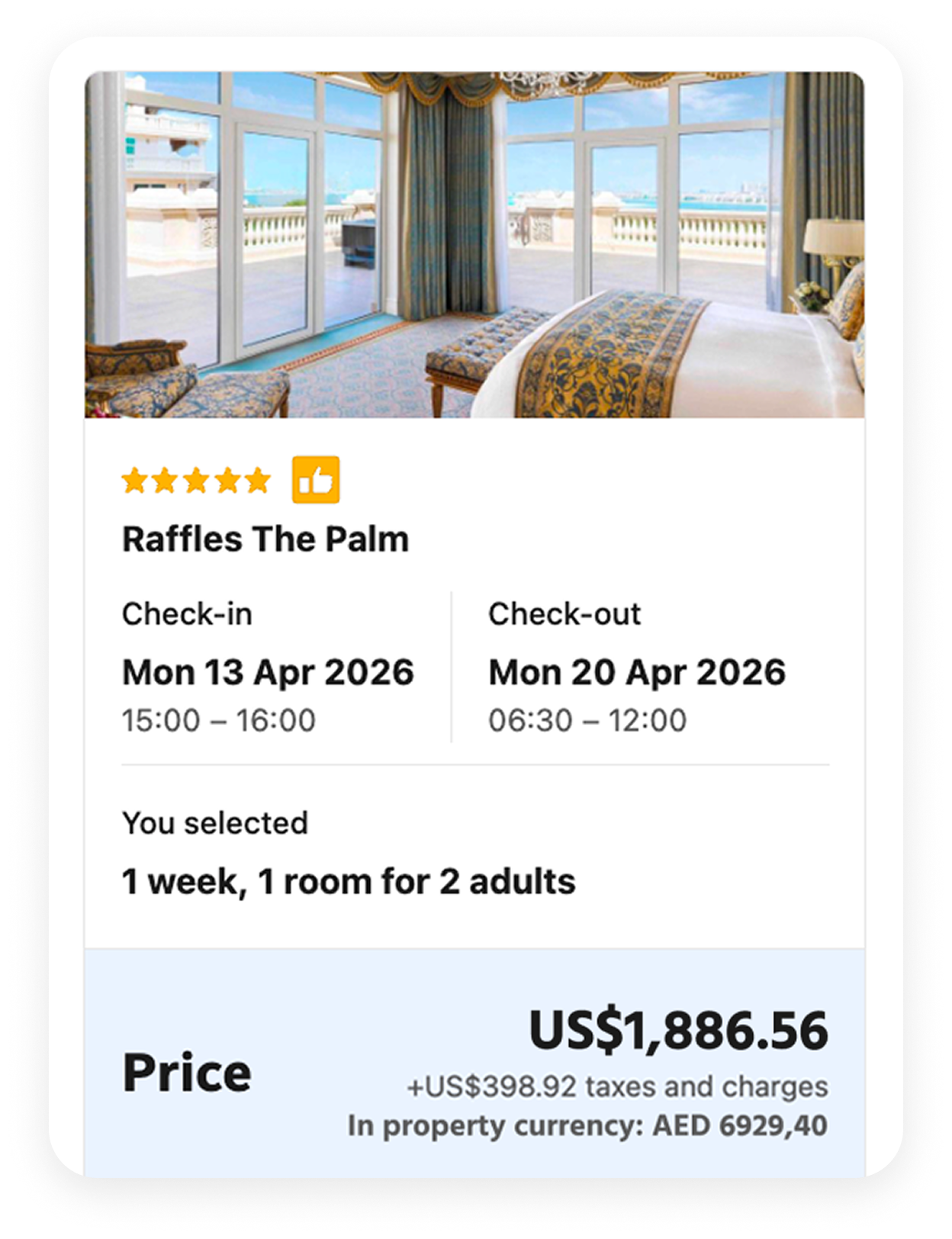
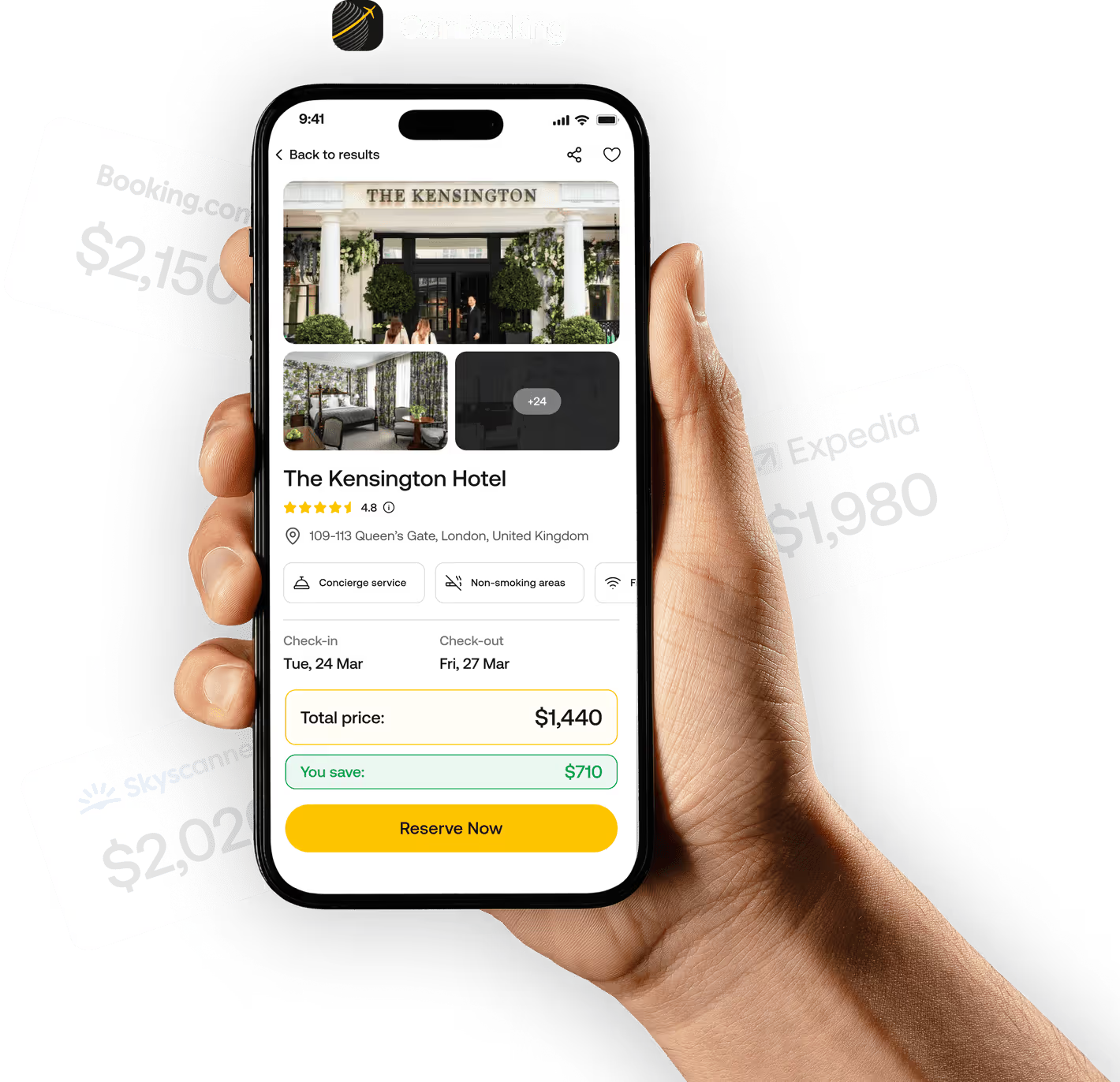
CoinBooking takes the whole sequence off the table. It's a Dubai-licensed travel platform that lists the same hotels and flights as Booking.com and Expedia at up to 30% less, accepting Bitcoin, USDT, and 100+ other cryptocurrencies directly at checkout.


An 800,000 COP room on Booking typically runs around 560,000 here, and the same gap applies whether you are booking a business stay in Mexico City or a family trip to Cartagena.
Coverage spans 190+ countries and over a million properties.
Just $870 Cheaper.

%201.png)
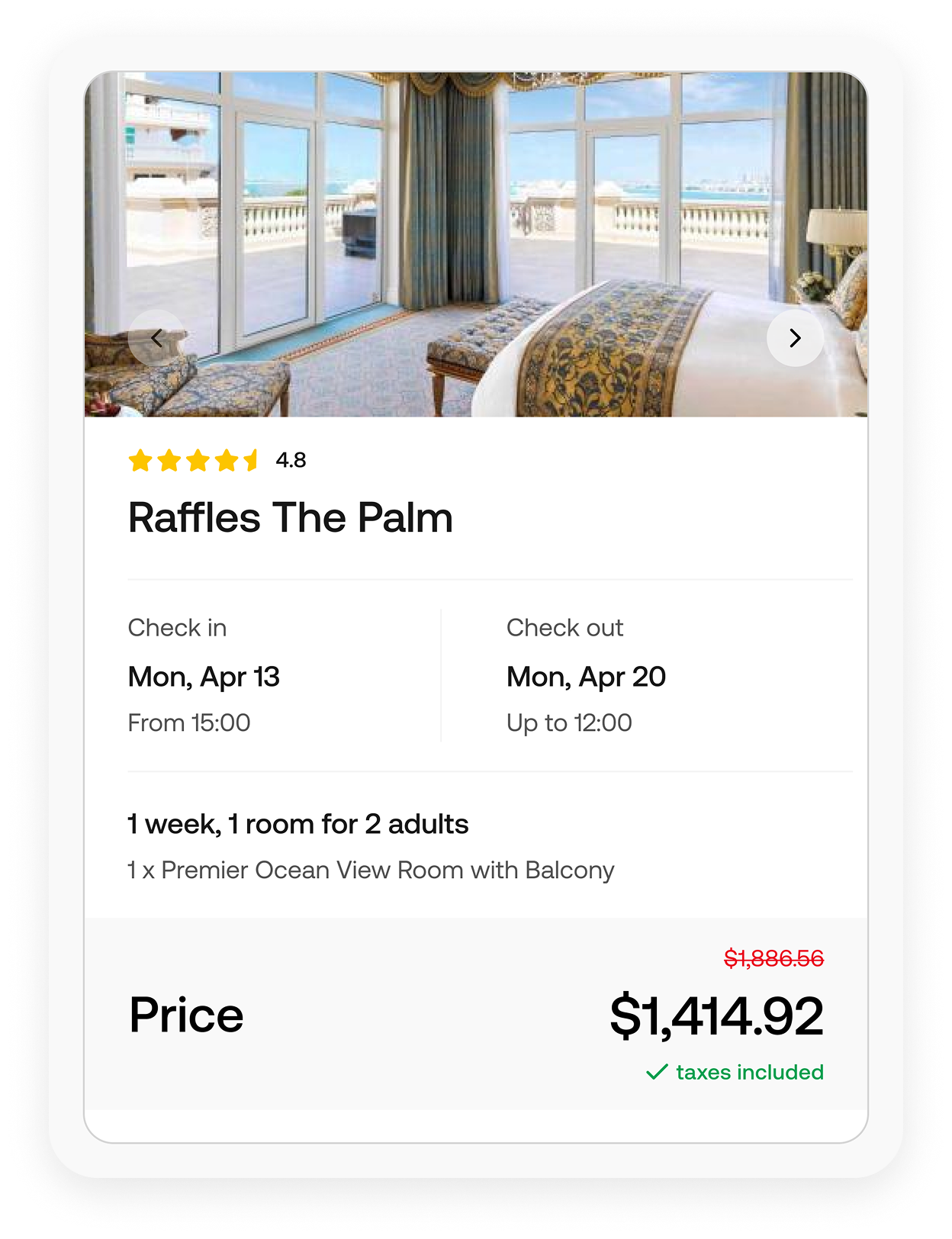
your first booking.
Early users also get $25 off their first booking.
Heading to the US? Here is how crypto travellers spend Bitcoin and USDT there.
2. Use a Crypto Debit Card for Everyday Spending
Card terminals are standard across Colombian supermarkets, pharmacies, petrol stations, and larger retail chains. A crypto Visa debit card works at any of these terminals and converts your BTC or USDT to COP automatically at the point of payment. The Crypto.com Visa card and the Bybit Card both function across Colombian Visa and Mastercard terminals. There is no need to pre-load COP manually. The conversion happens at the moment of the transaction, meaning you retain full exposure to your holdings right up until the point of purchase.
For day-to-day spending in Bogotá, Medellín, or Cali, a crypto debit card is the most immediate way to put a BTC or USDT balance to work without touching a Colombian bank account. Each card transaction is a taxable disposal, so connecting tax tracking software from the start avoids problems at year end.
3. Buy Gift Cards and Mobile Top-ups via Bitrefill
Bitrefill operates in over 186 countries and offers gift cards and service vouchers purchasable directly in BTC, ETH, USDT, and USDC. For Colombian holders, this covers international brands with strong local presence alongside direct mobile top-ups for Colombia’s three main carriers. The mobile top-up function covers Claro, Movistar, and Tigo directly, making it straightforward to add credit to a Colombian number without any COP conversion step. Bitrefill also supports Lightning Network payments, which keeps transaction fees low for smaller top-up amounts.
For any Colombian merchant or service that does not accept crypto directly, Bitrefill closes the gap cleanly without requiring a bank account or a P2P conversion step.
4. Convert USDT to COP via P2P
For the majority of everyday Colombian spending, converting USDT to COP first is the most practical route. Binance P2P is the dominant platform for this conversion, with active COP pairs, competitive rates, and multiple local payment method options including Nequi, Daviplata, and direct bank transfer. El Dorado is a Colombia-focused alternative built specifically for the local market, with over 400,000 registered users and strong counterparty verification. Bitso is a well-established LATAM exchange with COP support and a clean interface suited to less experienced users.
Once COP is in your Nequi or Daviplata wallet, the full Colombian consumer economy is accessible: merchant QR code payments, utility bills, transport, supermarkets, and peer transfers. Stablecoin-enabled platforms can reduce cross-border payment fees by 60 to 80% compared to traditional channels, and settlement typically completes in under one hour rather than the two to three business days a standard international wire takes.
5. Shop on MercadoLibre or Pay via Nequi
MercadoLibre is Colombia’s dominant online marketplace, covering electronics, fashion, home goods, and a wide range of local merchants. Nequi is the digital wallet with the deepest penetration in urban Colombia, used for peer transfers, merchant QR payments, and bill settlement. Neither accepts crypto directly.
The practical route is converting USDT to COP via Binance P2P or El Dorado, then deploying through Nequi or a Colombian debit card. Alternatively, a crypto debit card handles MercadoLibre purchases directly at checkout by converting at the point of payment. For high-value items where the price difference matters, converting to COP first and paying by bank transfer via PSE is the most cost-effective option.
6. Pay Utility Bills and Subscriptions
Colombian utility bills for: electricity, water, gas, internet are all denominated in COP and settled by direct debit, bank transfer, or cash at a payment point. None accept crypto directly. The practical setup is maintaining a small COP balance in Nequi or Daviplata, topped up through Binance P2P or El Dorado as needed. Each conversion is a taxable disposal, so keeping records from the first transaction is important for year-end DIAN reporting.
For international subscriptions billed in USD like: Netflix, Spotify, Adobe, and similar services - a crypto debit card handles these directly from a BTC or USDT balance without any COP conversion step. This is often simpler than funding a Colombian account and avoids the currency conversion markup that Colombian banks apply on foreign transactions.
7. Top Up Mobile Credit (Claro, Movistar, Tigo)
Colombia’s three main mobile carriers are Claro, Movistar, and Tigo, and all are available for prepaid top-up through Bitrefill in BTC or USDT. The process is straightforward: purchase the top-up code on Bitrefill, redeem it through the carrier’s app or SMS, and credit is active immediately. No COP conversion, no bank account, and no card is needed at any stage.
For postpaid accounts, bills settle by direct debit from a Colombian bank account, which requires COP funded through a P2P platform. Claro holds the largest market share by subscriber count in Colombia, followed by Movistar and Tigo. For prepaid users, Bitrefill is the most direct crypto spending option available.
8. Order Food via Rappi or DiDi Food
Rappi, founded in Colombia in 2015, is the country’s dominant food and delivery super-app, operating across all major Colombian cities and commanding over 50% market share. DiDi Food is its main active competitor in Colombia, but neither accepts crypto directly at checkout. The practical routes are paying through a Crypto.com card or Bybit card set as the default payment method in the app, which converts BTC or USDT to COP at the point of order. Alternatively, fund a Nequi wallet through P2P conversion and use it as the payment method within Rappi, which natively supports Nequi at checkout.
9. Send or Receive Remittances in USDT
Colombia received $11.8 billion in remittances in 2024, primarily from the United States, Spain, and Chile. Traditional channels Western Union, MoneyGram, and international bank wires typically charge between 4% and 6% of the transferred amount and take one to three business days. USDT eliminates both costs. A sender in the US or Spain sends USDT from any exchange or wallet, the recipient in Colombia receives it within minutes, and converts to COP through Binance P2P or El Dorado at competitive local rates.
Bitwage has processed more than $400 million in payroll transactions using this model, and Bitso processed $43 billion in stablecoin-powered remittances in 2024 across its LATAM corridors. For Colombian households receiving income from abroad, USDT is faster, cheaper, and more reliable than any traditional remittance channel currently available.
Sending USDT to family in the US? See our guide to spending USDT and Bitcoin there.
10. Get Paid and Spend as a Freelancer or Remote Worker
Colombia has a growing population of developers, designers, content creators, and consultants working for international clients, the majority of whom are paid in USDT. For this group, USDT is their primary income currency. Platforms like Bitwage and direct wallet-to-wallet payments from international clients settle faster and at lower cost than SWIFT wire transfers, which can take three days and cost $15 to $40 per transaction.
For Colombian freelancers, the typical flow is: receive USDT from client, hold for spending or convert to COP via Binance P2P or El Dorado, and deploy through Nequi for local expenses. USDT income must be reported to DIAN at its COP fair market value on the date of receipt. For freelancers receiving regular or large USDT amounts, a contador familiar with DIAN’s 2024 crypto guidance is worth consulting to structure reporting correctly from the start.
11. Pay for Online Courses and Education
International education platforms including Coursera, Udemy, and LinkedIn Learning all accept card payments. A crypto debit card handles these directly from a BTC or USDT balance, making it one of the simplest direct-spend options for Colombian holders. Bitrefill carries gift cards for several of the larger platforms, providing an alternative for holders who prefer not to use a debit card for online transactions.
Colombia’s public universities: Universidad Nacional, Universidad de los Andes, and Universidad de Antioquia do not accept crypto for tuition. A growing number of private Web3 bootcamps and blockchain certification programmes operating in Bogotá and Medellín accept USDT directly, catering specifically to the developer community that powers Colombia’s crypto ecosystem.
12. Gaming, Streaming, and Digital Subscriptions
Steam, PlayStation Network, Xbox Game Pass, Netflix, and Spotify all have strong user bases in Colombia, and none accept crypto directly at checkout. Bitrefill solves this with instant gift card delivery for all of them, including Google Play, purchasable in BTC or USDT with no COP conversion required. For Colombian users who prefer to keep their balance in USDT rather than maintain a standing COP account, this is the most direct path to any of these platforms.
For Web3 and blockchain gaming, the picture is different. BTC and USDT are already native payment methods across the category, and Colombia's developer community in Bogotá and Medellín has produced a growing number of projects that accept crypto from day one without any intermediary step.
Frequently Asked Questions
1. Is crypto legal in Colombia?
Yes. Holding, trading, and spending Bitcoin and USDT is fully legal in Colombia for private individuals. The Banco de la República and Superintendencia Financiera have issued risk warnings but have not restricted individual ownership or use. The central bank has confirmed that individuals can accept crypto as payment, though they bear the associated risks. No dedicated licensing law has been enacted as of early 2026, though two bills were pending in Congress. The regulatory environment is permissive and evolving, not hostile.
2. How do I convert USDT to Colombian pesos?
Binance P2P is the most widely used platform for USDT-to-COP conversion in Colombia, with active COP pairs and multiple local payment methods including Nequi, Daviplata, and direct bank transfer. El Dorado is a Colombia-focused alternative with over 400,000 users and strong counterparty verification. Bitso is a LATAM-facing exchange with a clean interface suited to less experienced users. Choose a platform, complete KYC verification, deposit your USDT, place a P2P sell order, and COP arrives in your Nequi or bank account within minutes to a few hours depending on the counterparty.
3. Do I pay tax on Bitcoin in Colombia?
Yes. DIAN treats crypto as an intangible capital asset. Gains from selling, converting, or spending crypto are subject to capital gains tax and must be declared on your annual tax return. Crypto holdings are also declarable as patrimony. DIAN’s 2024 guidance clarified that selling crypto is generally not subject to IVA unless tied to industrial property. For freelancers receiving USDT income, it must be reported at its COP fair market value on the date of receipt. A local contador familiar with DIAN’s crypto guidelines is worth consulting for significant balances or regular income in crypto.
4. Can I use crypto on Rappi?
Not directly. Rappi does not accept Bitcoin or USDT at checkout. The practical routes are setting a crypto Visa debit card is by Crypto.com or Bybit as your default payment method in the Rappi app, which converts your crypto to COP at the point of order, or funding a Nequi wallet through P2P conversion first and using Nequi within Rappi, which natively supports it at checkout.
5. Can I book a hotel or flight with Bitcoin in Colombia?
Yes, and without converting to COP or holding a Colombian bank account. CoinBooking lists the same properties at up to 30% less than Booking.com or Expedia. The platform accepts Bitcoin, USDT, and 100+ other cryptocurrencies for hotel and flight bookings across 190+ countries and more than a million properties, including domestic Colombian hotels in Bogotá, Medellín, Cartagena, and Cali. Early users receive $25 off their first booking.
6. How do Colombian freelancers get paid in USDT?
Most Colombian freelancers working for international clients receive USDT directly to a wallet or exchange account. Bitwage specialises in crypto payroll and has processed more than $400 million in transactions for remote workers in Latin America. Direct wallet-to-wallet transfers from clients using platforms like Binance or Coinbase are also common. Once received, USDT is either held as a dollar-denominated savings balance, spent directly on travel through CoinBooking, or converted to COP via Binance P2P or El Dorado for local expenses. USDT income must be reported to DIAN at its COP


Spending crypto is the easy part. 30% off is the good part.
Get up to 30% off all future hotels and flights.

Yaryna Dobrianska is a Dubai-based business and technology writer with a background in fintech and digital services. She covers cryptocurrency adoption, cross-border payments, and the practical realities of spending digital assets across emerging markets.
Her work at Polkastarter focuses on making Web3 accessible, breaking down how crypto moves through real-world financial systems, from payments infrastructure to on-chain adoption trends.
You just read 12 ways to spend crypto. This is the most valuable.
.avif)
You just read 12 ways to spend crypto. This is the most valuable.