.avif)
.png)
.avif)


Content
Top 12 Ways to Spend Bitcoin (BTC) and USDT in Lebanon

In most countries, spending Bitcoin is a convenience, but in Lebanon, it has become something closer to a necessity. After the 2019 financial collapse, millions of Lebanese turned to USDT not because they were early crypto adopters but because the banking system stopped being reliable. The Lebanese pound lost over 90% of its value. Dollars deposited in banks before the crisis became lollars: bank dollars that cannot be freely withdrawn or transferred.
USDT emerged as the new digital dollar: outside the banks, outside capital controls, freely moveable, and directly spendable at a growing number of merchants across Beirut.
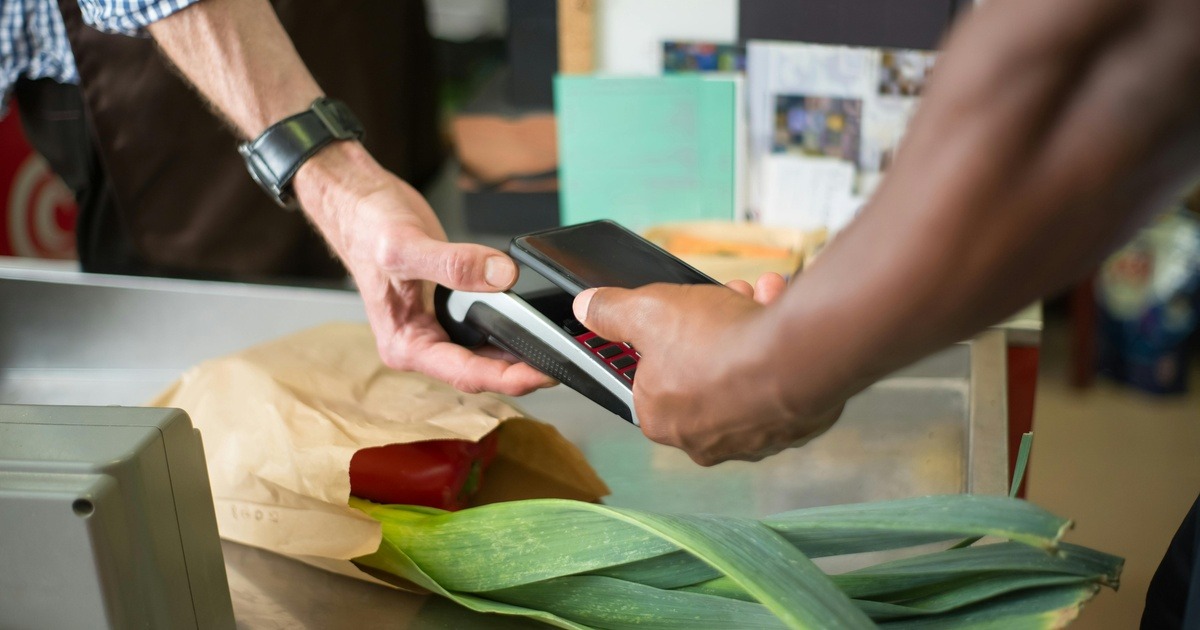
Bitcoin plays a different role here. Where USDT functions as the daily spending currency, BTC serves primarily as a longer-term savings asset and international transfer rail. This article covers both: 12 practical uses from everyday groceries to international travel bookings, reflecting how Lebanese people actually use crypto in 2026.
Explore our complete guide to spending BTC and USDT worldwide.
Can You Spend Bitcoin and USDT Directly in Lebanon?
Lebanon is one of the few countries in the world where the answer is genuinely yes, at a meaningful scale. USDT is accepted directly by a growing number of independent merchants across Beirut and other major cities. Coffee shops, restaurants, and electronics stores accept USDT as a payment, and the same applies to pharmacies, butchers, bakeries, and small retailers in neighbourhoods like Hamra, Achrafieh, and Gemmayze. Restaurants and service businesses price work in USD and increasingly settle in USDT.
Direct BTC acceptance at merchants is less common. Most Bitcoin use in Lebanon goes through conversion to USDT first, which is then either spent directly or held as a stable asset. For conversion, the most popular platform in Lebanon is Binance, where clients open a wallet and meet with an OTC dealer to exchange cash dollars for USDT via a peer-to-peer transaction. Local Telegram and WhatsApp OTC groups are also used but carry counterparty risk as there is no escrow protection.
On the tax side, Lebanon currently has no functioning crypto tax framework and no clear AML rules, creating a high-risk environment but no formal reporting requirement for individual users. Keep basic records as a precaution, particularly if converting at volume, since the regulatory picture may evolve under IMF pressure in coming years.
Is It Legal to Use Bitcoin and USDT in Lebanon? What the Grey Zone Actually Means
Lebanon has no formal crypto regulatory framework. Banque du Liban has prohibited banks from handling crypto-related transactions since 2013 and has issued warnings about the risks of digital currencies, but holding and using crypto as an individual is not formally prohibited. There are no licensed local crypto exchanges, no crypto-specific tax law, and no regulatory body overseeing the sector. Crypto operates in a legal grey zone: widely used, not prohibited, not formally regulated.
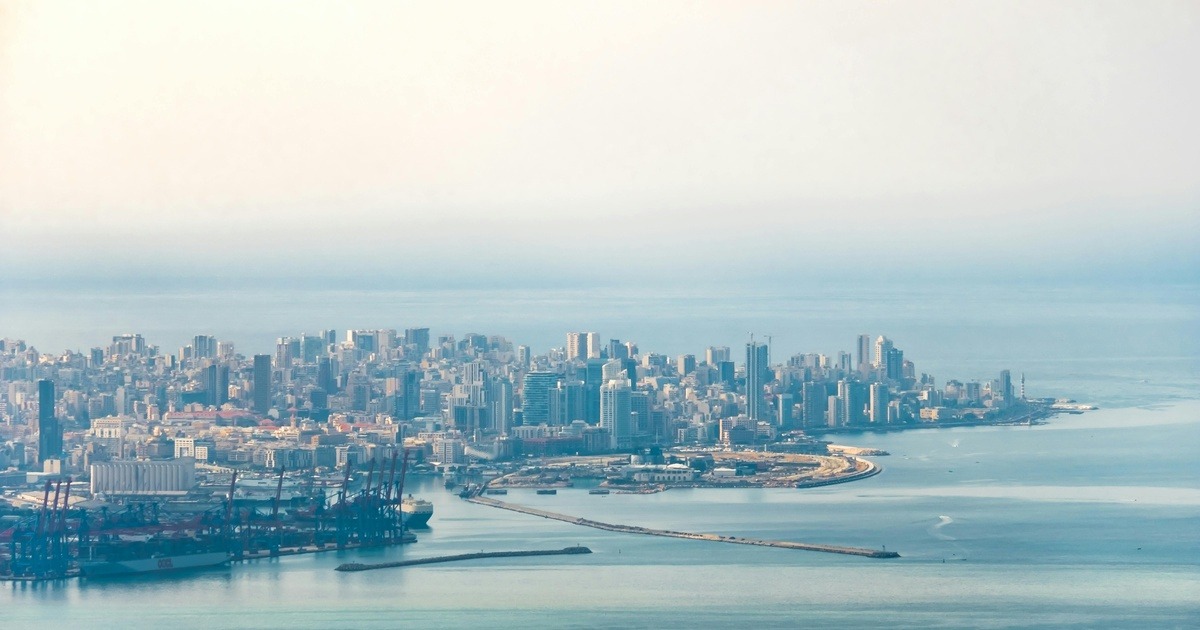
The practical implication is that there is no regulatory body to complain to if something goes wrong. Platform escrow on Binance P2P is the primary protection mechanism. The grey-zone status does not make crypto use unusual by Lebanese standards. As of December 2025, BDL Circular 158 allows eligible depositors to withdraw up to $1,000 per month from pre-crisis blocked dollar accounts, raised from $800 following a November 2025 increase. Depositors have been navigating these withdrawal caps since 2021. USDT in a self-custody wallet has no such ceiling.
in Lebanon
12 Ways to Spend Bitcoin (BTC) and USDT in Lebanon
1. Book Hotels and Flights with Bitcoin or USDT
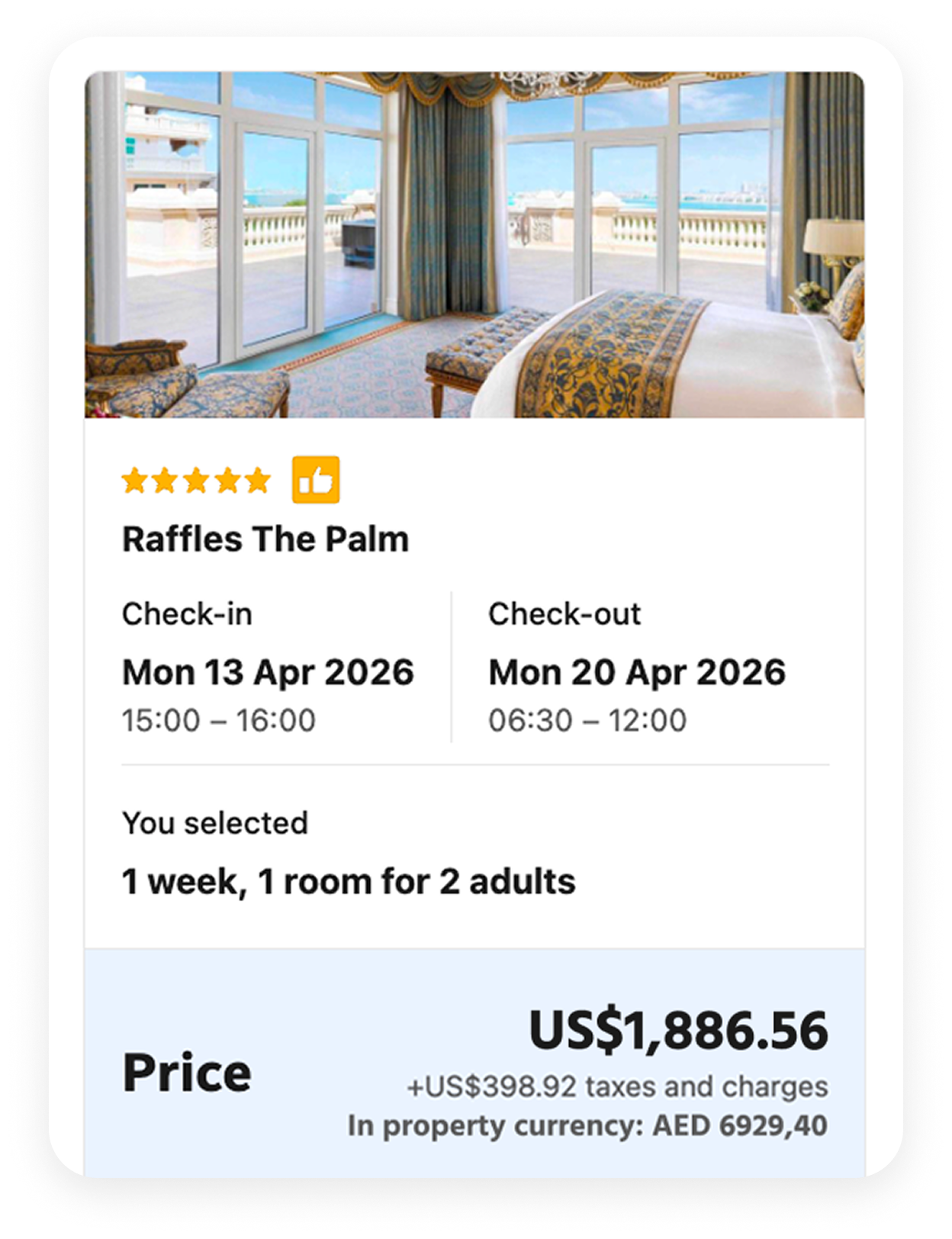
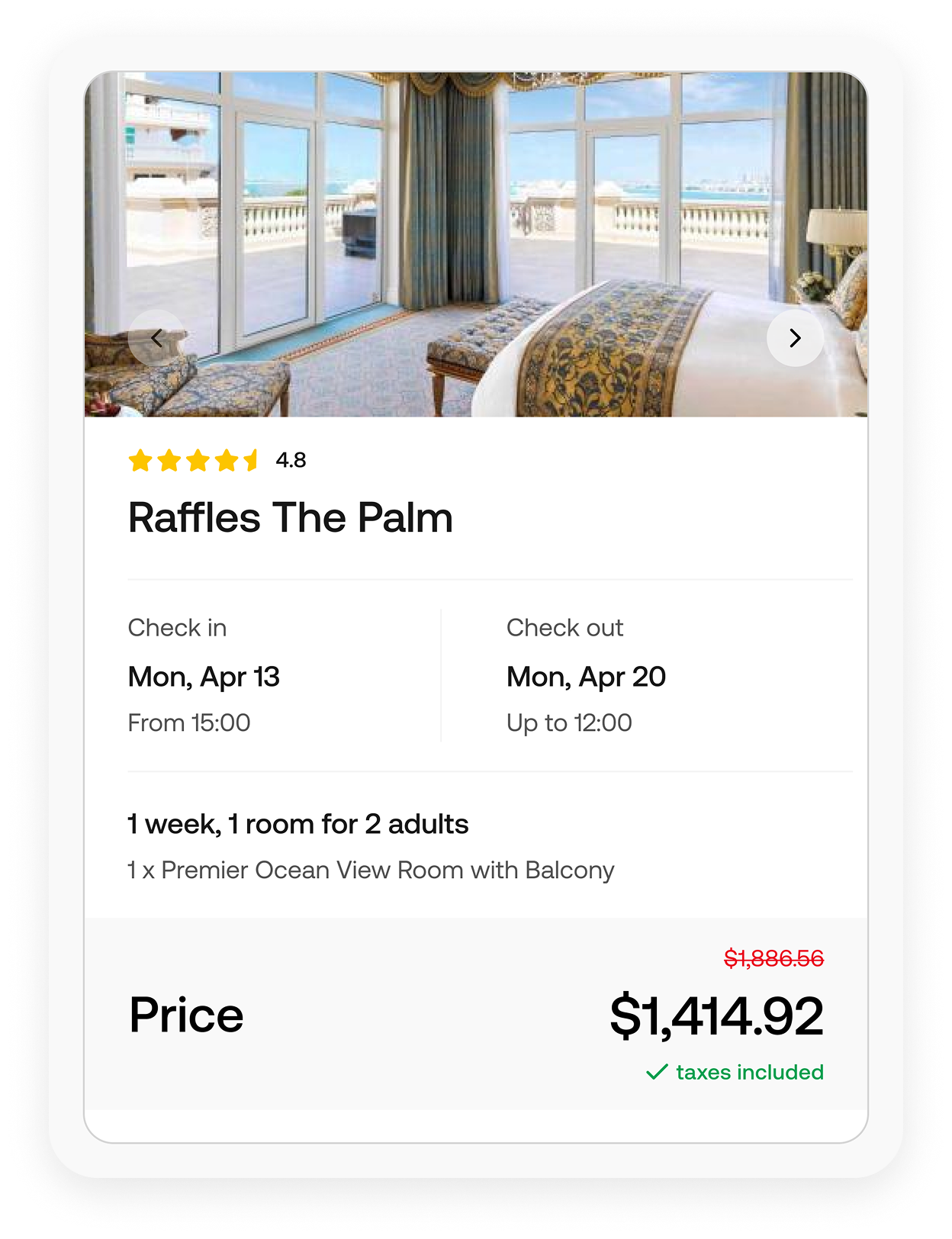
Lebanon is one of the most culturally rich destinations in the Middle East, and now it is easier than ever to plan your trip to and from there using cryptocurrency. CoinBooking gives travelers access to rates that are up to 30% lower than what you would find on Booking.com or Expedia, so your money goes further from the moment you search.


LIt has over a million hotels across 190+ countries, including top properties in Beirut, Byblos, Sidon, and Tyre, along with flights on both major and budget carriers worldwide. The platform accepts Bitcoin, USDT, and over 100 other cryptocurrencies, making it the most flexible booking option available for crypto holders today.
Just $870 Cheaper.

%201.png)
your first booking.
First-time users receive $25 off their initial booking.
ebanon to Dubai is one of the most travelled routes in the region. Here's how to BTC and USDT when you get there.
2. Use a Crypto Debit Card for Everyday Spending
Lebanese bank cards have become unreliable for a large portion of the population. Restrictions tied to the banking crisis mean that international transactions are frequently declined, and many platforms simply do not process Lebanese-issued cards at all.
Oobit addresses this directly. It is a Visa-backed crypto card supported by Tether, works at over 150 million Visa merchants globally, and requires no Lebanese bank account at any stage. You connect a self-custody wallet, complete KYC through Sumsub with a national ID or passport and a liveness check, and the virtual card is ready immediately. Apple Pay and Google Pay are both supported.
When you pay at any Visa terminal, Oobit converts BTC or USDT at the current rate in real time. The merchant receives a normal card transaction. For Lebanese users, this matters most for international platforms, travel bookings, and recurring subscriptions that a local bank card can no longer reliably handle.
3. Buy Gift Cards and Mobile Top-ups via Bitrefill
Lebanon has two mobile operators: Touch and Alfa. Both are available for prepaid top-up via Bitrefill using BTC or USDT, with codes delivered instantly. For anyone holding savings in USDT, this removes the LBP conversion step entirely.
Beyond mobile credit, Bitrefill carries Google Play, Steam, Netflix, and PlayStation Network gift cards. For gaming and streaming platforms where Lebanese payment cards are blocked, a gift card purchased in USDT is the simplest workaround available. Verify current availability of Touch and Alfa top-ups before relying on this route.
4. Pay for Groceries and Daily Essentials Directly in USDT
The collapse of the Lebanese pound made USD the de facto pricing currency across much of the economy, and USDT has followed as the digital equivalent.
Independent pharmacies, butchers, bakeries, greengrocer stalls, and small general retailers across Beirut accept USDT as standard practice in 2025, particularly in Hamra, Achrafieh, and Gemmayze. It is how these businesses have adapted to a customer base that holds savings in USDT rather than in a bank account. Prices are quoted in USD, payment is settled in USDT wallet-to-wallet, and the transaction takes seconds.
Do not expect major supermarket chains to accept USDT directly. This is the reality of independent urban retail: the closer to the neighbourhood level, the higher the likelihood of direct USDT acceptance.
5. Pay Rent and Housing Costs in USDT
Residential leases in Beirut are overwhelmingly denominated in USD. Landlords stopped accepting LBP as it became worthless, and the market moved to a dollar standard years ago. USDT has increasingly become the settlement method for monthly rent, preferred by many landlords over cash USD for the convenience of wallet-to-wallet transfer.
For tenants holding savings in USDT, this is the most direct use case: rent is priced in dollars, settled in USDT, and the entire transaction bypasses the banking system. One-bedroom apartments in central Beirut average around $937 per month, and outside the city centre, the figure is closer to $490. Both figures are in the range where USDT settlement is practical and increasingly standard.
6. Pay Your Generator and Utility Bills
Lebanon's state electricity provider Electricite du Liban cannot supply reliable power. Most residential and commercial buildings subscribe to a private neighbourhood generator operator, known locally as a moualid, as their primary electricity source. This is a standard monthly household expense across Lebanon.
Generator subscriptions are priced and settled in USD. Most Lebanese buildings rely on a private neighbourhood generator operator, known as a moualid, as their primary electricity source since state power from EDL remains unreliable and often unavailable for most of the day. Generator subscriptions are priced in USD, and a growing number of operators now accept USDT directly. Typical monthly costs range from $30 to $100 depending on amperage and consumption. EDL bills, where applicable, are a separate and secondary expense settled in LBP.
7. Send Money from the Lebanese Diaspora
Lebanon's diaspora is estimated at between 8 and 14 million people globally. Remittances totalled $5.8 billion in 2024, representing 17.7% of Lebanon's GDP according to World Bank estimates. Key sending corridors include the Gulf states, France, the United States, Brazil, and West Africa.
What makes USDT remittances to Lebanon different from any other country is the capital controls context. Money wired into a Lebanese bank account from abroad may not be freely accessible. Pre-crisis dollars are subject to monthly withdrawal limits: as of December 2025, BDL Circular 158 allows up to $1,000 per month from blocked accounts. A family member sending money from Dubai to a Lebanese bank account may find that money functionally inaccessible to the recipient for months.
USDT sent directly to a personal wallet bypasses the banking system entirely. The sender converts local currency to USDT on an exchange in their country, transfers to the recipient's wallet in Lebanon, and the money arrives in minutes as fully accessible dollar-equivalent value.
Already sending money home? See how you can use BTC or USDT locally on your next trip back.
8. Top Up Touch and Alfa Mobile Credit
Lebanon has two mobile operators: Touch and Alfa. Both are available for prepaid credit top-up via Bitrefill using BTC or USDT, with codes delivered instantly and redeemed through standard carrier channels.
Prepaid mobile credit in Lebanon is priced in LBP, which creates a conversion step if you are holding USDT. Bitrefill removes that step. Verify current availability of both operators before relying on this route, as catalogue coverage can change.
9. Order Food via Toters or Pay Local Restaurants
Toters is the dominant food delivery platform in Lebanon, with Talabat also operating in major cities, but neither platform accepts crypto directly. For delivery orders, the practical route is using the Oobit card where Visa is accepted at checkout.
Where USDT spending is more directly applicable is at the restaurant level. Many Beirut restaurants, particularly in neighbourhoods with high crypto adoption among local professionals, now accept USDT for in-person dining. The category is not delivery platforms but the restaurant itself, where wallet-to-wallet settlement is increasingly common.
10. Pay for Freelancers and Professional Services
Lebanon has a well-educated, internationally connected professional class that increasingly prices services in USD and settles in USDT. Lawyers, architects, graphic designers, developers, accountants, translators, and private tutors in Beirut routinely quote in USD and accept USDT. For clients holding savings in USDT, this removes a conversion step entirely.
The supply side is equally relevant. Lebanese freelancers receiving international payments increasingly prefer USDT settlement over bank wire due to capital controls. A payment into a Lebanese bank account may not be accessible in full. A USDT payment to a personal wallet is immediately and fully available.
For international businesses paying Lebanese contractors: USDT transfers are faster, cheaper, and more reliable than bank wire given the current state of Lebanon's banking system. This is not a crypto preference, it is a practical necessity.
11. Pay University Fees and Education Costs
Private education costs in Lebanon are significant and almost entirely USD-denominated. Private school fees have increased by up to 50% in recent years, and university tuition at AUB, LAU, and Notre Dame University is priced in USD and has risen sharply since the crisis.
A growing number of private schools and universities accept USDT for tuition payments directly, particularly for full-semester or annual lump-sum settlements. For families holding savings in USDT, this eliminates the bank transfer entirely. For institutions not yet accepting USDT directly, the Oobit card handles USD-denominated online payments where Visa is accepted. Inquire directly whether USDT settlement is available, as acceptance has expanded significantly since 2023.
12. Gaming, Streaming and Digital Subscriptions
This is the category where Lebanese payment cards fail most predictably. International billing platforms, gaming stores, and streaming services routinely reject Lebanese-issued cards due to sanctions screening, currency restrictions, and banking restrictions. USDT solves this at the source.
Available directly with BTC or USDT via Bitrefill: PlayStation Network credit, Xbox Game Pass, Steam Wallet, Google Play credits, and Netflix gift cards. Codes arrive immediately and redeem like any standard voucher.
Frequently Asked Questions
1. Does Bitcoin work in Lebanon?
Lebanon has no formal crypto regulatory framework. Banque du Liban issued Circular 217 in 2022 cautioning against cryptocurrency, but holding and using it as an individual is not formally prohibited. There are no licensed domestic exchanges, no crypto-specific tax law, and no regulatory body overseeing the sector. Crypto operates in a legal grey zone: widely used, not prohibited, not formally regulated. By Lebanese standards, USDT held outside the banking system is considered by many to be less risky than the formal alternative: pre-crisis bank dollars have been subject to monthly withdrawal limits since 2019.
2. How do I get USDT in Lebanon?
Binance P2P is the most widely used route. Create an account, complete KYC verification, post or match an offer, and LBP or USD cash is exchanged for USDT once both parties confirm. Always use platform escrow. Local Telegram and WhatsApp OTC groups also operate, but there is no escrow and no dispute mechanism. They are faster and rates are sometimes better, but the risk sits entirely with you. There are no licensed local exchanges in Lebanon, so P2P and OTC are the standard conversion channels.
3. What can you actually spend Bitcoin on in Lebanon?
The most practical category is travel. CoinBooking is one of the few platforms where you can spend Bitcoin, USDT, and 100+ other cryptocurrencies directly without converting to LBP or USD first. It covers over a million hotels and flights across 190+ countries at rates up to 30% below Booking.com and Expedia. Beyond travel, Lebanese crypto holders are using it for everyday spending through crypto debit cards, paying for mobile credit, sending remittances, and covering utility bills through P2P. The options have expanded significantly as the banking system has become less reliable.
4. Can I use a crypto debit card in Lebanon?
Yes. Oobit is the most accessible confirmed option: a Visa-backed crypto card backed by Tether, accepted at over 150 million Visa merchants worldwide. Connect your self-custody wallet or fund an in-app wallet, complete KYC via Sumsub, and the virtual card is issued immediately. It works with Apple Pay and Google Pay. At any Visa terminal, Oobit converts BTC or USDT in real time. For Lebanese users, this is particularly useful for international online purchases and travel bookings where Lebanese-issued bank cards are declined.
5. How do I receive remittances in USDT from family abroad?
Your family member abroad buys USDT on a local exchange or P2P platform in their country, then transfers it directly to your wallet address in Lebanon. The transfer settles within minutes regardless of banking hours or capital controls. You can hold the USDT as a stable dollar asset, spend it directly at merchants, or convert to LBP via local OTC or Binance P2P.
6. Do I need to pay tax on Bitcoin in Lebanon?
Lebanon currently has no functioning crypto tax framework. There is no capital gains tax on crypto and no individual reporting requirement. This may change as IMF pressure for financial reform increases and a potential licensing framework for crypto platforms is discussed for 2026 or 2027. For now, keeping basic records of your transactions is advisable as a precaution, particularly if you are converting significant volumes regularly.
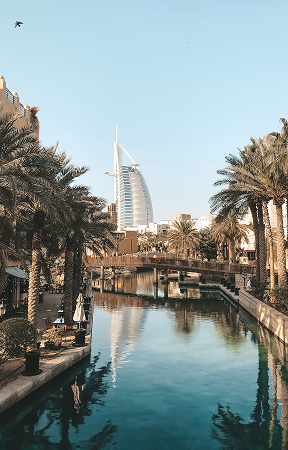
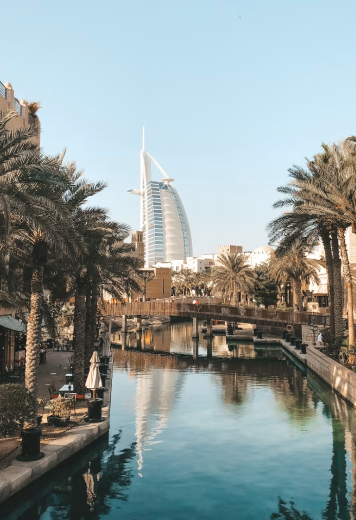
Spending crypto is the easy part. 30% off is the good part.
Get up to 30% off all future hotels and flights.

Yaryna Dobrianska is a Dubai-based business and technology writer with a background in fintech and digital services. She covers cryptocurrency adoption, cross-border payments, and the practical realities of spending digital assets across emerging markets.
Her work at Polkastarter focuses on making Web3 accessible, breaking down how crypto moves through real-world financial systems, from payments infrastructure to on-chain adoption trends.
Your $25 is waiting. So is up to 30% off every trip you'll ever take.
.avif)
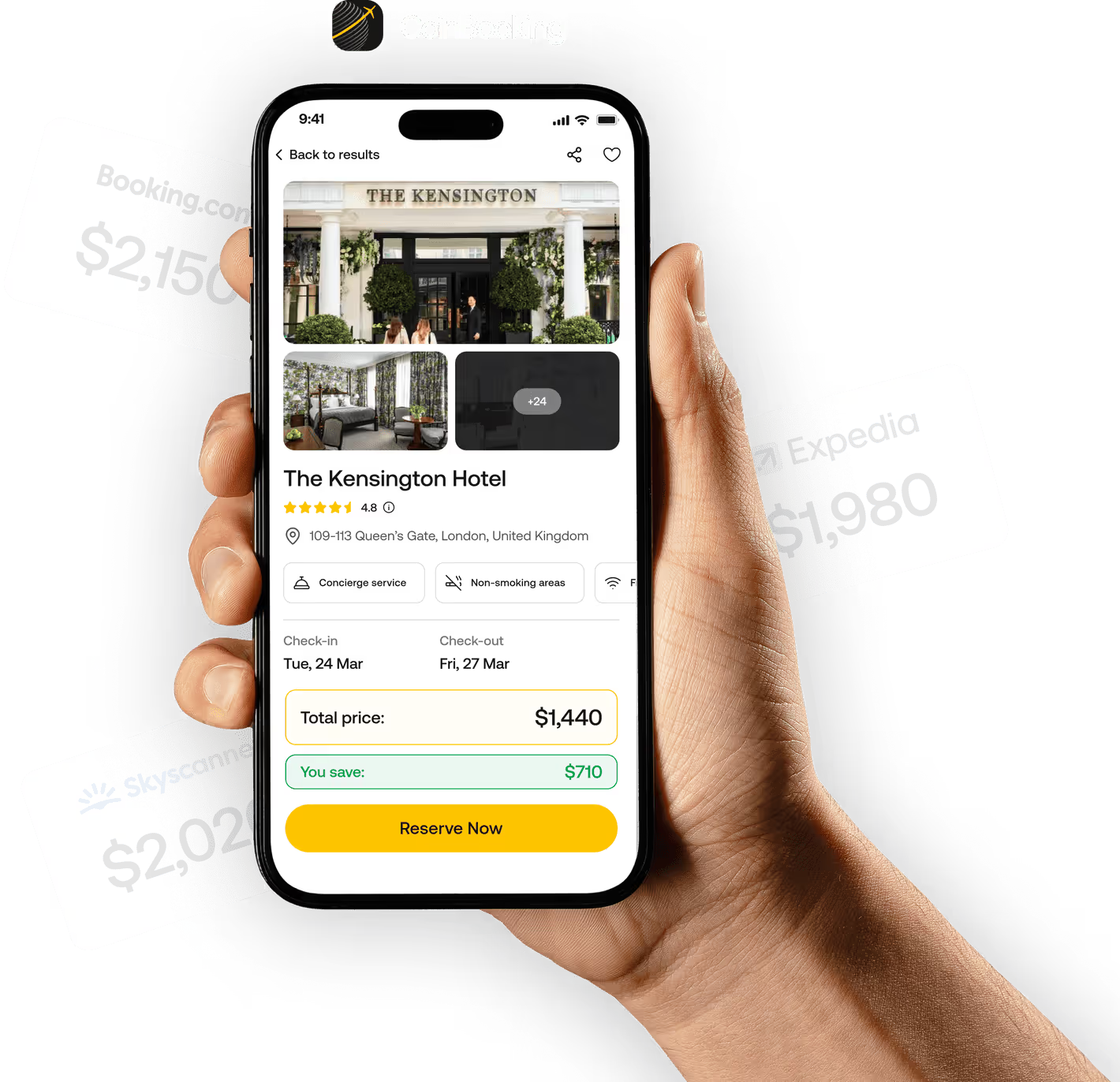
Your $25 is waiting. So is up to 30% off every trip you'll ever take.