.avif)
.png)
.avif)


Content
Top 12 Ways to Spend Bitcoin (BTC) and USDT in Turkey

Turkey's crypto story did not start with blockchain conferences or venture capital rounds. It started with a currency crisis. Since 2018, the Turkish lira has lost more than 80% of its value against the US dollar. Inflation repeatedly hit triple digits, reaching over 83% at its peak. When a currency erodes that fast, finding an alternative is not a financial decision, it is a practical necessity.
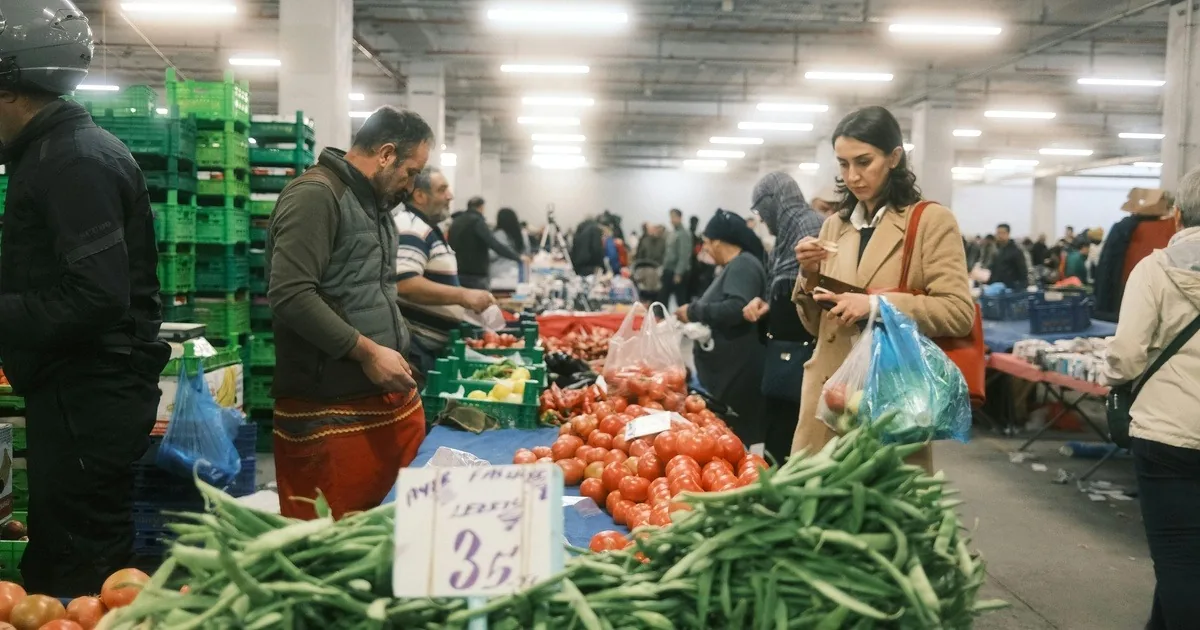
Millions of Turks responded by moving savings into USDT, the dollar-pegged stablecoin that preserves purchasing power outside the Turkish banking system. The result is one of the most active crypto markets on the planet: Turkey ranks fourth globally for crypto trading volume and records approximately $200 billion in annual transaction value. Over half of Bitcoin trades on Turkey's largest exchange are now settled in USDT rather than lira, reflecting a market driven by savings behaviour, not speculation.
Explore Bitcoin spending options across the globe.
Can You Spend Bitcoin and USDT Directly in Turkey?
USDT now accounts for over half of all Bitcoin trades on Turkey's largest exchange, and the USDT/TRY pair topped Binance's volume charts in 2024 with $22 billion in transactions. Turkish crypto holders are holding savings in dollars outside the lira system.
At the merchant level, paying in BTC or USDT directly is not permitted under the central bank regulation from April 2021. In practice, Turkish holders spend crypto through two routes: directly for international travel and digital purchases where no lira conversion is needed, and through conversion to TRY for domestic spending. Turkey's local exchange ecosystem is one of the most mature in the region, with TRY settling to any bank account in under two minutes via the FAST instant payment system.
No specific crypto tax regime exists yet in Turkey, though profits may fall under general income tax rules. In March 2026, the government proposed a 10% withholding tax on profits from regulated platforms, pending parliamentary approval. Keep transaction records now.
Is It Legal to Use Bitcoin and USDT in Turkey? What Changed in 2024
Law No. 7518, enacted on July 2, 2024, created Turkey's first formal licensing regime for crypto platforms under the Capital Markets Board. Exchanges must now register, meet capital requirements, comply with AML and KYC rules, and segregate customer assets. Unlicensed platforms face criminal penalties. In February 2025, Turkey fully implemented the Travel Rule, requiring verified sender details for transfers above 15,000 TRY.

What has not changed is the BDDK prohibition on using crypto as a direct payment instrument at Turkish merchants. Holding, trading, and converting crypto is fully legal. KYC verification on any licensed exchange is mandatory before withdrawal, so complete it before you need to move funds.
in Turkey
12 Ways to Spend Bitcoin (BTC) and USDT in Turkey
1. Book Hotels and Flights with Bitcoin or USDT
Turkish crypto holders have figured out how to save on groceries, electronics, and everyday spending. Travel is the one category where most of them still leave money on the table.
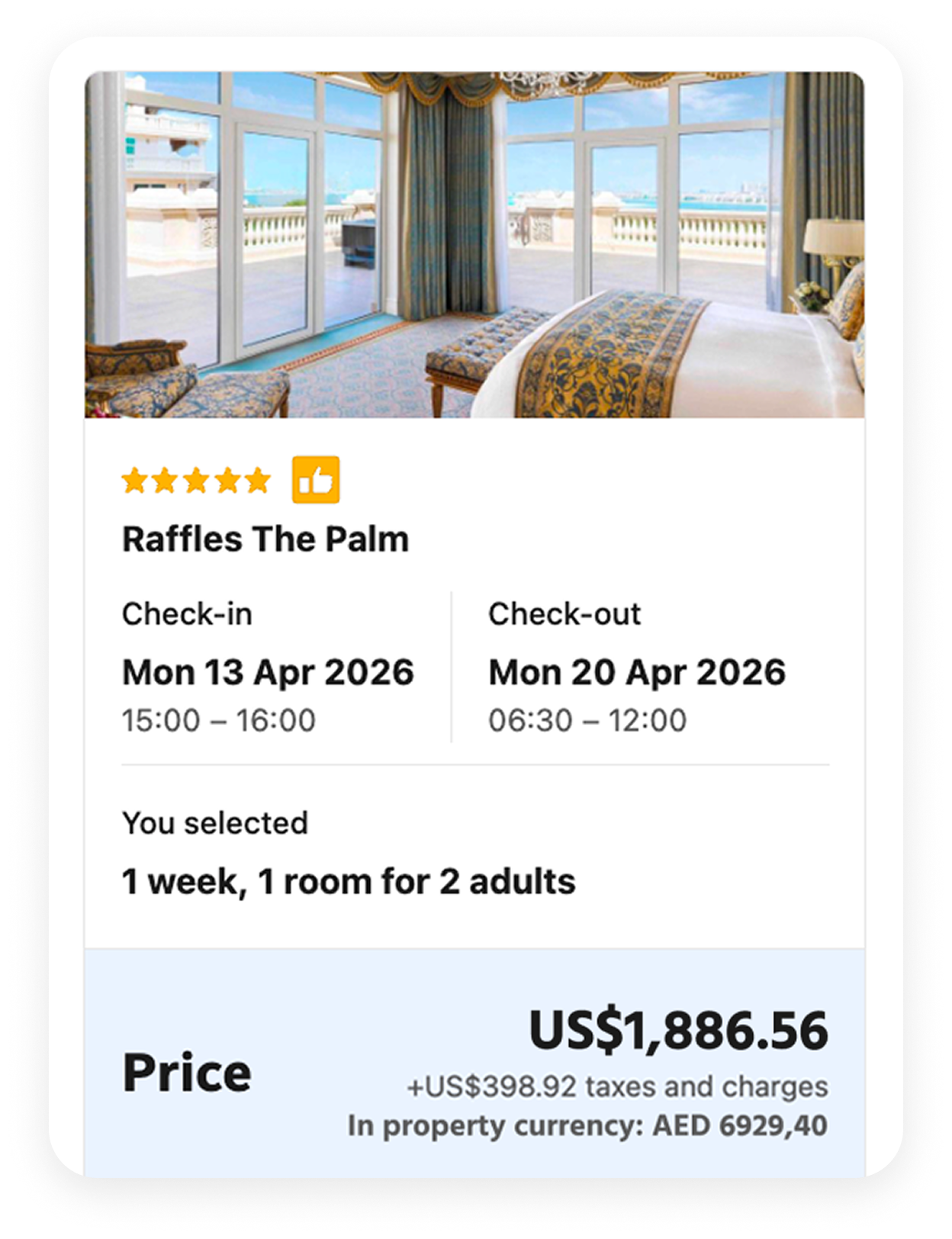
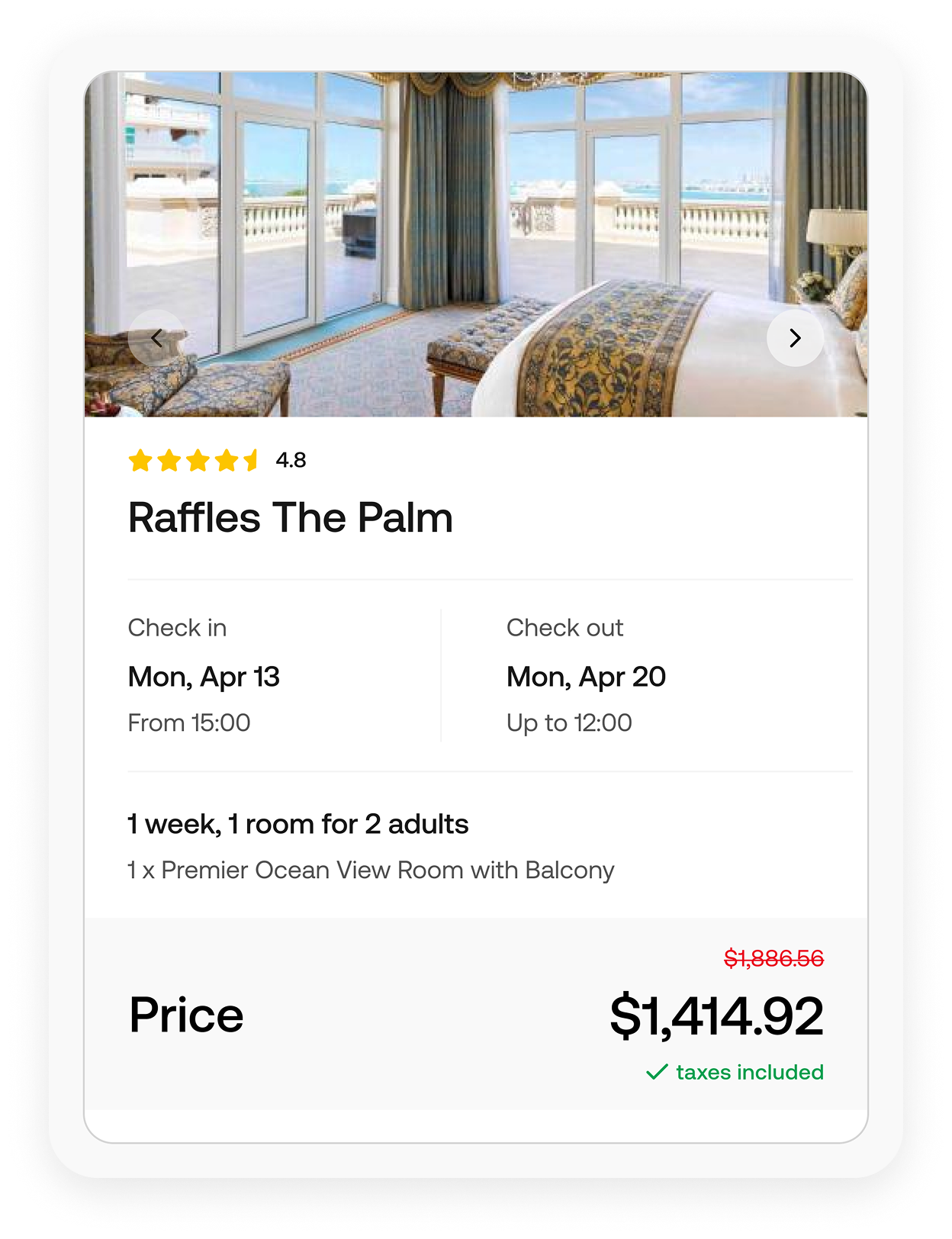
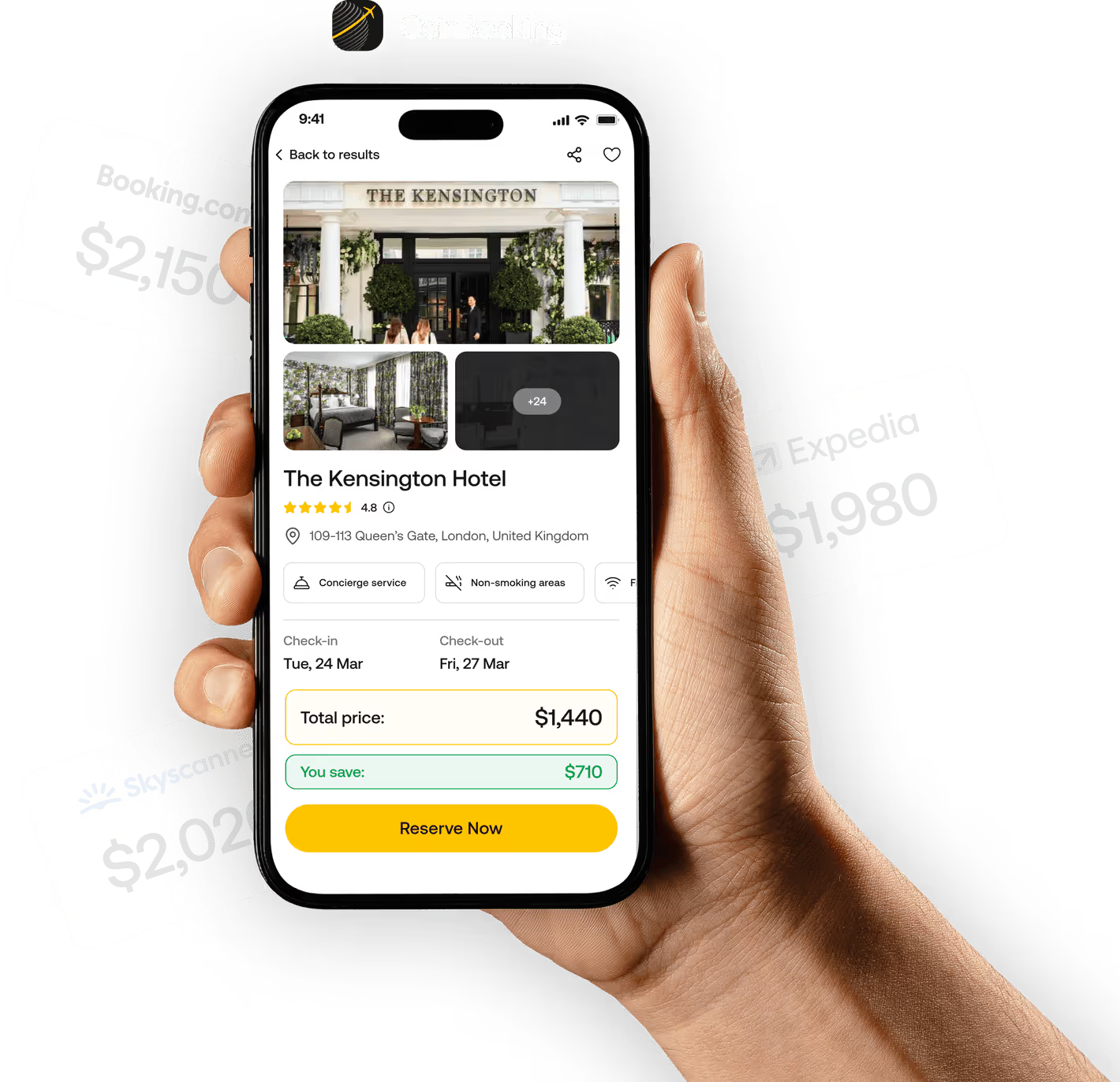
CoinBooking offers rates up to 30% below Booking.com and Expedia for the same dates and properties, covering over one million hotels across 190+ countries and flights on major carriers including Turkish Airlines, Emirates, and Qatar Airways. Checkout accepts Bitcoin, USDT, or any of 100+ other cryptocurrencies.


A flight and three nights in Dubai booked here versus Expedia is not a marginal difference. At 30% off which Coinbooking can give you, that gap becomes an extra night, a seat upgrade, or money that simply stays in your wallet.
Just $870 Cheaper.

%201.png)
your first booking.
First-time users get $25 off their first booking.
Heading to Egypt? Here is how crypto travellers spend Bitcoin and USDT there.
2. Use a Crypto Debit Card for Everyday Spending
Turkey's BDDK prohibition applies to merchants accepting crypto at the till. A crypto debit card operates differently: it converts BTC or USDT to Turkish lira at the moment of payment, so the merchant receives a standard Visa transaction and the prohibition is never triggered.
Oobit is the confirmed option that works for Turkish users. The card runs on Visa rails, is backed by Tether, and works at any terminal that accepts contactless payment across Turkey and internationally. You connect a self-custody wallet, complete KYC, and the virtual card is active the same day with Apple Pay and Google Pay support.
For Turkish USDT holders who keep savings in dollar-pegged stablecoins to avoid lira depreciation, this card is the most direct bridge between a USDT balance and everyday purchases across Istanbul, Ankara, Izmir, or anywhere Visa is accepted globally.
3. Buy Gift Cards and Mobile Top-ups via Bitrefill
Turkey's three main mobile carriers, Turkcell, Vodafone Turkey, and Turk Telekom, are all available for prepaid top-up via Bitrefill in BTC or USDT. No exchange, no bank account, no lira conversion needed.
The bigger use case is international platforms. Turkish bank cards fail on Steam, PlayStation Store, Google Play, Netflix, and Xbox regularly because of currency restrictions and regional billing settings. Buying a gift card in USDT sidesteps this completely: you pay in crypto, receive a code, and redeem it directly on the platform without any card involved. Verify current carrier availability for mobile top-ups before relying on this route.
4. Send and Receive via USDT P2P
Turkey's P2P crypto market expanded sharply after the BDDK payment ban. With direct merchant acceptance off the table, wallet-to-wallet USDT transfers became the practical way to settle payments between individuals, pay contractors, and move dollar-denominated value without going near a bank.
BtcTurk and Paribu are the two primary licensed domestic routes for USDT-to-TRY P2P conversion. Both support Turkey's FAST instant payment system, so TRY settles directly into a bank account within minutes. Binance P2P is also widely used, though verifies current SPK licensing status before relying on it as a primary route.
5. Shop on Trendyol or Hepsiburada
Trendyol and Hepsiburada are Turkey's two dominant e-commerce platforms, covering electronics, fashion, groceries, household goods, beauty products, and much more. Trendyol reported net sales of $4.25 billion in 2023, making it one of the largest e-commerce platforms in Europe. Neither takes crypto at checkout, but the conversion path is fast.
Sell BTC or USDT on BtcTurk or Paribu, receive TRY to your bank account or Papara digital wallet, and pay by card or via Papara at checkout. Papara is Turkey's dominant digital wallet for freelancers and remote workers, and the default payout method for Fiverr and Upwork users in Turkey. It bridges crypto conversion directly to e-commerce checkout cleanly and fast.
6. Pay Utility Bills and Subscriptions
Turkey's major banks, Garanti BBVA, Ziraat, Akbank, and Yapi Kredi, all handle bill payments within their mobile apps, covering electricity, gas, internet, and water. Once BTC or USDT is converted to TRY via BtcTurk and withdrawn via FAST, the conversion chain from crypto to a paid utility bill takes under ten minutes.
For Turkish holders using USDT as a savings vehicle, this is the most practical conversion use case: convert what you need for monthly expenses, keep the rest in USDT as a dollar hedge against further lira depreciation.
7. Order Food via Yemeksepeti or Getir
Yemeksepeti is Turkey's leading food delivery platform, owned by Delivery Hero. Getir is the dominant quick-commerce operator across Turkish cities. Both work the same way from a crypto perspective: you need either a Visa card funded from USDT or a Papara wallet loaded from a TRY conversion.
Load the Oobit card with USDT and use it at Yemeksepeti or Getir checkout. For anyone already working with TRY, Papara connects directly to both platforms and takes under a minute to top up from a BtcTurk conversion.
8. Send Money to and from the Turkish Diaspora
Turkey's diaspora in Europe is one of the largest in the world, with over 3 million Turkish nationals in Germany alone, plus significant communities in the Netherlands, France, Belgium, Austria, the United Kingdom, and Sweden.
The Germany-Turkey corridor is where USDT remittances offer the clearest practical advantage. A family member in Berlin buys USDT on a licensed European exchange, transfers it directly to a wallet in Turkey, and the recipient converts to TRY via BtcTurk using FAST to any Turkish bank account. The transfer completes in under 30 minutes, at a fraction of the cost of a bank wire or traditional remittance service.
The cost difference is real. A standard bank wire from Germany to Turkey costs between 15 and 30 euros in fixed fees plus a margin on the exchange rate. A USDT transfer costs a few cents in network fees and settles in minutes. The recipient in Turkey converts at a market rate via BtcTurk rather than a bank's proprietary rate, which adds up significantly over regular transfers.
Sending money to Turkey from Austria? Here's how your recipient can spend BTC and there.
9. Pay Freelancers and Remote Service Providers
Turkey consistently ranks among the top five countries globally for active Upwork and Fiverr users. A substantial portion of this workforce earns in USD and holds USDT as their primary store of value between projects.
For international clients paying Turkish contractors, USDT removes two friction points at once: the bank wire fee and the lira conversion timing problem. A Turkish freelancer who receives payment on Monday and converts on Thursday, when the lira has weakened, effectively earns more in real terms than if the payment had arrived and converted in lira immediately. Papara and BtcTurk are the two platforms most commonly used for the final conversion step.
10. Buy Gold and Precious Metals
Gold is Turkey's default inflation hedge. This is not a crypto community preference, it is a mainstream cultural and financial habit deeply embedded across Turkish society. The local kuyumcu is a financial institution in all but name across most Turkish neighbourhoods.
For BTC and USDT holders, two routes exist. The first is tokenised gold: PAXG (Paxos Gold) and Kinesis allow gold exposure held in a crypto wallet without physical conversion. The second is physical gold: convert BTC or USDT to TRY via BtcTurk, withdraw to a bank account, and purchase from a local kuyumcu or a bank gold account.
11. Pay for Online Courses and Professional Tools
Turkey's remote workforce is growing fast. Platforms like Coursera, Udemy and Adobe Creative Cloud are central to how Turkish professionals upskill and deliver work internationally, yet all are priced in USD and Turkish bank cards frequently fail at checkout.
Papara's virtual card solves this without touching crypto at all: convert BTC or USDT on BtcTurk, load Papara, and the virtual card works on any international USD-priced platform. For those who prefer to avoid the conversion step, the Oobit card draws directly from a USDT balance at the moment of purchase. Either way, the card decline problem that Turkish freelancers encounter on international platforms disappears entirely.
12. Gaming Credits and Streaming Subscriptions
Turkey's gaming market is one of the largest in Europe by active users, and the problem Turkish gamers know well is that local bank cards are regularly blocked on international gaming storefronts. Steam, PlayStation Store, and Xbox all apply regional restrictions that cause Turkish cards to fail at checkout.
Buying a Steam Wallet code or PlayStation Network credit via Bitrefill in USDT bypasses the billing system entirely. The code has no region tied to the card that bought it. For streaming, the same applies: a Netflix or Spotify gift card purchased in BTC requires no Turkish bank card and no billing address.
For monthly subscriptions, the Oobit card handles renewal automatically. Turkish bank cards often get declined on the second billing cycle due to regional restrictions, which the Oobit card avoids entirely.
Frequently Asked Questions
1. Is Bitcoin legal in Turkey in 2025?
Yes. Buying, selling, and holding crypto is fully legal in Turkey. Law No. 7518 (July 2024) established Turkey's first formal crypto licensing regime under the Capital Markets Board. What remains prohibited is using crypto directly as a payment instrument for domestic transactions, under a central bank rule in place since April 2021. Holding BTC or USDT, trading on licensed exchanges, and converting to lira are all legal and well-supported by local infrastructure.
2. What did Turkey's 2024 crypto law change?
Law No. 7518 created the first legal framework for crypto asset service providers in Turkey. Exchanges must obtain a license from the SPK, comply with AML and KYC rules, meet minimum capital requirements of TRY 100 million for platform services, and segregate customer assets. In March 2025, SPK published additional communiques setting detailed licensing conditions. Full licensing is expected by June 2026. The law also helped Turkey work toward exiting the FATF grey list of countries with insufficient anti-money laundering controls.
3. How do I convert Bitcoin to Turkish lira?
BtcTurk is the largest fully licensed domestic exchange with deep TRY liquidity. Paribu is the second major option. Both require completed KYC before withdrawal and connect to Turkey's FAST payment system, so converted lira reaches any Turkish bank account in under two minutes. No specific crypto capital gains tax law is in force yet. A 10% withholding tax on profits from licensed platforms was proposed by the government in March 2026 and is awaiting parliamentary approval.
4. Can I use a crypto debit card in Turkey?
Yes. The BDDK ban applies to merchants, not to cards. When Oobit converts USDT to lira at the point of sale, the merchant processes a standard Visa transaction and the prohibition is never triggered. Oobit is Tether-backed, accepted at over 150 million Visa merchants, and issues a virtual card the same day as KYC approval via Sumsub. For a Turkish holder running a USDT savings balance against lira depreciation, this card means that balance is spendable anywhere in Turkey or abroad without a prior exchange visit.
5. Can I book hotels and flights with Bitcoin from Turkey?
Yes. CoinBooking lists the same properties at up to 30% less than Booking.com or Expedia and accepts Bitcoin, USDT, and 100+ other cryptocurrencies for hotel and flight bookings across 180+ countries and over a million properties, including luxury brands like Four Seasons and Mandarin Oriental. Early users receive $25 off their first booking.
6. Do I pay tax on Bitcoin in Turkey?
As of early 2026, Turkey has no specific crypto capital gains tax law in effect. Profits from crypto are theoretically taxable under general income tax rules, but no dedicated reporting framework has been implemented. In March 2026, Turkey's ruling party proposed a 10% withholding tax on crypto profits from licensed platforms, with the president able to adjust the rate between 0% and 20%. This proposal is awaiting parliamentary approval. Keep records of all transactions now. For significant holdings or frequent trading activity, consult a local vergi danismani (tax advisor) before the framework is finalised.


Spending crypto is the easy part. 30% off is the good part.
Get up to 30% off all future hotels and flights.

Yaryna Dobrianska is a Dubai-based business and technology writer with a background in fintech and digital services. She covers cryptocurrency adoption, cross-border payments, and the practical realities of spending digital assets across emerging markets.
Her work at Polkastarter focuses on making Web3 accessible, breaking down how crypto moves through real-world financial systems, from payments infrastructure to on-chain adoption trends.
Your $25 is waiting. So is up to 30% off every trip you'll ever take.
.avif)
Your $25 is waiting. So is up to 30% off every trip you'll ever take.