.avif)
.png)
.avif)


Content
Top 10 Ways to Spend Bitcoin (BTC) in Colombia After Converting COP

Colombia has one of the youngest, most mobile-connected populations in Latin America, and that shows up clearly in its crypto numbers. The country ranks among the top five in the region for crypto adoption, with over $44 billion in crypto transactions recorded in the latest reporting period. Years of COP depreciation have done their part too, nudging financially aware Colombians toward assets that hold value better than the peso.
If you've been holding Bitcoin as a hedge or using it for cross-border transfers, that purchasing power is real and there are more places to spend it in Colombia than most people realize.
This guide covers 10 practical ways to spend your BTC across Colombia's most popular platforms and services.
See our full guide to spending Bitcoin in any country.
Why Bitcoin Spending in Colombia Requires Converting to COP First
Direct Bitcoin acceptance at Colombian merchants is still rare. The everyday spending layer runs on COP, Rappi deliveries, utility bills, grocery runs, domestic flights, and that's not changing anytime soon. The best path is converting through Buda.com, the longest-running regulated exchange in the country, or Binance P2P, which does heavy volume in the Colombian market. Both require KYC verification.
Once you have COP, you can send it to a Colombian bank account such as Bancolombia, or Banco de Bogotá, but for day-to-day spending, Nequi or Daviplata is the more practical move. Between the two, they cover tens of millions of Colombians and plug into virtually every major app, delivery platform, and online store in the country.
Is It Legal to Use Bitcoin in Colombia? What You Should Know First
Buying, holding, selling, and converting Bitcoin through licensed platforms is fully permitted in Colombia. There is no ban on crypto payments, and merchants are legally free to accept BTC directly if they choose.
The tax side is worth taking seriously. DIAN, Colombia's national tax authority, classifies crypto gains as capital gains, with a flat rate of 15% for assets held over two years, while shorter-term gains are taxed as ordinary income at progressive rates. If you are converting meaningful amounts, keep detailed records of every transaction, the purchase price, conversion date, and COP value at the time of sale. DIAN has been increasing its scrutiny of crypto activity in recent years, so consulting a Colombian tax professional before making large moves is worth the effort.
Three things to know before you convert:
- Use regulated platforms only. Buda.com, Binance P2P, and Panda Exchange are the established options. Licensed platforms carry consumer protections that informal alternatives don't.
- Complete KYC before you need to move funds. Every regulated exchange requires identity verification. Getting locked out mid-transaction is an entirely avoidable problem.
- Load into Nequi or Daviplata, not just a bank account. Both wallets plug directly into Colombia's major apps and payment networks. A bank account alone misses a significant chunk of the everyday spending layer.
After Converting to COP
10 Ways to Spend Bitcoin in Colombia After Converting to COP
1. Book Hotels and Flights with Bitcoin
Colombian Bitcoin holders have a problem that doesn't exist in most other markets. Your card works fine domestically, but try booking a hotel in Miami, Madrid, or Cancún and you're suddenly dealing with declined payments, unfavourable exchange rates, and full retail prices on top of it all.
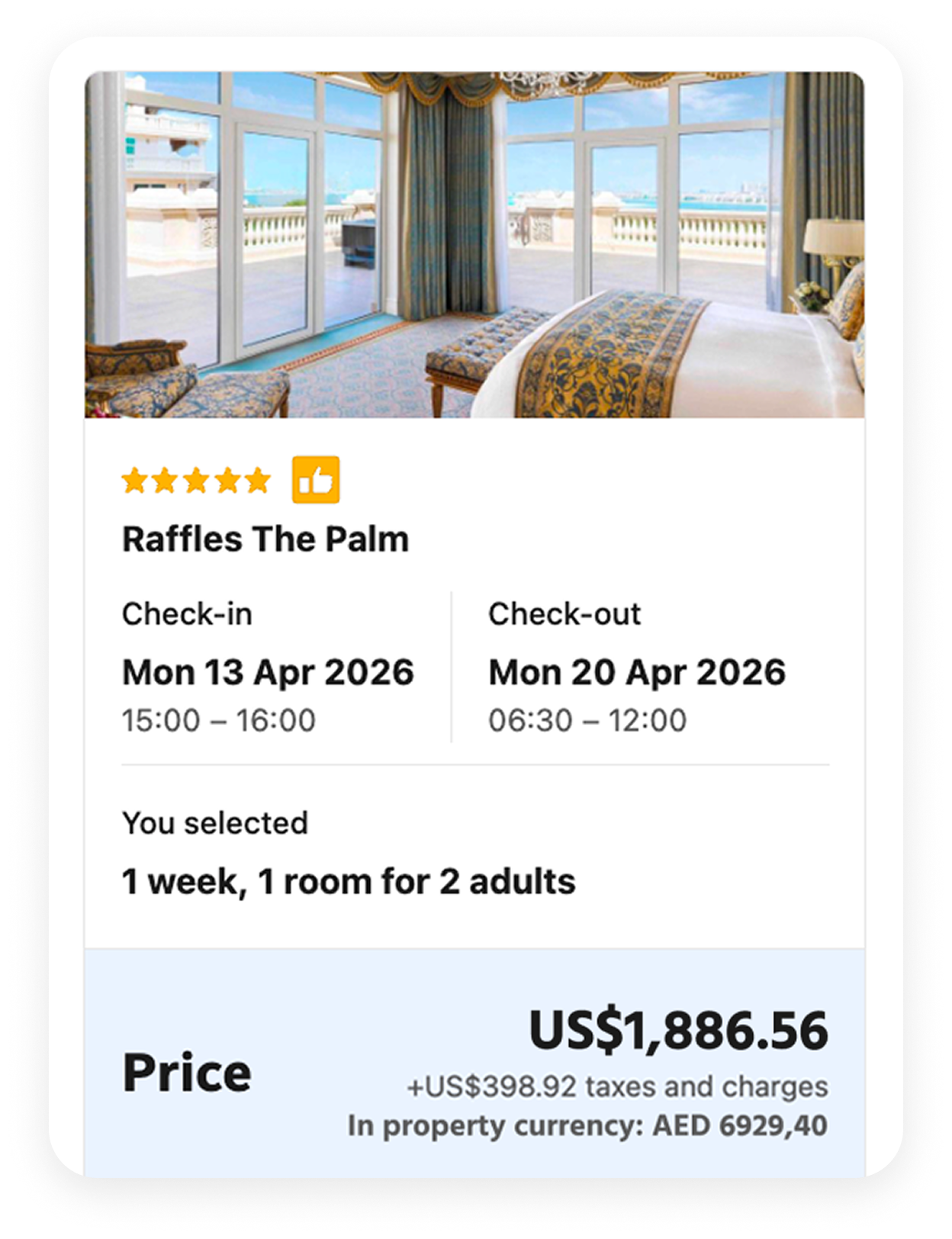
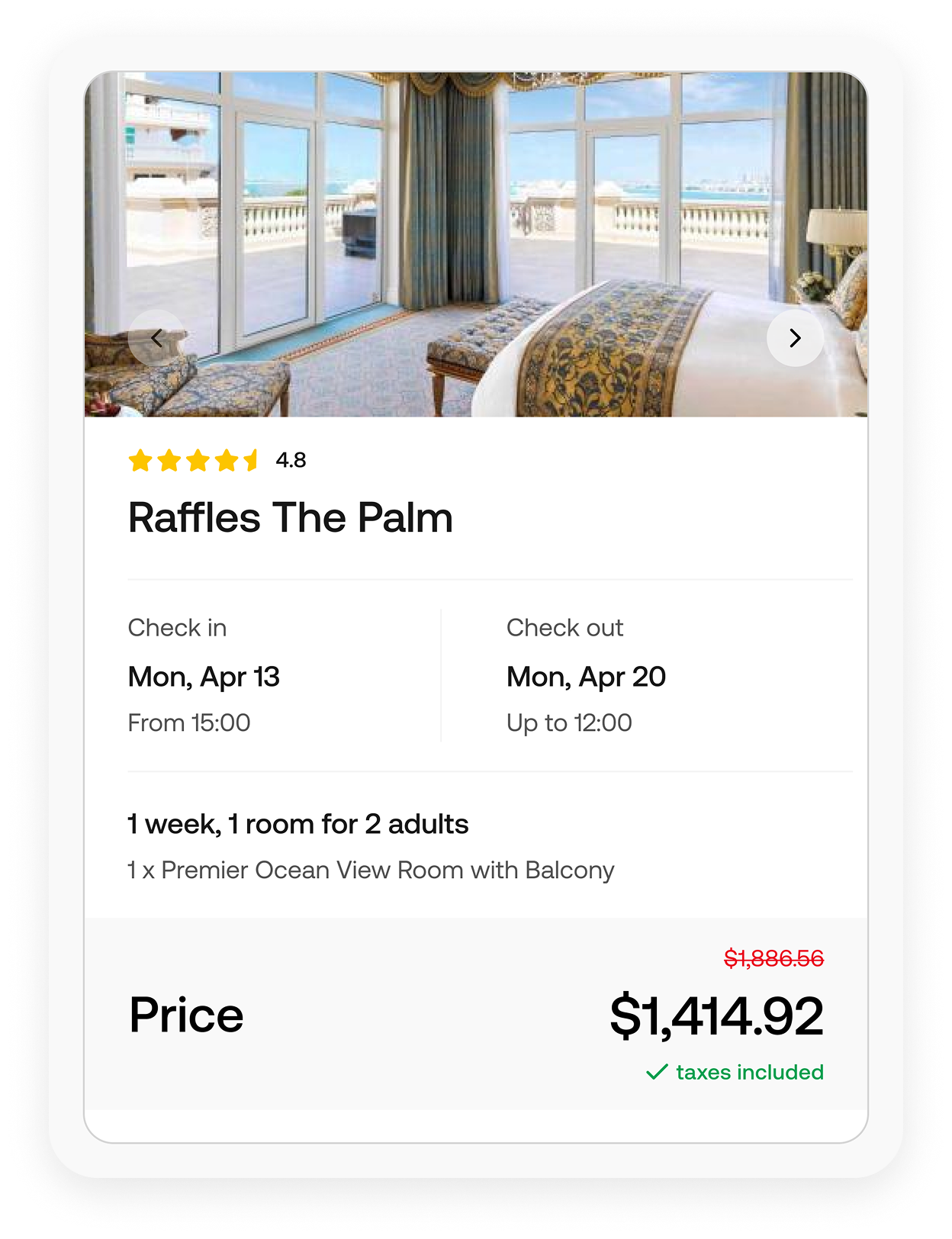
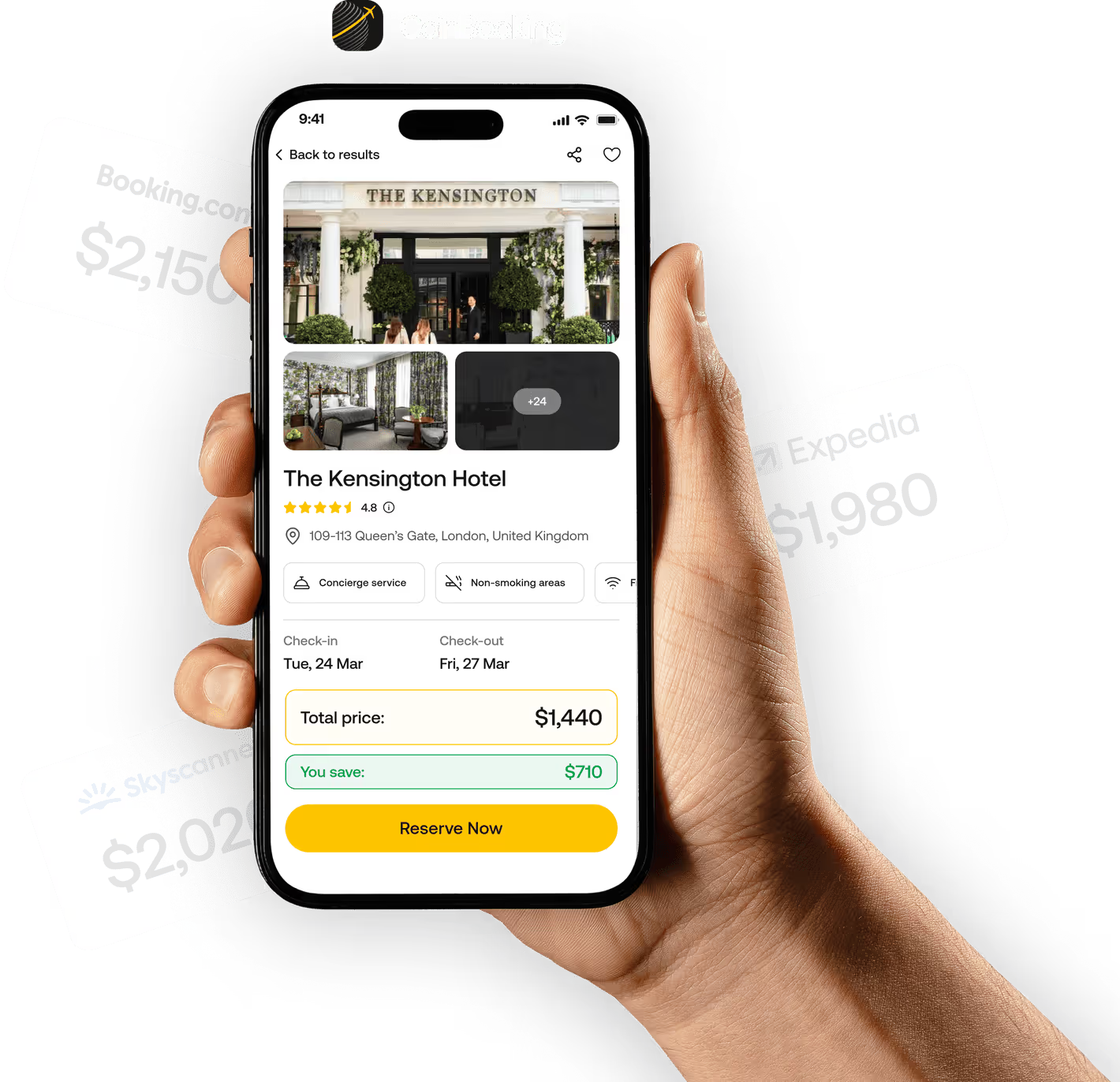
CoinBooking solves every part of that in one step. It's a Dubai-licensed travel booking platform that offers hotels and flights at up to 30% less than what Booking.com and Expedia offer. They accept Bitcoin, USDT, and 100+ other major cryptocurrencies.
.png)
.png)
A hotel in Cartagena or Bogotá listed at 800,000 COP on Booking.com typically runs around 560,000 COP through CoinBooking, and for Colombians travelling abroad, that same advantage applies to over 190 countries and over a million hotels.
Just $870 Cheaper.

%201.png)
your first booking.
Early users get $25 off their first booking.
Planning a trip to Miami? See how to spend Bitcoin in the USA.
2. Order Food, Groceries, and More via Rappi
Rappi was founded in Bogotá in 2015 and has grown into Colombia's most valuable startup and one of Latin America's most used super-apps. It covers restaurant delivery, groceries via RappiMercado, pharmacy, drinks, beauty, and on-demand errands, with a fintech arm called RappiPay rounding out the offer. Coverage in Bogotá, Medellín, Cali, and Barranquilla is dense, and delivery times under 30 minutes are common.
3. Shop on MercadoLibre or Falabella
MercadoLibre is the dominant e-commerce platform across Latin America, and Colombia is one of its core markets. The catalogue covers electronics, appliances, clothing, furniture, and much more, with MercadoPago handling the payment side. Falabella, the Chilean retail giant, is another major option, accepting payments via PSE and linked digital wallets. Convert BTC to COP, fund your Nequi wallet or Colombian bank account, and both platforms open up completely.
4. Pay Utility Bills
Colombia's utility landscape varies by city. In Bogotá, Codensa/Enel covers electricity, EAAB handles water, and Gas Natural supplies gas. In Medellín and across Antioquia, EPM handles all three. Bills are paid through PSE, Colombia's national online banking network, or directly via Nequi and Daviplata. For those without easy digital access, Efecty and Baloto are cash payment networks with thousands of physical locations across the country.
5. Top Up Mobile Credit
Claro, Movistar, and Tigo cover most of the Colombian mobile market, and topping up is one of the simplest things you can do with converted BTC. Both Nequi and Daviplata support direct carrier top-ups inside their apps, no extra fees, instantly credited.
6. Send Remittances
Remittances run in both directions in Colombia. A large diaspora in the United States and Spain sends billions home annually, and platforms like Wise, Western Union, and Remitly handle both corridors efficiently after converting BTC to COP.
The outbound flow to Venezuela is where crypto becomes genuinely critical. Colombia hosts over 2.8 million Venezuelan migrants, the largest Venezuelan population of any country in the world. Most are sending money home, and traditional channels barely work for this corridor due to the instability of the Venezuelan bolívar so P2P crypto platforms have become the default solution.
Sending money to New York? Here is how Bitcoin remittances work there.
7. Book Domestic Travel
Colombia's domestic air network is served primarily by Avianca, with tickets booked via airline apps and paid by card or PSE in COP. Long-distance buses from operators like Expreso Brasilia and Bolivariano are equally popular for connecting major cities.
For accommodation, CoinBooking lets you pay for your hotel in BTC before even buying your transport, cleanly splitting your spending across the trip without converting any COP.
8. Shop for Groceries at Éxito or Jumbo
Éxito and Jumbo are Colombia's two largest supermarket chains, both offering online shopping with home delivery via PSE or digital wallets. Once your BTC is converted into Nequi or your bank account, weekly groceries become a natural recurring spend in-store or through their delivery platforms.
9. Buy Gift Cards via Bitrefill
Bitrefill accepts Bitcoin directly and sells gift cards for hundreds of Colombian and international merchants, including Rappi, Netflix, Spotify, gaming platforms, and more, letting you spend BTC without conversion. It is one of the few options on this list that requires no bank account, no COP conversion, and no local infrastructure at all.
10. Pay for Streaming and Digital Subscriptions
Netflix, Spotify, YouTube Premium, and similar services are widely used across urban Colombia, payable via a linked Colombian debit card or Nequi after converting BTC to COP. For anyone paying multiple subscriptions monthly, converting once and covering them all in a single transaction is the most efficient approach.
Frequently Asked Questions
1. Is Bitcoin legal in Colombia?
Buying, selling, holding, and converting Bitcoin is fully permitted in Colombia on licensed platforms, with no payment ban. DIAN taxes crypto gains as capital gains, so keep records of all conversions and consult a tax professional for significant amounts.
2. Which exchange should I use to convert BTC to COP?
Buda.com is Colombia's most established regulated exchange, with Binance P2P and Panda Exchange as popular alternatives. All require KYC verification. Compare fees before committing to a platform for large conversions.
3. What is the best way to spend Bitcoin in Colombia?
Travel. CoinBooking lets you book hotels and flights worldwide directly in Bitcoin at up to 30% below the prices you'd find on Booking.com or Expedia - with no COP conversion required. For everyday local spending, converting BTC to COP via Buda.com or Binance P2P and loading into Nequi or Daviplata is the most practical and widely supported approach.
4. Can I spend Bitcoin directly in Colombia without converting?
Direct merchant acceptance is rare, but CoinBooking for hotels and flights and Bitrefill for gift cards make native BTC spending practical. Together they cover a significant portion of travel and everyday digital spending in Colombia.
5. How does the Venezuela crypto remittance corridor work?
Venezuelan migrants in Colombia use P2P crypto platforms to send Bitcoin or stablecoins to families in Venezuela, where recipients exchange to bolivars or spend via local crypto-friendly merchants. With traditional bank transfers impractical given Venezuela's banking conditions, P2P crypto has become the dominant channel for this corridor.
6. Do Colombian banks allow crypto-related transactions?
Some banks have historically flagged crypto-related transfers, so verify your bank's current policy before large conversions. Nequi and Daviplata tend to be more crypto-friendly than traditional accounts, making them the preferred spending layer for BTC holders in Colombia.


The #1 way to spend BTC and USDT on this list
Save up to 30% on hotels and flights.

Yaryna Dobrianska is a Dubai-based business and technology writer with a background in fintech and digital services. She covers cryptocurrency adoption, cross-border payments, and the practical realities of spending digital assets across emerging markets.
Her work at Polkastarter focuses on making Web3 accessible, breaking down how crypto moves through real-world financial systems, from payments infrastructure to on-chain adoption trends.
Your $25 is waiting. So is up to 30% off every trip you'll ever take.
.avif)
Your $25 is waiting. So is up to 30% off every trip you'll ever take.