.avif)
.png)
.avif)


Content
Top 10 Ways to Spend Bitcoin (BTC) in Pakistan After Converting PKR

You've got Bitcoin sitting in your wallet. Pakistan is the third largest crypto-adopting country in the world according to the 2025 Chainalysis Global Crypto Adoption Index. And yet, actually spending it feels harder than it should.
That's not your fault. Most of the country still runs on PKR, most banks are unhelpful at best about anything crypto-related, and the options that do exist aren't exactly well advertised. A lot of Pakistani holders end up just holding, not because they want to, but because figuring out where to start feels like more trouble than it's worth.
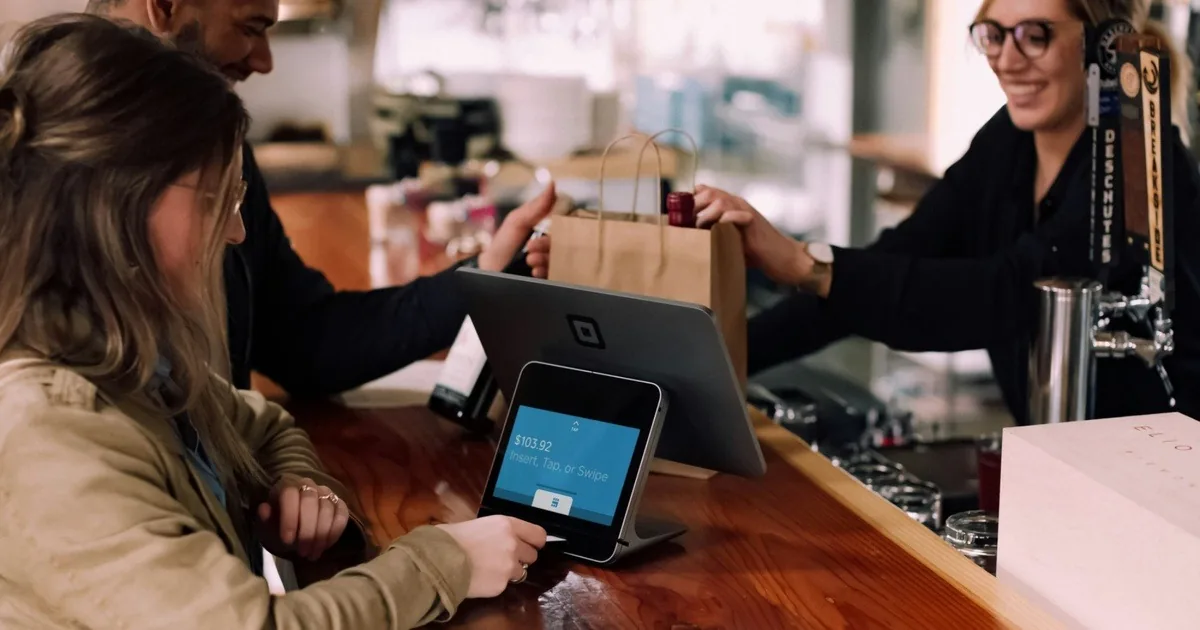
It isn't. Here are ten real ways to put your Bitcoin to work, starting with the one that gives you the most back.
See our full guide to spending Bitcoin in any country.
Why Converting to PKR Is Still Part of the Picture
Before the list, it's worth being honest about how spending Bitcoin in Pakistan actually works.
Direct merchant acceptance of crypto is still rare here. Most businesses want rupees. That means spending Bitcoin locally almost always starts with converting it first, and Binance P2P is how most people handle that. You list your BTC or USDT, a verified buyer matches with you, and PKR lands in your JazzCash, Easypaisa or bank account. The platform holds funds in escrow throughout, which is the part you should never skip, regardless of how trustworthy a counterparty seems.
One thing that catches people off guard: some Pakistani banks flag and block transactions they identify as P2P crypto activity. It doesn't happen every time, but it's common enough that many experienced holders keep a separate account specifically for P2P transactions.
For larger amounts, local OTC desks are an alternative. Rates vary more than P2P, but they handle volume that can be awkward on retail platforms.
The conversion step isn't an obstacle, it's just a reality of the current market.
Is It Legal to Use Bitcoin in Pakistan?
Pakistan's position on crypto has changed more in the last two years than in the decade before that.
Holding Bitcoin in a private wallet is legal. In July 2025, the government passed the Virtual Assets Act, creating the Pakistan Virtual Assets Regulatory Authority and marking formal regulatory oversight for the first time. That's a significant shift.
What hasn't changed: the State Bank of Pakistan doesn't recognise crypto as legal tender, and local banks are still restricted from dealing in it directly. The grey area isn't holding Bitcoin; it's moving money in and out of exchanges through the banking system.
Three things to know before you convert:
- Watch the rate. BTC and USDT/PKR rates can move quickly. If you're converting to cover a specific expense, time it. The difference between selling now and selling in a few hours can be meaningful.
- Stick to verified P2P merchants. Check completion rates, read feedback, always use platform escrow. The cautionary stories in Pakistani crypto communities almost always involve someone who settled outside the system.
- Sort your KYC before you need it. Major platforms require identity verification. Getting locked out mid-transaction is an entirely avoidable problem.
After Converting to PKR
10 Ways to Spend Bitcoin in Pakistan
1. Book Hotels and Flights with Bitcoin
If you've booked a hotel on Booking.com or Expedia in the last year, you probably paid more than you needed to.
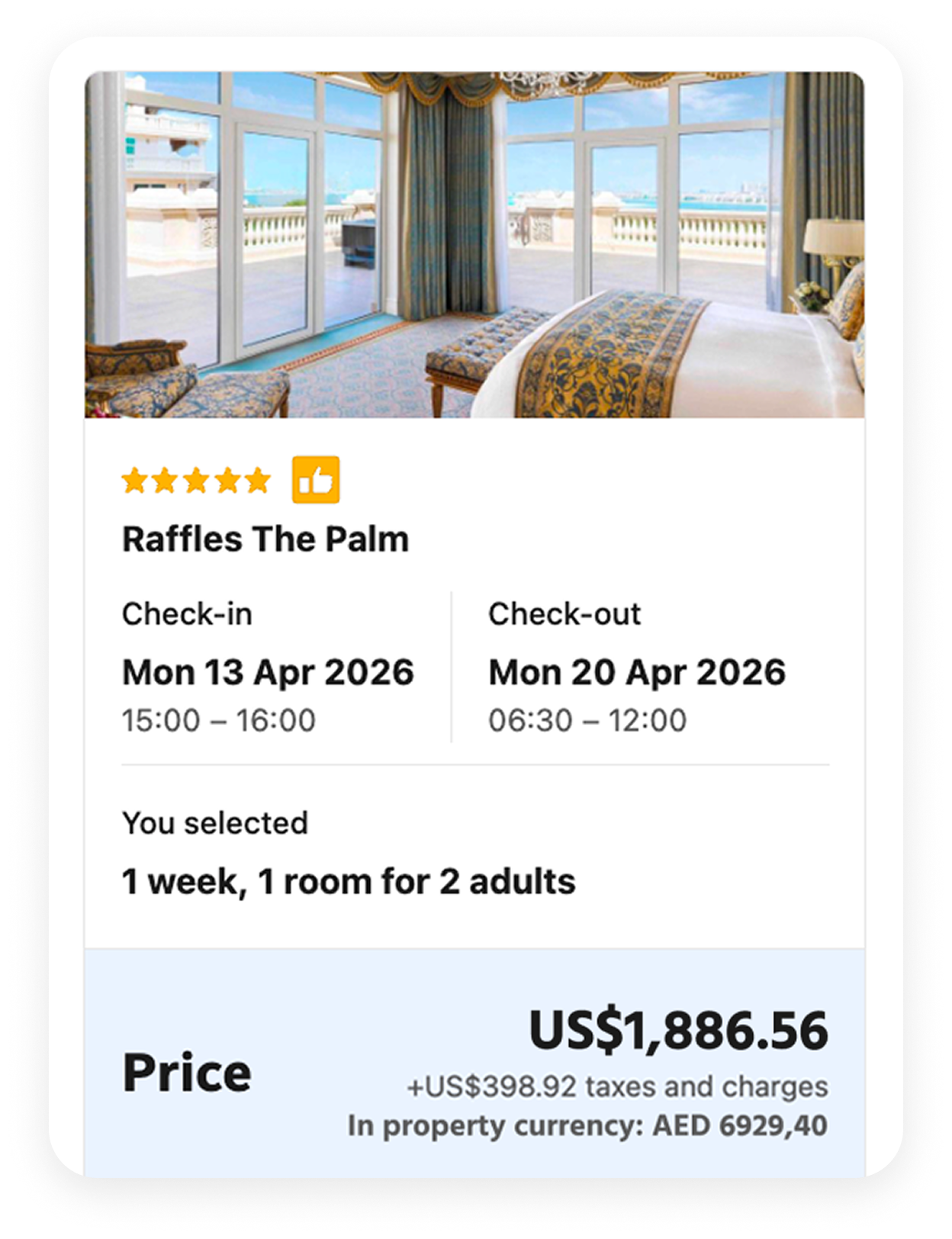
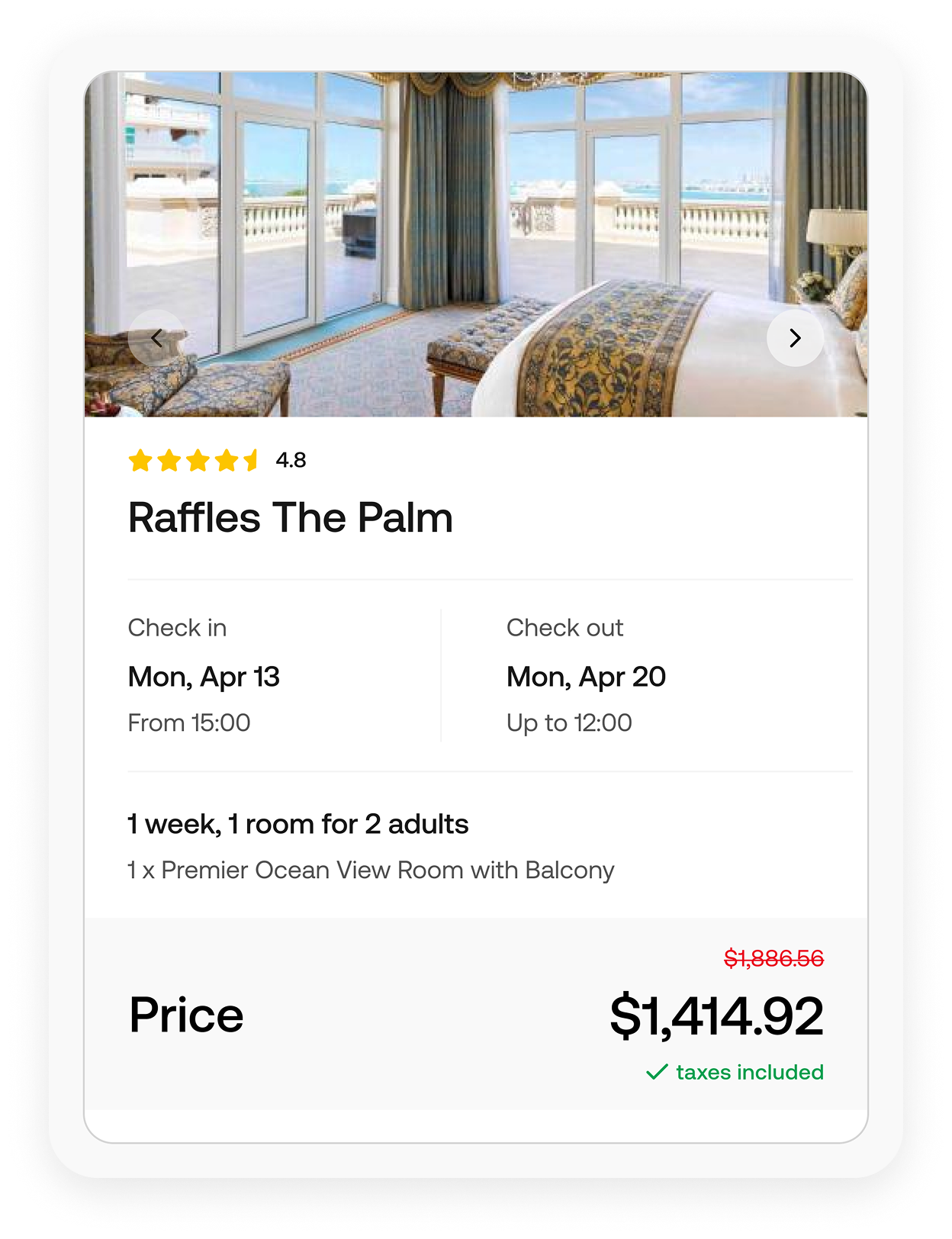
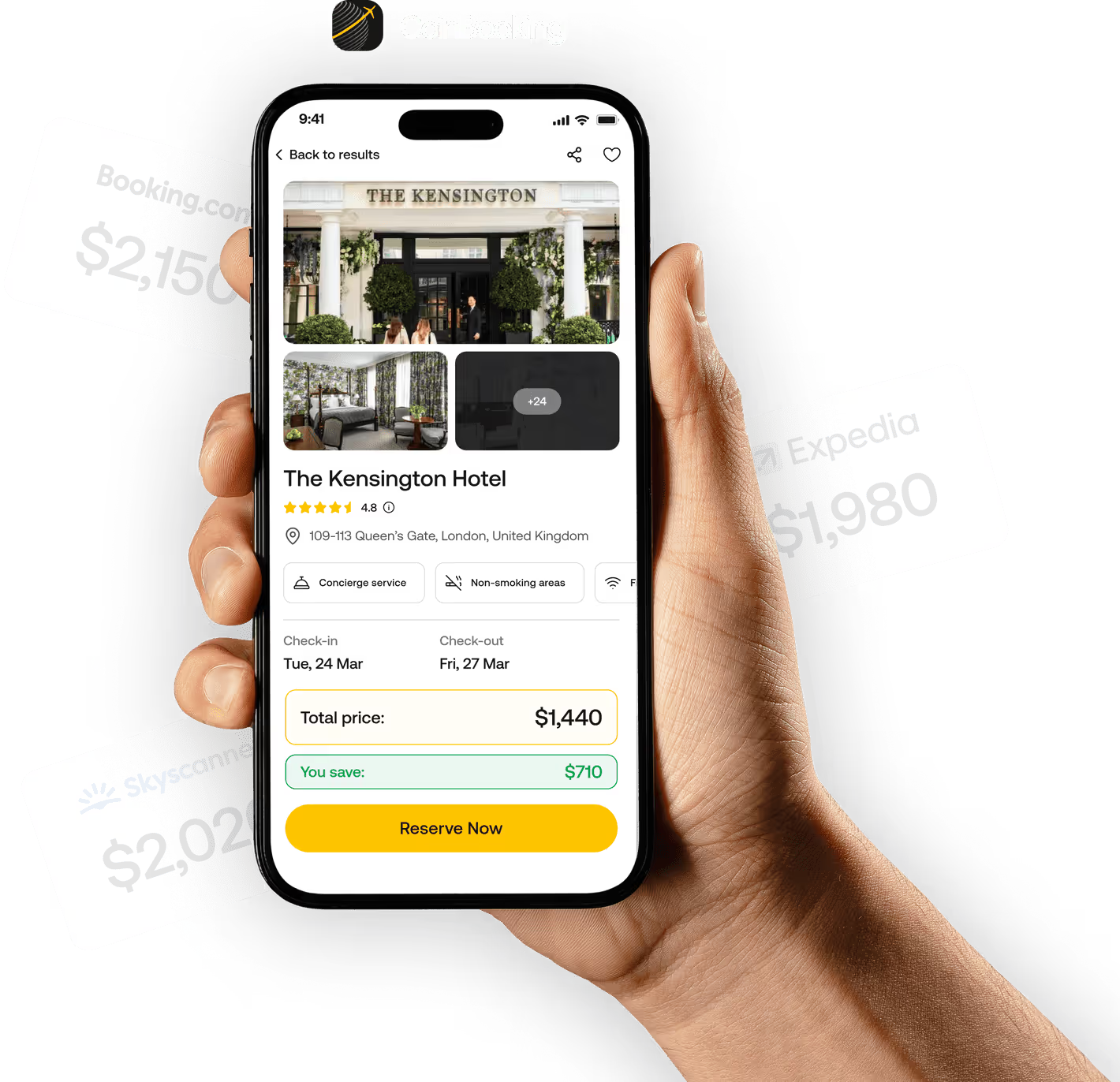
CoinBooking is a Dubai-licensed travel broker that lists the same hotels and flights at up to 30% less, and accepts Bitcoin, USDT, and 100+ other cryptocurrencies directly at checkout. No converting to PKR. No off-ramping. Search, pick your dates, pay from your wallet. Booking confirms. Done.
.png)
.png)
It covers 190+ countries and over a million hotels and flights worldwide. Most people booking travel right now still don't know it exists. Early users get $25 off their first booking ahead of launch in May.
If you travel even once a year, no other use of Bitcoin in Pakistan on this list comes close.
Just $870 Cheaper.

%201.png)
your first booking.
Planning a trip to Dubai? See how to spend Bitcoin there
2. Buy Gift Cards with Bitcoin
Gift cards solve a problem Pakistani crypto holders run into more often than they'd like: international platforms that don't accept local bank cards.
Bitrefill lets you buy gift cards for hundreds of major brands directly with BTC or USDT. Amazon, Google Play, PlayStation Network, Netflix, Uber, Steam, the catalogue is extensive. The code arrives instantly and works like any standard voucher.
This matters most for gaming and subscriptions, where Pakistani payment methods hit restrictions on international platforms regularly. VPN subscriptions are worth highlighting specifically: many providers accept Bitcoin natively, and since it's a recurring monthly cost, bypassing your bank every time adds up to a meaningful convenience.
3. Pay Freelancers and Local Service Providers
Pakistan has one of the world's largest freelance workforces, and for a significant portion of that workforce, crypto isn't an investment, it's how they get paid.
For hiring Pakistani freelancers locally, converting BTC or USDT to PKR via Binance P2P and transferring via JazzCash, Easypaisa or direct bank deposit is the standard approach. Fast, widely understood, and familiar to most local freelancers.
For international contractors, a growing number accept crypto directly. Bitcoin settles cross-border instantly with no intermediary fees, which is genuinely better than a wire transfer for amounts where fixed banking costs take a disproportionate cut.
If you're a Pakistani remote worker receiving payment in foreign currency, USDT is worth serious consideration. It protects against PKR depreciation between invoice and spending, a gap that has been meaningful at various points over the past few years.
4. Shop on Daraz
Daraz is Pakistan's dominant e-commerce platform and the most practical destination for everyday shopping once you've converted to PKR. Electronics, fashion, home goods, groceries: the catalogue covers virtually every category a local consumer needs.
The route is straightforward: sell BTC or USDT via Binance P2P, receive PKR into JazzCash or Easypaisa, and pay directly at Daraz checkout.
Timing can make a meaningful difference. Daraz runs major seasonal sales including 11.11, 12.12, and Ramadan campaigns. Converting ahead of a major sale is a simple way to get more value from the same amount of Bitcoin.
5. Top Up Mobile Credit and Data
Mobile top-ups are one of the most practical small-amount uses of Bitcoin in Pakistan, and one of the few where no conversion is required at all.
Bitrefill sells top-up credit for all major Pakistani carriers directly with BTC or USDT. Jazz, Telenor, Zong and Ufone are all covered. The credit arrives instantly, with no PKR conversion and no banking step involved.
For recurring expenses like a monthly data bundle, this is the cleanest possible use of small crypto amounts. It's also genuinely useful for sending credit to family members in other cities, particularly in areas where mobile wallet infrastructure is less established.
6. Send Money to Family and Friends
Remittances are a substantial part of Pakistan's economy, with the country consistently ranking among the world's top recipients according to the World Bank. They're also one of the clearest examples of a category where Bitcoin does something meaningfully better than the conventional alternative.
Western Union, MoneyGram, and bank wires typically charge 3 to 8% in fees on top of exchange rate markups. A well-timed USDT-to-PKR conversion through Binance P2P can cut that cost significantly, particularly for larger amounts where the percentage adds up.
For Pakistanis abroad sending money home: buy crypto locally, send to a Pakistani wallet, recipient converts to PKR on Binance P2P. Faster than a bank wire. Cheaper than most transfer services.
Use USDT rather than BTC for time-sensitive remittances. BTC price can move during the transfer window. USDT doesn't. The amount the recipient gets in PKR stays predictable.
Sending money to Indonesia? Here is how Bitcoin remittances work there.
7. Make Charitable Donations
Most people don't think about Bitcoin and charity in the same sentence. But if your BTC has appreciated, donating directly in crypto is now straightforward, and for some holders, more efficient than converting first.
The Giving Block facilitates crypto donations to hundreds of registered international nonprofits. Direct donations in BTC or USDT, no conversion required.
For local Pakistani causes, the Edhi Foundation and Pakistan Red Crescent accept conventional donations. Converting via Binance P2P takes minutes.
For holders with significant unrealised gains, donating appreciated assets rather than selling them first can have tax advantages in some jurisdictions. Pakistan's crypto tax framework is still developing, so consult a local professional if the amounts are meaningful.
8. Local Peer-to-Peer Deals
Pakistan's crypto community is active, particularly in Karachi, Lahore and Islamabad. Beyond formal exchanges, P2P activity happens through Binance P2P, local Telegram groups, WhatsApp communities and in-person arrangements.
Some holders use BTC to settle private transactions for high-value goods: electronics, vehicles, occasionally property. These carry real risks. Dispute resolution outside formal platforms is genuinely difficult. Use escrow where it exists, verify counterparties, document agreements. The cautionary stories almost always start with someone who skipped one of those steps.
9. Pay for Online Courses and Professional Tools
International learning platforms are exactly the category where Pakistani bank cards run into friction most predictably, and Bitcoin addresses it cleanly.
A growing number of platforms accept crypto directly. For those that don't, gift cards from Bitrefill cover the major ones: Udemy, Coursera, Skillshare, and more.
Freelance tools are an equally strong fit. Subscriptions to Canva Pro, Notion, Figma or project management platforms run into the same card friction as learning platforms. Bitrefill gift cards or direct crypto payment cover most of them, making it a practical solution for Pakistan's large remote workforce.
10. Shop International E-Commerce Sites
International e-commerce is one of the most practical everyday uses of Bitcoin in Pakistan, particularly for tech, where prices on Amazon international are often 20 to 40% below what the same products cost locally in Pakistan.
Gift cards from Bitrefill are the cleanest route. An Amazon gift card bought with BTC gives you access to the full international catalogue, not the restricted local marketplace, but the full global one. Electronics, software, tech, books, at international prices.
The convert-and-spend route works for broader international retail. Convert to PKR, use a Visa or Mastercard debit card, and shop anywhere that accepts standard card payments.
Frequently Asked Questions
1. What is the best way to spend Bitcoin in Pakistan?
Travel. CoinBooking gives you direct access to hotel and flight rates up to 30% below what you'd find on Booking.com or Expedia, paid in BTC and 100+ other supported cryptocurrencies. For everyday local spending, converting via Binance P2P to PKR remains the standard first step.
2. Do shops in Pakistan accept Bitcoin directly?
Not directly. Most merchants still require PKR, so a conversion step via Binance P2P is usually needed for local spending. The main exceptions are travel platforms like CoinBooking and gift card platforms like Bitrefill, which accept BTC and USDT natively without involving a bank.
3. How do I convert Bitcoin to PKR in Pakistan?
Binance P2P is the most widely used method. List your BTC or USDT, a verified buyer matches with you, and PKR goes directly to your bank account, JazzCash, or Easypaisa. Always use the platform's built-in escrow, settling outside it is where things go wrong. For larger amounts, local OTC desks are an alternative, though rates vary more than P2P.
4. Why do some Pakistani banks block P2P crypto transactions?
Some banks flag and block transactions associated with P2P crypto activity. It doesn't happen every time, but it's common enough that many experienced holders keep a separate account specifically for P2P activity. Keeping records of your trades and understanding your bank's policies matters more than most people expect.
5. Is Bitcoin legal in Pakistan in 2026?
Holding Bitcoin in a private wallet is legal. Pakistan passed the Virtual Assets Act in July 2025, establishing formal regulatory oversight under the Pakistan Virtual Assets Regulatory Authority (PVARA). The State Bank of Pakistan does not recognise crypto as legal tender, and banks remain restricted from dealing in it directly.
6. Do I need to pay tax on Bitcoin in Pakistan?
Pakistan's crypto tax framework is still developing. Keep detailed records of your transactions, what you bought, when, and at what price. If you're trading actively or handling significant amounts, speak to a local tax professional before you need to rather than after.
7. Can I book flights and hotels from Pakistan using Bitcoin?
Yes. CoinBooking lets you book discounted hotels and flights globally and pay directly in Bitcoin and 100+ other supported cryptocurrencies. Early users currently get $25 off their first booking.
The #1 way to spend BTC and USDT on this list
Save up to 30% on hotels and flights.

Yaryna Dobrianska is a Dubai-based business and technology writer with a background in fintech and digital services. She covers cryptocurrency adoption, cross-border payments, and the practical realities of spending digital assets across emerging markets.
Her work at Polkastarter focuses on making Web3 accessible, breaking down how crypto moves through real-world financial systems, from payments infrastructure to on-chain adoption trends.
Your $25 is waiting. So is up to 30% off every trip you'll ever take.
.avif)
Your $25 is waiting. So is up to 30% off every trip you'll ever take.