.avif)
.png)
.avif)


Content
Top 10 Ways to Spend Bitcoin (BTC) in Russia After Converting RUB

When Russia invaded Ukraine in February 2022, the financial response was swift. Visa, Mastercard, and American Express suspended operations within weeks, cutting off international card payments overnight. Western sanctions followed, isolating Russian banks from SWIFT and freezing access to foreign payment infrastructure. The scale was staggering: the suspensions affected over 210 million cardholders in Russia overnight.
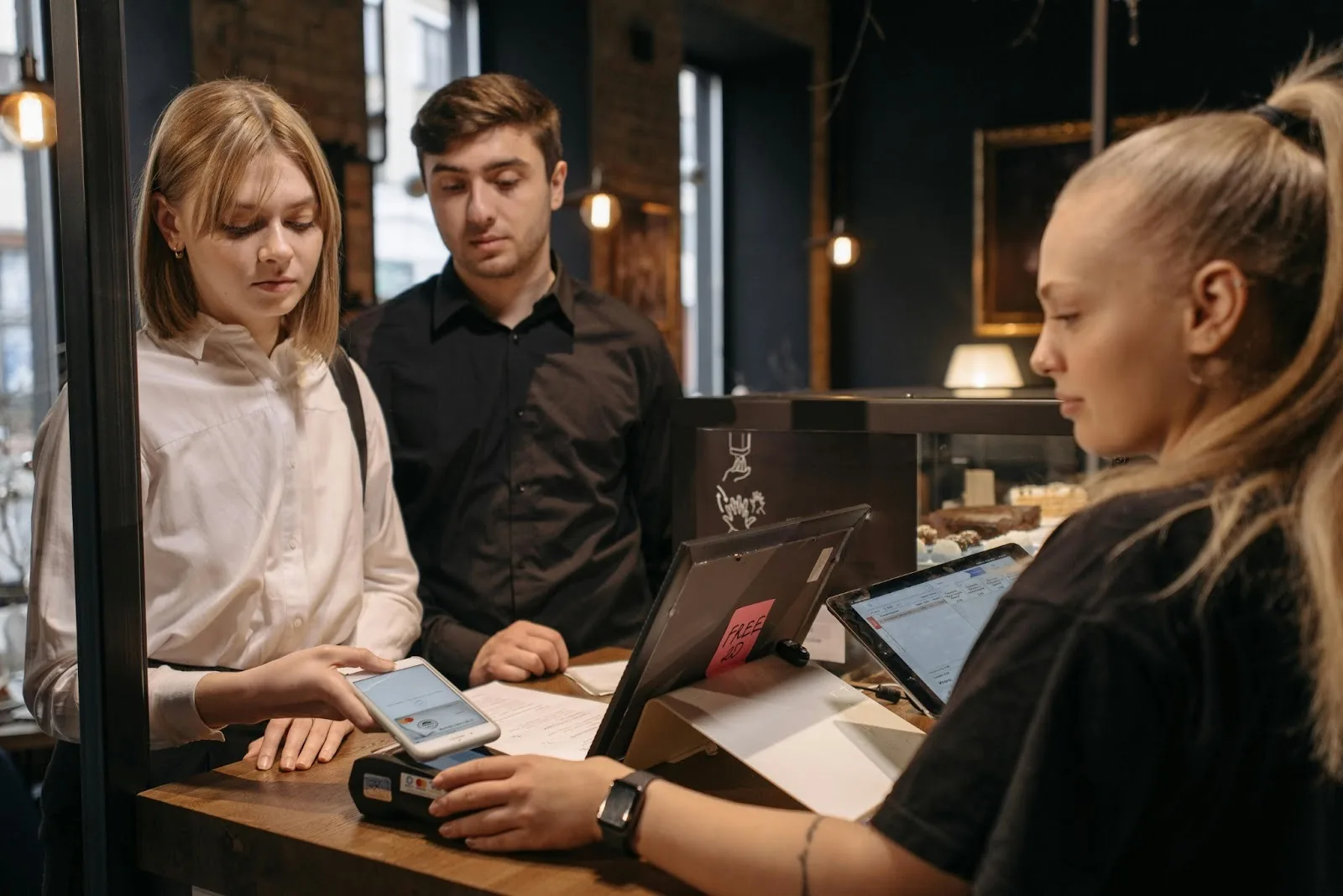
For ordinary Russians, the domestic economy kept running, but the payment layer underneath it changed permanently. That gap is where Bitcoin became practical. Convert BTC to rubles through a local exchange, and you can spend across a mature, Russian-native ecosystem without friction.
Here are 10 ways to put your Bitcoin to work in Russia, starting with one that doesn’t require conversion and gives the best return.
Ready to start spending? Our guide walks you through Bitcoin payments in every major country.
Why Bitcoin Spending in Russia Requires Converting to RUB First
Under Federal Law No. 259-FZ, Russia's Digital Financial Assets law says that direct cryptocurrency payments to merchants are prohibited. If you want to spend Bitcoin in Russia, conversion to rubles is the required legal route. There are no workarounds for domestic purchases; this is simply how the system is structured.
The Mir payment system now handles the bulk of domestic card transactions following Visa and Mastercard's departure. Once your BTC is converted to RUB and sitting in a Sberbank, T-Bank (formerly Tinkoff), or VTB account, you can tap into virtually the entire domestic economy through those banks' apps and linked Mir cards.
The conversion landscape shifted significantly when Binance exited Russia in late 2023. The main routes currently used by Russian residents include Bybit P2P, OTC desks, and Telegram-based P2P channels. The space moves quickly, so verify current platform availability and terms before transacting. When converting, factor in spread and fees across platforms to get the best effective rate on your BTC to RUB exchange.
Is It Legal to Use Bitcoin in Russia? What You Should Know First
Bitcoin can be held, traded, and mined freely in Russia, and the mining side of things is even backed by proper regulation. Where things get complicated is payments. Using crypto to buy something from a merchant inside the country is off the table, full stop.
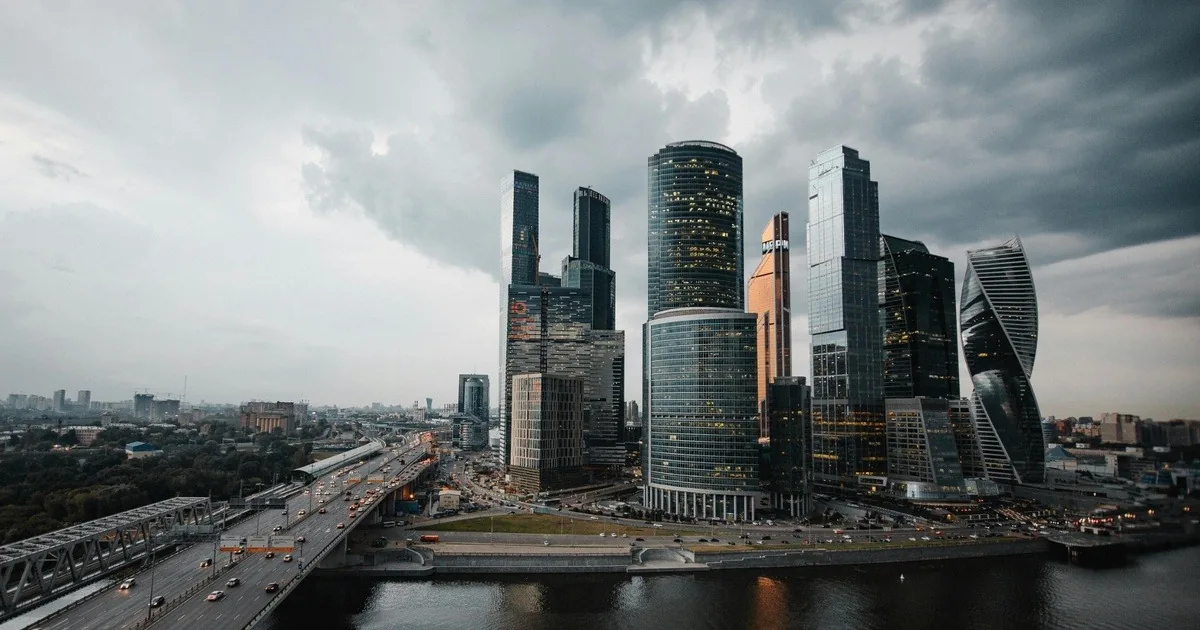
That said, 2024 was not without progress. Russia quietly allowed crypto to be used in international trade settlements, which opened real options for businesses working across borders. Everyday domestic shopping is a different story. You still have to convert to rubles before spending. No exceptions. The legal landscape moves fast, so checking where things stand before making any moves is always a smart call.
Three things to know before you convert:
- Stick to currently operational platforms. Following Binance's exit, the landscape shifts regularly. Bybit P2P and established OTC desks are the most reliable options right now. Verify before transacting.
- Factor in the full cost of conversion. Spread, fees, and timing all affect your effective rate. On larger amounts, the difference between platforms adds up.
- Do your KYC early. Major platforms require identity verification. Getting locked out mid-transaction is an entirely avoidable problem.
After Converting to RUB
10 Ways to Spend Bitcoin in Russia After Converting RUB
1. Book Hotels and Flights with Bitcoin
CoinBooking is the only option on this list that completely bypasses the Russian banking system. You can pay in crypto, book your hotel, and avoid the complications of navigating the current Russian financial infrastructure.
.png)
.png)
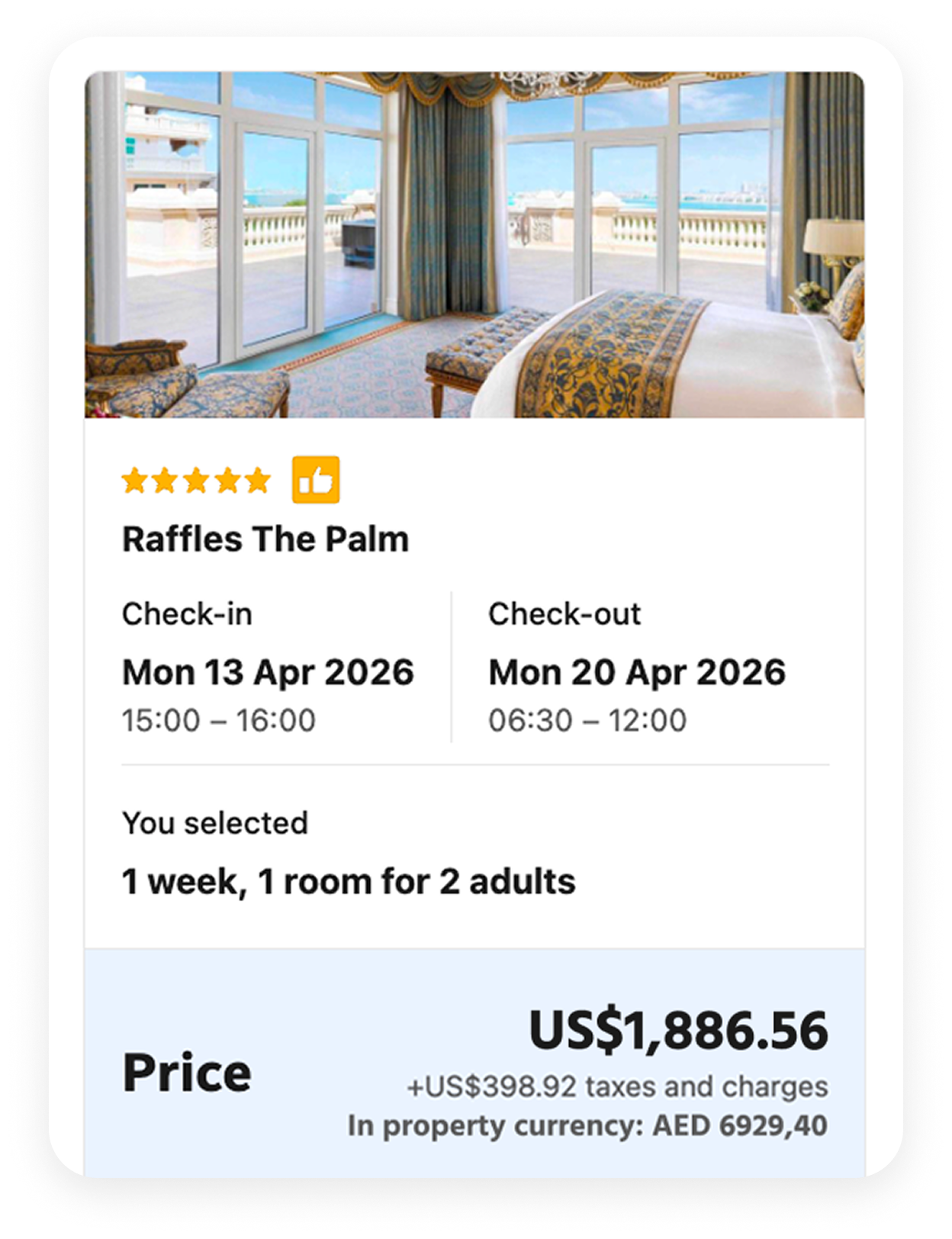
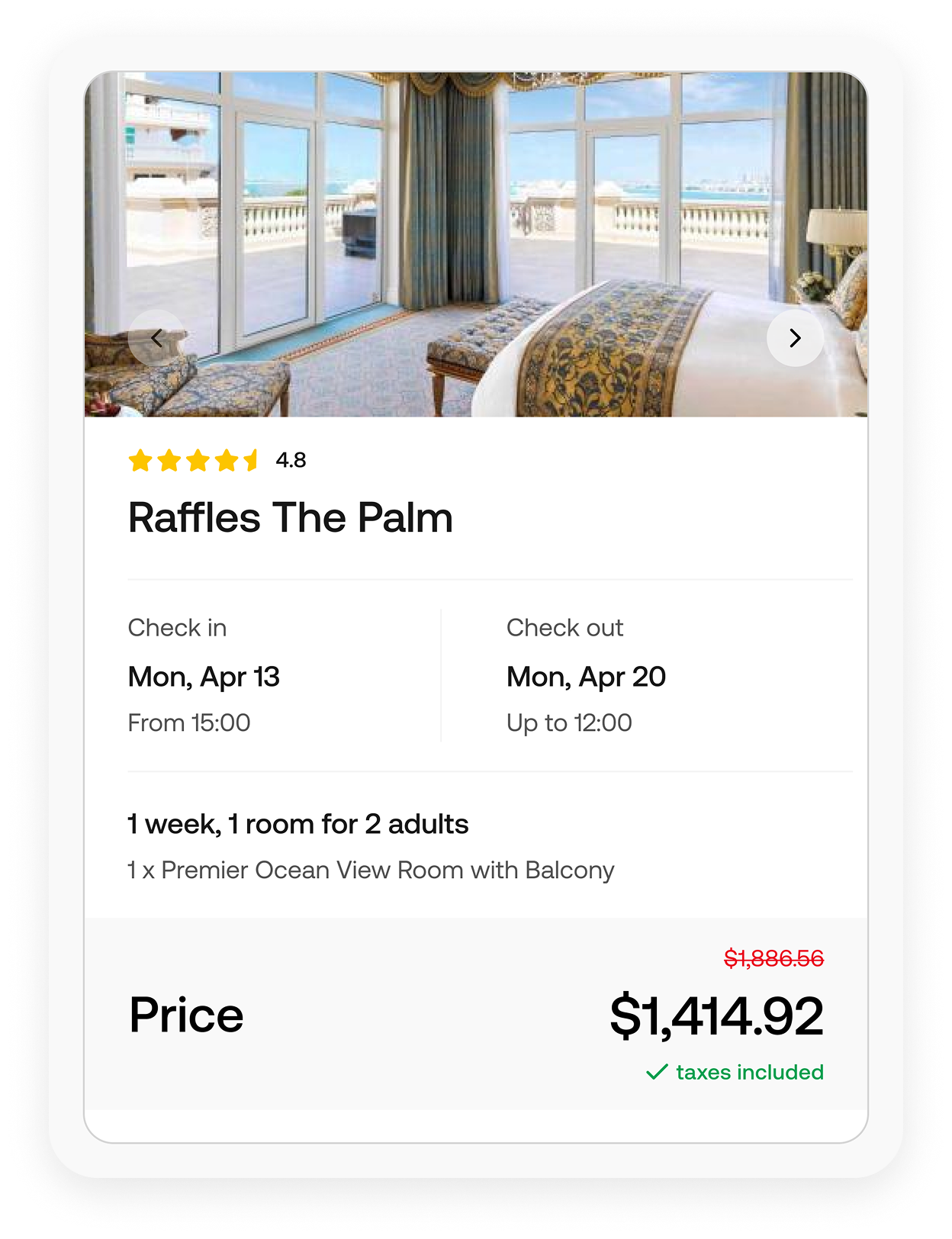
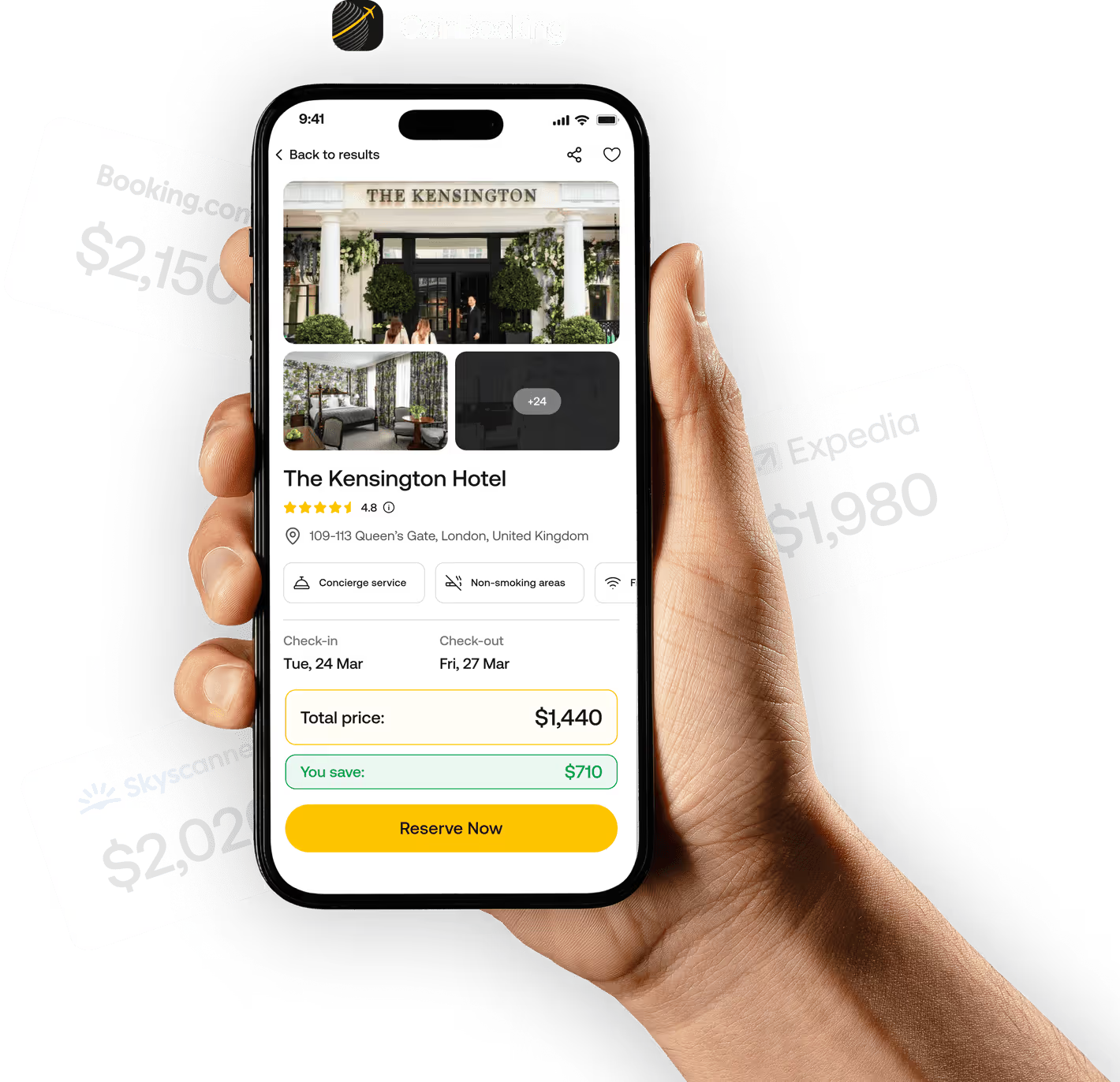
It’s a Dubai-licensed travel platform with the same flights and hotels as Booking.com and Expedia except with rates at up to 30% less. You can pay directly in Bitcoin, USDT, or 100+ other cryptocurrencies with no conversion hassle. Their inventory includes more than a million hotels and flights across 190+ countries so any trip you’ve been planning is most likely covered. New users also receive $25 off their first booking.
Just $870 Cheaper.

%201.png)
your first booking.
Planning a trip to Dubai? See how to spend Bitcoin in the UAE.
2. Shop on Wildberries or Ozon
When it comes to online shopping in Russia, most people end up on either Wildberries or Ozon. Between the two of them they cover just about everything: clothing, electronics, home goods, books, cosmetics, groceries, and a lot more. Delivery is fast across major cities and the seller base on both platforms is huge.
Once your BTC is converted and sitting in a T-Bank or Sberbank account, paying on either platform is straightforward. Mir cards work, SBP transfers work, and both apps have their own built-in payment options. However much you are spending and whatever you are buying, these two platforms handle it without any friction.
3. Use Yandex Taxi, Yandex Food, and Yandex Market
Yandex is a platform, which most people in Russian cities use at least one of its services daily: a taxi here, a food order there, or something from the market. The Plus subscription ties it all together so your cashback builds across everything you spend on.
Convert BTC to rubles, top up your Yandex account, and the money is ready to use straight away. Same apps, same routine. The Plus subscription is worth setting up if you haven't already. The cashback accumulates faster than most people expect across regular use.
4. Pay Housing and Utility Bills
ZhKKh is the system that covers all housing and communal services in Russia. Every month that means electricity, gas, hot and cold water, heating and building maintenance, and for most households those bills add up to a meaningful chunk of monthly expenses.
Paying them is simple once your BTC is converted and sitting in a Russian bank account. You open Sberbank Online, T-Bank or a regional portal like Gosuslugi, pull up the bill, enter the details and confirm.
For anyone holding Bitcoin as a savings tool, using converted rubles to cover ZhKKh is about as practical as it gets since you are turning crypto into a direct offset against one of your biggest fixed costs every single month.
5. Buy Electronics at DNS or M.Video
For electronics, most people in Russia end up at either DNS or M.Video. DNS is the go-to for PC components, peripherals and anything tech-focused at a competitive price. M.Video casts a wider net across consumer electronics and home appliances generally.
Both stores accept Mir card payments and SBP transfers, so once your Bitcoin is converted there is nothing complicated about the actual purchase. If you are in the market for a new laptop, phone, TV or a household appliance, buying domestically through either of these is far less hassle than trying to push through a transaction on a foreign platform with a Russian card that may or may not work.
6. Send Money to Family and Friends Abroad
Since Visa and Mastercard departed and many Russian banks lost SWIFT access, conventional international bank transfers have become difficult or unavailable for most residents. Crypto-to-P2P has become one of the primary practical solutions for sending money across borders.
Russian residents use P2P channels to send funds to family members in EU countries, and across CIS destinations including Kazakhstan, Armenia, and Georgia. The typical flow: sell BTC via P2P to a counterparty who pays the recipient in their local currency, or use a P2P platform that supports cross-border corridors.
Research currently operational and legally accessible P2P corridors for your specific destination before transacting. Do not use platforms designated as sanctioned by OFAC or the EU.
7. Pay for Streaming and Entertainment
Most of the big Western streaming platforms have either left Russia or made themselves difficult to access. What has filled that space is actually pretty solid. Kinopoisk, which runs under the Yandex umbrella and comes bundled with Yandex Plus, has built up a serious library of Russian and international films, series and originals. Okko and IVI round things out with their own content and subscription options.
All three work fine with domestic Mir linked bank cards, so paying for any of them after converting BTC to rubles is no different from any other subscription. A handful of international services are still reachable depending on how you pay, but that is worth checking case by case rather than assuming.
8. Buy Gaming Credits and Digital Subscriptions
Gaming has kept going in Russia despite the payment restrictions, largely because the community figured out workable solutions pretty quickly. Gift cards and digital codes bought through domestic retailers cover most of what people need, and Telegram based resellers have filled in the gaps for platforms that pull direct payment options.
DNS and Wildberries both carry digital codes and gift cards for a range of platforms, so the process is straightforward once your Bitcoin is converted. You buy the code the same way you would buy anything else, with a Mir linked card or SBP transfer, and top up whatever account or wallet you need from there.
9. Shop for Groceries at Magnit or Pyaterochka
Magnit and Pyaterochka are everywhere in Russia, from city centres to smaller regional towns, and between the two of them, most people have one within walking distance. Both have added online delivery and click and collect over the past few years, and payment with a Mir linked card works across all of it.
For something as regular as groceries, converting a portion of your Bitcoin on a recurring basis makes a lot of sense. You pick a moment when the rate looks reasonable, convert what you need, and the rubles go straight toward weekly household spending. Both chains run loyalty programs as well, so the more consistently you shop the more bonuses you accumulate on top.
10. Book Domestic Travel
RZhD covers the rail network and for flights you have Aeroflot, S7 and the budget option Pobeda. Tickets for both trains and flights book easily through the respective apps and websites, and Mir linked cards work across all of them once your BTC is converted.
Hotels are where CoinBooking comes in handy again. Rather than converting extra Bitcoin just to cover accommodation, you can book directly in BTC and keep more of your holdings until you actually need them. Find your destination, confirm the booking and pay in BTC. Pair that with a Mir linked card for train tickets and spending on the ground and domestic travel becomes pretty straightforward to manage as a Bitcoin holder.
Frequently Asked Questions
1. Is it legal to hold and use Bitcoin in Russia?
Yes, holding, trading and mining Bitcoin in Russia is legal under Federal Law No. 259-FZ. Direct payments to merchants in crypto are not permitted though, so for anything domestic you still need to convert to rubles first. 2024 brought one notable change, with Russia allowing crypto for international trade settlements, but that has not affected the rules around everyday spending.
2. Can I book flights and hotels with Bitcoin in Russia without converting?
Yes, CoinBooking allows you to book hotels and flights directly with Bitcoin, skipping the RUB conversion step - with rates up to 30% below Booking.com and Expedia for the same properties and dates. This is one of the few options for direct Bitcoin spending available to Russian residents, and it's particularly useful for travel bookings where domestic payment rails may not support international options.
3. How do I convert Bitcoin to rubles in Russia?
Following Binance's exit from Russia in late 2023, the main conversion routes are Bybit P2P, OTC desks, and Telegram-based P2P channels. Always verify which platforms are currently operational and accessible for Russian residents, as this landscape changes frequently. Converted funds withdraw to Sberbank, T-Bank, or VTB accounts.
4. Can I send money abroad from Russia using Bitcoin?
Yes. With conventional international transfers severely restricted since 2022, crypto-to-P2P has become one of the main practical routes for sending funds abroad. Sell BTC via P2P to a counterparty who pays the recipient in their local currency. Research currently operational corridors for your specific destination before transacting, and avoid platforms designated as sanctioned by OFAC or the EU.
5. What is the safest way to convert Bitcoin to rubles in Russia?
The safest approach is to use established platforms with escrow protection. Bybit P2P is currently the most reliable option, as its escrow system holds funds until both parties confirm the transaction. OTC desks are an alternative for larger amounts, though rates vary more. Avoid informal Telegram channels without escrow, and always complete KYC verification on your chosen platform before initiating any conversion.
6. Can I use Bitcoin to pay for education or medical services in Russia?
Not directly. Like all domestic merchant payments, education fees and medical bills require rubles under Federal Law No. 259-FZ. However, once your BTC is converted and sitting in a Sberbank or T-Bank account, paying for private clinics, universities, or online courses is straightforward through those banks' apps or SBP transfers. Many private institutions also accept payment through Gosuslugi for added convenience.


The #1 way to spend BTC and USDT on this list
Save up to 30% on hotels and flights.

Yaryna Dobrianska is a Dubai-based business and technology writer with a background in fintech and digital services. She covers cryptocurrency adoption, cross-border payments, and the practical realities of spending digital assets across emerging markets.
Her work at Polkastarter focuses on making Web3 accessible, breaking down how crypto moves through real-world financial systems, from payments infrastructure to on-chain adoption trends.
Your $25 is waiting. So is up to 30% off every trip you'll ever take.
.avif)
Your $25 is waiting. So is up to 30% off every trip you'll ever take.