.avif)
.png)
.avif)


Content
Top 10 Ways to Spend Bitcoin (BTC) in Switzerland After Converting CHF

Switzerland is the most crypto-friendly country in Europe by almost every measure. It is home to the Ethereum Foundation, hundreds of blockchain companies concentrated in Zug's Crypto Valley, and Lugano, the only major city on the continent where residents can pay taxes directly in Bitcoin. The regulatory framework has been openly welcoming since 2016, when Zug became the first municipality in the world to accept Bitcoin for government fees.
FINMA, Switzerland's financial regulator, has set a clear regulatory standard that most of Europe has yet to match. For private holders, capital gains on Bitcoin are generally tax-free at the federal level.
For most day-to-day spending, converting BTC to CHF remains the standard route, though Switzerland makes that easier than almost anywhere else in Europe, with regulated exchanges, crypto-friendly banks, and a dense network of Bitcoin ATMs all backed by one of the world's most stable currencies.
See our full guide to spending Bitcoin in any country.
Why Bitcoin Spending in Switzerland Requires Converting to CHF First
Swiss daily life runs on Twint, card payments, and IBAN transfers. A few Lugano merchants accept Bitcoin directly, and you'll find the odd crypto-forward business elsewhere, but walk into a Migros or a Coop and you're paying in francs. Converting BTC to CHF isn't a workaround, it's just the normal path.
Bitcoin Suisse has been around longer than most. It's Swiss, it's licensed, and for residents it's usually the first stop. If you're dealing with bigger amounts, Sygnum and SEBA are proper FINMA-licensed banks that were built specifically for this. Coinbase and Kraken both work fine from a Swiss address. Get your CHF out to a Swiss IBAN at UBS, Raiffeisen, PostFinance, or something like Neon and you're done. Every platform will ask for KYC documents, so have your passport and proof of address ready before you start.
Is It Legal to Use Bitcoin in Switzerland? What You Should Know First
Using Bitcoin in Switzerland is fully legal and takes place within one of the most clearly regulated crypto environments in the world. FINMA has provided formal regulatory guidance on crypto assets since 2018 and issues licences to crypto asset service providers under its own framework. Switzerland operates outside the EU's MiCA regulation and has built its own crypto framework that, in many respects, predates and outpaces what most EU member states currently have in place.

The tax treatment is a significant differentiator, as Switzerland does not apply capital gains tax to crypto profits for private individuals. Gains from buying and selling Bitcoin are generally tax-free when the activity is treated as private wealth management rather than professional trading. Crypto held as private assets is also exempt from income tax on gains. This is one of the primary reasons Switzerland attracts crypto-holding residents from across Europe and beyond.
The line between private and professional activity is determined on a case-by-case basis by tax authorities. Verify your specific situation with a qualified Swiss tax adviser before making spending or conversion decisions.
Three things to know before you convert:
- Use FINMA-licensed platforms only. Bitcoin Suisse, Sygnum, and SEBA are the established Swiss options. Coinbase and Kraken are MiCA-licensed and work reliably from a Swiss address. Licensed platforms carry protections that unlicensed alternatives don't.
- Complete KYC before you need to move funds. Every licensed exchange requires identity verification - passport and proof of address. Getting locked out mid-transaction is an entirely avoidable problem.
- Understand the private vs professional distinction. Switzerland's tax-free treatment applies to private wealth management. Trading frequency and holding periods affect how cantonal authorities classify your activity. Know where you stand before you convert significant amounts.
After Converting to CHF
10 Ways to Spend Bitcoin in Switzerland After Converting CHF
1. Book Hotels and Flights with Bitcoin
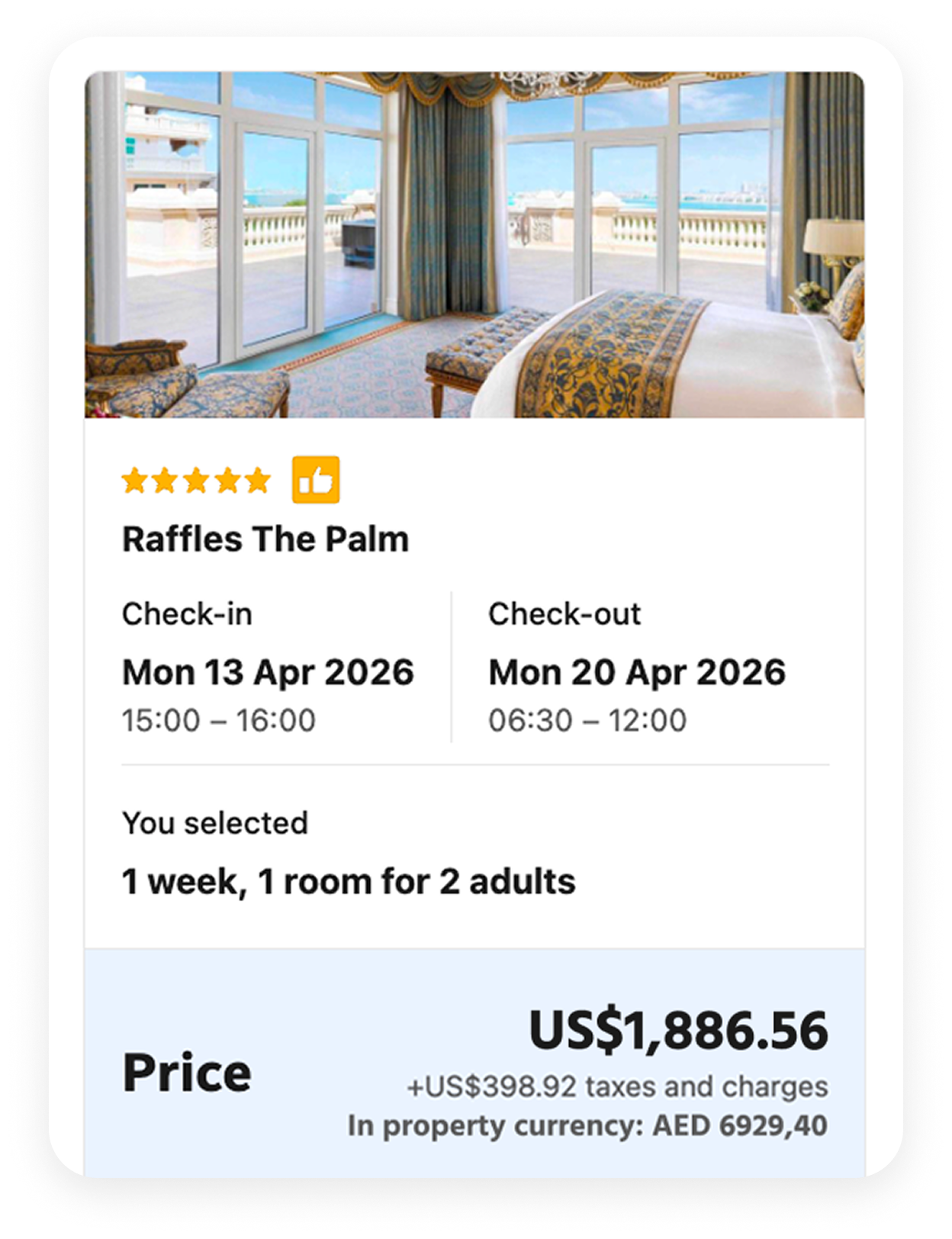
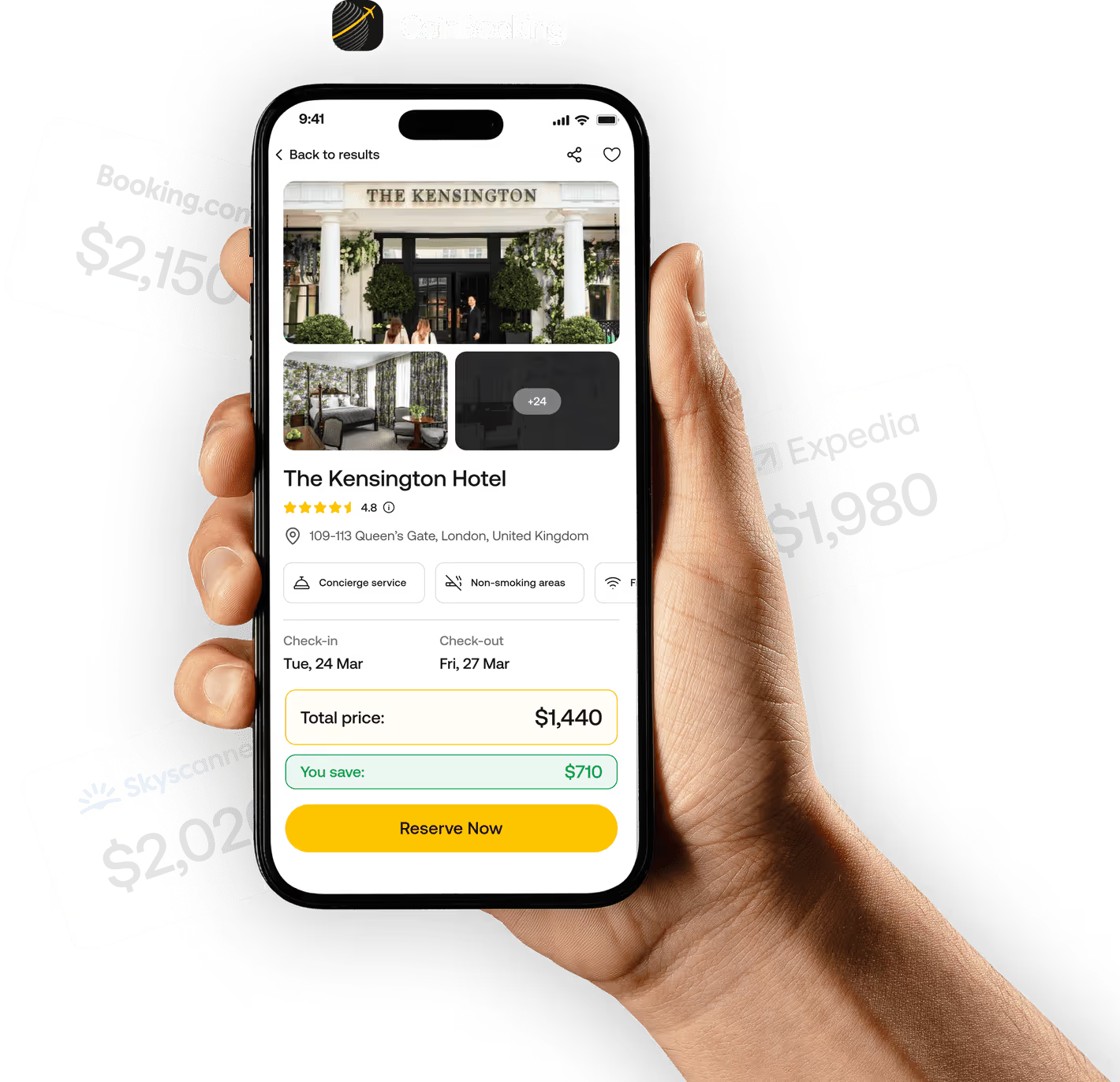
For Bitcoin holders in Switzerland, planning a trip has never been easier. CoinBooking lets you pay for hotels and flights directly with Bitcoin and USDT and is up to 30% cheaper than retail platforms like Booking.com and Expedia.
.png)
.png)
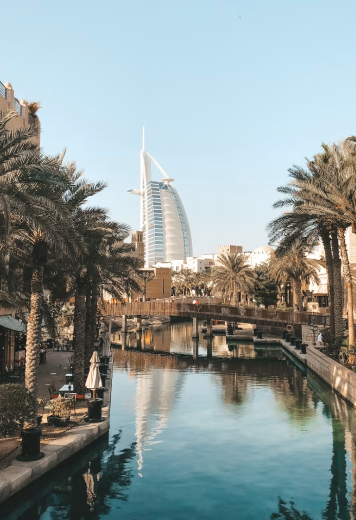
The platform offers thousands of premium hotels across more than 190 countries, along with flights from major international carriers. For Swiss travelers, it’s a convenient and cost-effective way to use Bitcoin. Whether it’s a city break in Zurich, skiing in the Swiss Alps, or a holiday in Dubai, CoinBooking makes travel effortless. Pay directly with crypto and enjoy a faster, smarter, and more affordable way to book your next adventure.
Just $870 Cheaper.

%201.png)
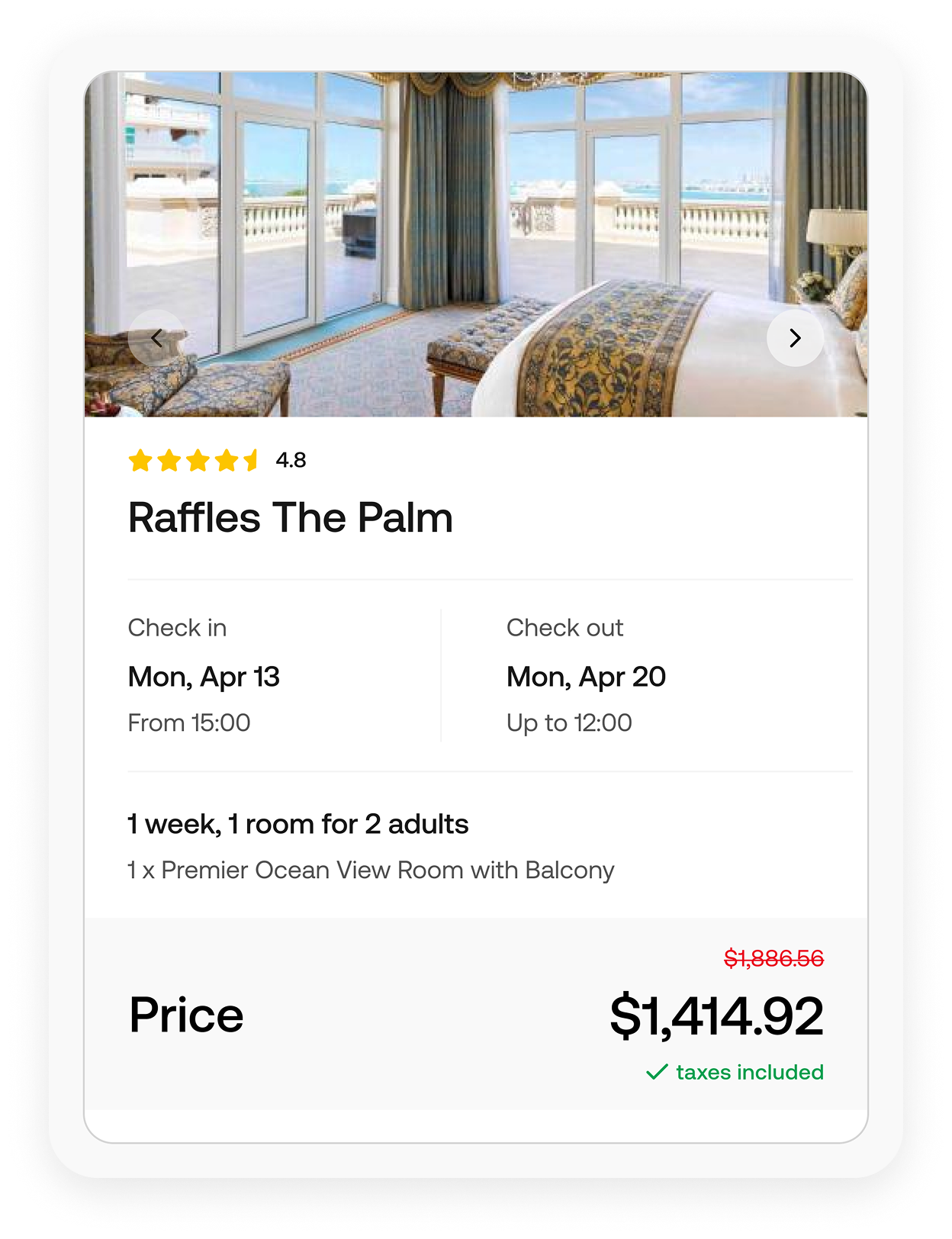
your first booking.
New users also receive $25 off their first booking.
Planning a trip to Dubai? See how to spend Bitcoin in the UAE.
2. Pay Taxes and City Services in Lugano with Bitcoin
Lugano stands in a category of its own. Since launching the Plan B initiative in 2022, the city allows residents to pay Bitcoin for taxes, parking fines, public transport, and an expanding network of local merchants. Zug has accepted Bitcoin for government fees since 2016.
Outside of these two cities, converting to CHF is still necessary, as Switzerland does not have a nationwide Bitcoin payment policy. For Lugano residents, however, a growing range of everyday expenses can be paid directly in BTC.
3. Shop on Galaxus or Ricardo.ch
Digitec Galaxus is Switzerland's largest online retailer of electronics, household goods, fashion, sports gear, pretty much everything. Think Amazon, but Swiss. Ricardo.ch is the local equivalent of eBay, where private sellers and businesses list across every category imaginable.
Neither accepts Bitcoin directly, so the flow is simple: convert to CHF, withdraw to your Swiss IBAN, and pay at checkout by card or bank transfer. Digitec in particular is a natural destination for Bitcoin holders - the electronics selection is deep, the prices are competitive, and high-value purchases make the conversion worthwhile.
4. Travel with SBB
SBB runs Switzerland's federal railway network and connects every major city in the country, with international routes into Germany, France, Italy, and Austria. Tickets are booked through the SBB app or website and paid by card or bank transfer once you've converted to CHF. SBB ticket machines let you buy Bitcoin directly with cash at over 1,000 stations across the country, but they do not accept BTC as payment for train tickets. Conversion to CHF remains the route for rail travel.
5. Pay Utility and Household Bills
Swiss utility bills, rent, and household services are paid via eBanking IBAN transfer or Twint. After converting BTC to CHF and withdrawing to your Swiss bank account, paying utilities follows the same flow as any standard Swiss resident. Swiss monthly costs are among the highest in Europe, so the CHF purchasing power released by converting Bitcoin holdings can cover substantial household expenditure.
6. Shop for Groceries at Migros or Coop
Migros and Coop are Switzerland's two dominant grocery retailers, together covering the large majority of food retail across the country through extensive supermarket, hypermarket, and online delivery networks.
The practical route is easy: convert BTC to CHF, fund a debit or credit card linked to your Swiss IBAN, and pay as normal. Both retailers operate loyalty programmes with own-brand cards that provide cashback, making card payment the standard approach for regular shoppers regardless of how the account is funded.
7. Order Food via Smood or Eat.ch
Smood and Eat.ch cover most of Switzerland between them. Smood is the go-to in French-speaking Switzerland, Geneva, Lausanne, Fribourg, while Eat.ch handles the German-speaking side, Zurich, Basel, Bern. Both work through standard card payments on their apps. Convert your BTC to CHF, load your card, and the rest is identical to any normal order.
8. Send Remittances Home
Nearly one in three people living in Switzerland was born abroad, giving the country one of the highest foreign-born population shares in Europe. German, Italian, Portuguese, Kosovar, Sri Lankan, Turkish communities are all well represented, and sending money home is a regular financial reality for a lot of them.
Converting BTC to CHF first keeps things simple. EU destinations are easy, SEPA transfers from a Swiss IBAN are fast and cost almost nothing, usually landing within a business day. For non-EU countries like Turkey, Kosovo, Sri Lanka, or North Macedonia, Wise and Remitly both do the job well, with decent rates and reliable timing.
Sending money to Istanbul? Here is how Bitcoin remittances work in Turkey.
9. Pay Telecoms Bills
Swisscom dominates Swiss telecoms, with Salt and Sunrise (which absorbed UPC) covering most of the rest. Mobile and broadband here is expensive by European standards. A standard mobile plan typically runs between CHF 50 and CHF 100 a month, and bills are paid through eBanking, Twint, or direct debit from a Swiss IBAN.
10. Pay for Streaming and Digital Subscriptions
Netflix, Spotify, Adobe, Microsoft 365, YouTube Premium are all fully available in Switzerland and priced in CHF, typically at the higher end of European rates.
Several of these platforms can be paid through crypto-linked Visa or Mastercard debit cards from providers like Crypto.com, Coinbase, or Nexo, which means you can cover subscriptions directly from your Bitcoin holdings without a separate conversion step. Or just convert to CHF and pay with a standard Swiss debit card. Both work, it comes down to whether you want price transparency in local currency or prefer to keep the flow closer to your crypto stack.
Frequently Asked Questions
1. Can I pay taxes in Bitcoin in Switzerland?
Not across Switzerland as a whole. Lugano accepts Bitcoin for municipal taxes, parking fines, and selected city services through its Plan B initiative. Zug has done the same for government administrative fees since 2016. Outside these two cities, everything is paid in CHF via standard bank transfer.
2. Do I pay capital gains tax on Bitcoin in Switzerland?
Switzerland does not apply capital gains tax to crypto profits for private individuals. If you're buying and selling Bitcoin as private wealth management rather than professional trading, gains are generally tax-free at the federal level. The line between the two is drawn case by case by cantonal tax authorities, based on factors like trading frequency and holding periods. Anyone with significant holdings should get written confirmation from a Swiss tax adviser in their canton.
3. Which Swiss exchange is best for converting BTC to CHF?
Bitcoin Suisse is the obvious starting point for most Swiss residents. It's Swiss-founded, FINMA-compliant, has been around since 2013, and withdraws directly to a Swiss IBAN in CHF. Sygnum and SEBA are the options for higher-net-worth clients who want crypto custody and proper banking in one place. Coinbase and Kraken both work fine from a Swiss address and are competitively priced. Every platform will require KYC before you can do anything.
4. Can I book hotels and flights with Bitcoin in Switzerland?
Yes, through CoinBooking. You can book hotels across Switzerland and internationally, as well as flights with major carriers, paying directly in BTC or other cryptocurrencies at up to 30% below the prices you'd find on Booking.com or Expedia. No CHF conversion required. No bank account needed. Early users get $25 off their first booking.
5. Can I use a crypto debit card in Switzerland?
Yes. Crypto-linked Visa and Mastercard debit cards from providers like Crypto.com, Coinbase Card, and Nexo Card work at any Swiss terminal that accepts those networks, which is virtually everywhere. The conversion happens at the point of sale. It's a clean way to spend Bitcoin without going through a broker first, though exchange rates and fees vary between providers and are worth checking before you commit to one.
6. Is Bitcoin widely accepted by merchants in Switzerland?
Direct merchant acceptance remains limited outside of specific crypto-friendly areas like Zug and Lugano. Most Swiss businesses still price and settle in CHF, so converting BTC first remains the standard route for everyday spending. That said, Switzerland has more Bitcoin ATMs per capita than almost any other country, making conversion straightforward wherever you are.
The #1 way to spend BTC and USDT on this list
Save up to 30% on hotels and flights.

Yaryna Dobrianska is a Dubai-based business and technology writer with a background in fintech and digital services. She covers cryptocurrency adoption, cross-border payments, and the practical realities of spending digital assets across emerging markets.
Her work at Polkastarter focuses on making Web3 accessible, breaking down how crypto moves through real-world financial systems, from payments infrastructure to on-chain adoption trends.
Your $25 is waiting. So is up to 30% off every trip you'll ever take.
.avif)
Your $25 is waiting. So is up to 30% off every trip you'll ever take.