.avif)
.png)
.avif)


Content
Top 10 Ways to Travel With Bitcoin (BTC) in Hong Kong

Hong Kong runs on Octopus and FPS, two payment rails that cover everything from the MTR to convenience stores to wet market stalls. Both require a Hong Kong bank account, which means visitors on short trips are locked out of the payment infrastructure that locals use every day. A crypto debit card and some HKD from an ATM fill most of that gap on the ground. What it cannot fill is the accommodation cost before you arrive, and that is where booking directly in BTC matters most.
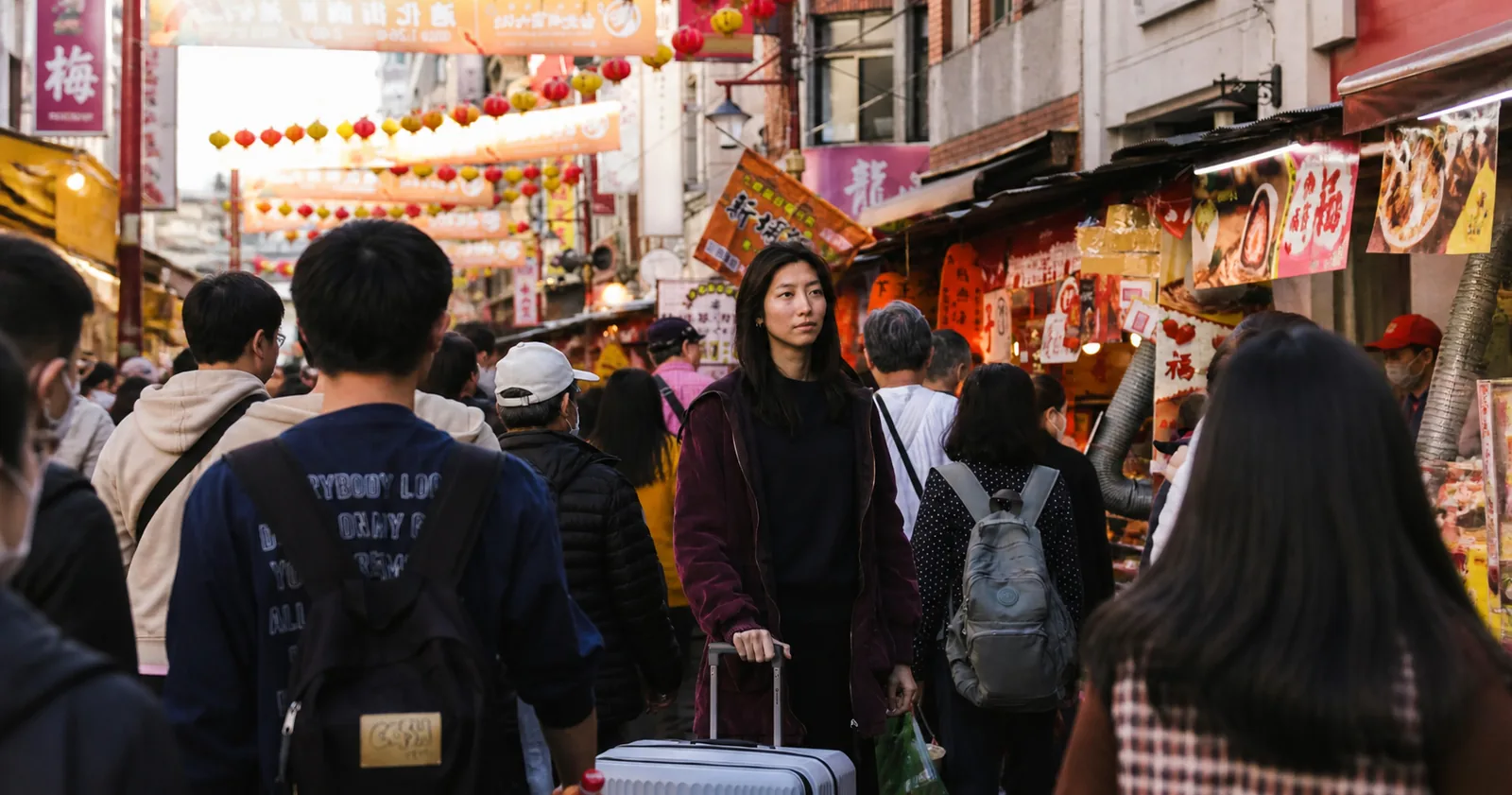
Hong Kong's crypto rules are also worth understanding briefly, particularly for mainland Chinese visitors. Hong Kong ranked as the most crypto-ready location in the world in 2025, and its regulatory framework operates entirely separately from mainland China's 2021 crypto restrictions. Holding and transacting in BTC as a visitor in Hong Kong carries no legal risk.
If Hong Kong is one stop on a wider Asia trip, our global Bitcoin travel guide covers what works destination by destination.
What Bitcoin Can Do for Travelers in Hong Kong
Hong Kong's reputation as Asia's crypto hub is built on institutional infrastructure: licensed exchanges, Bitcoin ETFs, and a clear regulatory roadmap from the SFC. For a tourist, what matters is more practical. CoinBooking covers hotels across Hong Kong Island, Kowloon, the New Territories, and Lantau, paid directly in BTC at rates up to 30% below Booking.com and Expedia. That handles accommodation before you arrive. Once you are on the ground, a crypto Visa or Mastercard debit card covers restaurants, shopping malls, and card terminals throughout the city.
Transit is covered too. Since August 2024, the MTR accepts contactless Visa and Mastercard at turnstiles on the heavy rail network, so a crypto card handles most public transport without needing an Octopus card. The Airport Express and some bus routes are not included in this scheme. Most taxis remain cash only, which is where ATM-pulled HKD fills the gap, alongside wet markets and smaller dim sum restaurants that do not take cards.
Bitrefill's Hong Kong catalog covers Uber and local food delivery options, useful for apps that require a Hong Kong payment method at checkout. For mainland Chinese visitors traveling with BTC held offshore, the full stack works without touching mainland capital flow infrastructure.
Is It Legal to Use Bitcoin While Traveling in Hong Kong? What You Should Know
Hong Kong has a clear and actively developed licensing regime for crypto. From June 2023, all crypto exchanges operating in or marketing to Hong Kong must be licensed by the Securities and Futures Commission (SFC). By 2026, more than ten exchanges have been licensed since 2020, with HashKey Exchange and OSL holding the longest operating history as retail platforms.
For tourists, this regulatory framework is background context rather than a practical constraint. There is no ban on tourists holding BTC or making payments where a merchant accepts them. The SFC's regulatory perimeter covers exchanges and asset managers, not individual travelers or their wallets. You can hold, convert, and spend BTC in Hong Kong without any legal friction.
For mainland Chinese visitors specifically: Hong Kong is legally and operationally separate from mainland China's 2021 crypto restrictions. The mainland ban on crypto trading does not extend to the HKSAR. Transacting in BTC in Hong Kong as a mainland visitor is legal under Hong Kong law.
in Hong Kong
10 Ways to Travel With Bitcoin in Hong Kong
1. Book Hotels and Flights with CoinBooking
Hotel rates in Hong Kong are among the highest in Asia, holding across every category from business hotels in Tsim Sha Tsui to mid-range options in Mong Kok.
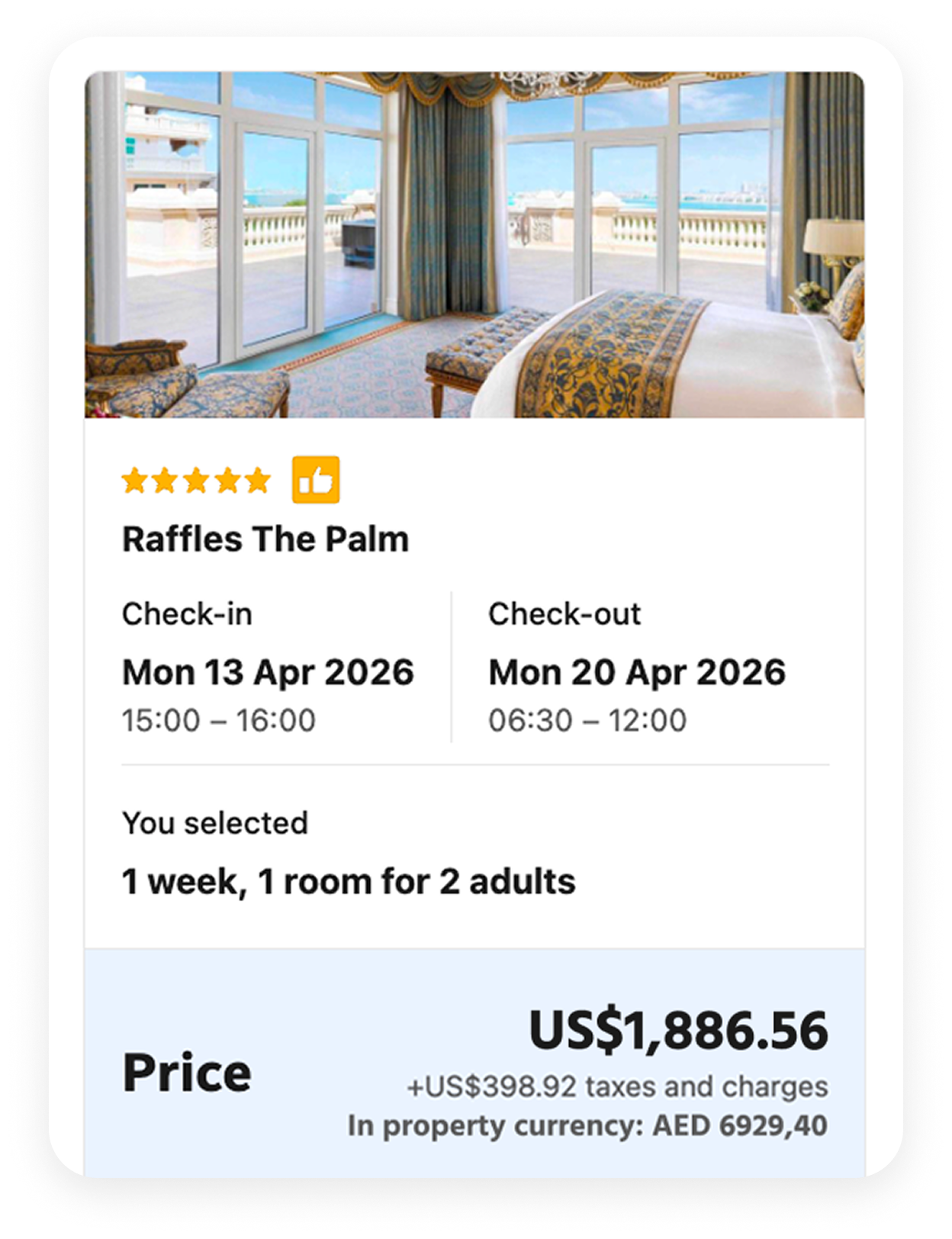
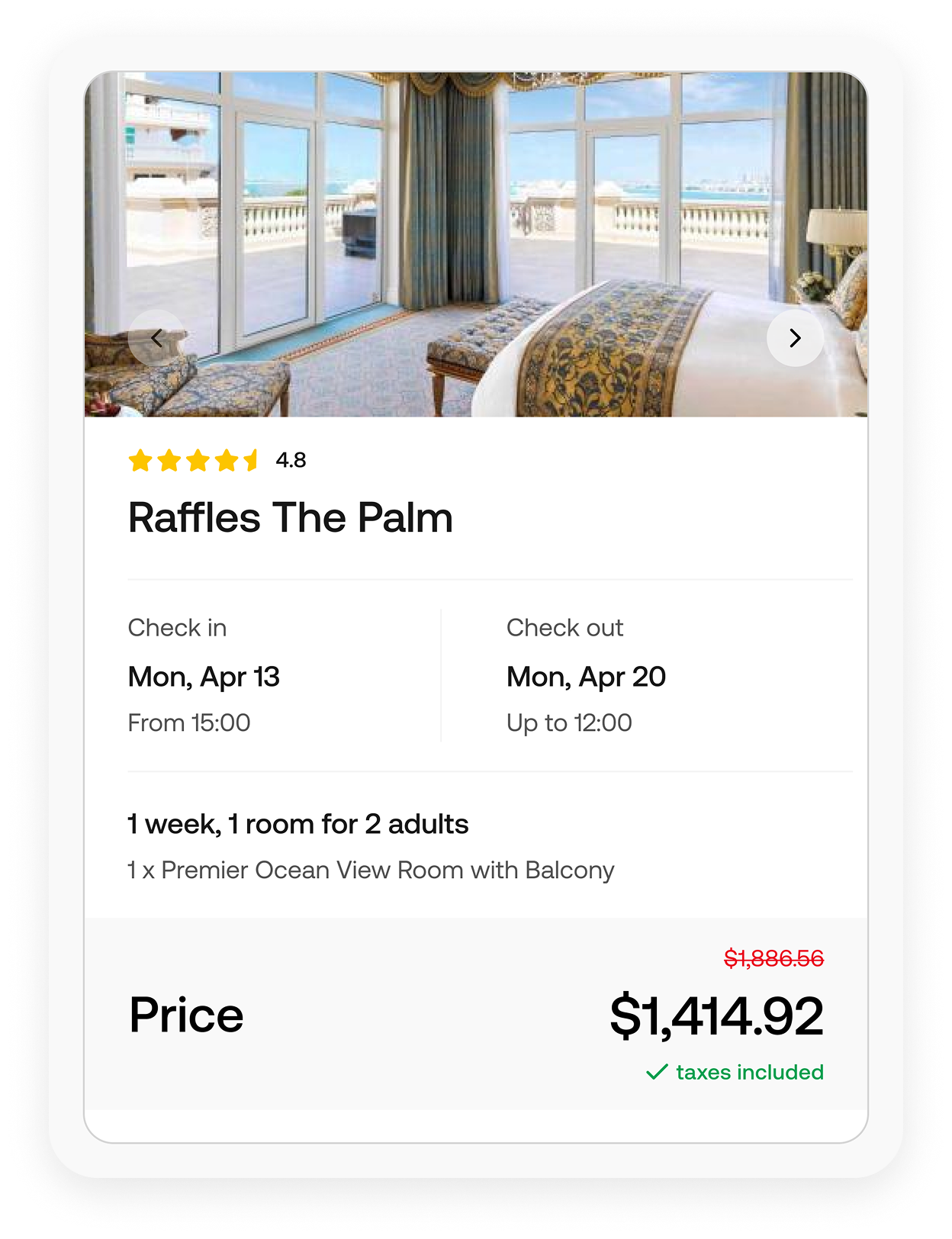
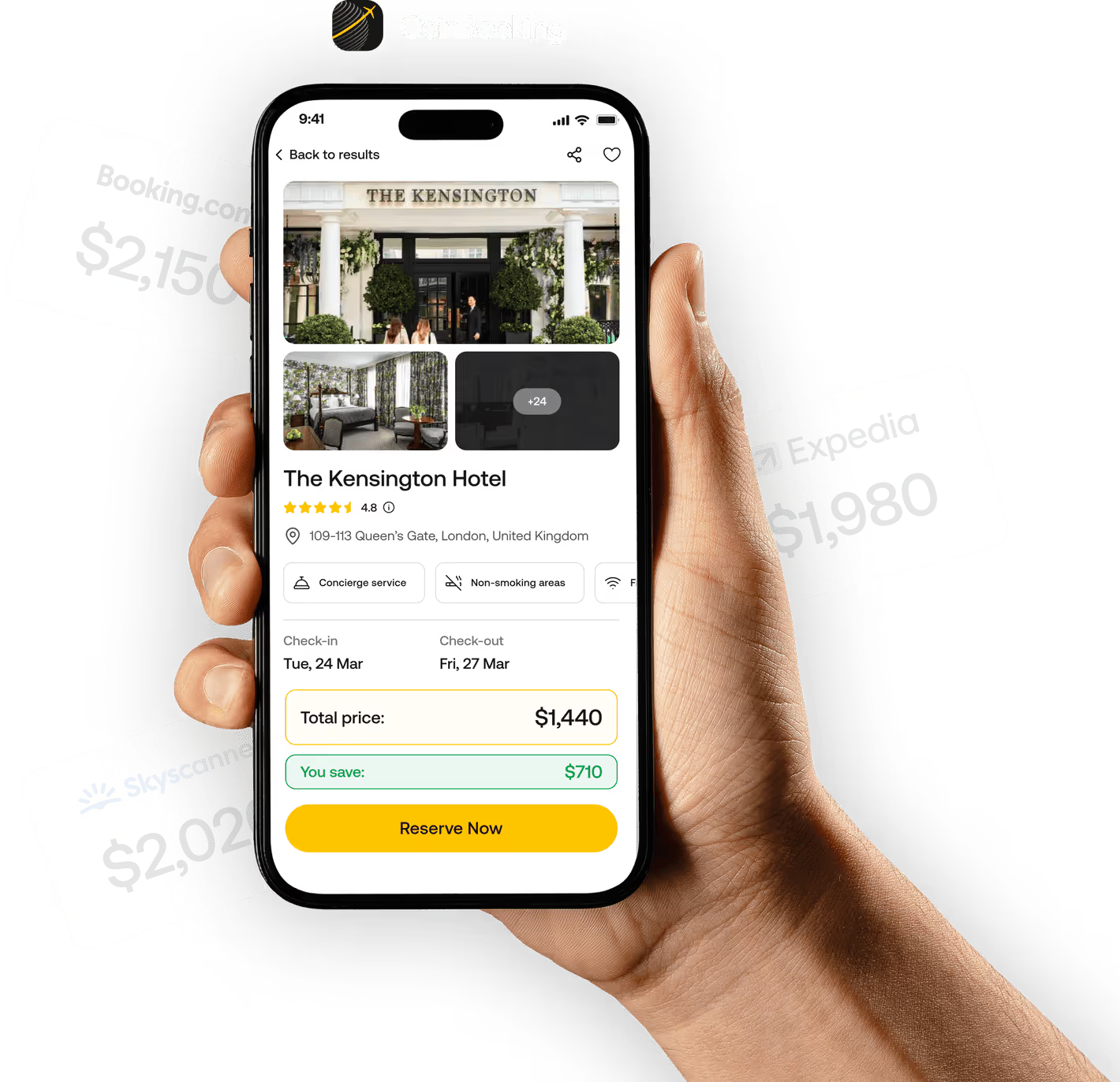
CoinBooking is a Dubai-licensed travel platform with hotel and flight rates up to 30% below Booking.com and Expedia, paid in BTC or any of 200+ other cryptocurrencies.


Hong Kong residents travel more frequently than almost anywhere else in the region. Short-haul trips to Bangkok, Tokyo, and Singapore are routine. At that frequency, a consistent 30% off every booking adds up quickly. The platform covers 190+ countries and 2M+ hotels and flights.
Just $870 Cheaper.

%201.png)
your first booking.
New users get $25 off their first booking.
Taking a short hop to the Philippines? Here’s how Bitcoin travel works there.
2. Book Tours and Day Trips in Advance
Some of Hong Kong's best experiences need advance booking. The cable car to Ngong Ping on Lantau sells out on weekends and public holidays. Guided night tours of Victoria Peak fill up during peak travel periods. Macau ferry slots on the TurboJet, particularly on Friday evenings and weekends, book out well ahead. Getting these sorted before you land saves both money and the frustration of showing up at the terminal to find the next available slot is five hours away.
Platforms like Viator and GetYourGuide cover a wide range of Hong Kong tours and day trips, including Macau ferry and day trip packages, and accept international card payment at checkout where your crypto debit card works fine.
3. Use a Crypto Debit Card for Shopping and Dining
Card acceptance across Hong Kong Island and Kowloon is broad. Hotels, restaurants with table service, shopping malls, supermarkets, and most retail chains all take Visa and Mastercard. A Bybit Card, Crypto.com Visa, or Wirex card converts your BTC or USDT at the point of sale. In a city where dining and retail prices run high, skipping the HKD conversion fee at every transaction adds up.
Street food stalls in the Temple Street Night Market, dai pai dongs (outdoor food stalls), wet markets, and most traditional noodle shops run on cash. Card acceptance in these settings is rare regardless of neighborhood. Keep HKD on hand for anywhere that is not a restaurant with table service or a shopping mall.
4. Withdraw HKD from ATMs Using Your Crypto Card
Taxis, wet markets, dai pai dongs, traditional pubs, and many smaller local restaurants run on cash. Your crypto debit card works at any standard HSBC, Hang Seng, or Bank of China ATM across Hong Kong to withdraw HKD from your BTC or USDT balance. ATMs are plentiful across the MTR network, shopping malls, and street level throughout Hong Kong Island and Kowloon.
Hong Kong ATMs do not typically push dynamic currency conversion as aggressively as some European cities popular with tourists, but always decline if prompted and let your card settle in HKD. Taking out a moderate amount in one go is more efficient than multiple small withdrawals given the fees per transaction most crypto cards charge.
5. Get Around with the MTR, Trams, and Taxis
The MTR is Hong Kong's main rail network and the fastest way to move across the city. Since August 2024, Visa and Mastercard contactless cards work at MTR turnstiles on the heavy rail network, so your crypto debit card taps in and out directly. Look for the light blue gates at each station. The Airport Express is not included in the contactless scheme and requires a separate ticket, purchasable by card at the machine.
Hong Kong's iconic trams on Hong Kong Island and most bus routes also accept contactless Visa and Mastercard. Taxis remain cash only across the territory. Keep HKD for cabs rather than trying to negotiate card payment. For transport through apps, Uber operates in Hong Kong and accepts international card payment, and your crypto Visa or Mastercard works in the app.
6. Eat at Restaurants, Dai Pai Dongs, and Hotel Buffets
Hong Kong's food scene covers the full range, from Michelin-starred Cantonese restaurants in Central to streetside wonton noodle shops in Sham Shui Po. Hotels, upscale restaurants, and any venue in a shopping mall takes Visa and Mastercard without question. Your crypto debit card covers those. Hotel breakfast and lunch buffets, which are popular across the city's hotels in the middle price range, are similarly set up for card payment.
Traditional dim sum houses, particularly the older ones in Yau Ma Tei and Sham Shui Po, often prefer cash for the table bill even if they have a card machine at reception. Dai pai dongs and street food stalls are almost entirely cash. Keep HKD on hand for these. A bowl of wonton noodles at a local shop runs around HKD 40 to 60. Anything significantly above that is the tourist pricing at work.
7. Buy a Tourist SIM or Top Up Mobile Data
Hong Kong has some of the fastest and most reliable mobile networks in the world, and tourist SIMs are easy to get. 3HK, SmarTone, and China Mobile HK all have counters at Hong Kong International Airport arrivals. Payment is by card and your crypto debit card works at any of them. Data plans are affordable by Hong Kong standards and coverage across the MTR, the harbor crossings, and most of the territory is strong.
For travelers who want connectivity before they land, Bitrefill sells eSIMs for Hong Kong purchased directly in BTC. The eSIM activates on your phone before departure, which is particularly useful for visitors crossing from Shenzhen who want a Hong Kong number the moment they step off the MTR at Lo Wu. Mainland roaming charges drop off instantly once you switch to a local SIM.
8. Cover Airport Transfers from Hong Kong International
Hong Kong International Airport (HKG) on Lantau connects to the city primarily via the Airport Express train. The Airport Express runs direct to Hong Kong Station in Central and stops at Tsing Yi and Kowloon (Kowloon Station) along the way. The journey time to Hong Kong Station is around 24 minutes. Tickets are purchased at the machine by card, and your crypto debit card works at the ticket counter.
Taxis from the airport to the city center run around HKD 300 to 400 for urban Kowloon and HKD 400 to 500 for Hong Kong Island, and are cash only. The Airport Express is significantly cheaper and faster for most destinations. For travelers with heavy luggage or direct hotel transfers, licensed airport coaches connect HKG to major hotels across both sides of the harbor, with card payment available at the coach terminal counter.
9. Shop Malls, Electronics Markets, and Luxury Boutiques
Large shopping malls across Kowloon and Hong Kong Island, including Harbour City in Tsim Sha Tsui, IFC Mall in Central, and Times Square in Causeway Bay, all have broad card acceptance. Luxury boutiques, international chains, and department stores take Visa and Mastercard across the board. Your crypto debit card covers all of these.
Sham Shui Po, Hong Kong's electronics and fabric district, mixes shops that accept cards with vendors who prefer cash, particularly for smaller purchases and at street stalls. Temple Street Night Market runs almost entirely on cash. Bring HKD for both. For electronics, always compare prices between Sham Shui Po street shops and retailers inside malls before buying, as the gap can be meaningful on larger items.
10. Use Bitrefill for Hong Kong Gift Cards and Local App Top-Ups
Some Hong Kong apps and services use local payment rails that international cards do not access. Bitrefill's Hong Kong catalog covers Uber and local food delivery options, purchasable directly in BTC, USDT, or other crypto. Codes arrive by email and work instantly in the relevant app. For travelers who want to use local delivery or transport apps without setting up a Hong Kong payment method, Bitrefill gift cards are the practical bridge.
Some visitors prefer to convert to HKD first and spend like a local. The full guide covers exactly how that works in Hong Kong.
Frequently Asked Questions
1. Can I use Bitcoin directly in Hong Kong?
Not widely retail, but more than most cities. A growing number of restaurants and shops accept BTC directly. For everything else, a crypto debit card covers card terminals across Hong Kong Island and Kowloon, and ATM-pulled HKD covers taxis and street food. For accommodation, CoinBooking is the most practical use of BTC before you arrive.
2. Is Bitcoin legal for tourists in Hong Kong?
Yes, fully. The SFC's framework governs exchanges, not individual visitors. No declaration is required on entry. For mainland Chinese visitors: Hong Kong operates entirely separately from mainland China's 2021 crypto restrictions. Transacting in BTC in Hong Kong as a mainland visitor is legal under Hong Kong law.
3. Does the MTR accept crypto cards in Hong Kong?
Yes. Since August 2024, Visa and Mastercard contactless cards work at MTR turnstiles on the heavy rail network. Tap in and out at the light blue gates. The Airport Express requires a separate card-purchased ticket. Most buses and Hong Kong Island trams also accept contactless. Taxis are cash only.
4. Can I book hotels in Hong Kong with Bitcoin?
Yes. CoinBooking covers hotels across Hong Kong Island, Kowloon, and Lantau with direct BTC payment at checkout. Rates run up to 30% below Booking.com and Expedia, 100+ cryptocurrencies are accepted, and the booking works without touching mainland capital flow infrastructure.New users get $25 off their first booking.
5. What is the best crypto card for traveling in Hong Kong?
The Bybit Card, Crypto.com Visa, and Wirex card all work well. Each converts BTC or USDT at terminals and lets you withdraw HKD at ATMs. The MTR contactless scheme means the card covers most public transport too. Prioritize low ATM fees since taxis and street food require cash.
6. How do I get Hong Kong dollars from Bitcoin while traveling?
Use your crypto debit card at an HSBC, Hang Seng, or Bank of China ATM. These are available throughout the MTR network across both sides of the harbor. Always decline dynamic currency conversion and settle in HKD. Hong Kong ATMs are reliable and conversion pressure is lower than in most European tourist cities.


Spending crypto is the easy part. 30% off is the good part.
Get up to 30% off all future hotels and flights.

Yaryna Dobrianska is a Dubai-based business and technology writer with a background in fintech and digital services. She covers cryptocurrency adoption, cross-border payments, and the practical realities of spending digital assets across emerging markets.
Her work at Polkastarter focuses on making Web3 accessible, breaking down how crypto moves through real-world financial systems, from payments infrastructure to on-chain adoption trends.
You just read 12 ways to spend crypto. This is the most valuable.
.avif)
You just read 12 ways to spend crypto. This is the most valuable.