.avif)
.png)
.avif)


Content
Top 10 Ways to Travel With Bitcoin (BTC) in India

India processed over 228 billion UPI transactions in 2025, more than 640 million payments every single day. That system now accounts for 84% of all digital payments in the country and has overtaken Visa in daily transaction volume. For locals, it is seamless, but for tourists, it is effectively closed off: UPI requires an Indian bank account, and setting one up as a visitor is not realistic.
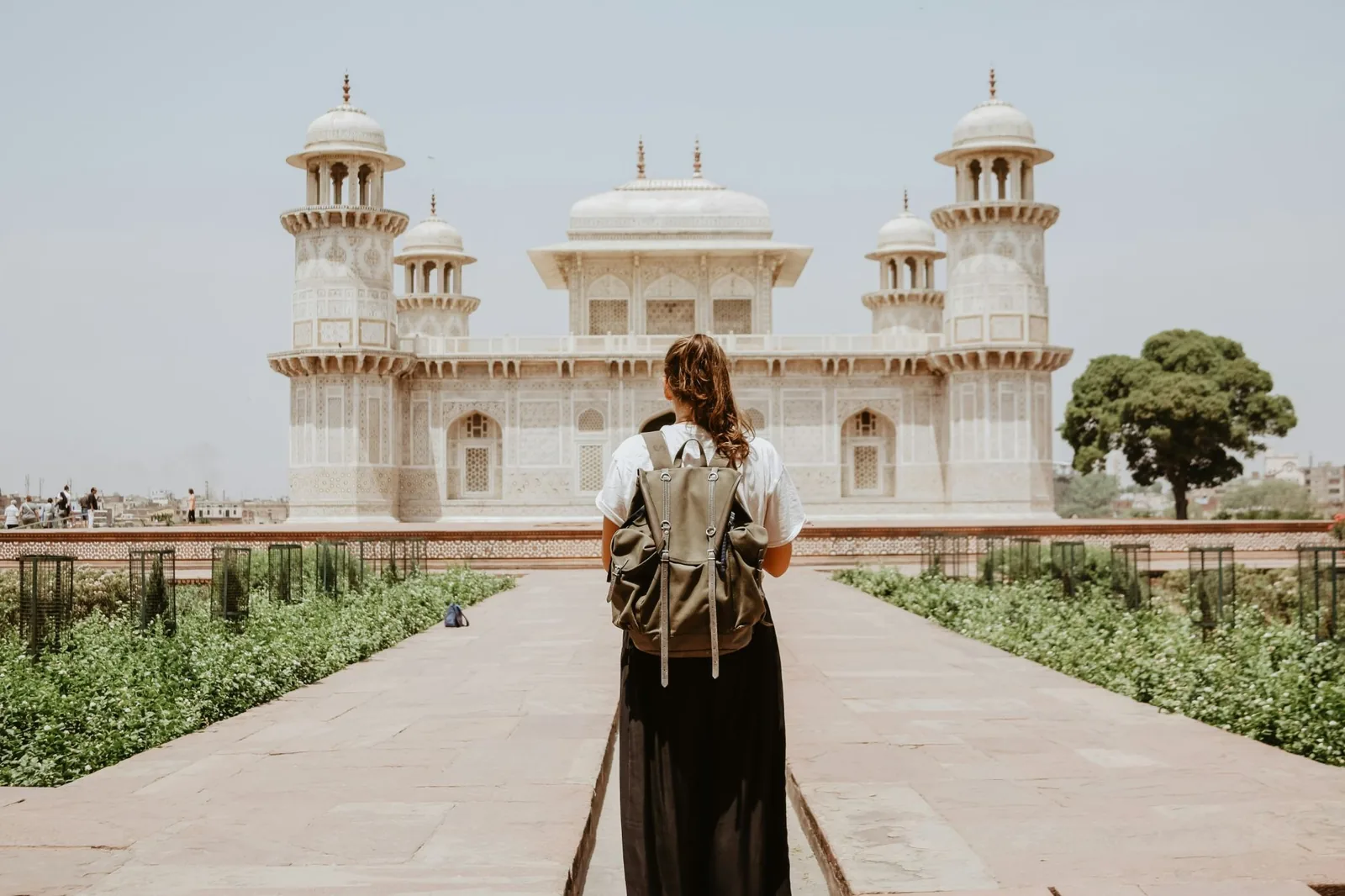
That gap is real, and a BTC-based travel stack fills most of it cleanly. Some of what you need is best sorted before you board the plane: accommodation booked directly in BTC and gift cards loaded for the apps you will actually use on the ground. The rest, getting around, eating out, withdrawing cash, works through a crypto debit card.
If India is one stop on a longer trip, the global Bitcoin travel guide covers the full picture.
What Bitcoin Can Do for Travelers in India
Most countries where crypto adoption is high have at least some merchant acceptance to show for it. India is different, and ranks first globally for crypto adoption in 2025, but yet almost no shop, restaurant, or hotel will take BTC directly at the till. The reason is UPI: it solved digital payments so completely for Indians that the question of crypto merchant infrastructure never really came up.
For a tourist holding BTC, three tools cover the trip. CoinBooking takes care of hotels and flights before you arrive, paid in BTC at rates up to 30% below the mainstream platforms. A crypto Visa or Mastercard debit card handles card terminals across every major city. And Bitrefill bridges the UPI gap with gift cards for Amazon India, Uber, MakeMyTrip, and Zomato, bought directly in BTC and redeemed instantly in the app.
INR cash covers the rest: autorickshaws, street food, rural guesthouses, markets, temple donations. An ATM withdrawal using your crypto debit card sorts that out in one stop.
Is It Legal to Use Bitcoin While Traveling in India? What You Should Know
India's Supreme Court struck down an RBI banking ban on crypto in 2020, and since then buying, selling, and holding Bitcoin has been legal for residents and visitors alike. Tourists can carry BTC across the border, convert it, and spend it through cards and platforms without any legal friction. There is no requirement to declare a crypto wallet on arrival.
The 30% tax on crypto gains and the 1% TDS apply to Indian tax residents only. As a foreign visitor, those rules do not apply to you.
Unlike some markets, India never banned crypto payments outright. The gap tourists run into is purely practical: the payment rails that dominate here were built for people with Indian bank accounts, and visitors simply fall outside that system.
in India
10 Ways to Travel With Bitcoin in India
1. Book Your Hotels and Flights with CoinBooking
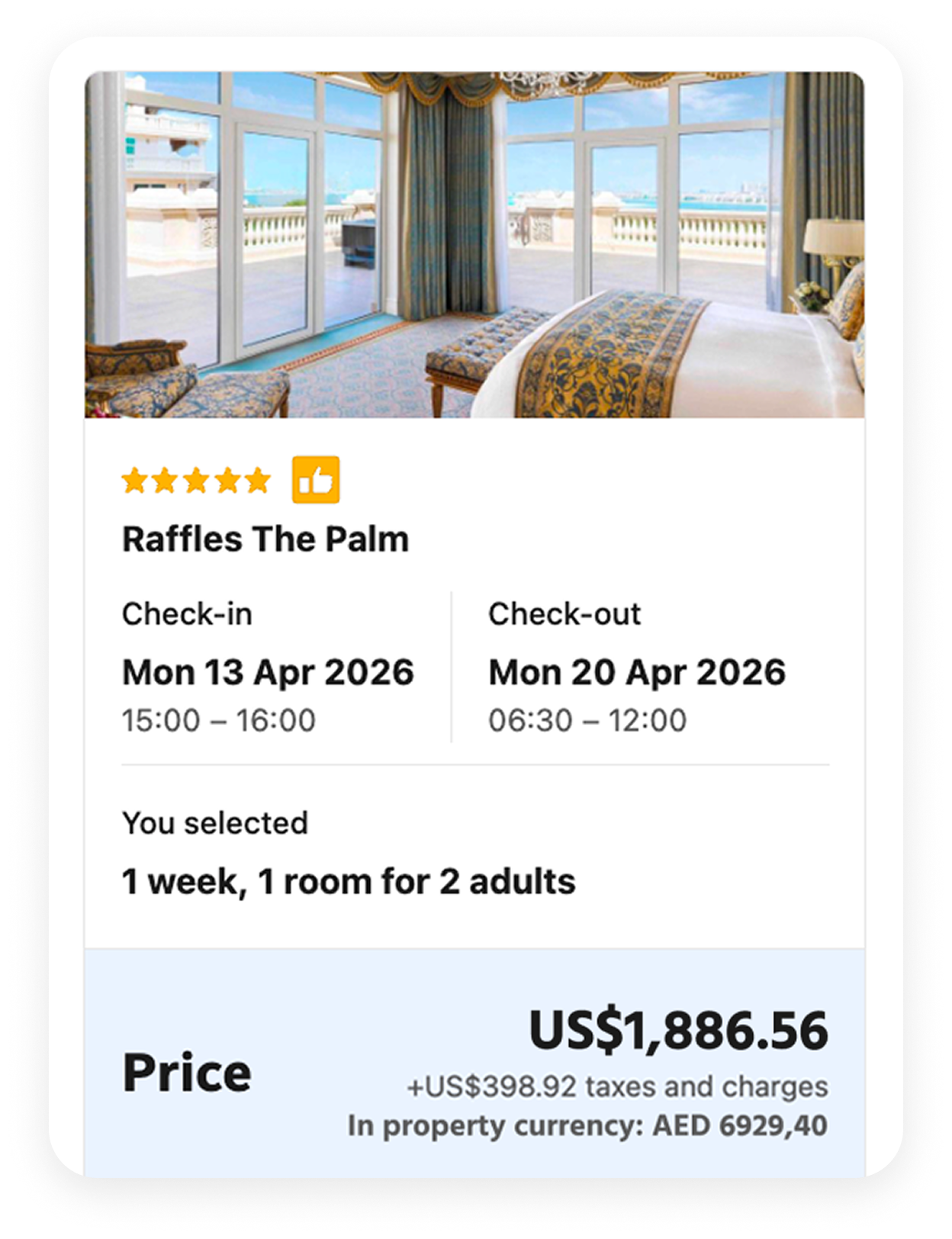
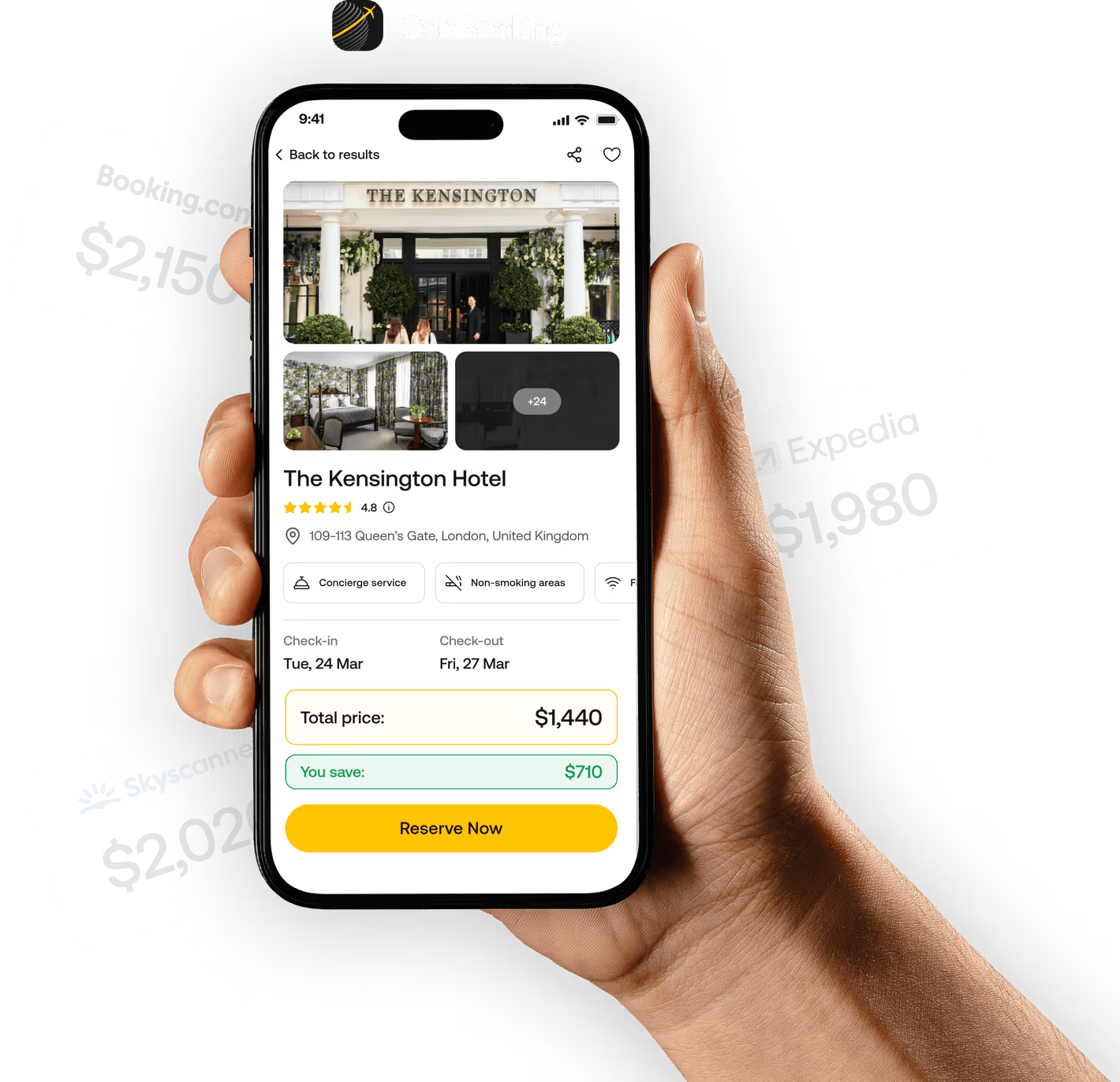
India's hotel options run from budget guesthouses in Varanasi and beachside shacks in Goa to heritage havelis in Jaipur and backwater resorts in Kerala. CoinBooking is a Dubai-licensed travel platform with hotel and flight rates up to 30% below Booking.com and Expedia, paid in BTC or any of 200+ other cryptocurrencies.



Delhi, Mumbai, Jaipur, Agra, Kochi, and Goa are all covered along with flights, which makes it particularly useful for Golden Triangle or Kerala itineraries where internal connections are part of the plan. The platform covers 190+ countries and 2M+ hotels and flights.
Just $870 Cheaper.

%201.png)
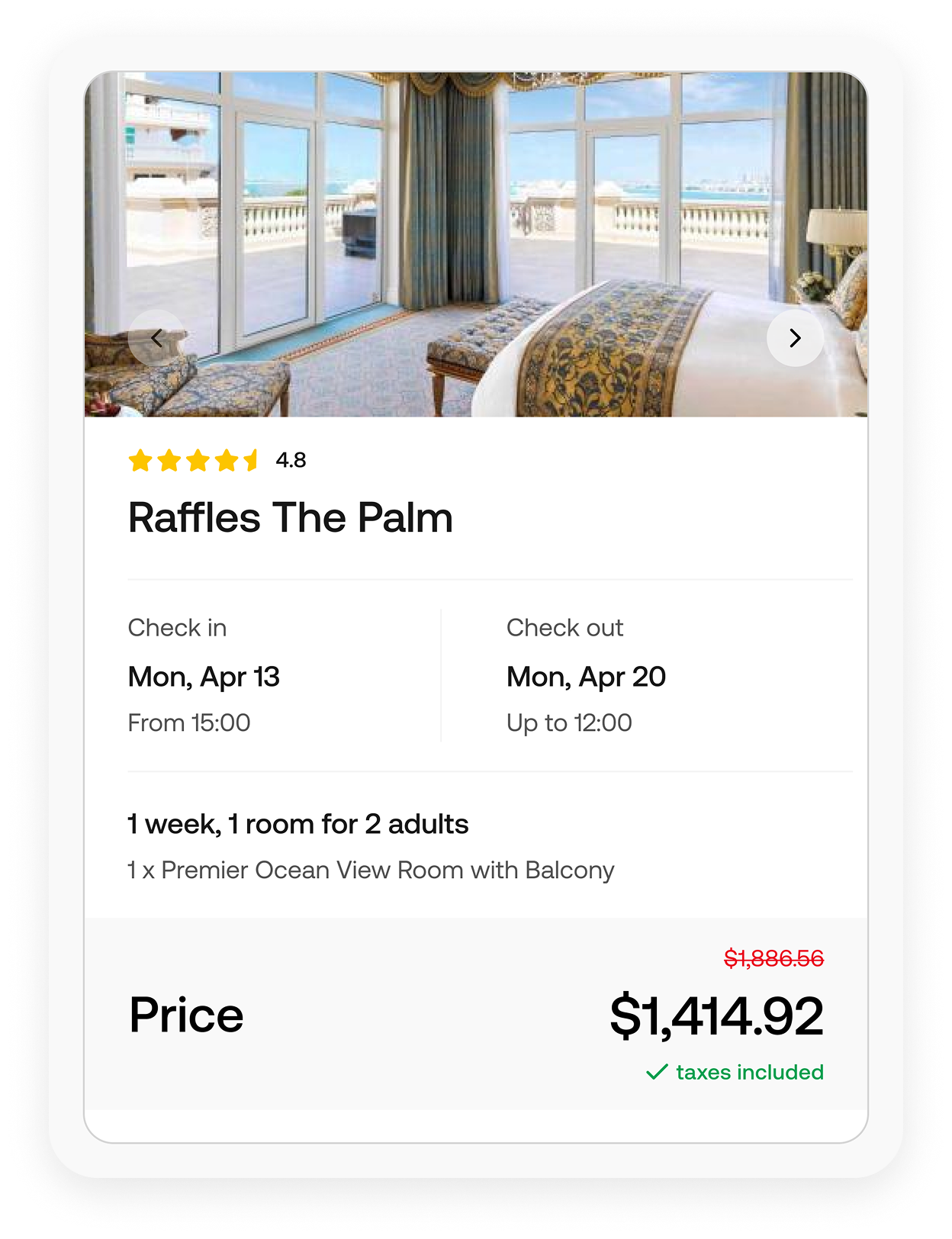
your first booking.
New users get $25 off their first booking.
Pakistan on the itinerary? Here’s how Bitcoin travel works there
2. Book Tours and Experiences in Advance
Some of the best experiences in India sell out well in advance. Timed entry at the Taj Mahal goes fast during peak season. Kerala backwater houseboats fill weeks ahead. Rajasthan camel safaris and Himalayan trekking permits have hard availability limits. Booking before you land is not just convenient, it is often the difference between doing these things and missing them.
Platforms like Viator and GetYourGuide cover a broad range of Indian tours and accept international card payment at checkout, where your crypto debit card works fine. For anything requiring Indian payment methods, a MakeMyTrip gift card bought through Bitrefill in BTC opens that door without needing a local account.
3. Use a Crypto Debit Card for Card Terminals
Major hotels, restaurants in tourist areas, retail chains, and airport shops across Delhi, Mumbai, Bengaluru, Goa, and Jaipur all accept international Visa and Mastercard. A Bybit Card, Crypto.com Visa, or Wirex card converts your BTC or USDT at the point of sale and works at any of those terminals without any additional setup.
Outside the main cities, card acceptance drops sharply. Smaller guesthouses, local restaurants, and most transport operators outside city centers work on cash. Keep that in mind when planning how much INR to withdraw on any given day.
4. Withdraw INR Cash from ATMs
Cash is not optional in India. Autorickshaws, local dhabas, village guesthouses, market stalls, temple donations, and most rural travel run entirely on INR. Your crypto debit card works at any standard ATM to pull out rupees directly from your BTC or USDT balance.
Two things worth knowing before you get to the machine. The RBI caps most ATM withdrawals at INR 10,000 per transaction, though some banks like HDFC and Axis allow higher limits. Foreign cards also face fixed fees per withdrawal, so taking out a larger amount less often keeps the cost down. Always decline the Dynamic Currency Conversion prompt on screen and let your card settle in INR rather than your home currency.
5. Get Around with Uber, Ola, and City Metros
Both Uber and Ola accept international credit and debit cards in the app, and your crypto debit card works for both. They operate across Delhi, Mumbai, Bengaluru, Hyderabad, Chennai, and most large cities. For airport pickups and intercity legs, both platforms are more reliable than negotiating with local taxi drivers.
Metro systems in Delhi, Mumbai, and Bengaluru take contactless cards at the gates, so your crypto Visa or Mastercard covers those directly. IRCTC, the national rail booking platform, only works with Indian payment methods. A MakeMyTrip gift card bought through Bitrefill in BTC is the cleanest way to book longer train routes without an Indian bank account.
6. Eat at Restaurants, Cafes, and Beach Shacks
Sit-down restaurants in tourist areas across Goa, Rajasthan, Kerala, and the major cities generally accept international cards. Your crypto debit card handles those transactions without any issues. Fine dining in Mumbai or Delhi is almost always set up for card payment.
Local dhabas, street food stalls, chai vendors, and beach shacks operate on cash. This is not a gap worth trying to close with technology. Withdraw INR from an ATM and keep enough on hand for daily food spending outside restaurants. Tips in India are small and always paid in cash. A Zomato gift card bought through Bitrefill in BTC covers food delivery if you are staying somewhere with a kitchen or want to order in.
7. Buy a Tourist SIM from Airtel or Jio at the Airport
India requires passport and visa registration to activate a local SIM, but the airport counters at Delhi, Mumbai, and Bengaluru handle this on arrival. Airtel and Jio both have tourist SIM counters in the arrivals hall, and payment is by card at the counter. Your crypto debit card works fine.
If you prefer to arrive already connected, Bitrefill sells eSIMs for India compatible with local networks, purchased directly in BTC before you travel. Setup takes a few minutes from your phone. Both Airtel and Jio offer tourist plans with calls and data included for the duration of a standard trip. A local SIM also helps if you want to use any app that requires an Indian number for verification.
8. Cover Airport Transfers from Delhi, Mumbai, and Bengaluru
All three major gateway airports have prepaid taxi counters and Uber or Ola pickup points in the arrivals area. The prepaid taxi counters accept cards in some terminals but not all. Uber and Ola are the most reliable option: set up the app before you land, and the fare is fixed and charged to your card in the app.
Delhi Airport has a metro link connecting Terminal 3 directly to the city center in about 20 minutes. You can tap in with a contactless card. Mumbai's suburban rail connects the airport to the city but involves luggage handling on crowded trains, so most travelers prefer Uber for the first arrival.
9. Shop Markets, Boutiques, and Branded Stores
Shopping in India splits cleanly by context. Branded stores, shopping malls, and established boutiques in Delhi, Mumbai, and Jaipur accept international cards without any issue. Your crypto debit card works at all of those. Government emporiums like the Cottage Industries Exposition also accept cards.
Local markets, craft bazaars, and individual artisan stalls run on cash. Negotiation is standard in these settings, and paying in INR always results in a better quoted price than card. The markets in Jaipur, the textile stalls in Jodhpur, and the fabric shops in Kochi all fall into this category. Withdraw INR beforehand if markets are on the itinerary.
10. Buy Indian Gift Cards via Bitrefill
UPI closes off most of India's app economy to visitors without a local bank account. Bitrefill's India catalog includes Amazon India, Uber, MakeMyTrip, Zomato, BookMyShow, and Flipkart, all purchasable directly in BTC, USDT, or other crypto. Codes arrive by email and work instantly in the relevant app.
For a tourist, the most useful combination is an Amazon India gift card for general purchases and delivery, an Uber voucher for transport, and a MakeMyTrip gift card for internal flights or hotels that require Indian payment methods. Bitrefill requires no account and delivers codes within minutes. For anyone spending more than a few days in India, it is the most practical substitute for a UPI account.
Converting to INR first and spending locally is its own strategy. Here is how it works in India.
Frequently Asked Questions
1. Can I use Bitcoin directly in India?
Not at the point of sale with merchants. Direct BTC payment at a shop, restaurant, or hotel checkout is not available in any meaningful way for tourists. What you can do is book accommodation and flights through CoinBooking before you arrive, use a crypto debit card like the Bybit Card or Crypto.com Visa at card terminals, and buy gift cards for Indian platforms through Bitrefill directly in BTC. Holding, trading, and converting BTC is fully legal in India for tourists.
2. Is Bitcoin legal for tourists in India?
Yes. Bitcoin is legal to buy, hold, and convert in India. The 30% tax on crypto gains and the 1% TDS are levied on Indian tax residents, not foreign visitors, so as a tourist those obligations do not apply to you. The reason BTC is hard to spend directly in India has nothing to do with the law. It comes down to UPI dominating the payments landscape in a way that left little room for crypto merchant infrastructure to develop.
3. Can I use UPI in India as a tourist?
It is possible but not straightforward. UPI One World allows tourists from G20 countries to use a prepaid wallet linked to UPI QR codes after completing physical KYC at approved airport counters. The wallet is loaded with INR using a foreign card. It works at UPI merchants nationwide but requires passport and visa verification on arrival, and the process is not available at all airports. For most tourists, a crypto debit card combined with Bitrefill gift cards covers the same ground with less setup friction.
4. Can I book hotels in India with Bitcoin?
Yes. CoinBooking covers hotels across India, including Delhi, Mumbai, Goa, Jaipur, Kochi, and Agra, with direct BTC payment at checkout. Rates run up to 30% below Booking.com and Expedia, and more than 100 cryptocurrencies are accepted. It is particularly useful for itineraries across multiple cities like the Golden Triangle, where locking in several destinations in one currency and one checkout removes a lot of logistical friction. New users get $25 off their first booking.
5. What is the best crypto card for traveling in India?
The Bybit Card, Crypto.com Visa, and Wirex card all work well in India. Each converts BTC or USDT at the point of sale on any Visa or Mastercard terminal, and lets you withdraw INR at ATMs. A card with low ATM withdrawal fees is worth prioritizing since cash is essential outside major cities. Check the current fee schedule for each before deciding. Card acceptance in areas popular with tourists is reliable. Outside those zones, cash from ATM withdrawals is the main fallback.
6. How do I get Indian rupees from Bitcoin while traveling?
The most practical method is a crypto debit card such as the Bybit Card or Crypto.com Visa. Use it at any standard ATM in India to withdraw INR from your BTC or USDT balance. Most ATMs cap withdrawals at INR 10,000 per transaction, so you may need multiple withdrawals for larger amounts. Always decline the Dynamic Currency Conversion prompt and let your card settle in INR. If you need to convert a larger amount, CoinDCX and WazirX are the main licensed Indian exchanges, but opening an account requires Indian KYC and is not practical for a short trip.
Spending crypto is the easy part. 30% off is the good part.
Get up to 30% off all future hotels and flights.

Yaryna Dobrianska is a Dubai-based business and technology writer with a background in fintech and digital services. She covers cryptocurrency adoption, cross-border payments, and the practical realities of spending digital assets across emerging markets.
Her work at Polkastarter focuses on making Web3 accessible, breaking down how crypto moves through real-world financial systems, from payments infrastructure to on-chain adoption trends.
You just read 12 ways to spend crypto. This is the most valuable.
.avif)
You just read 12 ways to spend crypto. This is the most valuable.