.avif)
.png)
.avif)


Content
Top 10 Ways to Travel With Bitcoin (BTC) in Nigeria

The naira lost 40.9% of its value against the dollar in 2024 alone, closing the year at N1,535 per dollar. That comes after a 100% depreciation in 2023. For anyone booking Lagos or Abuja accommodation on a local platform, the rate you see today may look very different by check in. Locking in hotel costs in BTC before arrival removes that uncertainty from the trip entirely.
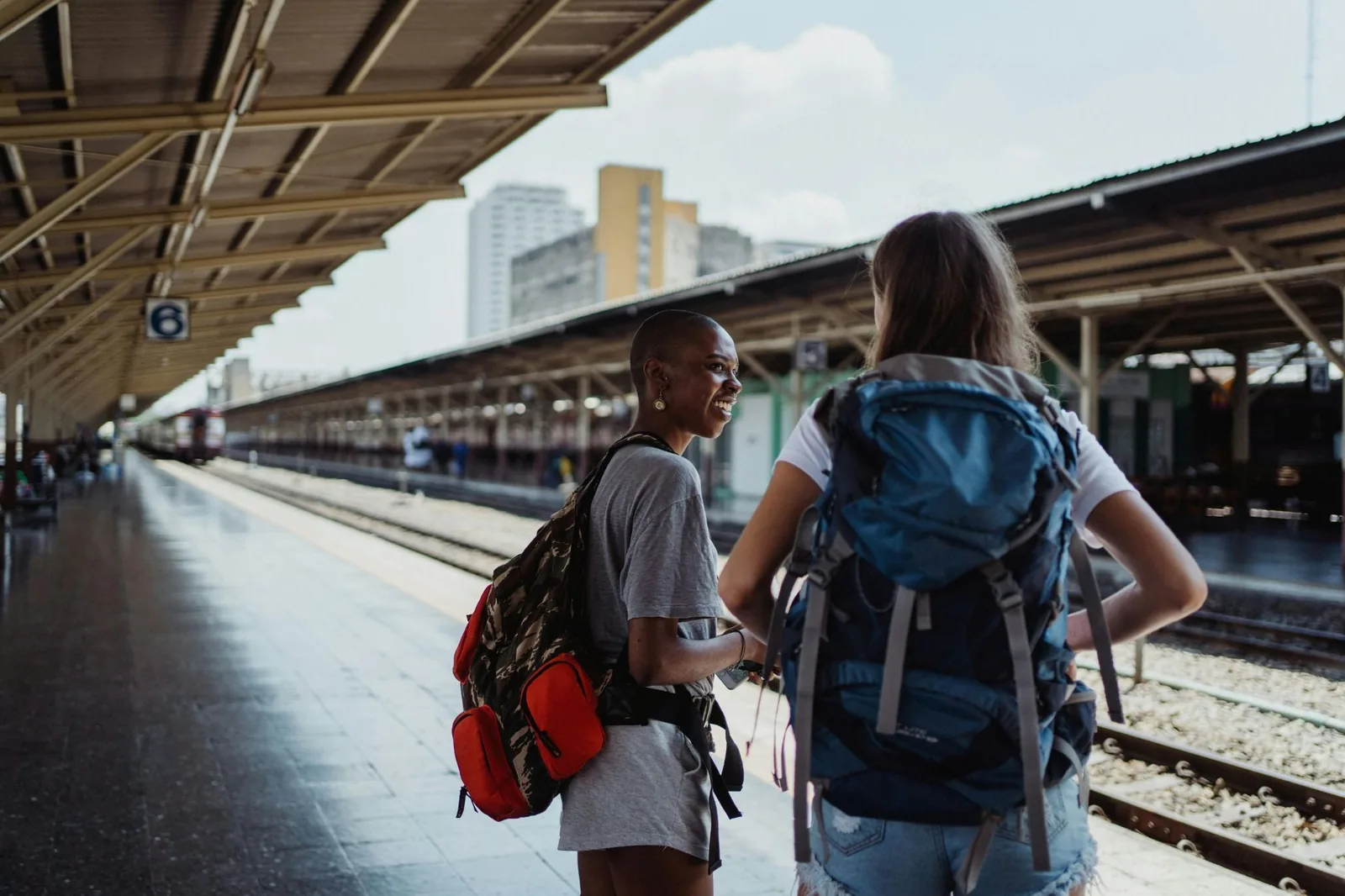
Nigeria is also one of the world's most crypto-literate countries, which means the infrastructure is more developed than most visitors expect. Hotels and upscale restaurants in Victoria Island, Lekki, and Abuja's central districts all take cards. A crypto debit card handles those terminals. Naira cash covers transport, markets, and spending at street level.
Nigeria fits into some of the most rewarding travel routes in West Africa. The global Bitcoin travel guide covers what works at every stop.
What Bitcoin Can Do for Travelers in Nigeria
Nigeria processed $59 billion in crypto transactions between July 2023 and June 2024, ranking second globally in adoption only behind India.Around 22 million Nigerians hold crypto, up from 0.4% of the population a decade ago. That adoption is driven by necessity: the naira has lost more than three quarters of its value since 2016, and crypto has become the practical way millions of Nigerians protect savings and receive remittances. As a visitor, you are arriving into a country that already understands what BTC is and why it matters.
The most useful tool before the trip is CoinBooking, a Dubai-based travel platform with hotel and flight rates up to 30% below Booking.com and Expedia, paid directly in BTC at checkout. It covers Lagos (Victoria Island, Lekki, Ikeja), Abuja, Port Harcourt, and beyond. On the ground, a crypto Visa or Mastercard debit card handles card terminals at hotels and restaurants in major cities. Bitrefill covers MTN and Airtel top up credit directly in BTC, which handles mobile data without a Nigerian SIM contract.
Naira cash remains essential for local transport, markets, street food, and smaller venues outside the main hotel districts. ATM withdrawals using a crypto debit card are the most practical way to access spending cash on the ground.
Is It Legal to Use Bitcoin While Traveling in Nigeria? What You Should Know
Nigeria's crypto position has shifted significantly. The Central Bank reversed its 2021 banking ban on crypto businesses in late 2023, allowing licensed exchanges to operate through the banking system. In 2025, the Investments and Securities Act (ISA 2025) passed, formally recognizing digital assets as securities under Nigerian law and giving the SEC authority to regulate exchanges and platforms. Holding and trading BTC is legal for residents and visitors alike.
Direct crypto payments to merchants are not mainstream and there is no formal infrastructure for it outside isolated informal arrangements. The practical route for tourists runs through CoinBooking for accommodation, a crypto debit card for card terminals, and P2P platforms for those who want to convert BTC to naira directly. None of these require a Nigerian bank account.
For diaspora visitors specifically, the combination of CoinBooking and a crypto debit card removes the remittance friction entirely. BTC held offshore covers accommodation costs and spending at street level without going through any Nigerian payment infrastructure at all.
in Nigeria
10 Ways to Travel With Bitcoin in Nigeria
Nigeria rewards visitors who prepare before they land. The payment environment outside the main hotel districts runs on cash, and knowing where each tool works saves time on the ground.
1. Book Your Hotels and Flights with CoinBooking
Lagos hotel rates in Victoria Island and Lekki sit well above regional peers, and they move with the naira. What a property quotes this week can look different by the time you arrive.
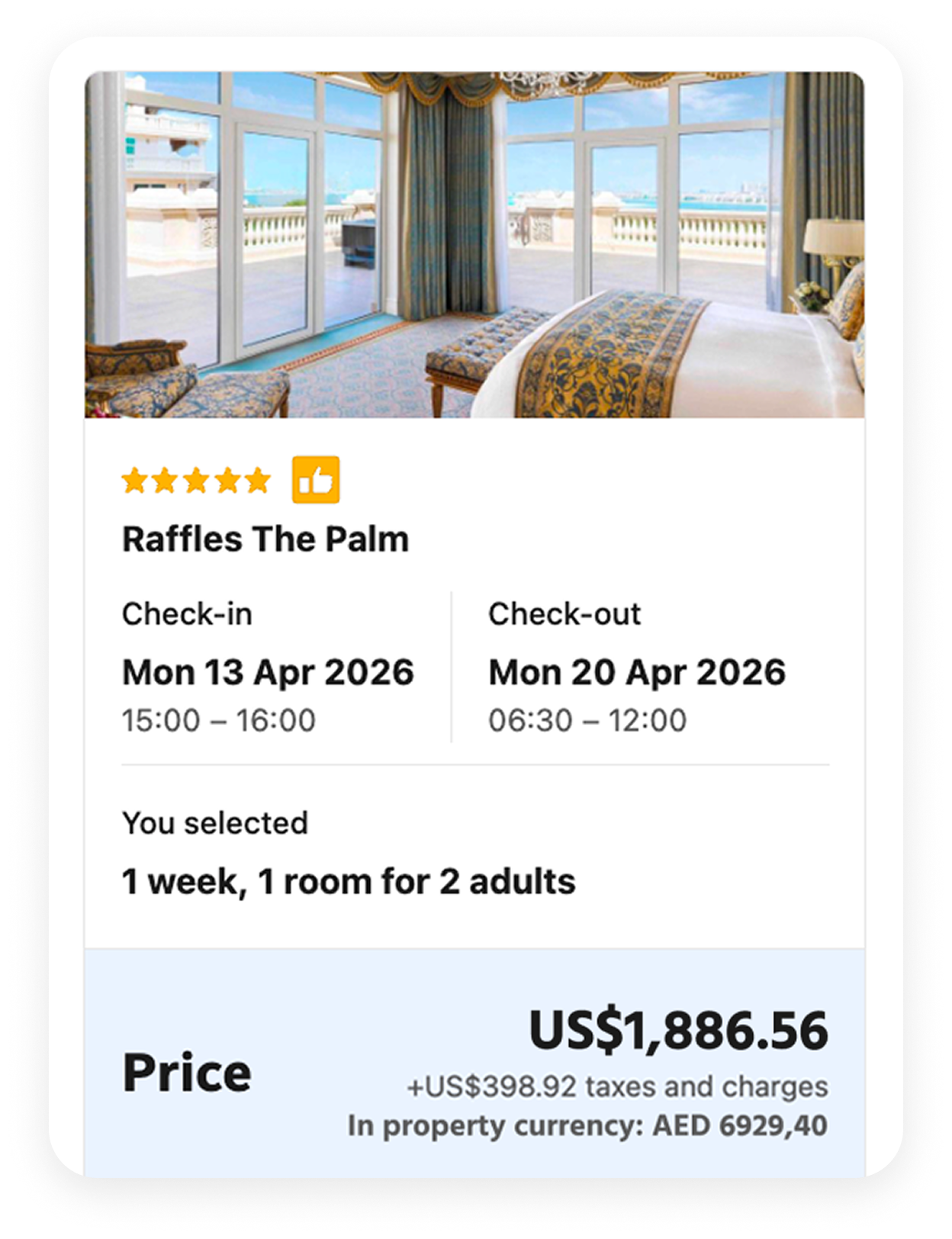
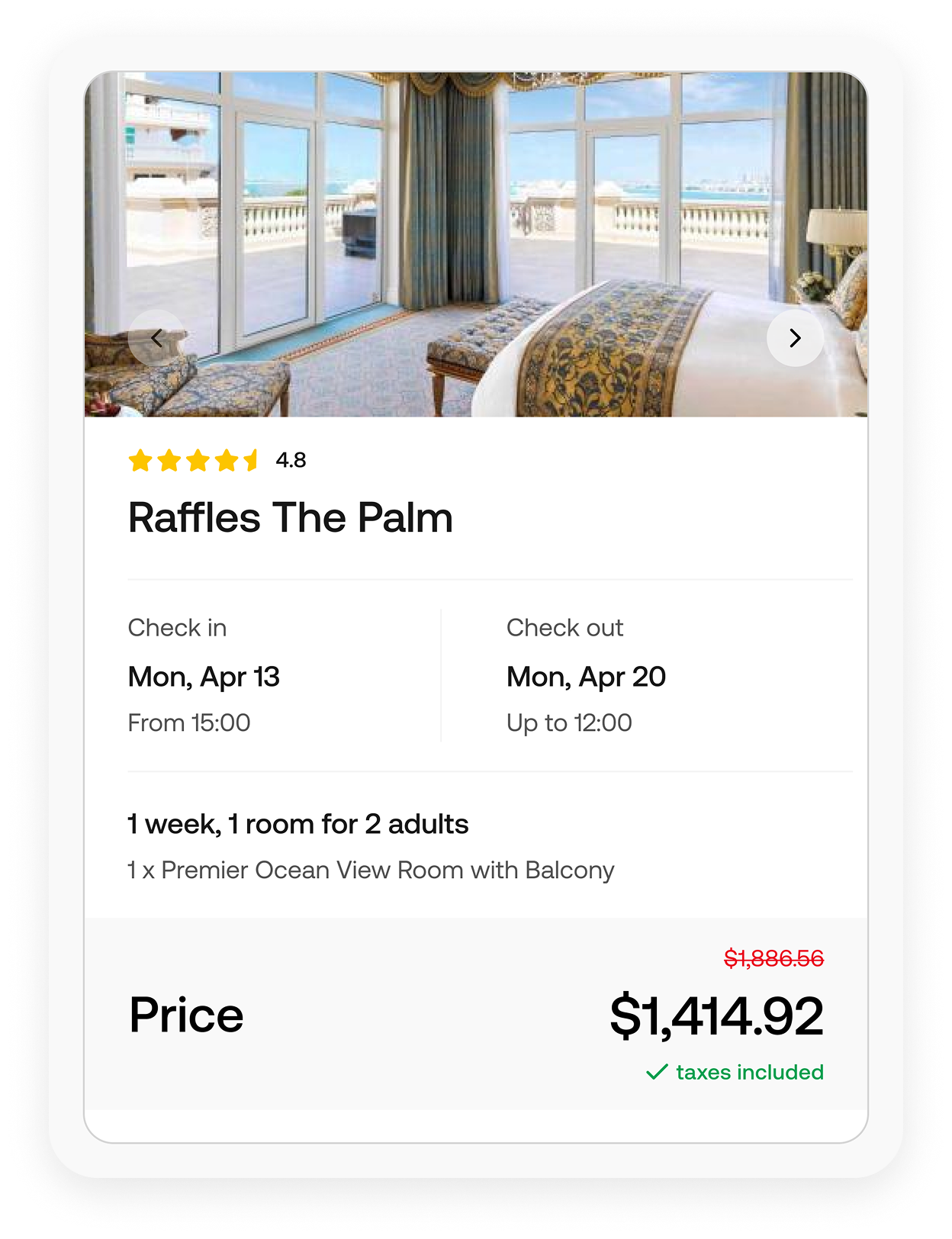
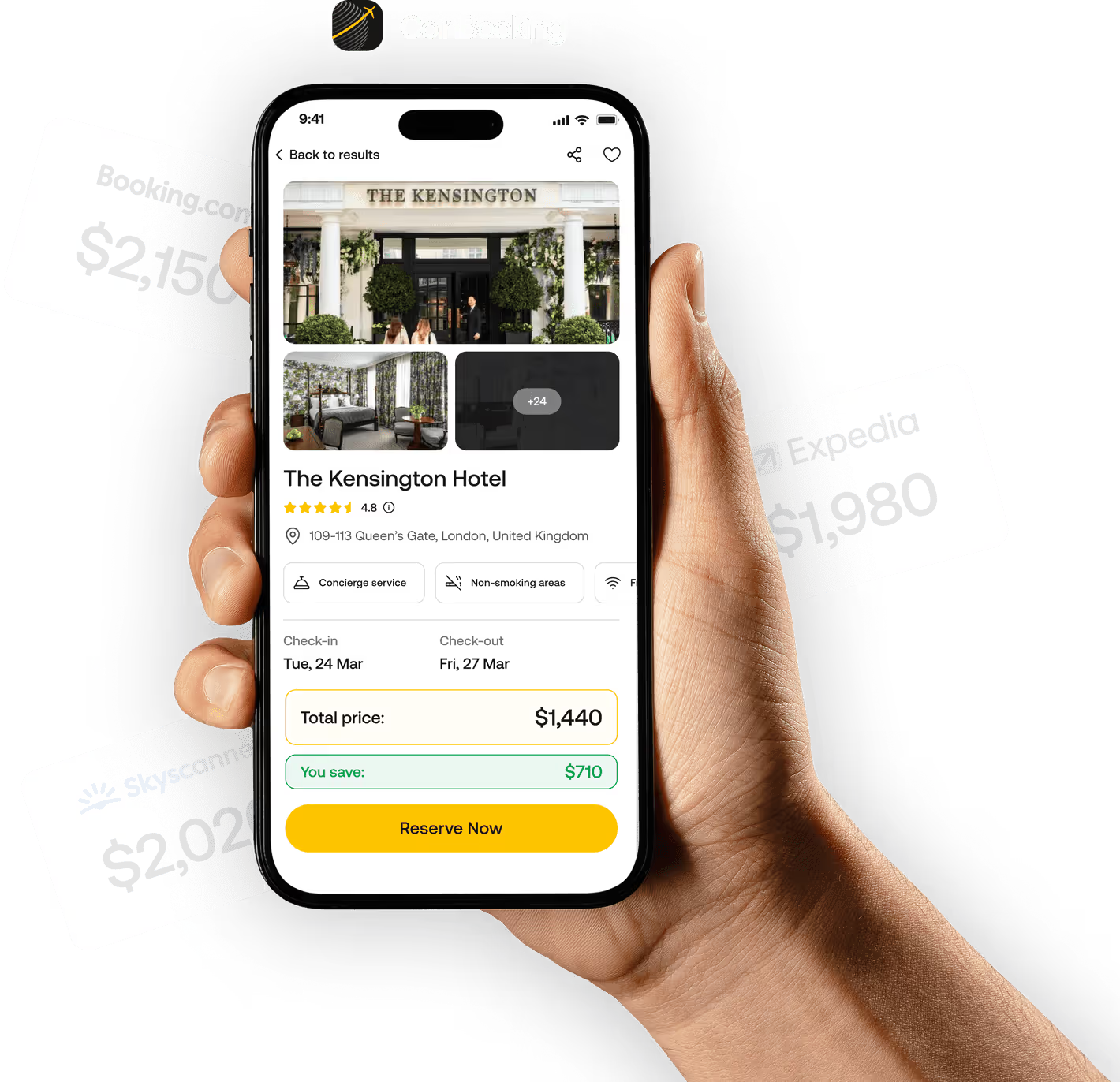
CoinBooking is a Dubai-licensed travel platform with hotel and flight rates up to 30% below Booking.com and Expedia. Pay in BTC and the cost is fixed at booking, with no naira exposure between now and check-in


Victoria Island, Lekki, Ikeja, Abuja, and Port Harcourt are all covered, along with flights. For diaspora visitors, it’s particularly direct. BTC books the stay without going through remittance channels or Nigerian payment methods. The platform covers 190+ countries and 2M+ hotels and flights, with 200+ cryptocurrencies accepted.
Just $870 Cheaper.

%201.png)
your first booking.
New users get $25 off their first booking.
Heading to Ireland? Here’s how Bitcoin travel works there
2. Book Tours and Experiences in Advance
Nigeria's most popular experiences book up. Calabar Carnival in December sells out accommodation and tour packages weeks ahead. The Olumo Rock experience in Abeokuta and the Lekki Conservation Centre in Lagos have structured entries that benefit from advance booking. Wildlife experiences in Cross River State require permits and operators who fill quickly during peak season.
Platforms like Viator and GetYourGuide cover some Nigerian experiences and accept international card payment at checkout, where your crypto debit card works fine. For Nigerian-specific operators, confirm payment methods directly. Many accept international cards or bank transfers online.
3. Use a Crypto Debit Card for Hotels and Upscale Restaurants
Card acceptance in Lagos and Abuja is solid at the hotel level. Properties in Victoria Island, Lekki, and Abuja's central business district all take Visa and Mastercard. Upscale restaurants and shopping centers in these areas similarly accept cards. A Bybit Card, Crypto.com Visa, or Wirex card converts your BTC or USDT at the point of sale without any additional setup.
Outside the main hotel and business districts, card acceptance drops sharply. Local restaurants, transport, markets, and spending at street level in most Nigerian neighborhoods runs on naira cash. The card covers the more expensive part of the trip. Everything else requires naira from an ATM.
4. Withdraw Naira from ATMs Using Your Crypto Card
Naira cash is not optional in Nigeria. Local transport, markets, bukas, suya spots, and most informal spending require it. Your crypto debit card works at any standard ATM to pull out naira from your BTC or USDT balance. ATM reliability and availability varies significantly outside Lagos and Abuja, so withdraw enough in major cities before traveling to secondary destinations.
First Bank, GTBank, and Zenith Bank ATMs in Lagos and Abuja are the most reliable for foreign cards. Always decline the dynamic currency conversion prompt on screen and let your card settle in naira. Taking out a larger amount in one withdrawal keeps the fee per transaction proportional.
5. Get Around Lagos and Abuja with Uber and Bolt
Both Uber and Bolt operate across Lagos and Abuja and accept international Visa and Mastercard in the app. Your crypto debit card covers both. Bolt has particularly strong coverage in Lagos and tends to be cheaper than Uber for most city routes. Both show the fare before you confirm, which is important in a city where unmetered taxis negotiate pricing.
For journeys outside the apps, danfo buses and keke napep (tricycles) run on naira cash. Agreeing a fare before boarding is standard practice with any transport outside the apps. In Lagos traffic, the apps are more reliable for longer distances. For short hops in familiar areas, cash transport is faster.
6. Eat at Restaurants, Bukas, and Suya Spots
Restaurants with table service in Victoria Island, Lekki, and Abuja's central districts accept international cards without issue. Nigerian cuisine at this level is excellent and worth the experience. Your crypto debit card covers these transactions the same as any Visa or Mastercard.
Bukas (local Nigerian eateries), suya spots, street food stalls, and most neighborhood restaurants run entirely on cash. The food at this level is often better and costs a fraction of the hotel restaurant price. A plate of jollof rice at a good buka costs very little in naira. Keep cash on hand for these. Tips are small and always paid in cash.
7. Buy a Nigerian SIM or Top Up Mobile Data
MTN, Airtel, and Glo all have counters at Murtala Muhammed Airport (LOS) in Lagos and Nnamdi Azikiwe Airport (ABV) in Abuja. Payment at the counter is by card, and your crypto debit card works fine. MTN has the widest coverage across Nigeria including in the north and more remote areas. A local SIM is useful for taxi apps, food delivery, and any Nigerian platform that requires a local number.
If you prefer to arrive connected, Bitrefill sells eSIMs for Nigeria purchased directly in BTC before you travel. Bitrefill also covers top up credit for MTN Nigeria and Airtel Nigeria if you need to reload during the trip.
8. Cover Airport Transfers from Lagos and Abuja
Murtala Muhammed Airport (LOS) in Lagos is one of the busiest in Africa. Uber and Bolt both operate from the airport pickup zones, with card payment through the app. Set either up before you land. Official airport taxis also operate from the terminal at fixed rates, payable in naira cash. The app options give you a confirmed fare before you confirm the ride, which is worth the extra minute of setup.
Nnamdi Azikiwe Airport (ABV) in Abuja is smaller and easier to navigate. Uber and Bolt work from the pickup area with the same card payment setup. Journey times to the central business district and Maitama are typically 20 to 30 minutes depending on traffic. Avoid unlicensed touts in the arrivals area at both airports, which charge significantly more than the official and app options.
9. Shop at Markets and Malls
Shopping malls across Lagos and Abuja, including the Palms Shopping Mall and Ikeja City Mall in Lagos and Jabi Lake Mall in Abuja, accept international cards at most retail tenants. Your crypto debit card covers those transactions. Larger branded stores and electronics retailers in these malls similarly accept cards.
Local markets including Balogun Market and Oshodi in Lagos run entirely on naira cash. Negotiation is expected and paying in cash gives you more room. Fabric, clothing, electronics, and goods are significantly cheaper at market prices than in malls. Withdraw enough naira before heading to any market, as ATMs in market areas can be unreliable and queues can be long.
10. Convert BTC to Naira via P2P Platforms
Nigeria has some of the most active P2P crypto trading in the world. P2P crypto trading makes up 68% of all crypto activity in Nigeria, far above the global average of 29%. Platforms including Binance P2P, YellowCard, and Breet all have strong naira liquidity, and trades often settle faster here than in most other markets. For experienced crypto users who want a better rate than an ATM withdrawal, this is a real and widely used option.
A few caveats worth knowing before you rely on this route: you need a KYC-verified account on whichever platform you use, transactions take time to settle, and counterparty trust matters. Stick to traders with strong completion records and use the platform's escrow function rather than releasing BTC before the naira transfer confirms. For visits of a few days, the ATM route is simpler. P2P conversion is most practical for longer stays or larger amounts.
The full guide to spending Bitcoin and USDT in Nigeria covers every option from Lagos markets to Abuja business districts.
Frequently Asked Questions
1. Can I use Bitcoin directly in Nigeria?
Not at mainstream merchants. The practical route is CoinBooking for accommodation, a crypto debit card like the Bybit Card or Crypto.com Visa for card terminals, and naira cash for everything else. P2P platforms with strong Nigerian liquidity are an option for accessing naira at better rates.
2. Is Bitcoin legal for tourists in Nigeria?
Yes. The Central Bank reversed its 2021 banking ban in late 2023, and the ISA 2025 formally recognized digital assets under Nigerian law. Tourists face no restrictions on holding BTC or spending via a crypto debit card. The regulatory framework applies to platforms and exchanges, not individual visitors.
3. Can I book hotels in Nigeria with Bitcoin?
Yes. CoinBooking covers hotels across Lagos, Abuja, and Port Harcourt with direct BTC payment at checkout. Rates run up to 30% below Booking.com and Expedia. With the naira down over 40% in 2024 alone, booking in BTC locks the cost before further currency movement hits local pricing. New users get $25 off their first booking.
4. What is the best crypto card for traveling in Nigeria?
The Bybit Card, Crypto.com Visa, and Wirex card all work in Lagos and Abuja. Prioritize low ATM fees since cash is essential outside the main hotel districts. Withdraw larger amounts in Lagos or Abuja before traveling elsewhere as ATM availability drops sharply outside major cities.
5. How do I get Nigerian naira from Bitcoin while traveling?
Use your crypto debit card at a First Bank, GTBank, or Zenith ATM. Always decline dynamic currency conversion and settle in naira. For larger amounts, Binance P2P and YellowCard have strong naira liquidity and are widely used in Nigeria. Both require a KYC-verified account. For short trips, ATM withdrawals are simpler.
6. Where can I find Bitcoin ATMs in Nigeria?
Nigeria has one of the higher Bitcoin ATM densities in sub-Saharan Africa, with machines in Lagos and Abuja. Use Coin ATM Radar to find the nearest one. Bitcoin ATMs charge higher fees than a crypto debit card at a standard bank ATM, so the debit card is cheaper for most withdrawals.


Spending crypto is the easy part. 30% off is the good part.
Get up to 30% off all future hotels and flights.

Yaryna Dobrianska is a Dubai-based business and technology writer with a background in fintech and digital services. She covers cryptocurrency adoption, cross-border payments, and the practical realities of spending digital assets across emerging markets.
Her work at Polkastarter focuses on making Web3 accessible, breaking down how crypto moves through real-world financial systems, from payments infrastructure to on-chain adoption trends.
You just read 12 ways to spend crypto. This is the most valuable.
.avif)
You just read 12 ways to spend crypto. This is the most valuable.