.avif)
.png)
.avif)


Content
Top 10 Ways to Travel With Bitcoin (BTC) in Russia

Russia is the one country in this guide series where the standard tourist payment stack fails before you even land. Visa and Mastercard both suspended operations in Russia in March 2022, and any card issued outside Russia is declined at Russian merchants and ATMs. That includes crypto debit cards, which run on the same Visa and Mastercard rails. Apple Pay, Google Pay, and Revolut do not work either. The payment infrastructure that covers most of the world simply does not function here.
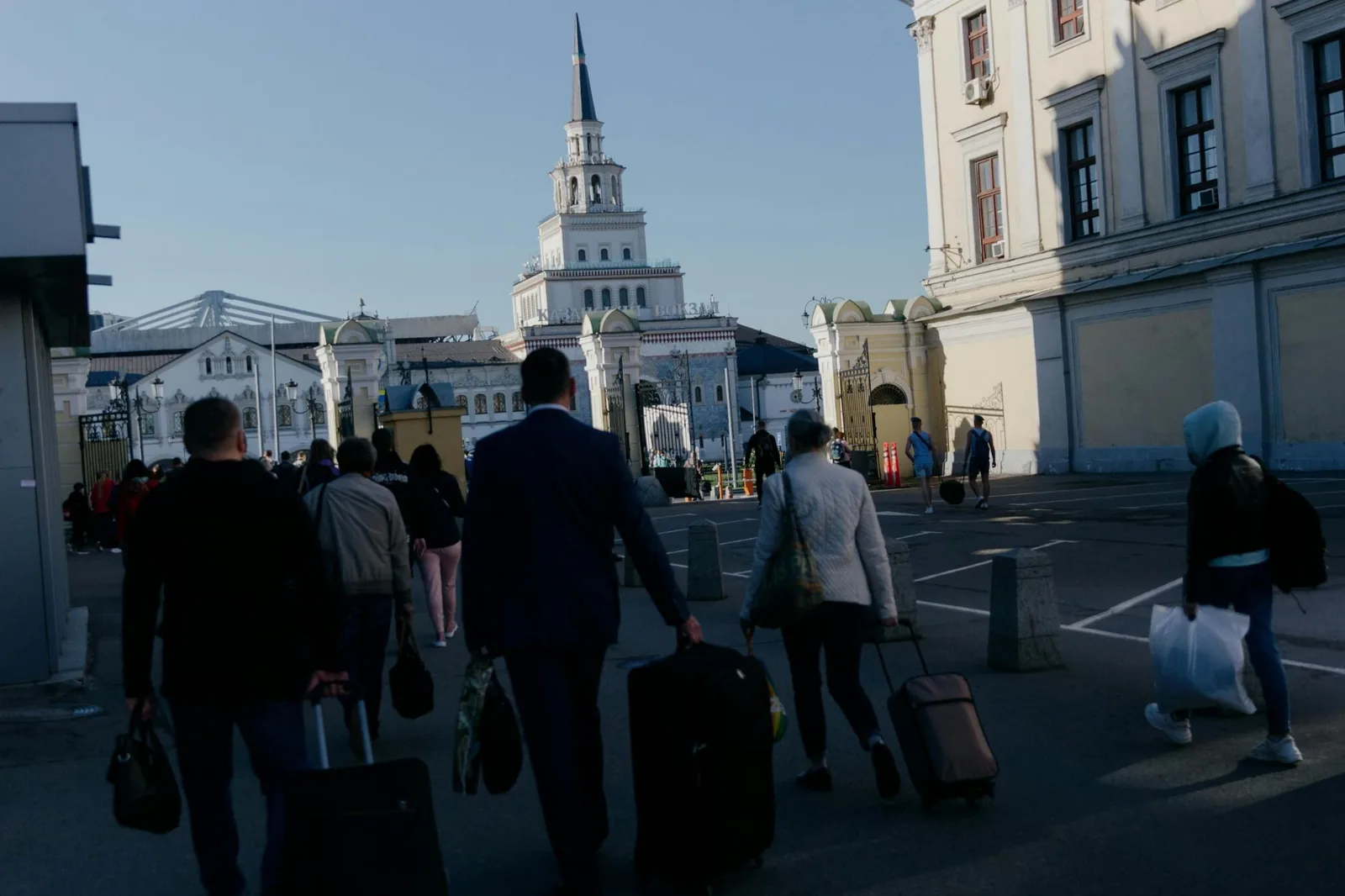
For a BTC holder, that changes the strategy entirely. The most important use of BTC on a Russia trip is not on the ground but before you arrive: securing accommodation through a platform that operates outside the Russian banking system. On the ground, you operate on cash, converting USD or EUR to rubles at exchange offices and spending through Russia's domestic Mir card network.
Russia changes how you think about traveling with BTC. The global Bitcoin travel guide puts that in context across every major destination.
What Bitcoin Can Do for Travelers in Russia
The honest answer for Russia is narrower than for most countries in this series. BTC's practical value here is concentrated at the booking stage, not the spending stage. CoinBooking covers hotels across Moscow, St. Petersburg, Sochi, Kazan, Novosibirsk, and beyond, paid directly in BTC at rates up to 30% below Booking.com and Expedia. That is the single most useful thing BTC does for a Russian visitor: it secures accommodation before arrival through an international platform that bypasses the Russian banking system entirely.
On the ground, crypto debit cards do not work. Cards issued outside Russia are declined at all Russian terminals, regardless of the card network or the issuing platform. The ground-level stack for most visitors is physical cash: USD and EUR exchange well at Russian bureau de change offices, and the resulting rubles cover the Mir-network terminals, taxis, restaurants, markets, and transport that make up daily spending.
For experienced crypto users, P2P platforms offer a route to convert BTC directly to rubles with local traders. This is a real option but comes with access caveats and counterparty considerations worth understanding before relying on it.
Is It Legal to Use Bitcoin While Traveling in Russia? What You Should Know
Russia's crypto legal framework has moved fast. In July 2024, the State Duma passed a law permitting cryptocurrency for international trade settlements, effectively legalizing BTC for international commerce. From July 1, 2026, a comprehensive regulatory framework takes effect granting cryptocurrencies status as currency assets and opening licensed exchange trading. Tourists are not restricted from holding BTC while visiting.
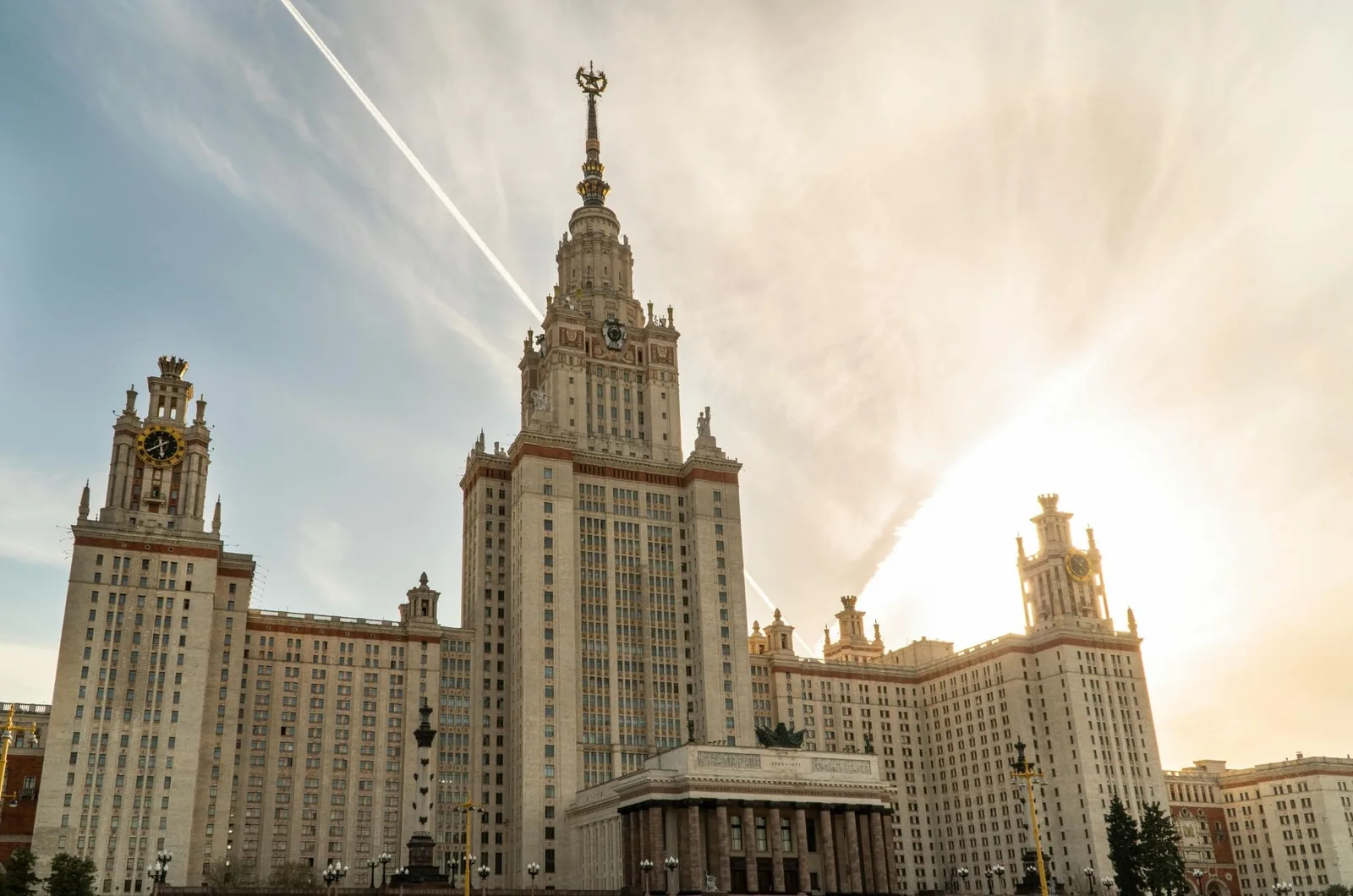
The domestic payment ban remains firmly in place. Using crypto to pay Russian merchants directly is illegal under current law, and the ruble remains the only legal tender for transactions inside Russia. That ban applies to residents and visitors alike. It also applies regardless of the 2024 and 2026 regulatory changes, which are specifically limited to international settlements between businesses.
For tourists, the practical position is this: CoinBooking operates as an international platform outside the domestic restriction. Pre-booking in BTC before arrival is entirely legal. Once inside Russia, the payment system runs on cash and Mir cards. There is no legal route to spend BTC directly with a Russian merchant, and no expectation that one will exist for the foreseeable future.
in Russia
10 Ways to Travel With Bitcoin in Russia
1. Book Hotels with CoinBooking Before You Arrive
Foreign-issued cards are declined at Russian hotel checkouts. Booking on arrival with a Visa or Mastercard simply does not work.
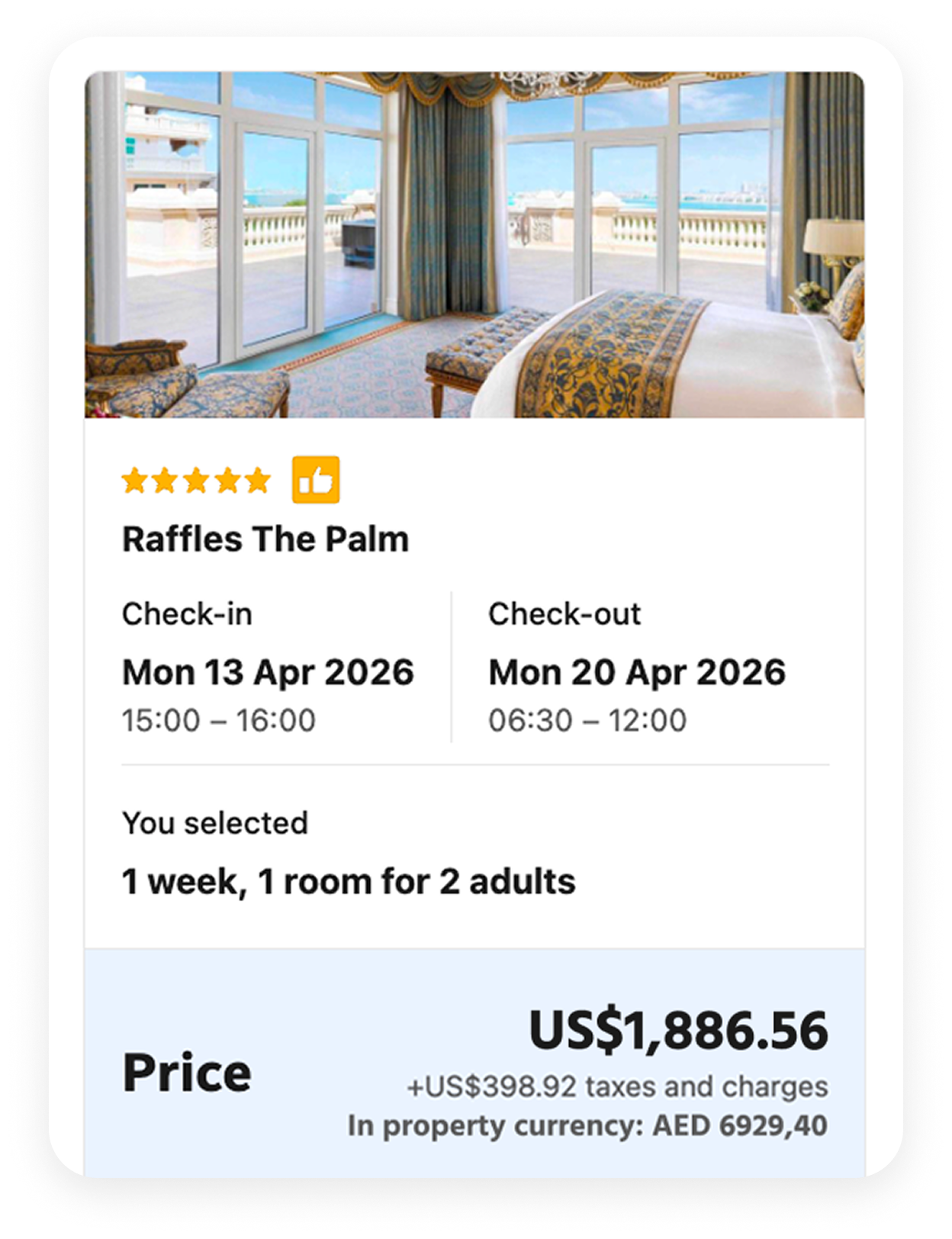
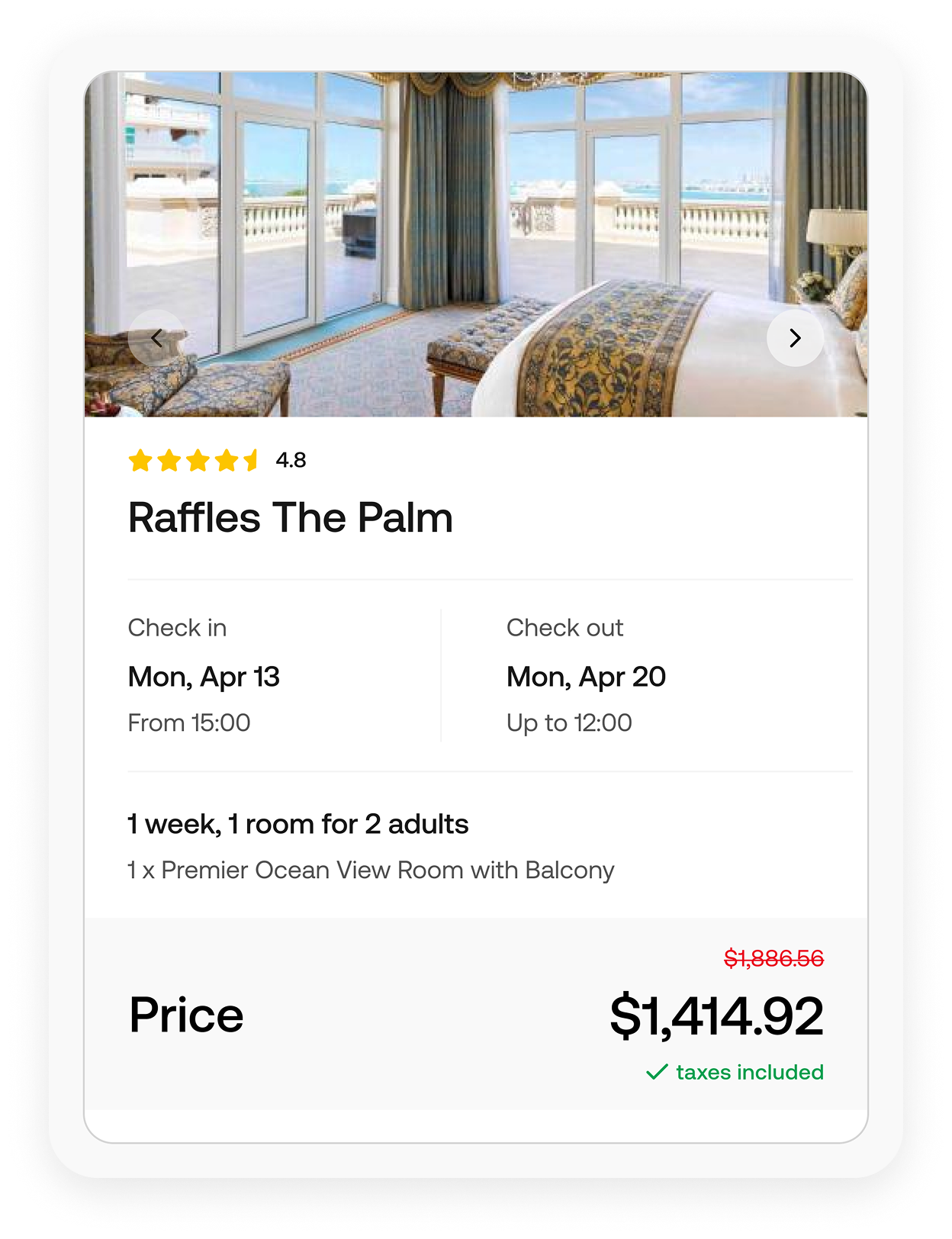
CoinBooking is a Dubai-licensed travel platform with hotel rates up to 30% below Booking.com and Expedia, processing payment entirely outside the Russian banking system. Pay in BTC or any of 200+ cryptocurrencies before the trip and arrive worry free of any issues.


Moscow, St. Petersburg near the Hermitage and Nevsky Prospekt, Sochi, and gateway towns for the Trans-Siberian and Lake Baikal routes are all covered. For anyone doing the Trans-Siberian with overnight stops across multiple cities, booking each leg in BTC before departure is the best way to handle it. The platform covers 190+ countries and 2M+ hotels and flights.
Just $870 Cheaper.

%201.png)
your first booking.
New users get $25 off their first booking.
Planning a Europe trip? Here’s how Bitcoin travel works in Switzerland
2. Plan Tours and Experiences in Advance
Russia's most visited sites require advance planning. The Hermitage in St. Petersburg sells timed entry tickets that book out weeks ahead during summer. The Kremlin and Armoury Chamber in Moscow require tickets booked in advance. Trans-Siberian Railway sleeper berths on the most popular segments sell out months ahead during peak season, and the train from Moscow to Vladivostok takes seven days with no option to improvise partway through the route.
Platforms like Viator and GetYourGuide cover some Russian tours and accept international card payment, where your crypto debit card works for the booking itself even though it will not work inside Russia. For anything requiring payment on the ground, plan to use rubles. Confirm payment methods with any Russian operator before booking.
3. Exchange Cash for Rubles at Bureau de Change
Cash is the primary spending tool in Russia for international visitors. USD and EUR are the most widely exchanged currencies at Russian bureau de change offices, and AED also exchanges well at many locations in the city center. Physical banknotes in good condition are required: torn, marked, or older series notes are sometimes refused. Bring crisp notes.
City-center exchange offices in Moscow and St. Petersburg consistently offer better rates than airport counters. Exchange enough for the full trip at a good city rate rather than making multiple small exchanges at airport or hotel rates throughout the stay. The resulting rubles work at any Mir-network terminal, taxi, restaurant, or market across the country.
4. Get a Mir Card for Local Digital Payments
Mir is Russia's domestic payment network, built after Visa and Mastercard first threatened to exit in 2014. It now covers virtually every card terminal, ATM, and point of sale in Russia. Russians use it for everything from supermarkets to transport. Foreign visitors cannot get a standard Russian bank Mir card, but there are workarounds.
YooMoney (formerly Yandex.Money) offers a virtual Mir wallet that some foreign visitors have used to make online payments through the app. The setup requires a Russian phone number and verification. For most visitors on short stays, cash covers the same ground more simply. A Mir card becomes more useful for longer stays or for visitors who plan to use Russian apps like Yandex Go, where card payment through the app on the Mir network opens up more options than cash.
5. Get Around by Metro, Taxi, and Yandex Go
Moscow's metro is one of the most extensive and reliable urban rail systems in the world, with over 200 stations. St. Petersburg's metro covers the city's main districts. Both systems accept contactless Mir card payment and cash at ticket machines. Day passes and transport cards you load with credit are available at station kiosks for rubles.
For taxis, Yandex Go is Russia's dominant taxi app. It accepts Mir card payment in-app. Foreign visitors without a Mir card can also pay the driver in cash, which most drivers in Russian cities accept without issue. Agree the fare before getting in if using a street taxi outside the app. In Moscow and St. Petersburg, booking through the app through Yandex Go is more reliable and better priced than flagging a taxi on the street.
6. Eat at Restaurants, Canteens, and Street Food
Restaurants and cafes in Moscow and St. Petersburg accept Mir card payment without any issue. Russian cuisine ranges from formal Georgian and Central Asian restaurants in Moscow to Soviet-era stolovaya canteens that offer meals of three courses for very little. Most restaurants with table service have Mir card terminals.
Street food, market stalls, and smaller local eateries run on cash. Prices at a good stolovaya or local canteen in rubles are low by any international standard. Keep a supply of smaller ruble notes for these. In areas popular with tourists of Moscow and St. Petersburg, some restaurants list prices in USD or EUR but legally must charge in rubles, so the final bill converts at the current rate. Paying in rubles directly is always preferable.
7. Buy a Russian Tourist SIM
Russia's three main carriers, MTS, Beeline, and MegaFon, all sell tourist SIMs at international airport arrivals. Payment at the counter is in rubles, cash. A local SIM is important beyond just connectivity: Yandex Go, some food delivery apps, and certain booking systems require a Russian phone number for verification. Coverage across Moscow, St. Petersburg, and the Trans-Siberian route is strong on all three networks.
SIM registration requires passport and visa information, which the airport counter handles on the spot. Data plans are inexpensive in ruble terms. For remote destinations like Lake Baikal or Kamchatka, MTS tends to have the widest coverage. Buy the SIM at the airport on arrival rather than waiting until you reach the city, as airport counters have staff who speak some English.
8. Cover Airport Transfers from Sheremetyevo and Pulkovo
Moscow's main international airport is Sheremetyevo (SVO). The Aeroexpress train connects Terminal D directly to Belorussky Station in central Moscow in about 35 minutes. Tickets are sold at the terminal for rubles, cash. Yandex Go operates from the airport pickup zone for visitors who have the app set up with a Mir card or who plan to pay the driver in cash.
St. Petersburg's Pulkovo Airport (LED) connects to the city via bus routes or Yandex Go. The bus takes about 40 minutes to the city center and costs very little in rubles. Yandex Go is the faster and more predictable option for a direct hotel transfer. As at all Russian airports, avoid unlicensed taxi touts in the arrivals hall and use the official taxi queue or app booking instead.
9. Shop at Markets, Department Stores, and Malls
Large shopping malls and department stores in Moscow and St. Petersburg accept Mir card without any issue. GUM and TSUM in Moscow, and Galeria in St. Petersburg, all have broad card acceptance at their retail tenants. Your rubles from the exchange office spend without friction at any of these.
Local markets, souvenir stalls on the Arbat in Moscow, and antique markets at Izmailovsky Park run on cash. Negotiation is common at souvenir and market stalls, and paying in rubles rather than offering foreign currency gives more room to negotiate a better price. For larger purchases like amber jewelry or artworks, asking for a receipt is worth doing.
10. Use Crypto P2P Platforms for Ruble Conversion
P2P platforms allow BTC to RUB trades directly with local Russian traders, which gives experienced crypto users a route to convert without a bureau de change. This is a real option but comes with important caveats. Some major P2P platforms have restricted Russian users under sanctions compliance requirements, so availability varies by platform and changes over time. Verify access before relying on this route.
Counterparty trust matters more in P2P trades than in standard exchange transactions. Use platforms with established escrow and dispute resolution, stick to traders with strong completion records, and do not release BTC before the ruble transfer is confirmed. For most visitors on short stays, the cash exchange route is simpler and carries less friction. P2P conversion is most useful for travelers who need larger amounts of rubles and want a better rate than bureau de change offices offer.
Russia is the sharpest edge case in Bitcoin travel. The full spending guide covers every angle.
Frequently Asked Questions
1. Can I use my Visa or Mastercard in Russia?
No. Visa suspended Russian operations in March 2022 and Mastercard did the same. Any card issued outside Russia is declined at merchants, ATMs, and online checkouts. This includes crypto debit cards, Apple Pay, and Google Pay. Only Russian-issued Mir cards work. Foreign visitors rely on cash or pre-booking through international platforms like CoinBooking before arrival.
2. Can I use Bitcoin directly in Russia?
Not with Russian merchants. Domestic crypto payments are banned and the ruble is the only legal tender. What BTC enables is pre-booking accommodation through CoinBooking before arrival, processed entirely outside the Russian banking system. For rubles on the ground, experienced users can try P2P platforms, though access varies under sanctions compliance rules.
3. Is Bitcoin legal in Russia for tourists?
Holding BTC as a visitor is not restricted. The 2024 law and the framework taking effect July 1, 2026 both move Russia toward recognizing crypto as a currency asset. The domestic payment ban remains. Tourists can hold and convert BTC but cannot pay Russian merchants directly.
4. Can I book hotels in Russia with Bitcoin?
Yes, and it matters more here than anywhere else in this guide. Foreign cards are declined at Russian hotel checkouts. CoinBooking covers hotels across Moscow, St. Petersburg, Sochi, and Kazan with direct BTC payment processed outside the Russian banking system. Rates run up to 30% below Booking.com. New users get $25 off their first booking.
5. What is the best way to pay in Russia as a tourist in 2026?
Book accommodation in BTC through CoinBooking before you travel. Bring USD or EUR in cash to exchange at city-center bureau de change offices on arrival. Use rubles for all spending on the ground. Only Russian-issued Mir cards work inside the country. Foreign cards, including crypto cards, are not a viable spending tool.
6. How do I get Russian rubles from Bitcoin while traveling?
Bring physical USD or EUR and exchange at Moscow or St. Petersburg city-center bureau de change offices, which offer better rates than airport counters. For BTC, P2P platforms allow direct BTC to RUB trades, but availability varies under sanctions compliance restrictions. Foreign bank ATMs do not work in Russia. Cash exchange is the only reliable fallback.
Spending crypto is the easy part. 30% off is the good part.
Get up to 30% off all future hotels and flights.

Yaryna Dobrianska is a Dubai-based business and technology writer with a background in fintech and digital services. She covers cryptocurrency adoption, cross-border payments, and the practical realities of spending digital assets across emerging markets.
Her work at Polkastarter focuses on making Web3 accessible, breaking down how crypto moves through real-world financial systems, from payments infrastructure to on-chain adoption trends.
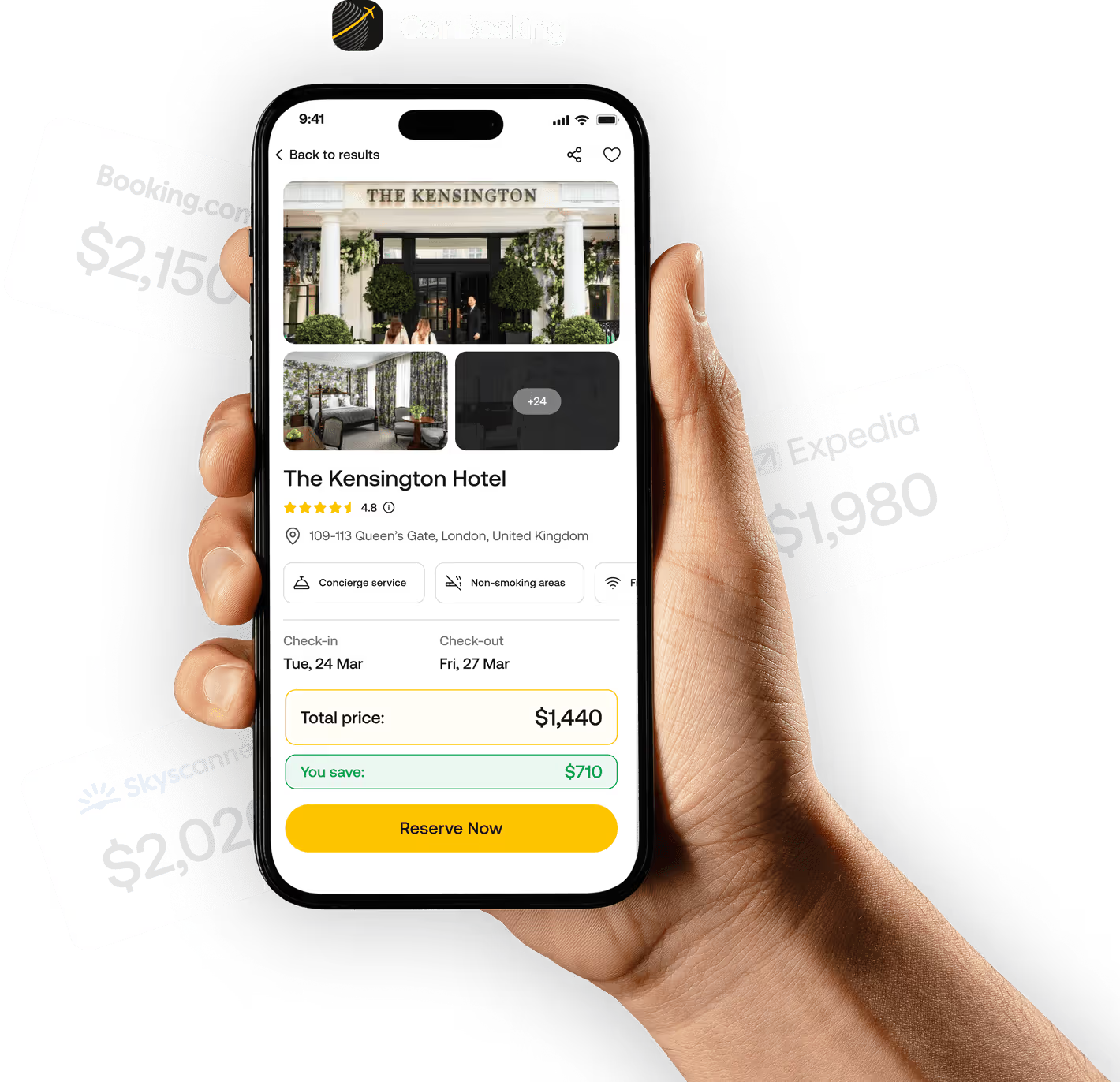
You just read 12 ways to spend crypto. This is the most valuable.
.avif)
You just read 12 ways to spend crypto. This is the most valuable.