.avif)
.png)
.avif)


Content
Top 10 Ways to Travel With Bitcoin (BTC) in Turkey

If you're heading to Turkey, the currency situation is worth understanding before you book anything. The lira depreciated 16.5% against the US dollar in 2024 alone and has lost more than 80% of its value against the dollar over the past five years. Prices on local booking platforms shift with the exchange rate. Locking in your accommodation in Bitcoin before you arrive removes that problem entirely.
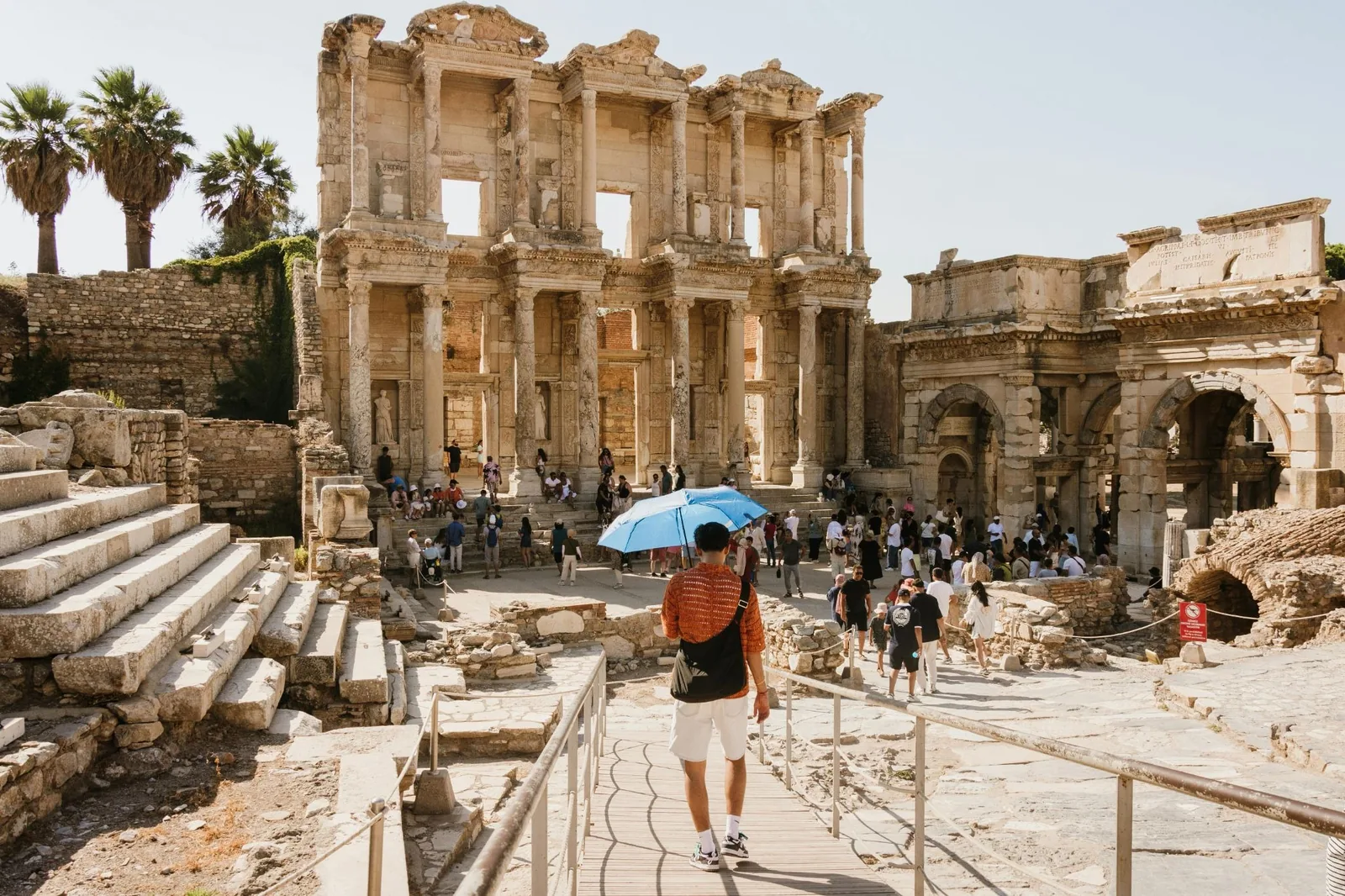
Once you land, spending becomes straightforward. Istanbul, Antalya, Bodrum, and Izmir all have wide card acceptance, and a crypto debit card covers most of what you need without any conversion hassle. Some items on this list are best handled before you leave home. The rest you sort out on the ground. Here is how to make your BTC work across the whole trip.
New to traveling with Bitcoin? Our global guide breaks down the tools, cards, and platforms that work in every major destination.
What Bitcoin Can Do for Travelers in Turkey
Turkey is the fourth largest cryptocurrency market in the world as of 2024, a ranking driven largely by locals using crypto to protect their savings from lira depreciation. That widespread adoption works in your favor as a visitor. International platforms, card infrastructure, and peer to peer tools are all well established here.
The most useful tool before you arrive is CoinBooking, which lets you book hotels and flights directly in BTC with no lira conversion required. Once you're on the ground, a crypto Visa or Mastercard debit card handles most day-to-day spending at any card terminal. Bitrefill rounds out the toolkit with telecom top ups and local gift cards including Turkcell and Turk Telekom.
The one thing you cannot do is pay in BTC directly at a shop or restaurant. The Central Bank of Turkey banned crypto payments to merchants in April 2021, and that has not changed. In practice, this is less limiting than it sounds: pre-book what you can in BTC, spend via card everywhere else, and keep a modest amount of Turkish lira for markets and street food. An ATM withdrawal using your debit card is all you need to sort that out on arrival.
Is It Legal to Use Bitcoin While Traveling in Turkey? What You Should Know
Turkey's legal position on crypto is straightforward once you understand the one rule that shapes everything. Buying, holding, trading, and converting Bitcoin is entirely legal for residents and foreign visitors. What the Central Bank banned in April 2021 is using crypto as a direct payment method at the point of sale. You cannot hand your phone to a shopkeeper and settle in BTC. That restriction applies to everyone inside Turkey, locals and tourists alike.
For a visitor, this matters less than it might seem. The platforms that actually serve tourists, including international booking sites, crypto debit card networks, and Bitrefill, all operate outside the domestic payment restriction. A 2024 law then formalized the broader sector by requiring local exchanges to obtain Capital Markets Board licenses, which brought platforms like BtcTurk and Paribu into a regulated framework. That has no effect on how you use your BTC as a visitor.
The practical picture for a tourist is this: you are free to hold BTC, convert it, spend it via a crypto debit card at any card terminal, and book accommodation or flights through CoinBooking before you arrive. None of that touches the domestic payment ban. The only thing off the table is walking up to a checkout and paying in crypto directly, which is not how most tourists were planning to spend anyway.
in Turkey
10 Ways to Travel With Bitcoin in Turkey
1. Book Your Hotels and Flights with CoinBooking
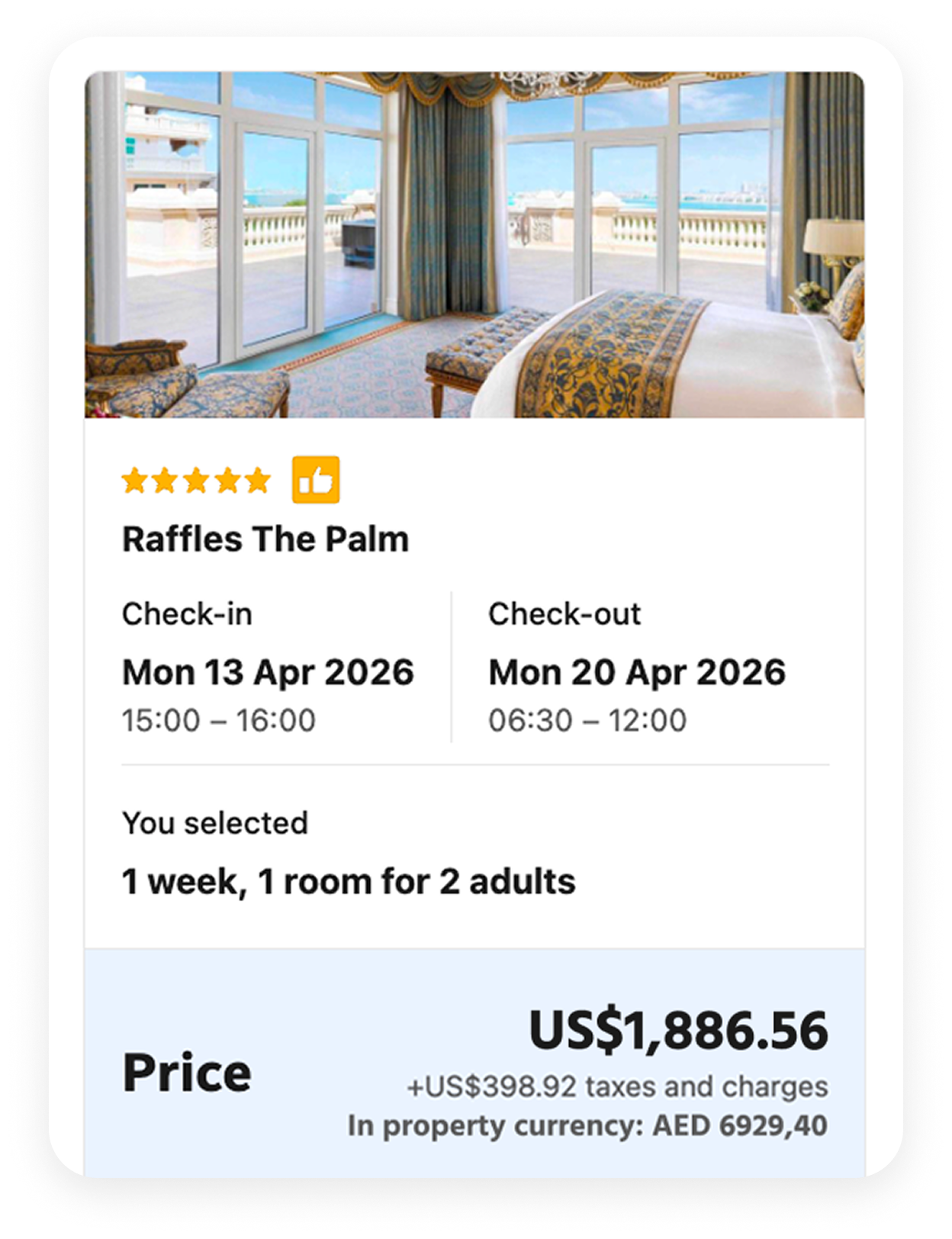
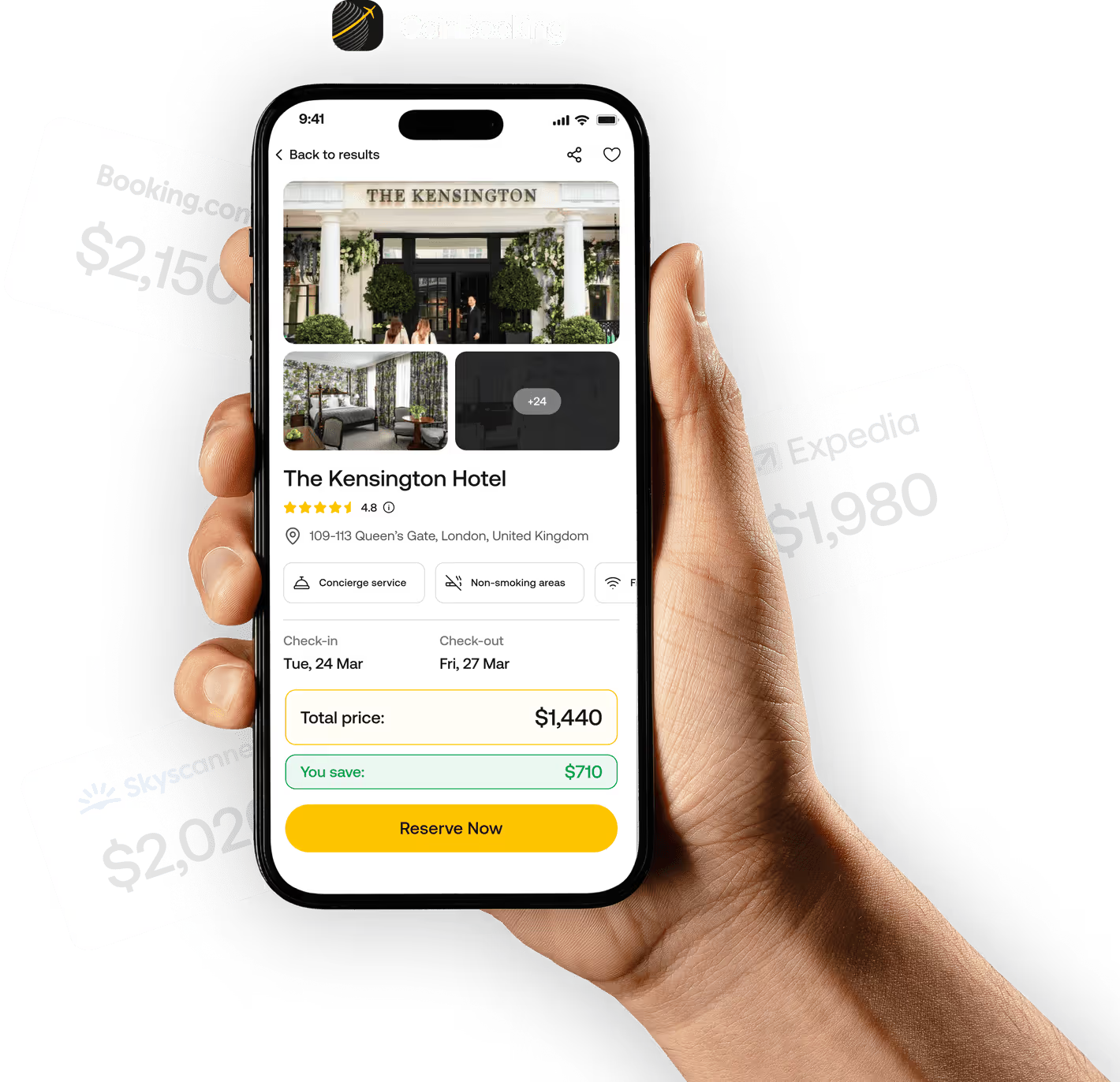
Booking accommodation in Turkey on a standard platform means your rate is exposed to lira volatility from booking to check-in. CoinBooking is a Dubai-licensed travel platform with hotel and flight rates up to 30% below Booking.com and Expedia, paid in BTC or any of 200+ other cryptocurrencies.



Istanbul draws over 15 million visitors a year on its own. For Turkish holders booking a hotel there or a flight to Dubai or Berlin, the same 30% saving applies either way. Cave hotels in Cappadocia, seafront properties in Bodrum and Alacati, and the Aegean and Mediterranean coasts are all covered. The platform spans 190+ countries and 2M+ hotels and flights.
Just $870 Cheaper.

%201.png)
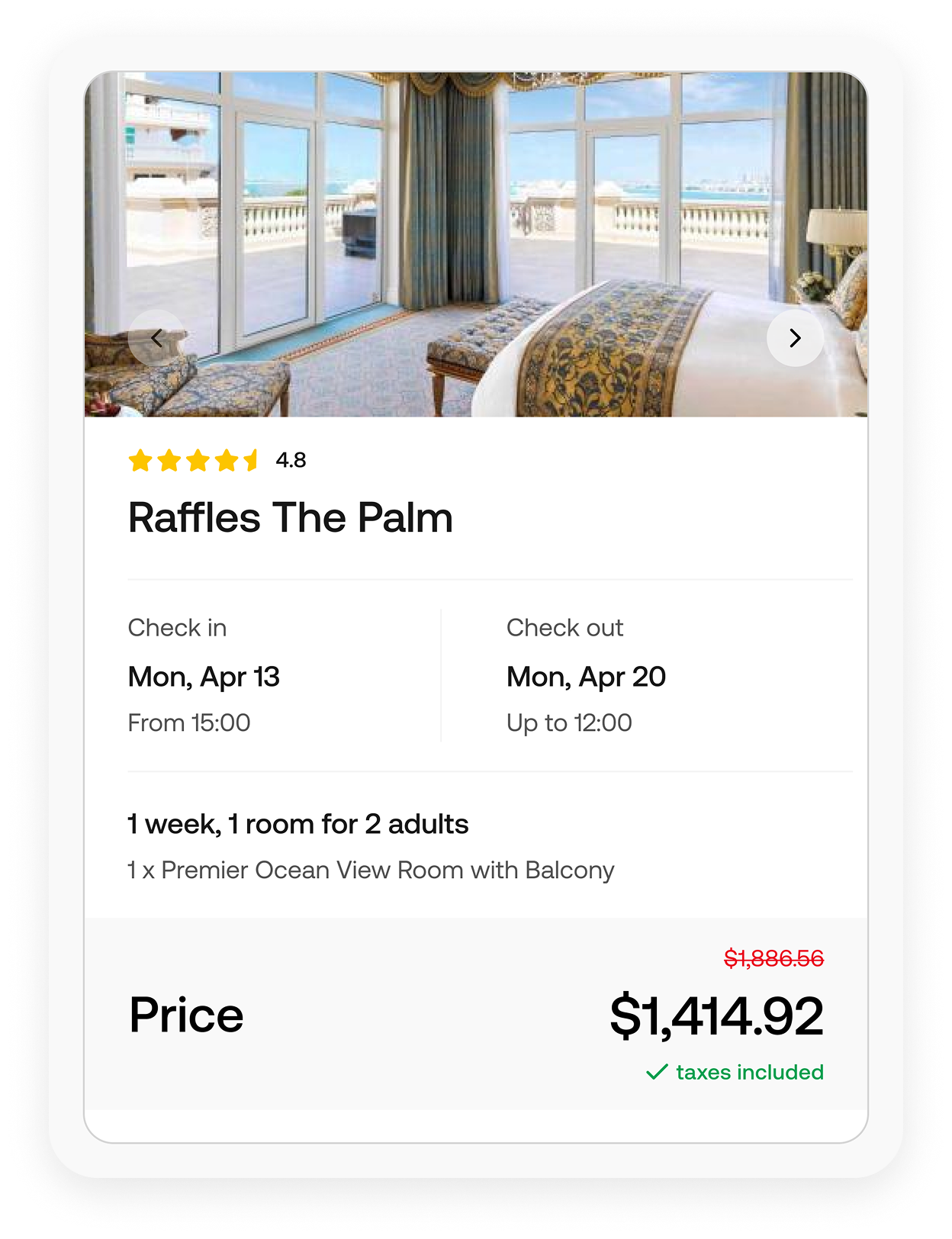
your first booking.
New users get $25 off their first booking.
Heading to Russia? Here’s how Bitcoin travel works there.
2. Book Tours and Activities in Advance
Turkey has some of the most recognizable experiences in world tourism: a hot air balloon over Cappadocia at sunrise, a Bosphorus cruise, the Hagia Sophia, Pamukkale's thermal terraces. Many of these sell out, and the best operators fill up weeks before your dates.
Platforms like Viator and GetYourGuide let you browse and book a wide range of Turkish tours in advance. Your crypto debit card works fine at checkout on both. Booking ahead also protects you against price increases close to your dates on experiences priced in lira. If Cappadocia is on the itinerary, get the balloon flight booked as early as possible. It is dependent on weather and the top operators fill consistently.
3. Use a Crypto Debit Card for Day-to-Day Spending
This is your main tool once you have landed. A Bybit Card, Crypto.com Visa, or Wirex card converts your BTC or USDT to local currency at the point of sale, letting you pay anywhere Visa or Mastercard is accepted. In Istanbul, Antalya, Bodrum, and Izmir, that covers restaurants, shops, museums, pharmacies, and supermarkets. Card acceptance outside the big cities is patchier, so this is also where having some lira in your pocket matters.
Load the card from your BTC holdings before or during the trip. Spending limits vary by card tier, so check what applies to your account beforehand. This is the most practical solution for unplanned spending on the ground. Keep the card funded and it handles the majority of the trip without friction.
4. Withdraw Turkish Lira from ATMs Using Your Crypto Card
Card acceptance is strong in Turkey's main tourist cities, but you will still need cash for local markets, street food stalls, smaller restaurants away from the tourist belt, and any situation where the seller prefers Turkish lira for tipping or negotiating. Your crypto debit card works at any standard ATM to pull out lira directly from your BTC or USDT balance.
Two practical notes worth keeping in mind. Turkish ATMs often charge a fixed fee per withdrawal, sometimes $5 or more, so taking out a larger amount in one go costs less than several small withdrawals. Also, always decline the Dynamic Currency Conversion option when it appears on screen. That is the prompt where the ATM offers to settle the transaction in your home currency rather than TRY. Decline it every time and let your card provider handle the rate instead.
5. Get Around Istanbul and Other Cities
Istanbul has a genuinely good public transport network. The metro, trams, Marmaray rail line, and ferries all operate on the Istanbulkart, a contactless travel card you load with TRY at any station kiosk. Your crypto debit card works at those kiosks. One card covers every mode of transport across the city and costs far less than paying per journey.
For taxis, BiTaksi is Istanbul's main taxi app. You can pay by contactless card in the cab or through the app, and your crypto Visa or Mastercard works for both. In Antalya and Izmir, Bolt operates on the same basis. Stick to an app or the official taxi queue at the airport rather than flagging something down, which tends to come with inflated fares for tourists.
6. Eat at Restaurants, Cafes, and Meyhanes
Istanbul's food scene ranges from upscale restaurants on the Bosphorus in Bebek to neighbourhood meyhanes, the traditional Turkish taverns, in Karakoy and Balat. Card acceptance is reliable in most restaurants with table service in areas popular with tourists, and your crypto debit card handles those transactions without any issues.
Outside the main tourist areas, and especially in smaller cities and local spots, cash is more common. This is where having lira from an earlier ATM withdrawal pays off. One Turkish custom worth knowing: tips are typically left in cash rather than added to the card payment. Keep small TRY notes for this purpose. Street food like simit, balik ekmek (the classic fish sandwich), and midye (stuffed mussels) is almost always cash only and costs very little per item.
7. Buy a Tourist SIM or Top Up Mobile Data
The easiest option is to buy a Bitrefill eSIM for Turkey before you travel. Bitrefill sells eSIMs compatible with Turkish networks and accepts BTC, USDT, and other crypto at checkout. Setup takes a few minutes from your phone and you arrive already connected, with no need for a physical SIM or a trip to an airport kiosk.
If you prefer a physical SIM, kiosks at Istanbul IST, Istanbul Sabiha Gokcen (SAW), and Antalya Airport all sell tourist SIMs from Turkcell, Turk Telekom, and Vodafone, payable by card at the counter. Bitrefill also covers top up credit for all three carriers if you need to reload during the trip.
8. Cover Airport Transfers from Istanbul and Antalya
Istanbul has two international airports. IST (Istanbul Airport) is on the European side, and SAW (Sabiha Gokcen) is on the Asian side. From IST, the Havatas airport bus connects to Taksim and other central points for a fixed fare, and you buy the ticket by card at the terminal. The metro link from IST is also expanding its coverage. From SAW, Havatas buses run to Kadikoy and Taksim on the same basis.
For a direct transfer, BiTaksi and other taxi apps work from both Istanbul airports, with payment by card through the app. Antalya Airport is similarly straightforward, with taxis and Havas shuttle buses connecting the terminal to the city center and coastal resorts. Booking a transfer in advance where possible saves the negotiation on arrival.
9. Shop the Grand Bazaar and Beyond
Istanbul's Grand Bazaar covers more than 60 streets and over 4,000 shops selling carpets, jewelry, ceramics, leather goods, textiles, and spices. Most vendors accept cards for larger purchases, but cash gets you a better price when you're negotiating. Local sources confirm that paying in TRY signals you're a serious buyer, and sellers often quote a lower number for cash than they do for a card.
Your crypto debit card works fine at stalls that take cards. But if you plan to bargain, and in the Grand Bazaar you absolutely should, withdraw TRY beforehand and use it. The same logic applies at the Spice Bazaar nearby. For something substantial like a carpet or a piece of jewelry, paying by card gives you a paper trail and purchase protection that cash does not. For smaller items and souvenirs, cash gives you the edge on price.
10. Buy Turkish Brand Gift Cards and Top Ups via Bitrefill
Bitrefill's Turkey catalog includes a useful range of local brands alongside international ones. You can buy top up credit in BTC for Turkcell and Turk Telekom, pick up gift cards for Migros, one of Turkey's main supermarket chains, and access Google Play Turkey gift cards for purchases inside apps. Payment goes through in BTC, ETH, USDT, or other supported crypto.
This is particularly useful if you want to load value in advance on a specific platform, or if you're staying long enough to use a local grocery or food delivery service. Bitrefill requires no account and delivers codes by email, usually within minutes.
Looking to spend more broadly once you're on the ground? See the full breakdown of ways to use Bitcoin and USDT in Turkey.
Frequently Asked Questions
1. Can I use Bitcoin directly in Turkey?
Not to pay merchants in person. The Central Bank of Turkey banned direct crypto payments for goods and services in April 2021, so paying a restaurant or shop in BTC at the register is not an option. What you can do is book accommodation and flights through international platforms like CoinBooking before you arrive, and use a crypto debit card such as the Bybit Card, Crypto.com Visa, or Wirex to pay at card terminals across the country. Those tools sit outside the domestic payment ban and work without restriction. Holding, trading, and converting BTC in Turkey is fully legal for tourists.
2. What is the best crypto card for traveling in Turkey?
The Bybit Card, Crypto.com Visa, and Wirex card are all practical options for Turkey. Each converts BTC or USDT at the point of sale, works on any Visa or Mastercard terminal, and lets you withdraw Turkish lira at ATMs. The differences come down to fees, spending limits, and supported assets, so check the current fee schedule for each before committing. In Turkey, a card with low ATM withdrawal fees is worth prioritizing since you will want lira on hand for markets, street food, and bargaining in the Grand Bazaar.
3. Can I book hotels in Turkey with Bitcoin?
Yes. CoinBooking lets you book hotels across Turkey, covering Istanbul, Cappadocia, the Turquoise Coast, Bodrum, Alacati, and more, and you pay directly in BTC or more than 100 other cryptocurrencies. For Turkey specifically, booking through CoinBooking is a practical hedge against lira volatility. It locks your accommodation cost in crypto terms before you arrive, removing any exposure to exchange rate movement between booking and check in. New users get $25 off their first booking.
4. Is Bitcoin legal for tourists in Turkey?
Yes, with one important distinction. Holding, trading, and converting Bitcoin is entirely legal in Turkey for foreign visitors. The restriction that applies is the 2021 CBRT ban on using crypto to pay merchants directly, meaning you cannot hand your phone to a shopkeeper and settle in BTC at the till. For tourists this matters less in practice: international booking platforms and crypto debit cards both operate outside the domestic restriction and are fully accessible from Turkey. The 2024 Crypto Asset Service Provider law formalized the sector further by requiring local exchanges to hold Capital Markets Board licenses, but this has no effect on how visitors use crypto.
5. How do I get Turkish lira from Bitcoin while traveling?
The fastest method for most tourists is a crypto debit card such as the Bybit Card or Crypto.com Visa. Use it at any standard ATM in Turkey to withdraw TRY directly from your BTC or USDT balance. Turkish ATMs often charge a fixed fee per withdrawal, so taking out a larger amount in one go keeps costs down. Always decline the Dynamic Currency Conversion option on screen and let your card provider settle in TRY. If you need to convert a larger amount and want the best available rate, BtcTurk and Paribu are the two main licensed Turkish exchanges, though opening an account takes time and is usually not worth it for a short trip.
6. Do I need cash in Turkey, or is a card enough?
In Istanbul, Antalya, Bodrum, and Izmir, card acceptance is broad enough that you can get through most of a trip without cash. That said, you will want TRY for street food, smaller restaurants away from tourist areas, tips (which are almost always paid in cash), and bargaining in markets like the Grand Bazaar where cash typically gets you a better price than card. A practical split: use your crypto debit card for restaurants with table service, shops, and transport, and keep a moderate amount of lira for everything smaller. Withdraw at an ATM using your card rather than exchanging at the airport, where rates are consistently worse.
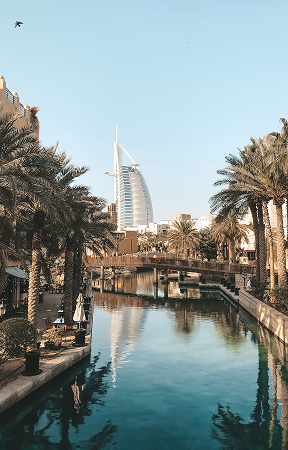
Spending crypto is the easy part. 30% off is the good part.
Get up to 30% off all future hotels and flights.

Yaryna Dobrianska is a Dubai-based business and technology writer with a background in fintech and digital services. She covers cryptocurrency adoption, cross-border payments, and the practical realities of spending digital assets across emerging markets.
Her work at Polkastarter focuses on making Web3 accessible, breaking down how crypto moves through real-world financial systems, from payments infrastructure to on-chain adoption trends.
You just read 12 ways to spend crypto. This is the most valuable.
.avif)
You just read 12 ways to spend crypto. This is the most valuable.