.avif)
.png)
.avif)


Content
Top 12 Ways to Spend Bitcoin (BTC) and USDT in Egypt

In March 2024, the Central Bank of Egypt devalued the pound by 40% in a single day, sending the exchange rate from 31 to over 50 per dollar. For millions of Egyptians, that was not an abstract policy decision. It was their savings losing nearly half their value overnight. USDT stepped in as a practical dollar-denominated savings account that requires no bank, no foreign currency approval, and no paperwork.
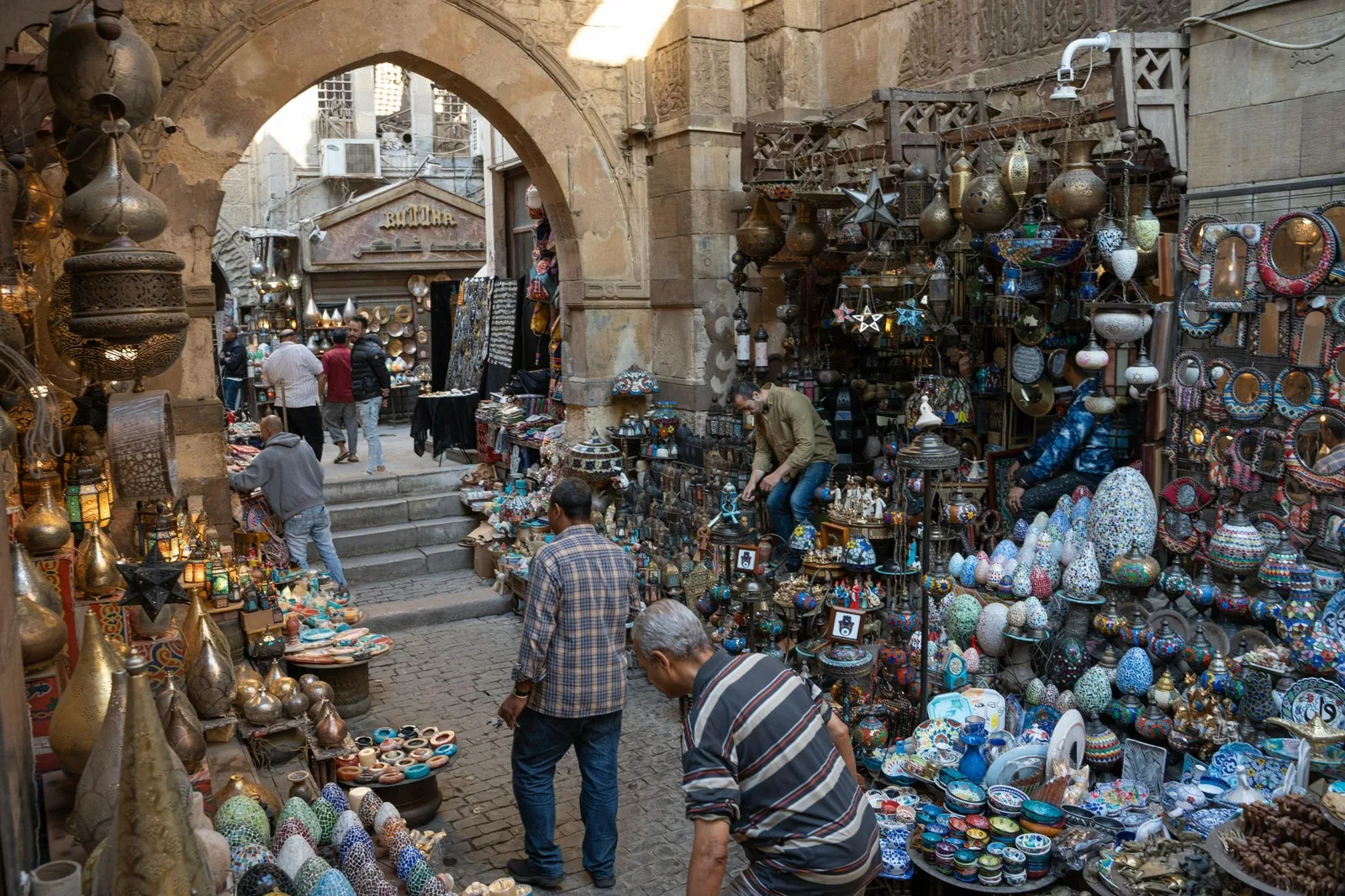
Crypto activity in Egypt surged 42.8% in 2025, and the country is on track to reach 13.6 million crypto users by 2026. The remittance story reinforces it: Egypt received $29.4 billion in remittance inflows in 2024, a 51.3% increase on the previous year, with the bulk arriving from Saudi Arabia, the UAE, and Kuwait.
Holding crypto in a different country? Browse every country in this series.
Can You Spend Bitcoin and USDT Directly in Egypt?
No Egyptian retailer, restaurant, or service accepts BTC or USDT directly at point of sale. The domestic economy runs on EGP via cash, card, or Fawry, and that is unlikely to change in the near term given the current regulatory environment. Three routes work without any EGP conversion: CoinBooking for travel, a crypto Visa debit card at any Egyptian Visa terminal, and Bitrefill for international gift cards and mobile top-ups.
For everything else, converting to EGP first is the only practical path. Binance P2P is the primary conversion route, with active EGP pairs and multiple local payment method options including Vodafone Cash, Orange Money, and direct bank transfer. Once EGP lands in a mobile wallet or bank account, Fawry becomes the gateway to the majority of Egyptian bill payment, retail, and e-commerce.
On tax: Egypt’s EFSA and ETDA have not issued specific crypto tax guidance as of early 2026. Tax treatment of gains is undefined, and this is worth flagging with a local accountant for anyone holding or trading at significant volume.
Is It Legal to Use Bitcoin and USDT in Egypt? Understanding the Grey Zone
Crypto is not banned in Egypt, but it is not regulated either, and the distinction matters. The Central Bank of Egypt has issued public warnings about crypto in 2018, 2021, 2022, 2023, and again in 2025. Egypt’s Law No. 194 of 2020 prohibits the issue, trade, or promotion of crypto without a CBE licence, and no exchange currently holds such a licence. Egypt’s Dar al-Ifta also issued a religious ruling in 2018 classifying cryptocurrencies as impermissible under Islamic law, though this is advisory rather than legally binding.

In practice, an estimated 11.3 million Egyptians hold or trade crypto through international platforms, and individual holders have not faced systematic prosecution. The gap between written law and practical reality is wide. That said, the environment could shift, and users should stay informed on regulatory changes. This article does not constitute legal advice, and consulting a local lawyer or accountant before significant activity is the prudent approach.
Tax treatment is undefined. Egypt’s financial regulators have not issued crypto-specific guidance on capital gains or income from crypto activity. Keep records of all transactions and consult a local accountant if you are receiving regular income in USDT or trading at volume.
in Egypt
12 Ways to Spend Bitcoin (BTC) and USDT in Egypt
Egypt draws tens of millions of international tourists each year, and over 3.6 million Egyptians live and work abroad, mostly across the Gulf. Both groups spend significant amounts on travel often through booking platforms at full retail.


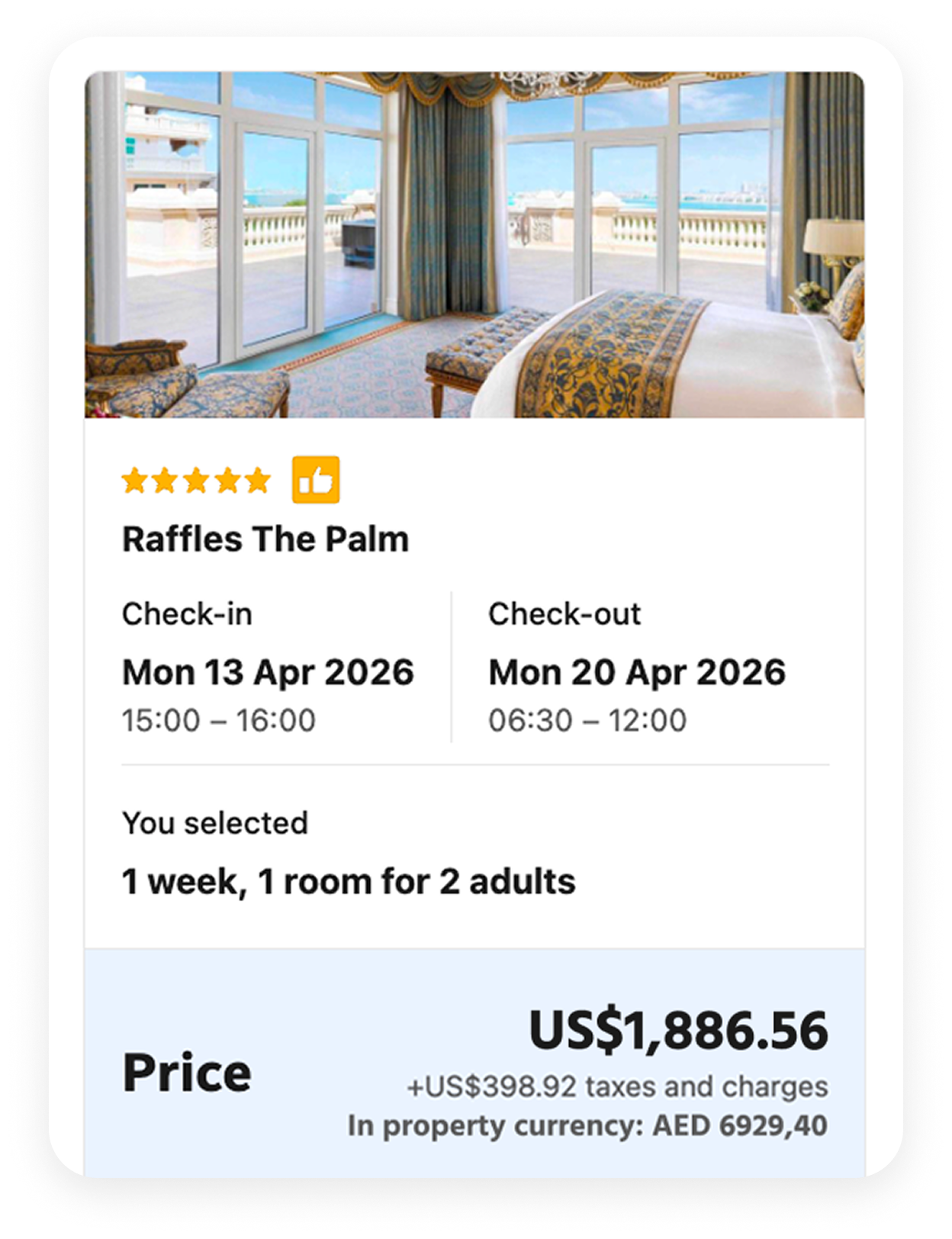
CoinBooking is a Dubai-licensed travel platform that lists the same hotels and flights as Booking.com and Expedia at up to 30% less, accepting Bitcoin, USDT, and 100+ other cryptocurrencies directly at checkout. For an Egyptian in Riyadh or Dubai booking flights home to Cairo or Alexandria, or a visitor pricing hotels in Luxor, Sharm el-Sheikh, or Hurghada, the same 30% saving applies.
Coverage spans 190+ countries and over a million properties.
Just $870 Cheaper.

%201.png)
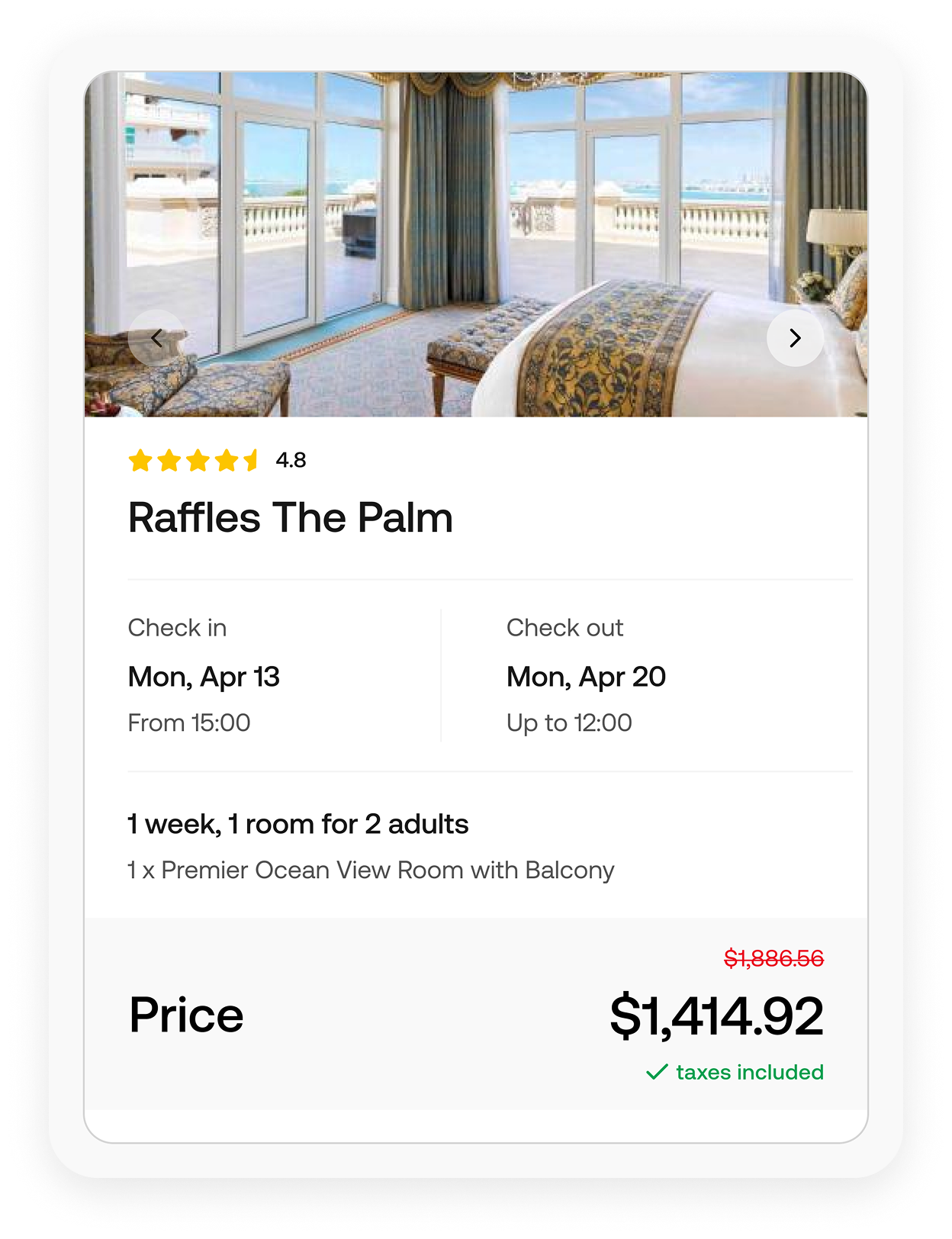
your first booking.
First-time users get $25 off their first booking.
Already have Istanbul on the list? See how Bitcoin and USDT work in Turkey.
2. Use a Crypto Debit Card for Everyday Spending
Card terminals are standard at hotels, larger supermarkets, petrol stations, and retail chains in Cairo, Alexandria, and other major Egyptian cities. A crypto Visa debit card works at any of these terminals and converts your BTC or USDT automatically at the point of payment. The Crypto.com Visa card and the Bybit Card both function at Egyptian Visa and Mastercard terminals without requiring a local bank account or EGP pre-loading.
For Egyptians holding USDT as a savings buffer against pound devaluation, a crypto debit card offers a way to spend that balance in daily life without first going through a P2P conversion. Each card transaction is a disposal event, which is worth noting for anyone keeping records for tax purposes.
3. Buy Gift Cards and Mobile Top-ups via Bitrefill
Bitrefill operates in over 186 countries and offers a broad catalogue of international gift cards and service vouchers purchasable directly in BTC, ETH, USDT, and USDC. For Egyptian holders, this is particularly useful for international platforms and services that do not have a local EGP payment option. Bitrefill also supports Lightning Network payments, keeping fees low for smaller amounts.
For international mobile top-ups, including Egyptian numbers on Vodafone, Orange, Etisalat, and WE, Bitrefill covers all four carriers directly, making it straightforward to top up a number from abroad or locally without any EGP conversion step.
4. Convert USDT to EGP via Binance P2P
For the majority of everyday Egyptian spending, converting USDT to EGP first is unavoidable. Binance P2P is the dominant platform for this, with active EGP pairs and local payment methods including Vodafone Cash, Orange Money, and direct bank transfer. Rates are typically more competitive than formal exchange channels, which is part of why P2P has become the standard route for Egyptian crypto holders.
Binance implemented a T+1 withdrawal restriction for Egyptian KYC-verified users in 2024, requiring a 24-hour hold on newly purchased crypto before it can be withdrawn to an external wallet. This applies to retail users, not P2P merchants. Once EGP lands in a Vodafone Cash wallet or bank account, Fawry opens up access to the majority of Egyptian bill payment, retail, and e-commerce.
5. Shop Online via Amazon.eg, Noon, or Jumia
Amazon.eg, Noon, and Jumia are Egypt’s three dominant online marketplaces, covering electronics, fashion, home goods, and a wide range of consumer products. None accept crypto directly. The practical route is converting USDT to EGP via Binance P2P, then paying by card or through Fawry at checkout. Amazon.eg and Noon both support card payment and cash on delivery. Jumia supports Fawry payment directly at checkout, making it the most crypto-accessible route once EGP conversion is done.
For product categories where price is relatively stable in dollar terms, such as electronics and imported goods, holding USDT before conversion means you are less exposed to the EGP depreciation that inflates those prices over time.
6. Pay via Fawry or Mobile Wallets
Fawry is Egypt’s dominant fintech payment network, accepted at over 166,500 locations across 300 cities, including pharmacies, kiosks, supermarkets, and post offices. It is the last-mile payment infrastructure for most of the Egyptian consumer economy: utility bills, mobile top-ups, insurance, government fees, and e-commerce payments all run through Fawry. After converting USDT to EGP via Binance P2P into a Vodafone Cash or Orange Money wallet, Fawry becomes immediately accessible for almost any domestic payment.
Vodafone Cash and Orange Money are Egypt’s two most widely used mobile wallets, accepted at merchants, for P2P transfers, and as funding sources for Fawry payments. Both can be loaded with EGP received from Binance P2P transfers. For day-to-day spending in Egypt, this combination of Binance P2P, a mobile wallet, and Fawry covers the vast majority of consumer needs.
7. Top Up Mobile Credit for Vodafone, Orange, Etisalat, and WE
Egypt’s four main mobile carriers, Vodafone, Orange, Etisalat, and WE, all support prepaid top-up through Bitrefill in BTC or USDT. This is the most direct route for topping up an Egyptian number without any EGP conversion. For the Egyptian diaspora in the Gulf or Europe topping up family numbers back home, Bitrefill is faster and cheaper than most international top-up services.
For postpaid accounts, bills settle via direct debit, bank transfer, or Fawry. Fund a Vodafone Cash wallet through Binance P2P and Fawry handles the bill automatically. Vodafone Egypt holds the largest subscriber share, followed by Orange, Etisalat, and WE.
8. Order Food via Talabat or Otlob
Talabat is Egypt’s dominant food delivery platform. It is worth noting that Otlob, Egypt’s original food ordering service launched in 1999, was rebranded as Talabat after Delivery Hero acquired it in 2016. The two names refer to the same platform today. Talabat does not accept crypto directly at checkout.
The practical route is paying via a Crypto.com or Bybit crypto debit card set as the default in the app, which converts BTC or USDT at the point of order. Alternatively, fund a Vodafone Cash wallet through Binance P2P and use it as the payment method within Talabat, which supports mobile wallet payments at checkout.
9. Send Remittances Home from the Gulf or Europe
Egypt received $29.4 billion in remittances in 2024, making it one of the largest remittance-receiving countries in the world. The primary corridors are Saudi Arabia, UAE, Kuwait, Qatar, Italy, and the United States. Traditional channels, including Western Union, MoneyGram, and bank wire, typically charge 5 to 7% of the transferred amount and take one to three business days. USDT sent to a family wallet in Egypt converts to EGP via Binance P2P typically within the hour, at rates that are consistently more competitive than formal wire channels.
For the Egyptian diaspora in the Gulf, this is particularly relevant because Gulf-to-Egypt bank transfers have historically shown significant rate gaps between official and informal exchange channels. USDT eliminates that problem: the sender sends USDT, the recipient in Cairo or Alexandria converts to EGP at the best available P2P rate.
Want to send crypto to family in the US? See exactly how they can spend it once it arrives.
10. Get Paid and Spend as a Freelancer or Remote Worker
Egypt has a large and growing population of developers, designers, translators, and content creators working for international clients, most of whom are paid in USDT. For this group, USDT is not a speculative asset, as it is their income currency, and it preserves its value against the pound in a way that a direct EGP bank transfer does not. Platforms like Bitwage and direct wallet-to-wallet transfers from international clients via Binance or Coinbase are the most common payment routes.
For Egyptian freelancers, the typical flow is: receive USDT, hold as a savings buffer against EGP depreciation, convert portions to EGP via Binance P2P as needed for local expenses, and deploy through Vodafone Cash or Fawry. Egypt’s tax authority has not issued specific guidance on crypto income, but USDT received for services rendered is income and should be tracked. Consulting a local accountant is worth the cost for anyone receiving regular USDT payments.
11. Pay for Online Courses and Education
International education platforms including Coursera, Udemy, and LinkedIn Learning all accept card payments. A Crypto.com or Bybit debit card handles these directly from a BTC or USDT balance without any EGP conversion step. Bitrefill carries gift cards for several of the larger platforms as an alternative.
Egypt’s public universities: Cairo University, Alexandria University, and Ain Shams University do not accept crypto for tuition or fees. A growing number of private coding bootcamps and professional certification providers operating in Cairo accept USDT directly, particularly those catering to the freelancer and developer community that drives Egypt’s crypto adoption.
12. Gaming, Streaming, and Digital Subscriptions
Steam, PlayStation Network, Xbox Game Pass, Netflix, and Spotify all have strong user bases in Egypt, and none accept crypto directly at checkout. Bitrefill solves this with instant gift card delivery for all of them, including Google Play, purchasable in BTC or USDT with no EGP conversion required. For Egyptian users who prefer to keep their balance in USDT rather than hold depreciating EGP, buying a Bitrefill code is more direct than converting first.
For Web3 and blockchain gaming, the picture is different. BTC and USDT are already native payment methods across the category, and Egypt’s developer community in Cairo has produced a growing number of projects that accept crypto from day one without any intermediary step.
Frequently Asked Questions
1. Is Bitcoin legal in Egypt?
Crypto is not explicitly banned for individual holders in Egypt, but it is not regulated either. Egypt’s Law No. 194 of 2020 prohibits issuing, trading, or promoting crypto without a Central Bank of Egypt licence, and no exchange currently holds one. Egypt’s Dar al-Ifta issued a religious ruling in 2018 classifying crypto as impermissible under Islamic law, though this is advisory. In practice, an estimated 11.3 million Egyptians hold or trade crypto on international platforms without facing prosecution. The environment is a regulatory grey zone that could shift. You should stay informed and consult a local lawyer before significant activity.
2. How do I convert USDT to Egyptian pounds?
Binance P2P is the primary route for USDT-to-EGP conversion in Egypt, with active EGP pairs and local payment methods including Vodafone Cash, Orange Money, and direct bank transfer. Complete KYC on Binance, deposit your USDT, place a P2P sell order with an EGP payment method, and funds arrive in your mobile wallet or bank account typically within the hour. Binance introduced a T+1 restriction for Egyptian KYC-verified users in 2024, requiring a 24-hour hold before newly purchased crypto can be withdrawn to an external wallet.
3. Can I use a crypto debit card in Egypt?
Yes. The Crypto.com Visa card and the Bybit Card both work at Egyptian Visa and Mastercard terminals, converting BTC or USDT to EGP automatically at the point of payment. Card terminals are standard at larger supermarkets, hotels, petrol stations, and retail chains in Cairo, Alexandria, and other major cities. No Egyptian bank account or EGP pre-loading is required.
4. Can I book a hotel or flight with Bitcoin in Egypt?
Yes. CoinBooking lists the same properties at up to 30% less than Booking.com or Expedia and accepts Bitcoin, USDT, and 100+ other cryptocurrencies directly at checkout across 190+ countries, including hotels in Cairo, Luxor, Sharm el-Sheikh, Hurghada, and. Early users receive $25 off their first booking.
5. How do Egyptians abroad send money home using crypto?
The most common route is sending USDT from a Gulf or European wallet to a family member’s wallet in Egypt. The recipient then converts EGP via Binance P2P into Vodafone Cash or a bank account, usually within the hour. This consistently delivers better EGP rates than Western Union, MoneyGram, or bank wire, and the transfer itself takes minutes rather than days. Egypt received $29.4 billion in remittances in 2024, and a growing portion of informal flows use USDT as the transfer mechanism given the historical gap between official and parallel EGP exchange rates.
6. What is Fawry and why does it matter for crypto spending in Egypt?
Fawry is Egypt’s dominant payment network, accepted at over 166,500 locations across 300 cities. It processes utility bills, mobile top-ups, insurance, government fees, and e-commerce payments. For crypto holders, Fawry is the final step after conversion: once USDT is converted to EGP via Binance P2P and loaded into Vodafone Cash or Orange Money, Fawry gives access to essentially the entire Egyptian consumer economy. Without Fawry, converted EGP has limited spending reach. With it, almost every domestic payment category is covered.


Spending crypto is the easy part. 30% off is the good part.
Get up to 30% off all future hotels and flights.

Yaryna Dobrianska is a Dubai-based business and technology writer with a background in fintech and digital services. She covers cryptocurrency adoption, cross-border payments, and the practical realities of spending digital assets across emerging markets.
Her work at Polkastarter focuses on making Web3 accessible, breaking down how crypto moves through real-world financial systems, from payments infrastructure to on-chain adoption trends.
You just read 12 ways to spend crypto. This is the most valuable.
.avif)
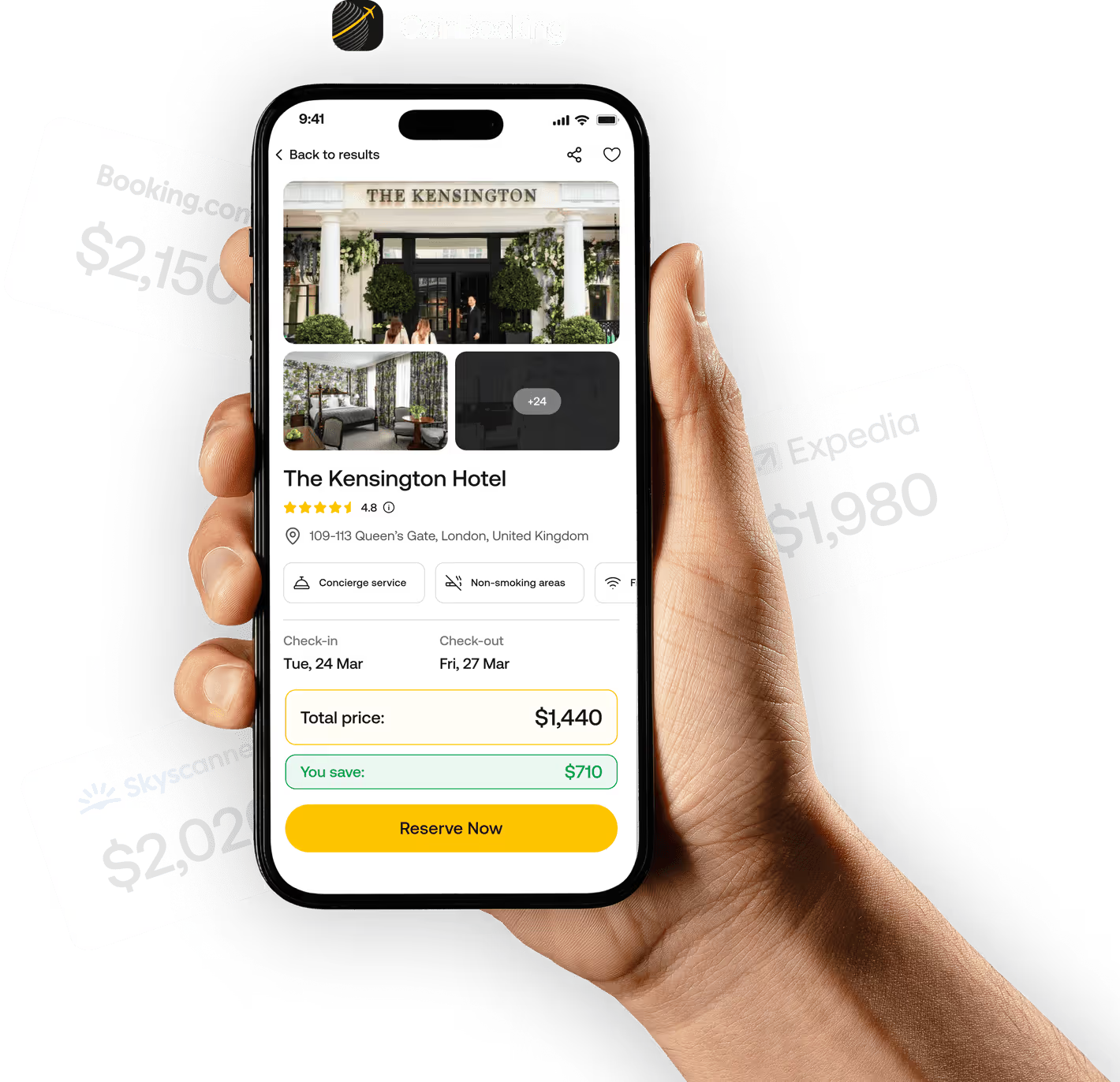
You just read 12 ways to spend crypto. This is the most valuable.