.avif)
.png)
.avif)


Content
Top 12 Ways to Spend Bitcoin (BTC) and USDT in India

India has more crypto holders than any other country on earth, with nearly 119 million people holding digital assets in 2024. That is more than one in five crypto holders globally. The base is driven by a massive freelancer economy, widespread fintech adoption through UPI, and $129.1 billion in annual diaspora remittances, the highest ever recorded by any country. For many Indian holders, USDT has become a practical tool for receiving international payments and holding value outside the rupee.

The regulatory picture is unique. Crypto is legal in India but taxed aggressively: 30% flat on all gains, no loss offsetting, and 1% TDS on qualifying transactions. Despite this, the holder base continues to grow.
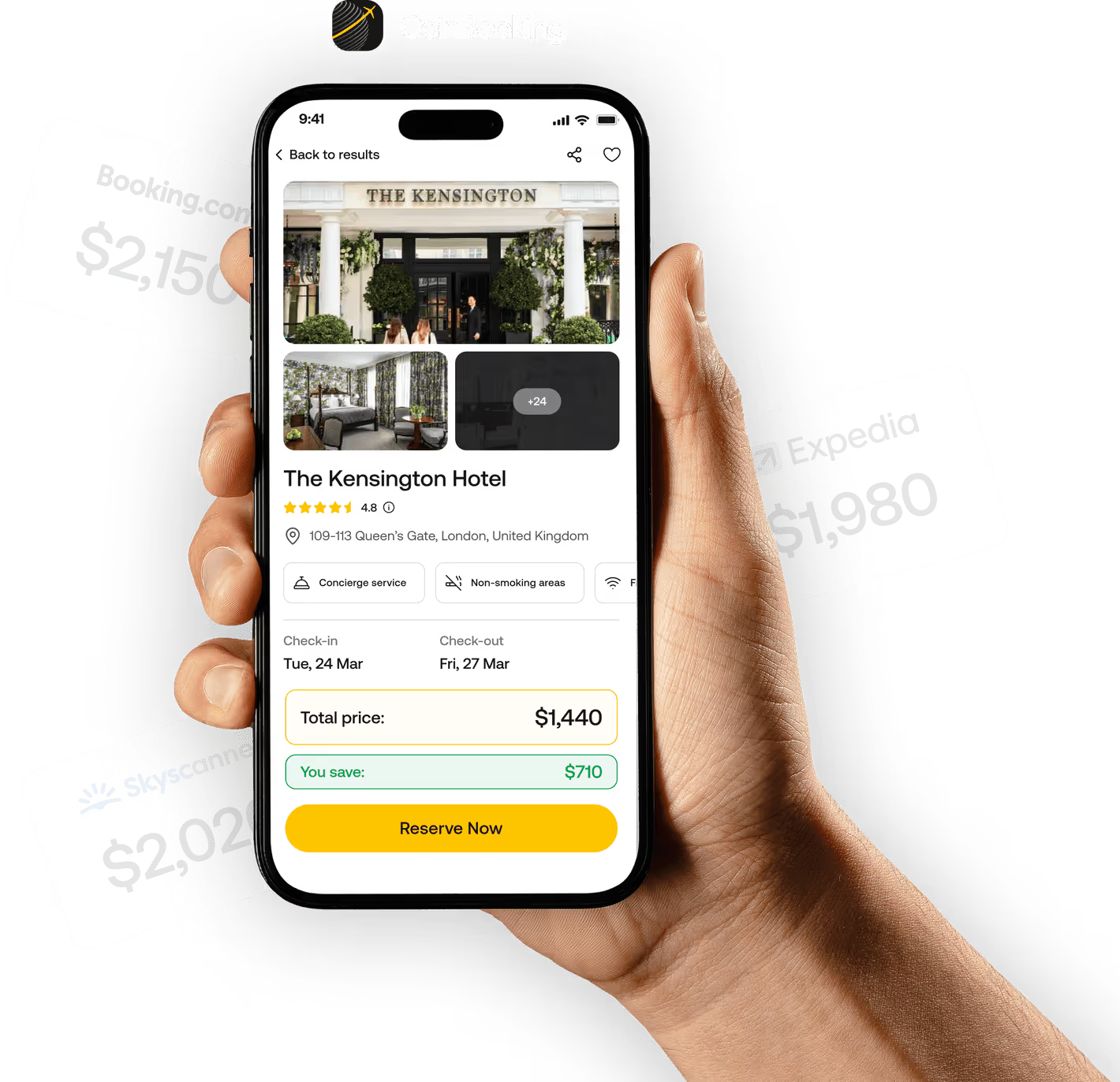
The spending story splits into two routes: direct use through platforms that accept crypto, and conversion to INR through registered exchanges followed by spending via UPI. For travel bookings in particular, CoinBooking lists the same hotels at up to 30% less than Booking.com or Expedia and accepts BTC, USDT, Apple Pay, Google Pay, and over 100 other payment options with no card required.
Planning a trip beyond India? See how to spend Bitcoin and USDT in other countries.
Can You Spend Bitcoin and USDT Directly in India?
Direct merchant acceptance of Bitcoin or USDT at the point of sale is effectively absent in India. No major Indian retailer, restaurant chain, or utility provider accepts crypto payments directly. The Reserve Bank of India has not authorized crypto as a payment medium, and the 30% tax on every disposal makes direct crypto spending a tax event each time.
However, three categories of spending work without touching INR at all.
- Travel bookings are covered by CoinBooking, which accepts BTC, USDT, ETH, and over 100 other payment options for hotels and flights worldwide.
- Point-of-sale spending in India is covered by a crypto Visa debit card from Crypto.com or Bybit, which auto-converts crypto at any Visa or Mastercard terminal.
- Everyday digital purchases, including gift cards, food delivery credits, and mobile recharges, are covered by Bitrefill, which sells vouchers for Amazon India, Flipkart, Swiggy, Zomato, Jio, Airtel, and Vi directly for BTC or USDT.
For everyday spending, the most practical route runs through INR. CoinDCX and Zebpay are the two most stable registered Indian exchanges. Both support INR withdrawal via IMPS or NEFT. UPI cannot be used to deposit or withdraw from crypto exchanges directly due to NPCI restrictions, but once INR lands in a bank account, UPI apps including PhonePe, Google Pay, and Paytm give access to virtually every merchant in India.
Is It Legal to Use Bitcoin and USDT in India? What the 30% Tax and TDS Rules Mean for You
Crypto is legal to hold and trade in India. It is not legal tender and is not recognized as currency, but buying, selling, and holding digital assets is permitted. The Finance Act 2022 introduced a 30% flat tax on all crypto gains with no deductions, no ability to offset losses from one trade against gains from another, and no preferential treatment for long-term holding. Every disposal of crypto, including spending it, is a taxable event.

A 1% TDS applies on qualifying transactions above INR 50,000 per year (INR 10,000 for specified persons). Exchanges deduct this at source and remit it to the government. These rules have significantly reduced trading volumes on domestic platforms, with many holders moving activity to offshore exchanges.
All crypto exchanges operating in India must register with the Financial Intelligence Unit India (FIU-IND). In December 2023, the FIU blocked access to several unregistered offshore exchanges including Binance, Kraken, and KuCoin. Binance was later unblocked after paying a fine and completing FIU registration.
WazirX is not recommended for new users. The exchange suffered a major security breach in July 2024 with approximately $235 million lost. Withdrawal restrictions and legal proceedings were ongoing as of mid-2025. CoinDCX and Zebpay are the currently recommended registered alternatives for INR withdrawals.
in India
12 Ways to Spend Bitcoin (BTC) and USDT in India
1. Book Hotels and Flights with Bitcoin or USDT
India’s outbound travel market is one of the largest in the world, and the Indian diaspora in the US, UK, UAE, Saudi Arabia, Canada, and Australia regularly books hotels for visits home.
.png)
.png)
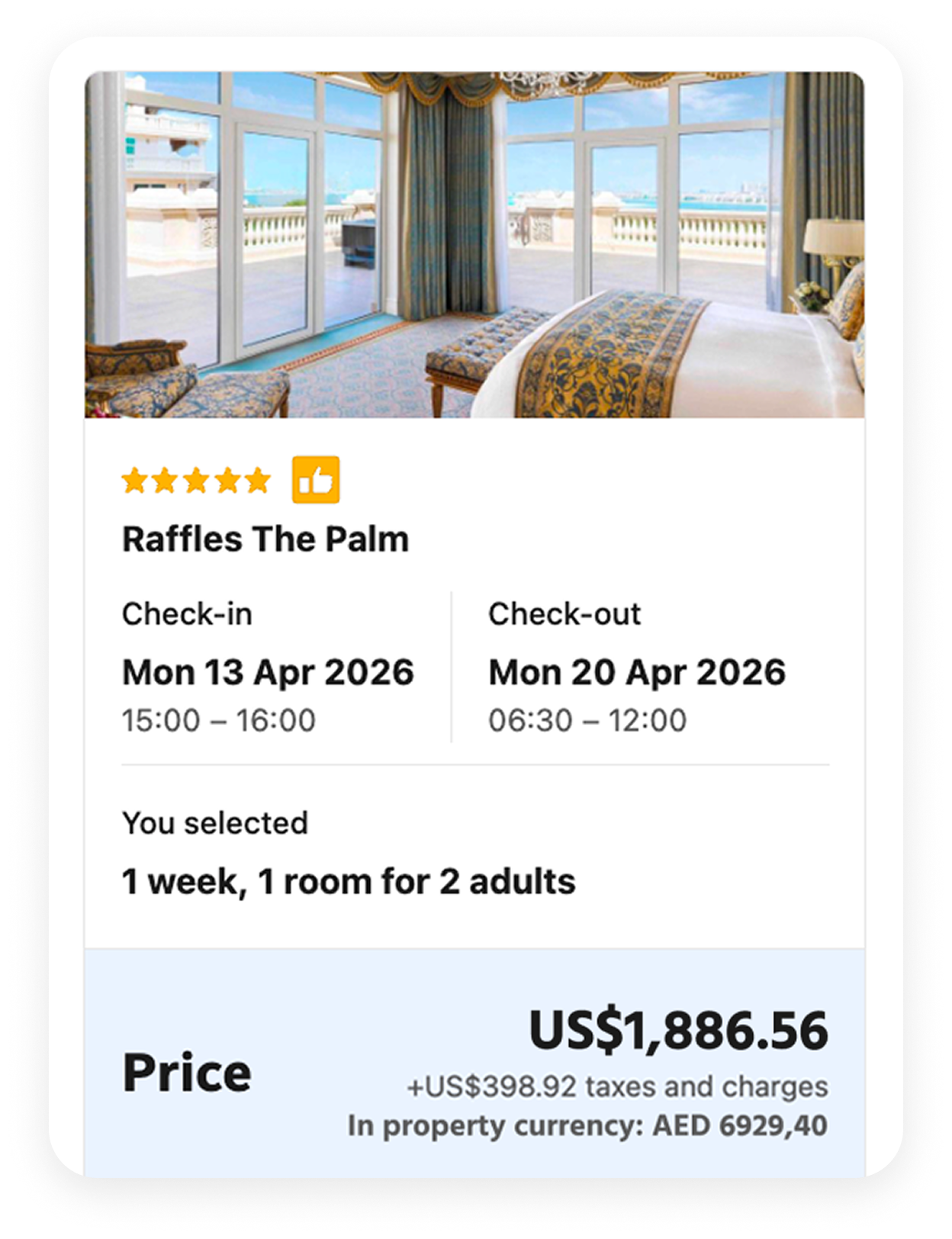
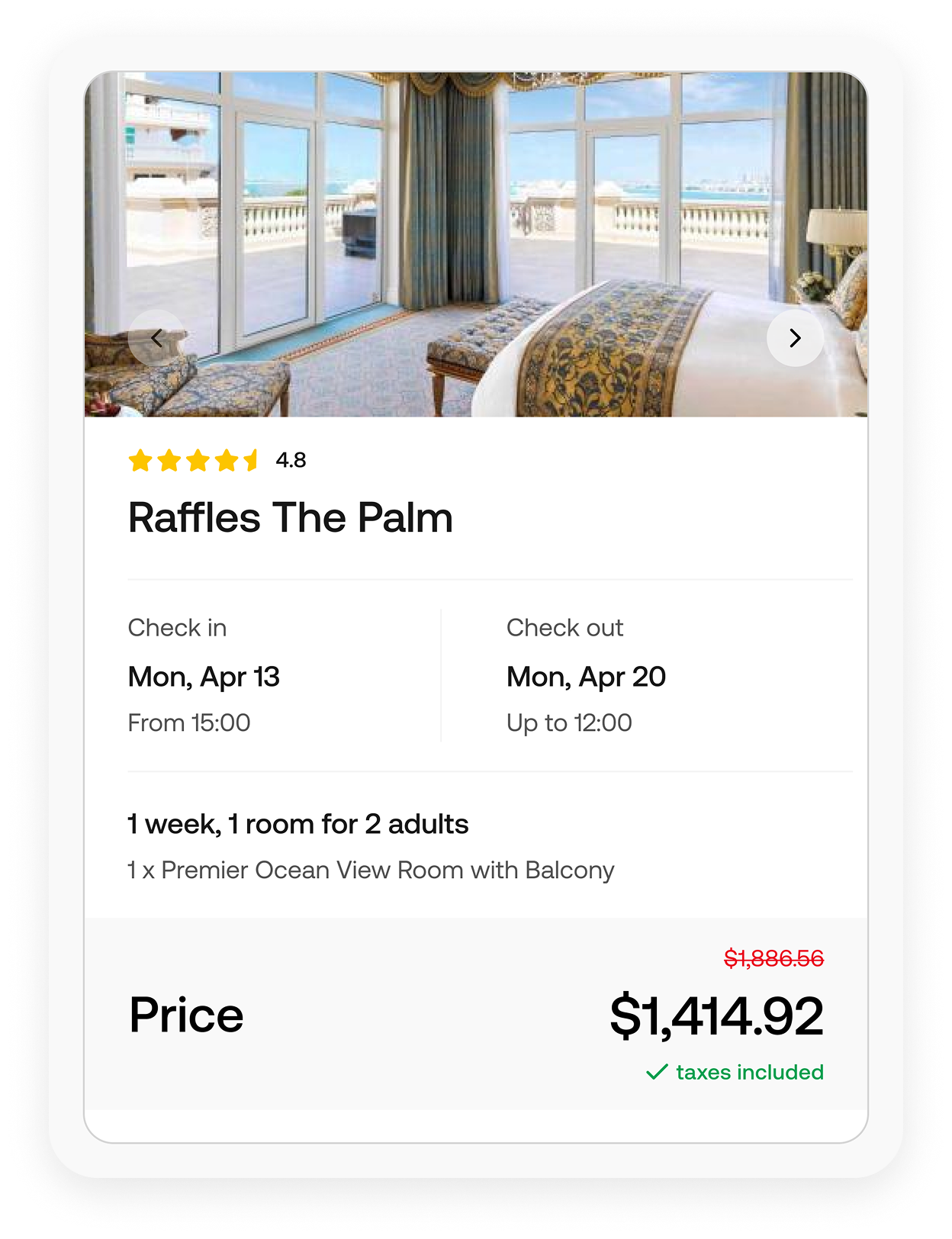
CoinBooking lists the same hotels and flights at up to 30% less than Booking.com or Expedia, accepting Bitcoin, USDT, and 100+ other cryptocurrencies directly at checkout. For a diaspora traveler booking a flight home to Mumbai, Delhi, or Chennai, or an Indian holder planning a trip to Dubai or London, the savings applies either way.
Coverage spans every major Indian city and 190+ countries beyond, with over a million properties on the platform.
Just $870 Cheaper.

%201.png)
your first booking.
First-time users get $25 off their first booking.
Already have Pakistan on the list? See how Bitcoin and USDT work there.
2. Use a Crypto Debit Card for Everyday Spending
Crypto Visa debit cards from Crypto.com and Bybit convert crypto to INR at the point of sale and work at any Visa or Mastercard terminal in India. This covers everything from grocery stores and petrol stations to hotels and restaurants without requiring a separate conversion step. The card handles the conversion automatically when you tap or swipe.
Each transaction is a crypto disposal event under Indian tax rules, meaning the 30% gains tax applies if the crypto has appreciated since acquisition. Keep records of the cost basis for each transaction. For holders who acquired crypto at lower prices, a stablecoin like USDT minimizes the tax complexity since USDT–INR conversions generate minimal gains compared to volatile assets like BTC or ETH.
3. Buy Gift Cards and Mobile Top-Ups via Bitrefill
Bitrefill sells gift cards and mobile recharges directly for BTC, USDT, and other cryptocurrencies. India coverage includes Amazon India, Flipkart, Swiggy, Zomato, BigBasket, and mobile top-ups for Jio, Airtel, and Vi. You pay in crypto and receive a code redeemable at the respective platform instantly. No bank account and no INR conversion required.
This route is particularly practical for everyday spending categories: food delivery, online shopping, and mobile credit. The gift card purchase is a crypto disposal event, so the 30% tax still applies on any gain. For USDT holders with a stable cost basis, the tax impact is minimal. Bitrefill operates globally and accepts crypto from any wallet without KYC for most transactions below certain thresholds.
4. Convert USDT to INR via CoinDCX or Zebpay
For access to India’s full UPI merchant economy, converting USDT to INR through a registered exchange is the most practical route. CoinDCX has over 20 million verified users and supports INR withdrawals via IMPS and NEFT. Zebpay, one of India’s oldest registered exchanges, also supports INR withdrawal through the same banking channels. Both are registered with FIU-IND and operate under KYC requirements.
UPI cannot be used to deposit or withdraw from Indian crypto exchanges directly due to NPCI restrictions. The process runs: sell USDT on the exchange for INR, withdraw INR via IMPS or NEFT to your bank account, then spend via UPI or debit card across any Indian merchant. IMPS transfers typically settle within minutes. NEFT may take up to two hours. The 1% TDS is deducted at source by the exchange on qualifying transactions.
5. Shop on Flipkart or Amazon India
India’s two largest e-commerce platforms, Flipkart and Amazon India, do not accept crypto directly. The practical route runs through one of two methods: purchase an Amazon India or Flipkart gift card on Bitrefill using BTC or USDT and redeem it at checkout, or convert USDT to INR via CoinDCX or Zebpay, withdraw to your bank account, and pay via UPI or debit card at checkout.
Gift cards purchased on Bitrefill are delivered digitally and applied at checkout under the gift card or promotional code section on either platform. Denominations on Bitrefill typically range from INR 500 to INR 10,000 per card. Multiple cards can be stacked for larger purchases on Amazon India. For Flipkart, verify the current gift card stacking policy before purchase as it has changed periodically.
6. Pay via UPI Apps (After Converting to INR)
UPI is accepted at virtually every merchant in India, from street vendors and auto-rickshaw drivers to luxury hotels and airline booking sites. PhonePe, Google Pay, and Paytm all link to Indian bank accounts and enable instant payment at any UPI QR code. PhonePe held 48% of UPI transaction volume and Google Pay 35% as of 2024.
UPI cannot be linked directly to a crypto exchange or wallet. The conversion step is necessary: sell crypto on CoinDCX or Zebpay, withdraw INR to a bank account, and the UPI apps linked to that account can then be used across the full Indian merchant economy. Once INR is in the bank, UPI is the most frictionless payment method available in India and reaches merchants that no card network can match.
7. Top Up Mobile Credit (Jio, Airtel, Vi)
Mobile recharges for all three major Indian operators are available directly on Bitrefill for BTC, USDT, and other cryptocurrencies. Jio, Airtel, and Vi recharge codes are delivered instantly and applied to the mobile number at checkout. No bank account, no UPI, and no INR conversion required.
This is one of the most direct crypto-to-utility routes available in India. Monthly mobile plans for all operators are available in standard denominations. For Indian freelancers and remote workers receiving USDT, this covers one of the most routine monthly expenses without any conversion step or exchange fee beyond the Bitrefill markup, which is typically a few percent above the face value.
8. Order Food via Swiggy or Zomato
Swiggy and Zomato do not accept crypto directly, but both are available as gift card options on Bitrefill for BTC and USDT. Purchase a Swiggy or Zomato gift card in the denomination you need, receive the code instantly, and apply it at checkout on either app. The gift cards cover the full order value including delivery fees up to the card value.
Alternatively, convert USDT to INR via CoinDCX, withdraw to a bank account, and pay via UPI directly on either platform. Both Swiggy and Zomato accept UPI payments at checkout. The gift card route is faster if you already hold USDT and want to skip the exchange and withdrawal steps. Either route works for covering food delivery costs from your crypto holdings.
9. Receive Remittances from the Diaspora in USDT
India received $129.1 billion in remittances in 2024, the highest ever recorded by any country in a single year, with flows from the US, UAE, Saudi Arabia, UK, and Canada. USDT transfers are significantly faster and cheaper than bank wire transfers or traditional remittance services, with no intermediary fees beyond network transaction costs and no multi-day settlement wait.
The recipient in India can hold USDT in a wallet or convert to INR via CoinDCX or Zebpay and withdraw to a bank account for everyday spending. The 1% TDS applies on qualifying transactions when converting through a registered exchange. For families receiving regular support from overseas, USDT provides an alternative to bank wires that arrives in minutes rather than days and carries lower fees than services like Western Union or traditional SWIFT transfers.
Got family in the UAE? See how they can spend USDT once your money arrives.
10. Get Paid and Spend as a Freelancer or Remote Worker
India’s freelancer economy is one of the largest in the world, with millions of developers, designers, writers, and consultants working for international clients. Many international platforms and direct clients pay in USDT as a faster and cheaper alternative to bank wires, which carry high fees and can take three to five business days to settle. For Indian freelancers without an internationally accepted debit card, USDT provides a direct payment channel.
Once USDT is received, the options branch: convert to INR via CoinDCX for everyday spending through UPI, use a crypto debit card for point-of-sale payments, use Bitrefill for gift cards and mobile recharges, or hold USDT as a USD-denominated store of value. For freelancers booking international travel with earnings, CoinBooking covers flights and hotels in 190+ countries with no INR conversion required.
11. Pay for Online Courses and Education
Several international education platforms accept crypto or can be accessed via crypto gift cards. Udemy and Coursera do not accept crypto directly but are accessible via Visa or Mastercard debit cards funded through crypto conversion. For platforms that do accept crypto directly, including some specialized coding bootcamps and international universities, BTC and USDT payments are processed via their native checkout.
The more practical route for most Indian learners is to convert USDT to INR via CoinDCX, withdraw to a bank account, and pay via UPI or debit card on any Indian or international education platform. Udemy courses with INR pricing can be purchased for as little as INR 499 during sales. Coursera Plus carries localized India pricing starting at INR 2,099 per month. Both are accessible via UPI once INR is in a bank account.
12. Gaming, Streaming and Digital Subscriptions
International gaming platforms and digital subscriptions including Steam, Xbox, PlayStation, Spotify, and Netflix gift cards are all available on Bitrefill for BTC and USDT. Google Play and Apple App Store credits are also available, enabling in-app purchases and premium subscriptions across any app. This route covers the full range of digital entertainment spending without requiring a credit card or bank conversion.
For Indian-specific services, Hotstar, JioCinema, and Amazon Prime India gift cards are available through Bitrefill. Netflix India subscriptions can be purchased via gift cards or through a debit card funded from a CoinDCX or Zebpay INR withdrawal. Steam wallet codes for the Indian store are available on Bitrefill in INR denominations, covering game purchases and in-game content.
Frequently Asked Questions
1. Is crypto legal in India?
Yes. Crypto is legal to hold, buy, sell, and trade in India. It is not recognized as legal tender and cannot be used as a payment medium at most merchants. The Finance Act 2022 imposed a 30% flat tax on all crypto gains with no deductions and no ability to offset losses against gains. A 1% TDS applies on qualifying transactions above INR 50,000 per year. Exchanges operating in India must register with the Financial Intelligence Unit India (FIU-IND) and follow KYC and AML requirements.
2. What is the 30% crypto tax in India and how does it affect spending?
Every disposal of cryptocurrency in India, including selling, converting, or spending it, is treated as a taxable event. If the crypto has appreciated in value since acquisition, 30% of the gain is owed as tax with no deductions permitted. Losses from one transaction cannot be offset against gains from another. The 1% TDS is deducted at source by registered exchanges on qualifying transactions. For holders who received USDT as payment at a stable price and spent it quickly, the tax impact is lower than for long-term BTC holders who have seen significant appreciation.
3. Which crypto exchanges work in India?
CoinDCX and Zebpay are the two most established registered exchanges in India following the WazirX hack of July 2024. Both are registered with FIU-IND and support INR withdrawal via IMPS and NEFT. CoinDCX has over 20 million verified users. Binance was previously blocked by FIU-IND in December 2023 for operating without registration but was later unblocked after paying a fine and completing registration. WazirX is not recommended for new users following the $235 million security breach in July 2024.
4. Can I use USDT to receive freelance payments in India?
Yes. Many international clients and platforms pay Indian freelancers in USDT as a faster and cheaper alternative to bank wire transfers. Once received, USDT can be converted to INR via CoinDCX or Zebpay and withdrawn to a bank account via IMPS or NEFT for everyday spending through UPI, or held as a USD-denominated store of value. The 1% TDS applies on qualifying exchange transactions and the 30% gains tax on any appreciation. For spending directly without converting, CoinBooking accepts USDT for hotel and flight bookings worldwide.
5. Can I book hotels in India with Bitcoin?
Yes. CoinBooking lists hotels across India including Mumbai, Delhi, Bangalore, Goa, Jaipur, and every major tourist destination, at up to 30% less than Booking.com or Expedia. It accepts Bitcoin and over 100 other payment options with no credit card and no bank account required. The Indian diaspora booking accommodation for visits home and Indian holders booking international travel can both use CoinBooking without any INR conversion step. Early users receive $25 off their first booking.
6. How do I send crypto remittances to family in India?
USDT transfers are faster and cheaper than bank wire transfers for sending money to family in India. The recipient needs a wallet address to receive USDT, and can then convert to INR via CoinDCX or Zebpay and withdraw via IMPS or NEFT to a bank account for everyday spending. The 1% TDS applies on the exchange conversion. Transfers settle in minutes compared to several business days for SWIFT, and fees are typically lower than Western Union or traditional bank wire services. India received $129.1 billion in remittances in 2024, the highest ever for any country.


Spending crypto is the easy part. 30% off is the good part.
Get up to 30% off all future hotels and flights.

Yaryna Dobrianska is a Dubai-based business and technology writer with a background in fintech and digital services. She covers cryptocurrency adoption, cross-border payments, and the practical realities of spending digital assets across emerging markets.
Her work at Polkastarter focuses on making Web3 accessible, breaking down how crypto moves through real-world financial systems, from payments infrastructure to on-chain adoption trends.
You just read 12 ways to spend crypto. This is the most valuable.
.avif)
You just read 12 ways to spend crypto. This is the most valuable.