.avif)
.png)
.avif)


Content
Top 12 Ways to Spend Bitcoin (BTC) and USDT in Mexico

Mexico receives more remittances from the United States than almost any other country in the world, and USDT has become a central part of how that money moves. Bitso, Latin America's most established crypto exchange, has built dedicated infrastructure around this corridor, having facilitated over $6.5 billion in US-to-Mexico remittances to date. For holders already inside Mexico, the spending options are growing fast.
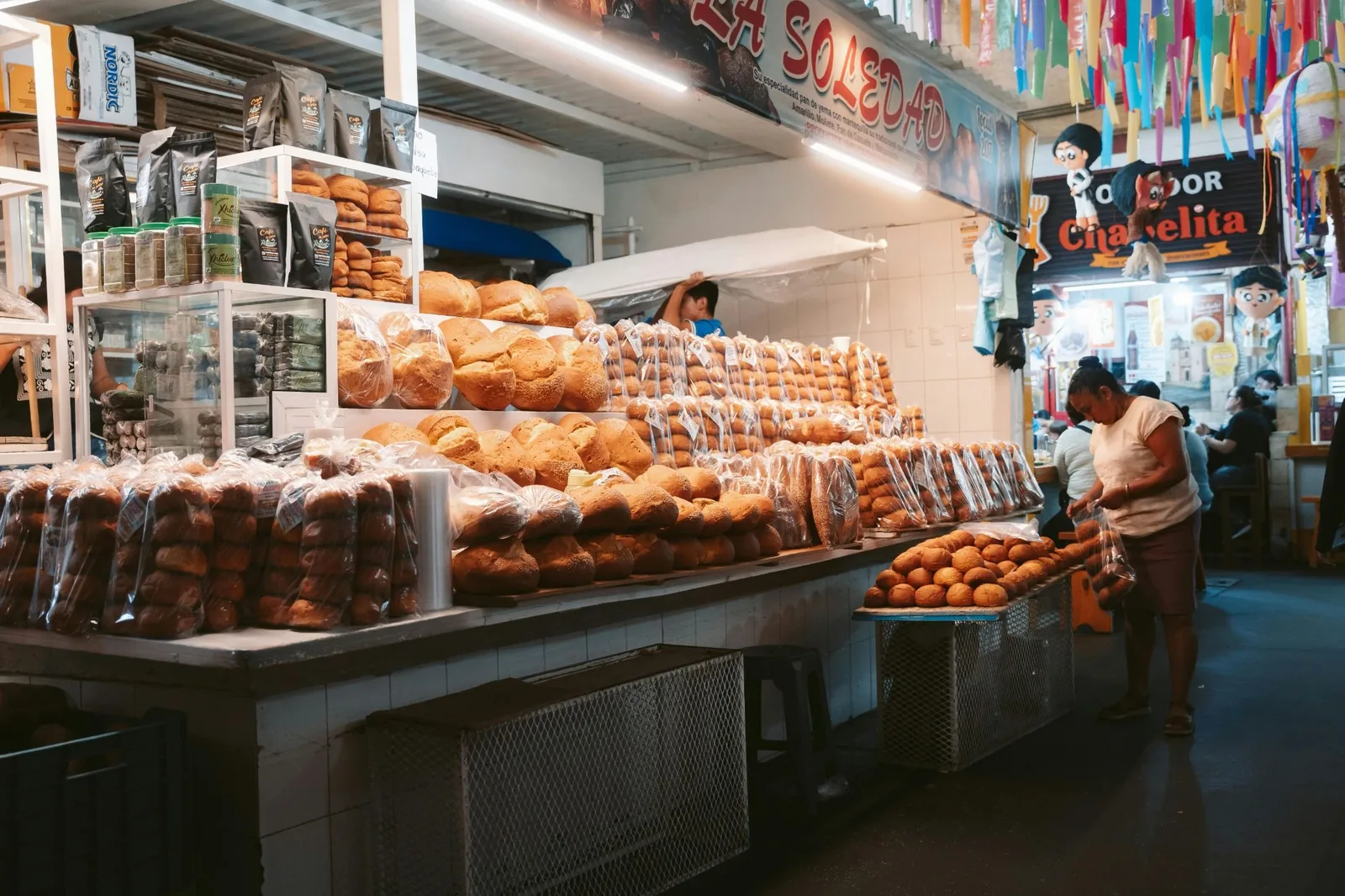
Mexico recorded $71.2 billion in crypto transaction volume between July 2024 and July 2025, ranking third in Latin America behind only Brazil and Argentina. The country now has an estimated 28 million crypto users, with 37% of investors aged 25 to 34 and 74% identifying as male, reflecting a young and growing market with room to expand well beyond its current base of early adopters.
The spending story splits into two routes. Direct options let you skip MXN conversion entirely: CoinBooking for hotels and flights, a crypto Visa debit card at any Mexican terminal, and Bitrefill for gift cards and mobile top-ups. For everyday Mexican commerce including OXXO, Mercado Pago, supermarkets, and utility bills, the practical route is converting to MXN via Bitso and spending normally from a bank account.
Not based in Mexico? See how to spend Bitcoin and USDT in other countries.
Can You Spend Bitcoin and USDT Directly in Mexico?
Direct BTC or USDT acceptance at Mexican merchants is limited. Some businesses in Mexico City's tech and startup districts accept crypto, but the overwhelming majority of the Mexican economy runs on MXN via card, OXXO cash, or Mercado Pago. For most day-to-day spending, conversion to MXN is the realistic path.
Three routes work without any MXN conversion:
- Travel bookings are covered by CoinBooking, which accepts BTC, USDT, ETH, and over 100 other payment options for hotels and flights worldwide with no card required.
- Point-of-sale spending at any Mexican Visa or Mastercard terminal is covered by a crypto debit card from Crypto.com or Bybit.
- Everyday digital purchases including gift cards, mobile top-ups, and streaming credits are covered by Bitrefill, which sells vouchers for major Mexican platforms directly for BTC or USDT.
For everything else, Bitso is Mexico's largest and most established exchange, with a Spanish-language interface and SPEI withdrawals to any Mexican bank account. Once MXN reaches a bank account, Mercado Pago, OXXO Pay, and standard debit card spending cover the full Mexican consumer economy.
Tax note: Mexico's SAT treats crypto as an intangible asset, and gains are subject to ISR. Corporations pay a 30% corporate income tax on crypto gains. A July 2025 amendment to the AML Law introduced new reporting thresholds for virtual asset service providers. The rules are complex, so it is better to consult a Mexican contador for guidance on your individual situation.
Is It Legal to Use Bitcoin and USDT in Mexico? What the Ley Fintech Means for You
Crypto is legal to hold, trade, and spend in Mexico. The Ley Fintech of 2018 established a formal regulatory framework for fintech companies, including ITFs, which are licensed crypto exchanges regulated by the CNBV. Bitso holds the relevant authorizations under this framework, with licenses in Mexico, Brazil, and Argentina.

Banxico has separately maintained a firm policy of keeping digital assets at a healthy distance from the traditional financial system. In its December 2025 year-end report, the Bank of Mexico reaffirmed that banks and fintech firms remain prohibited from offering crypto products directly to retail customers. The crypto-to-MXN route therefore always runs through a licensed exchange rather than a bank.
This distinction matters practically. Mexican banks do not support crypto deposits or conversions. The correct route is always: sell crypto on Bitso, withdraw MXN via SPEI to a Mexican bank account, then spend normally.
in Mexico
12 Ways to Spend Bitcoin (BTC) and USDT in Mexico
1. Book Hotels and Flights with Bitcoin or USDT
Mexico City, Cancún, Guadalajara, and Los Cabos are among the most-booked destinations on one of the world's busiest travel corridors. Millions of Americans visit Mexico each year, and millions of Mexicans living in the US book trips home.


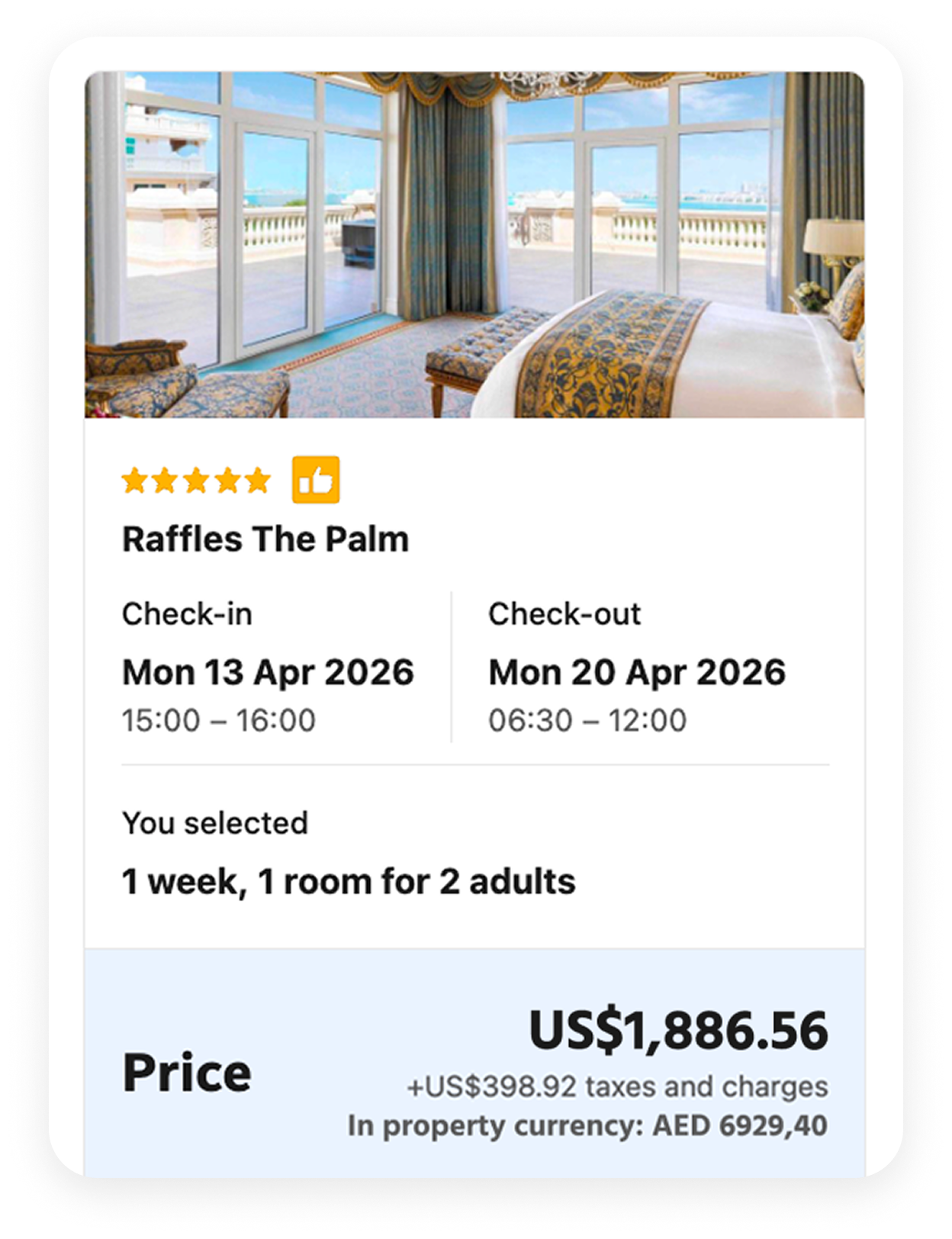
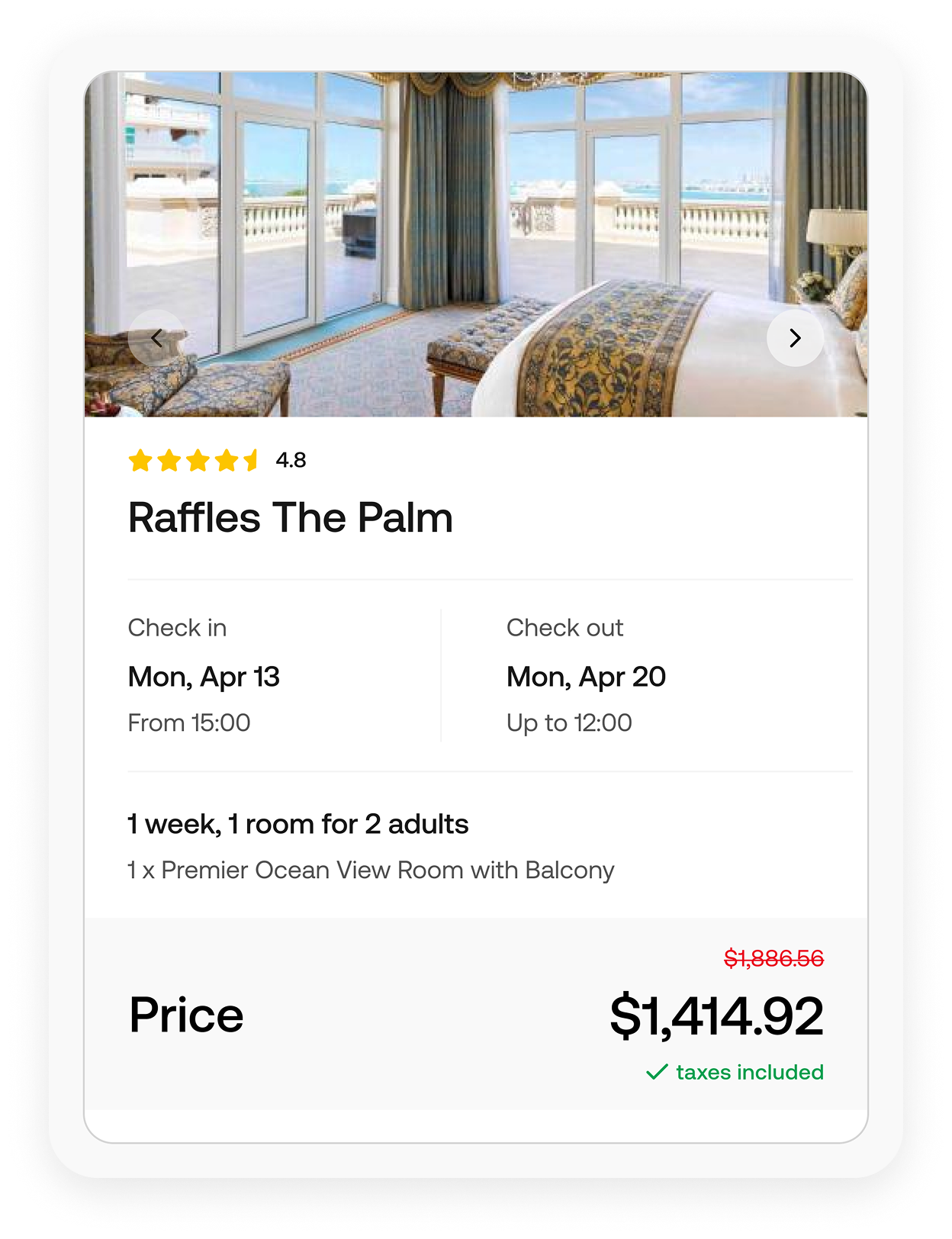
CoinBooking is a Dubai-licensed travel platform that lists the same hotels and flights as Booking.com and Expedia at up to 30% less, accepting Bitcoin, USDT, and 100+ other cryptocurrencies directly at checkout. A US-based Mexican booking a family visit to Guadalajara saves the same 30% as a Mexico City holder booking a flight to Miami.
Coverage spans 190+ countries and over a million properties. First-time users get $25 off their first booking.
Just $870 Cheaper.

%201.png)
your first booking.
Heading to Argentina? Here is how crypto travellers spend Bitcoin and USDT there.
2. Use a Crypto Debit Card for Everyday Spending
Crypto Visa debit cards from Crypto.com and Bybit convert BTC or USDT to MXN at the point of sale and work at any Visa or Mastercard terminal in Mexico. This covers supermarkets, restaurants, fuel stations, pharmacies, and any merchant with a POS terminal, without requiring a separate Bitso conversion step first. The card handles the conversion automatically at the moment of payment.
Each card transaction is technically a disposal event for SAT purposes. USDT holders have a simpler tax position than BTC holders because stablecoin disposals generate minimal taxable gains. Keep records of your cost basis for each transaction in preparation for ISR reporting.
3. Buy Gift Cards and Mobile Top-Ups via Bitrefill
Bitrefill sells gift cards and mobile recharges directly for BTC, USDT, and other cryptocurrencies. Mexican coverage includes mobile top-ups for Telcel, AT&T Mexico, and Movistar, as well as gift cards for platforms accessible to Mexican users. You pay in crypto and receive a recharge code or voucher instantly, with no MXN conversion required.
Bitrefill also accepts Lightning Network payments, making the process near-instant for Bitcoin Lightning wallet users. For freelancers and remote workers receiving USDT, this is one of the most friction-free spending routes available in Mexico.
4. Convert USDT to MXN via Bitso
For access to the full Mexican economy through Mercado Pago, OXXO, and standard bank spending, converting USDT to MXN through Bitso is the primary route. It is Latin America's most established crypto exchange with 9 million users worldwide, a Spanish-language interface built for the Mexican market, and SPEI withdrawals that typically arrive within minutes and are fee-free on most tiers. Bitso has facilitated over $6.5 billion in US-to-Mexico remittances to date.
The process is straightforward: sell USDT on Bitso for MXN, withdraw via SPEI to a Mexican bank account, then spend via debit card, Mercado Pago, or OXXO Pay. Bitso is the only platform recommended by default for this route.
5. Shop on MercadoLibre or Pay via Mercado Pago
MercadoLibre is Mexico's dominant e-commerce platform and does not accept crypto directly. Mercado Pago, its integrated payments arm, is one of Mexico's most widely used digital wallets and similarly operates in MXN. The practical route is to convert USDT via Bitso, withdraw MXN to a bank account, and fund a Mercado Pago wallet from there for both online and in-store spending.
Once MXN is in a Mercado Pago wallet, the merchant network is enormous, covering hundreds of thousands of physical locations across Mexico alongside full e-commerce checkout coverage on MercadoLibre. For international shopping, a crypto debit card funded with USDT covers Alibaba, AliExpress, Amazon, and other global platforms directly.
6. Pay Bills and Cash Payments at OXXO
OXXO is Mexico's most ubiquitous physical store, with over 20,000 locations nationwide, and it functions as the physical gateway of the Mexican financial system for anyone operating with cash or without a bank account. OXXO processes utility bill payments, mobile top-ups, e-commerce cash-on-delivery orders, and cash deposits for a wide range of financial accounts. More than half of Mexico's population does not have a bank account, making OXXO a critical financial gateway that no other guide in this series covers.
For crypto holders, OXXO connects to the spending ecosystem through Bitso's Cash-In feature, which allows MXN deposits to a Bitso account via OXXO in cash. Converting USDT to MXN on Bitso, withdrawing via SPEI, and then using OXXO Pay makes OXXO the last-mile spending point for virtually every bill payment and cash purchase category in Mexico.
7. Top Up Mobile Credit (Telcel, AT&T, Movistar)
All three major Mexican carriers are available for prepaid top-up on Bitrefill in BTC, USDT, and other cryptocurrencies. Telcel, AT&T Mexico, and Movistar recharge codes are delivered instantly, with data bundle denominations available in standard sizes for all three operators.
For families receiving USDT remittances from the US, mobile top-ups via Bitrefill mean part of the incoming crypto can be used immediately without any conversion at all, saving both the exchange fee and the wait for SPEI settlement.
8. Order Food via Rappi, Uber Eats, or DiDi Food
Rappi, Uber Eats, and DiDi Food are Mexico's three largest food delivery platforms and none accept crypto directly. A crypto debit card from Crypto.com or Bybit works directly at checkout on all three platforms since they accept any Visa or Mastercard, skipping the Bitso conversion step entirely. Alternatively, converting USDT to MXN via Bitso and funding a Mercado Pago wallet covers checkout on all three platforms in Mexico City, Guadalajara, Monterrey, and all other major cities with strong delivery coverage.
9. Send Remittances from the US via Bitso+
Bitso+ is Bitso's dedicated US-to-Mexico remittance product. It uses USDT on the backend to settle transfers from US accounts to Mexican bank accounts, but the conversion happens invisibly within the product. The sender initiates a dollar transfer and the recipient receives MXN in their Mexican bank account without needing to interact with crypto at all.
Mexico received an estimated $61 billion in remittances in 2024, the vast majority from the United States, making it the world's second-largest remittance recipient. Crypto remittances in Latin America are growing at approximately 25% CAGR, and traditional operators still charge around 6.5% on this corridor in 2025 compared to as little as 1% via crypto rails.
Bitso+ is faster and cheaper than Western Union or traditional bank wire on this corridor. For senders in the US who hold USDT, it is the most direct route to getting value to families in Mexico at minimal cost and maximum speed.
Got a family in the US? See how they can spend USDT once your money arrives.
10. Get Paid and Spend as a Freelancer or Remote Worker
Mexico has a large and growing community of tech freelancers, developers, designers, and remote workers serving international clients, concentrated in Mexico City, Guadalajara, and increasingly across smaller cities. Many receive USDT from international clients as a faster and cheaper alternative to SWIFT wire transfers. 37% of Mexican crypto investors are aged 25 to 34, and 41% of Bitso's local customers hold three or more digital assets, signaling that crypto has moved well beyond speculative use into everyday financial management.
Once USDT is received, the options branch: convert to MXN via Bitso for everyday Mercado Pago and OXXO spending, use a crypto debit card at any Visa terminal, use Bitrefill for mobile top-ups and gift cards, hold USDT as a dollar-denominated store of value, or book international travel via CoinBooking with no conversion required.
11. Pay for Online Courses and Education
International education platforms including Udemy, Coursera, and LinkedIn Learning accept card payments, which a crypto debit card funded with USDT handles directly. Some web3-focused bootcamps and international tech training providers accept USDT directly. Udemy offers MXN pricing and frequent steep discounts for Mexican users, making it particularly good value.
For any platform that does not offer MXN pricing, a crypto debit card charged in USDT avoids both the currency conversion premium and any international card restrictions that might otherwise block a Mexican bank card from completing the transaction.
12. Gaming, Streaming and Digital Subscriptions
Bitrefill covers Steam, Xbox, PlayStation, Spotify, and Netflix gift cards in BTC and USDT with instant delivery. Google Play and Apple App Store credits are also available, enabling in-app purchases and subscriptions without a bank card. For Mexican gamers and content consumers who hold USDT, Bitrefill removes the international card requirement entirely for the most popular digital platforms.
Netflix Mexico offers MXN pricing and can be paid directly via a crypto debit card charged in USDT, which also handles auto-renewal automatically. For Blim TV, ViX, and other Latin American streaming platforms, payment runs through MXN via Mercado Pago or bank transfer after Bitso conversion.
Frequently Asked Questions
1. Is it legal to use Bitcoin and USDT in Mexico?
Yes. Crypto is legal to hold, trade, and spend in Mexico. The Ley Fintech of 2018 established a regulatory framework for crypto exchanges, which must be licensed as ITFs by the CNBV. Bitso holds the relevant authorizations. However, Banxico has maintained a policy of keeping digital assets separate from the traditional banking system, reaffirmed in its December 2025 year-end report. Banks and fintech firms remain prohibited from offering crypto products directly to customers. The route to everyday spending always runs through a licensed exchange like Bitso, not a bank. SAT treats crypto as an intangible asset subject to ISR income tax, with corporations paying 30% corporate income tax on gains. Consult a Mexican contador for current reporting obligations.
2. What is Bitso and why is it recommended for Mexico?
Bitso is Latin America's most established crypto exchange, founded in Mexico City in 2014 and now serving 9 million users worldwide. It holds CNBV authorization under the Ley Fintech framework, offers a Spanish-language interface designed for Mexican users, and supports SPEI withdrawals to any Mexican bank account that typically arrive within minutes and are fee-free on most tiers. It holds licenses in Mexico, Brazil, and Argentina plus authorization in Gibraltar. Bitso also operates Bitso+, a dedicated US-to-Mexico remittance product that has facilitated over $6.5 billion in cross-border transfers. For USDT-to-MXN conversion in Mexico, Bitso is the only platform recommended by default.
3. What is Bitso+ and how does it work for remittances?
Bitso+ is Bitso's dedicated remittance product for the US-to-Mexico corridor. It allows someone in the US to send money directly to a Mexican bank account faster and at lower cost than Western Union or bank wire. The product uses USDT on the backend to settle transfers, but this conversion happens invisibly: the sender initiates a dollar transfer and the recipient receives MXN in their Mexican bank account without needing to understand or interact with crypto. Traditional operators still charge around 6.5% on this corridor in 2025, compared to as little as 1% via crypto rails.
4. Can I use USDT to receive freelance payments in Mexico?
Yes. Many international clients pay Mexican freelancers, developers, and remote workers in USDT as a faster and lower-cost alternative to SWIFT wire transfers. Once received, USDT can be converted to MXN via Bitso and withdrawn via SPEI for everyday spending, used directly via a crypto debit card at any Visa terminal, or held as a dollar-denominated store of value. Stablecoins accounted for 36% of all cryptocurrency purchases in Mexico in the first half of 2025, in part because freelancers and remote workers value the dollar peg as a hedge against peso volatility. SAT requires that freelance income including crypto income be declared for ISR. Consult a contador for current compliance guidance.
5. Can I book hotels in Mexico with Bitcoin?
Yes. CoinBooking lists hotels across Mexico including Mexico City, Cancún, Guadalajara, Monterrey, and Los Cabos at up to 30% less than Booking.com or Expedia. It accepts Bitcoin, USDT, ETH, Apple Pay, Google Pay, and over 100 other payment options with no credit card and no bank account required. For Mexicans in the US booking accommodation for family visits home, and for crypto holders inside Mexico booking domestic or international travel, CoinBooking covers both directions with no MXN conversion required at any stage. Early users receive $25 off their first booking.
6. What is OXXO and how does it connect to crypto spending in Mexico?
OXXO is Mexico's largest convenience store chain with over 20,000 locations nationwide. It functions as the physical financial infrastructure for millions of Mexicans who operate primarily in cash or without a bank account, processing utility bills, mobile top-ups, and cash payments for e-commerce orders. For crypto holders, OXXO connects to the ecosystem through Bitso's Cash-In feature, which allows MXN to be deposited to a Bitso account via OXXO in cash. The reverse route is converting USDT to MXN on Bitso, withdrawing via SPEI, and using OXXO Pay, which makes OXXO the last-mile spending point for converted crypto across virtually every bill payment and cash purchase category in Mexico.


Spending crypto is the easy part. 30% off is the good part.
Get up to 30% off all future hotels and flights.

Yaryna Dobrianska is a Dubai-based business and technology writer with a background in fintech and digital services. She covers cryptocurrency adoption, cross-border payments, and the practical realities of spending digital assets across emerging markets.
Her work at Polkastarter focuses on making Web3 accessible, breaking down how crypto moves through real-world financial systems, from payments infrastructure to on-chain adoption trends.
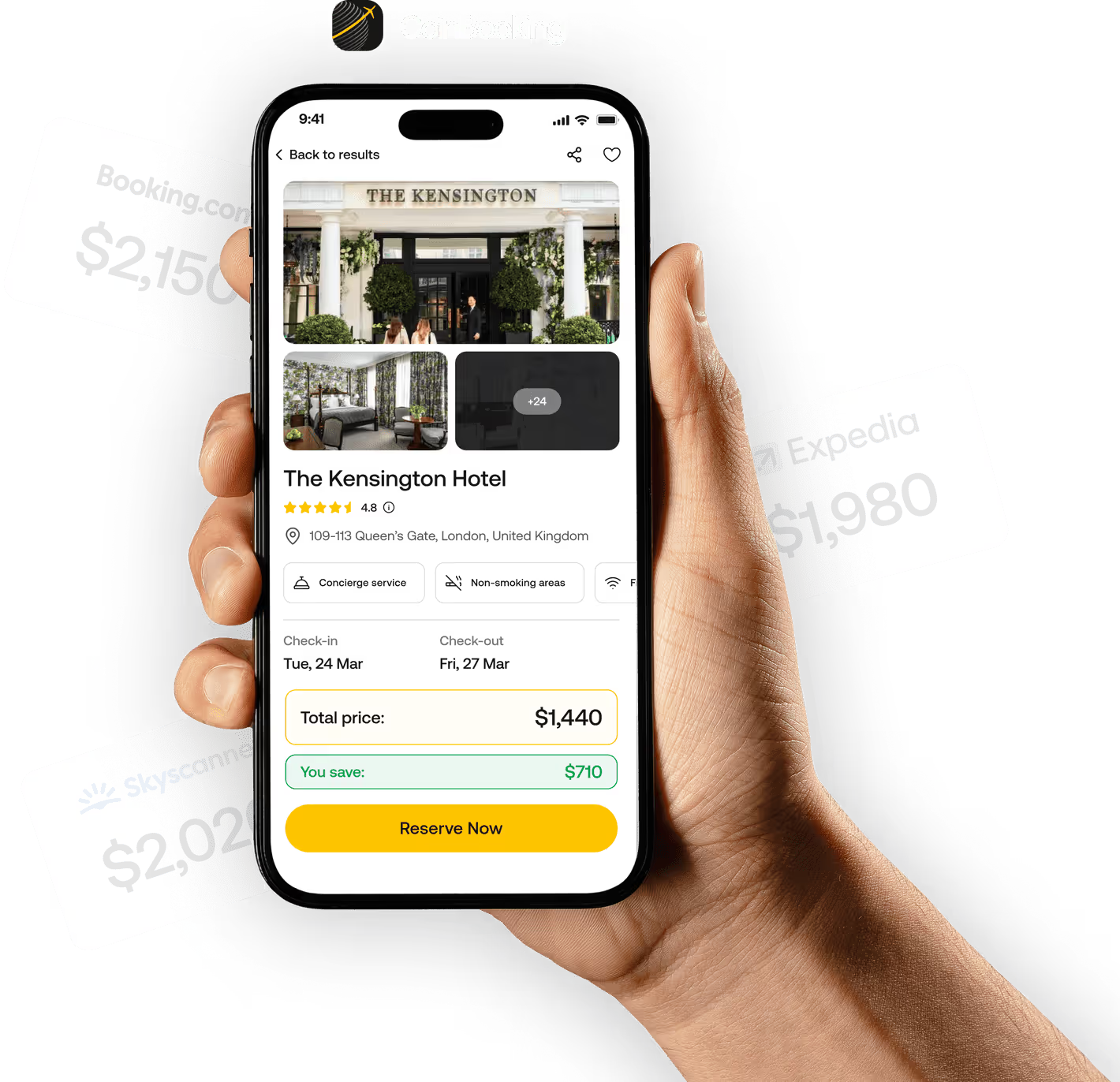
You just read 12 ways to spend crypto. This is the most valuable.
.avif)
You just read 12 ways to spend crypto. This is the most valuable.