.avif)
.png)
.avif)


Content
Top 12 Ways to Spend Bitcoin (BTC) and USDT in Nigeria

Nigeria ranks second globally in crypto adoption, behind only India. Nigeria now has 26.34 million active crypto users as of 2025. Stablecoins account for 38.3% of all crypto sent by Nigerians, outpacing Bitcoin, as holders use USDT to protect savings against a naira that has lost more than half its value since 2023. The naira devaluation has made USDT a practical parallel dollar for savings, freelance income, and everyday commerce in Lagos, Abuja, and beyond.

The CBN reversed its crypto ban in December 2023, and the SEC followed with a formal licensing framework under the Investments and Securities Act 2024. Crypto is now legal and structured. The spending story splits into two routes: direct options that bypass naira entirely, and P2P conversion to naira for everyday merchant spending.
Not in Nigeria? See how to spend Bitcoin and USDT in other countries.
Can You Spend Bitcoin and USDT Directly in Nigeria?
Direct USDT acceptance is growing among tech businesses, creative agencies, and freelance-facing services in Lagos, particularly in Lekki and Victoria Island where the tech and media communities are most concentrated. For most of the Nigerian economy, however, naira via bank transfer, OPay, or PalmPay remains the standard. Direct BTC acceptance at physical merchants is rare outside specialist crypto-adjacent businesses.
Three categories work without naira conversion:
- Travel bookings are covered by CoinBooking, which accepts BTC, USDT, ETH, and over 100 other payment options for hotels and flights worldwide.
- Point-of-sale spending at any Nigerian Visa or Mastercard terminal is covered by a crypto debit card from Crypto.com or Bybit.
- Everyday digital purchases including gift cards, mobile top-ups, and food credits are covered by Bitrefill, which sells vouchers for major Nigerian platforms directly for BTC or USDT.
For everyday naira spending, the P2P conversion route is most practical. Luno and Yellow Card are the most recommended Nigerian-market platforms following the Binance controversy of 2024. Both support naira withdrawals to bank accounts. Once naira reaches a bank account, OPay and PalmPay unlock payments at kiosks, restaurants, markets, transport, and bill payments across the country.
Tax note: From January 2026, profits from selling or disposing of digital assets are taxed at up to 25% under the Nigeria Tax Act 2025, signed into law in June 2025. Losses can be offset against gains. Crypto exchanges must report user transactions to the FIRS under the new framework. Consult a local accountant for guidance on compliance and record-keeping requirements.
Is It Legal to Use Bitcoin and USDT in Nigeria? What the 2024 SEC Rules Mean for You
The Central Bank of Nigeria reversed its 2021 crypto ban in December 2023, allowing banks to work with regulated crypto entities. The Investments and Securities Act 2025, signed by President Tinubu in March 2025, formally classified cryptocurrencies as securities under the SEC, replacing the interim 2024 framework. All platforms offering crypto trading or exchange services to Nigerian users must now register as Virtual Asset Service Providers and obtain a formal SEC licence.

Luno and Yellow Card hold or are pursuing Nigerian SEC registration under the new framework. Verify the current license status of any platform before using it for significant transactions, as the regulatory picture continues to develop.
The Binance situation is worth understanding. In early 2024, two Binance executives were detained by Nigerian authorities over allegations relating to currency manipulation and tax evasion. One executive, Tigran Gambaryan, was held for several months before his release. Binance paid a $35 million settlement. Verify the current availability and legal status of Binance P2P for Nigerian users before relying on it for naira conversion.
in Nigeria
12 Ways to Spend Bitcoin (BTC) and USDT in Nigeria
1. Book Hotels and Flights with Bitcoin or USDT
Nigeria's outbound travel market runs through Lagos and Abuja, with strong demand for routes to Dubai, London, Houston, and across West Africa. Nigerian crypto holders know the friction that comes with booking those trips: CBN forex restrictions, platforms that decline Nigerian cards at checkout, and full retail pricing on top of it all.


CoinBooking cuts through all of that. It's a Dubai-licensed travel platform that lists the same hotels and flights as Booking.com and Expedia at up to 30% less, accepting Bitcoin, USDT, and 100+ other cryptocurrencies directly at checkout.
Coverage spans Lagos, Abuja, Port Harcourt, and 190+ countries beyond, with over a million properties on the platform.
Just $870 Cheaper.

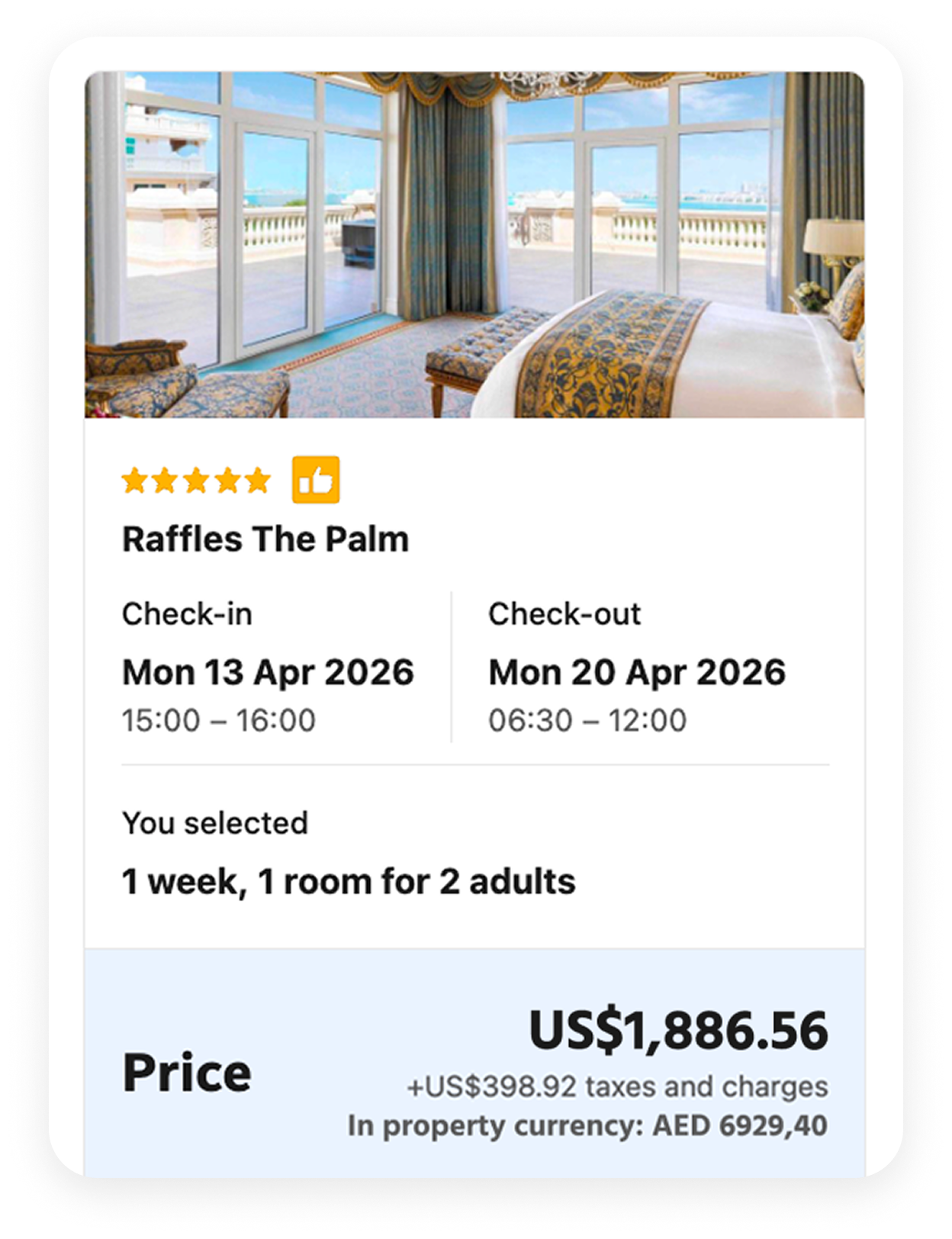
%201.png)
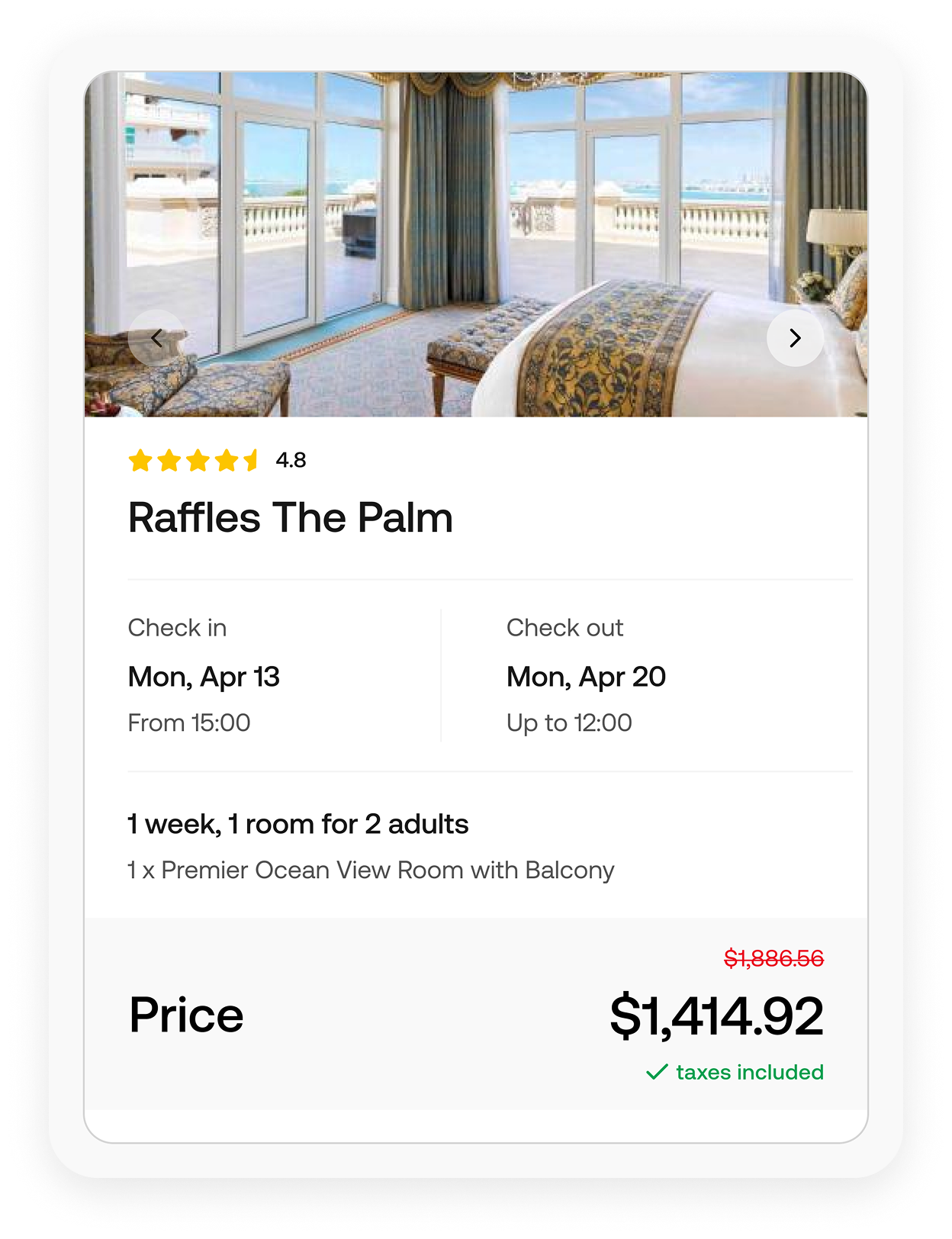
your first booking.
First-time users get $25 off their first booking.
Traveling to Mexico? See how to spend Bitcoin and USDT there.
2. Use a Crypto Debit Card for Everyday Spending
Crypto Visa debit cards from Crypto.com and Bybit convert BTC or USDT to naira at the point of sale and work at any Visa or Mastercard terminal in Nigeria. This covers grocery stores, fuel stations, restaurants, and any merchant with a POS terminal without requiring a separate conversion step. The card auto-converts at the moment of payment.
Each card transaction is a disposal event that may attract tax under future FIRS crypto guidance. USDT holders have a simpler tax position than BTC holders because stablecoin disposals generate minimal gains relative to volatile assets. Keep records of your cost basis for each transaction in case FIRS formalizes reporting requirements.
3. Buy Gift Cards and Mobile Top-Ups via Bitrefill
Bitrefill sells gift cards and mobile recharges directly for BTC, USDT, and other cryptocurrencies. Nigerian coverage includes mobile top-ups for MTN, Airtel, Glo, and 9mobile, as well as gift cards for platforms accessible to Nigerian users. You pay in crypto and receive a recharge code or voucher instantly.
This is one of the most direct routes from crypto to everyday utility spending in Nigeria. Monthly mobile data plans for all four major carriers are available in standard denominations. Bitrefill accepts Lightning Network payments, making the process near-instant for Bitcoin Lightning wallet users. The markup on face value is typically a few percent, which is often less than the cost of a bank transfer route.
4. Convert USDT to Naira via P2P
For access to the full Nigerian merchant economy via OPay and PalmPay, converting USDT to naira through a licensed platform is the most practical route. Luno supports naira withdrawals to Nigerian bank accounts and is among the platforms pursuing SEC registration under the 2024 framework. Yellow Card similarly supports naira withdrawals and covers multiple West African markets. Both operate under KYC requirements.
The process runs: sell USDT on the platform for naira, withdraw to a Nigerian bank account, then spend via OPay, PalmPay, or direct bank transfer at any merchant. Settlement to a bank account typically takes minutes to a few hours depending on the platform and bank. The naira exchange rate matters significantly given ongoing currency volatility, so comparing rates across platforms before converting is worth the extra two minutes.
Sending Bitcoin or USDT to friends in Lebanon? See how they can spend it.
5. Shop on Jumia or Konga
Jumia and Konga are Nigeria’s two largest e-commerce platforms and do not accept crypto directly. The practical route runs through naira: convert USDT via Luno or Yellow Card, withdraw to a bank account, and pay via bank transfer, OPay, or PalmPay at checkout. Both platforms accept multiple payment methods at checkout including bank transfer and wallet payments.
For Jumia specifically, cash on delivery is also available across major Nigerian cities, which means converted naira in a bank account covers every purchase scenario. Neither platform has gift card options on Bitrefill for Nigerian users as of mid-2025, so the conversion route is the primary path. For international shopping from Nigeria, a crypto debit card funded with USDT covers Alibaba, AliExpress, and other global platforms directly.
6. Pay via OPay or PalmPay
OPay and PalmPay are Nigeria’s two dominant fintech wallets, with tens of millions of users between them and acceptance at kiosks, markets, restaurants, transport operators, and utility bill payment points across the country. They function as the last-mile payment layer once naira is in a bank account after USDT conversion, equivalent to how UPI works in India or M-Pesa works in East Africa.
Neither OPay nor PalmPay can be linked directly to a crypto exchange or wallet. The conversion step is necessary: sell USDT on Luno or Yellow Card, withdraw naira to a bank account, and fund your OPay or PalmPay wallet from that account for everyday spending. Once naira is in either wallet, the merchant network is enormous and covers virtually every spending category in urban Nigeria.
7. Top Up Mobile Credit (MTN, Airtel, Glo, 9mobile)
All four major Nigerian carriers are available for prepaid top-up on Bitrefill in BTC, USDT, and other cryptocurrencies. MTN, Airtel, Glo, and 9mobile recharge codes are delivered instantly and applied to the mobile number.
This is one of the most direct and friction-free crypto spending routes available in Nigeria. For freelancers and remote workers receiving USDT, topping up mobile data and airtime without converting to naira first saves both the conversion fee and the exchange rate uncertainty. Data bundle denominations for all four operators are available in standard sizes on Bitrefill.
8. Order Food via Chowdeck or Glovo
Chowdeck and Glovo are the two most active food delivery platforms in Nigeria’s major cities and do not accept crypto directly. Payment on both platforms runs through naira via card, bank transfer, or OPay. The practical route is to convert USDT to naira via Luno or Yellow Card, fund an OPay wallet from a bank account, and pay via OPay at checkout on either platform.
The conversion route adds one step but is straightforward in practice. Both Chowdeck and Glovo accept OPay at checkout in Lagos, Abuja, and Port Harcourt, which are the three cities with the strongest delivery coverage. For anyone maintaining an OPay wallet funded from regular USDT conversions, food delivery payments become part of the same spending flow as any other everyday purchase.
9. Send or Receive Remittances in USDT
Nigeria received $20.93 billion in official remittances in 2024, an 8.9% increase year on year, with the US, UK, Canada, and Italy as the top source corridors. USDT transfers from diaspora members abroad to family wallets in Nigeria settle in minutes rather than days and carry network fees measured in cents rather than the 7 to 10 percent charged by traditional operators. For families receiving regular support from overseas, the naira conversion rate at the time of selling USDT on Luno or Yellow Card determines the final naira value.
The recipient in Nigeria needs a crypto wallet address to receive USDT. Once received, USDT can be held as a dollar-denominated store of value or converted to naira via Luno or Yellow Card at whatever rate is most favorable. With the naira having lost significant value against the dollar since 2023, the timing of the conversion can materially affect purchasing power. Converting in tranches rather than all at once helps manage this exposure.
10. Get Paid and Spend as a Freelancer or Creative
Nigeria has one of the largest English-speaking tech talent pools in Africa and a world-class music and creative industry spanning Afrobeats, Nollywood, and digital content creation. Both communities receive significant international income. Tech freelancers, developers, designers, and remote workers regularly receive USDT from international clients as a faster and cheaper alternative to SWIFT wire transfers. Afrobeats artists, producers, and Nollywood professionals increasingly receive international royalties and licensing fees in USDT from global platforms and distributors.
Once USDT is received, the options branch: convert to naira via Luno or Yellow Card for everyday OPay and PalmPay spending, use a crypto debit card for point-of-sale payments at any Visa terminal, use Bitrefill for mobile top-ups and gift cards, hold USDT as a dollar-denominated hedge against naira volatility, or book international travel via CoinBooking with no naira conversion required.
11. Pay for Online Courses and Education
International education platforms including Udemy, Coursera, and LinkedIn Learning accept card payments, which a crypto debit card funded with USDT handles directly. Some web3-focused bootcamps and international tech training providers accept USDT directly. For Nigerian learners, the debit card route gives access to the full global online education market without requiring USD conversion through a bank.
Udemy courses frequently go on sale at steep discounts with Nigerian naira pricing available at checkout. Coursera has localized pricing in some markets. For any platform that does not offer naira pricing, a crypto debit card charged in USDT avoids the parallel market naira-to-dollar premium that affects Nigerian bank card transactions on international platforms.
12. Gaming, Streaming and Digital Subscriptions
Bitrefill covers Steam, Xbox, PlayStation, Spotify, and Netflix gift cards in BTC and USDT with instant delivery. Google Play and Apple App Store credits are also available, enabling in-app purchases and app subscriptions without a bank card. For Nigerian gamers and content consumers who hold USDT, Bitrefill removes the international card requirement entirely.
For Showmax and other African streaming platforms, payment runs through naira via OPay or bank transfer after USDT conversion. Netflix Nigeria naira pricing is available and can be paid via a crypto debit card charged in USDT. The debit card route is more practical than gift cards for recurring subscriptions since it handles auto-renewal automatically without requiring a new gift card purchase each cycle.
Frequently Asked Questions
1. Is crypto legal in Nigeria?
Yes. The Central Bank of Nigeria reversed its 2021 crypto ban in December 2023. The Investments and Securities Act 2025, signed in March 2025, formally recognized digital assets as securities under the SEC and requires all exchanges to register as VASPs. From January 2026, crypto gains are taxed at up to 25% under the Nigeria Tax Act 2025. Losses can be offset against gains. Individual holders face no restriction on buying, selling, or holding digital assets, but must report taxable disposals. Consult a local accountant for current compliance guidance.
2. What happened with Binance in Nigeria?
In early 2024, Nigerian authorities detained two Binance executives over allegations of currency manipulation and tax evasion. One executive, Tigran Gambaryan, was held for several months before release. Binance subsequently paid a $35 million settlement. The situation significantly disrupted Binance P2P operations for Nigerian users. Verify the current availability and legal status of any Binance service in Nigeria before using it for naira conversion. Luno and Yellow Card are the most recommended alternatives for P2P naira conversion under the current regulatory framework.
3. Which platforms work for crypto to naira conversion in Nigeria?
Luno and Yellow Card are the two most recommended platforms for converting USDT or BTC to naira in Nigeria following the 2024 Binance controversy. Both support naira withdrawals to Nigerian bank accounts and are operating within or pursuing registration under the SEC’s 2024 licensing framework. Busha is also available. Once naira is in a bank account, OPay and PalmPay give access to the full Nigerian merchant economy for everyday spending.
4. Can I use USDT to receive freelance payments in Nigeria?
Yes. Many international clients and platforms pay Nigerian freelancers, tech workers, and creative professionals in USDT as a faster and cheaper alternative to bank wire transfers. Once received, USDT can be converted to naira via Luno or Yellow Card and withdrawn to a bank account for everyday spending through OPay and PalmPay, held as a dollar-denominated hedge against naira depreciation, or used directly via a crypto debit card at any Visa terminal. For travel bookings, CoinBooking accepts USDT directly with no naira conversion required.
5. Can I book hotels in Nigeria with Bitcoin?
Yes. CoinBooking lists hotels across Nigeria including Lagos, Abuja, Port Harcourt, and all major cities at up to 30% less than Booking.com or Expedia. It accepts Bitcoin, USDT, ETH, Apple Pay, Google Pay, and over 100 other payment options with no credit card and no bank account required. The Nigerian diaspora booking accommodation for visits home and Nigerian holders booking international travel can both use CoinBooking without any naira conversion step. Early users receive $25 off their first booking.
6. Is USDT safe to use in Nigeria?
USDT is a dollar-pegged stablecoin issued by Tether and is widely used across Nigeria for savings, freelance income, and remittances. It is not issued or guaranteed by the Nigerian government and is not legal tender in Nigeria. The main risks are platform risk (choosing unregulated or compromised exchanges for conversion), the evolving regulatory framework which may introduce new requirements, and the general counterparty risks of any digital asset platform. Use registered platforms like Luno or Yellow Card for naira conversion, store USDT in a non-custodial wallet for larger holdings, and monitor FIRS guidance on crypto taxation as rules develop.


Spending crypto is the easy part. 30% off is the good part.
Get up to 30% off all future hotels and flights.

Yaryna Dobrianska is a Dubai-based business and technology writer with a background in fintech and digital services. She covers cryptocurrency adoption, cross-border payments, and the practical realities of spending digital assets across emerging markets.
Her work at Polkastarter focuses on making Web3 accessible, breaking down how crypto moves through real-world financial systems, from payments infrastructure to on-chain adoption trends.
You just read 12 ways to spend crypto. This is the most valuable.
.avif)
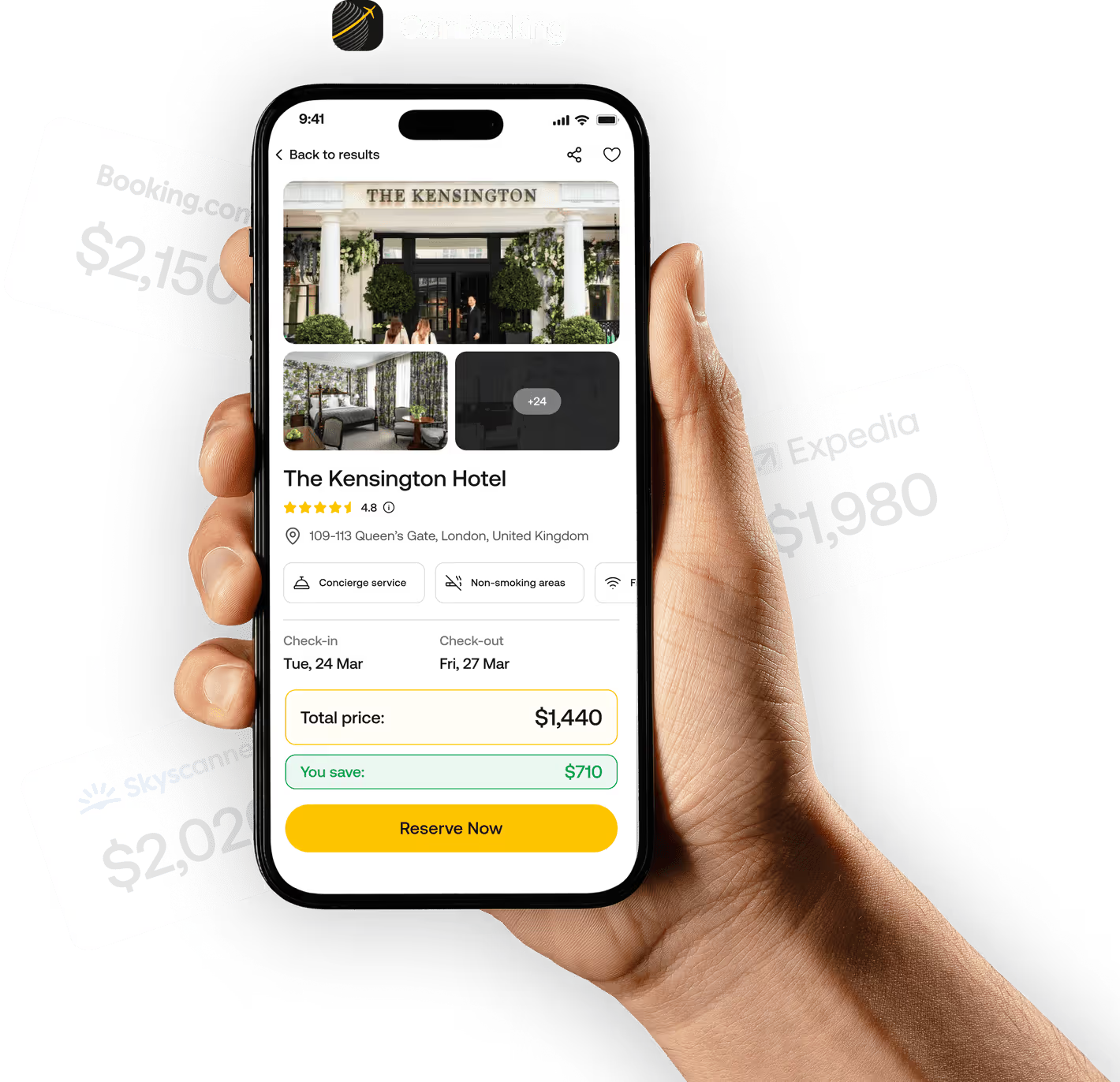
You just read 12 ways to spend crypto. This is the most valuable.