.avif)
.png)
.avif)


Content
Top 12 Ways to Spend Bitcoin (BTC) and USDT in Switzerland

Switzerland did not wait for the EU to tell it how to handle crypto. By the time the rest of Europe was still debating frameworks, Switzerland had already enacted the DLT Act in February 2021, issued FINMA token classification guidelines in 2018, and made Zug the first government in the world to accept Bitcoin for municipal services back in 2016. The results are measurable.
Switzerland attracted 47% of all blockchain venture capital raised in Europe throughout 2025, pulling in $728 million across 31 deals. The country’s blockchain ecosystem now spans more than 1,766 registered companies. The Swiss cryptocurrency market reached $20.7 billion in 2024 and is projected to surpass $48 billion by 2033.
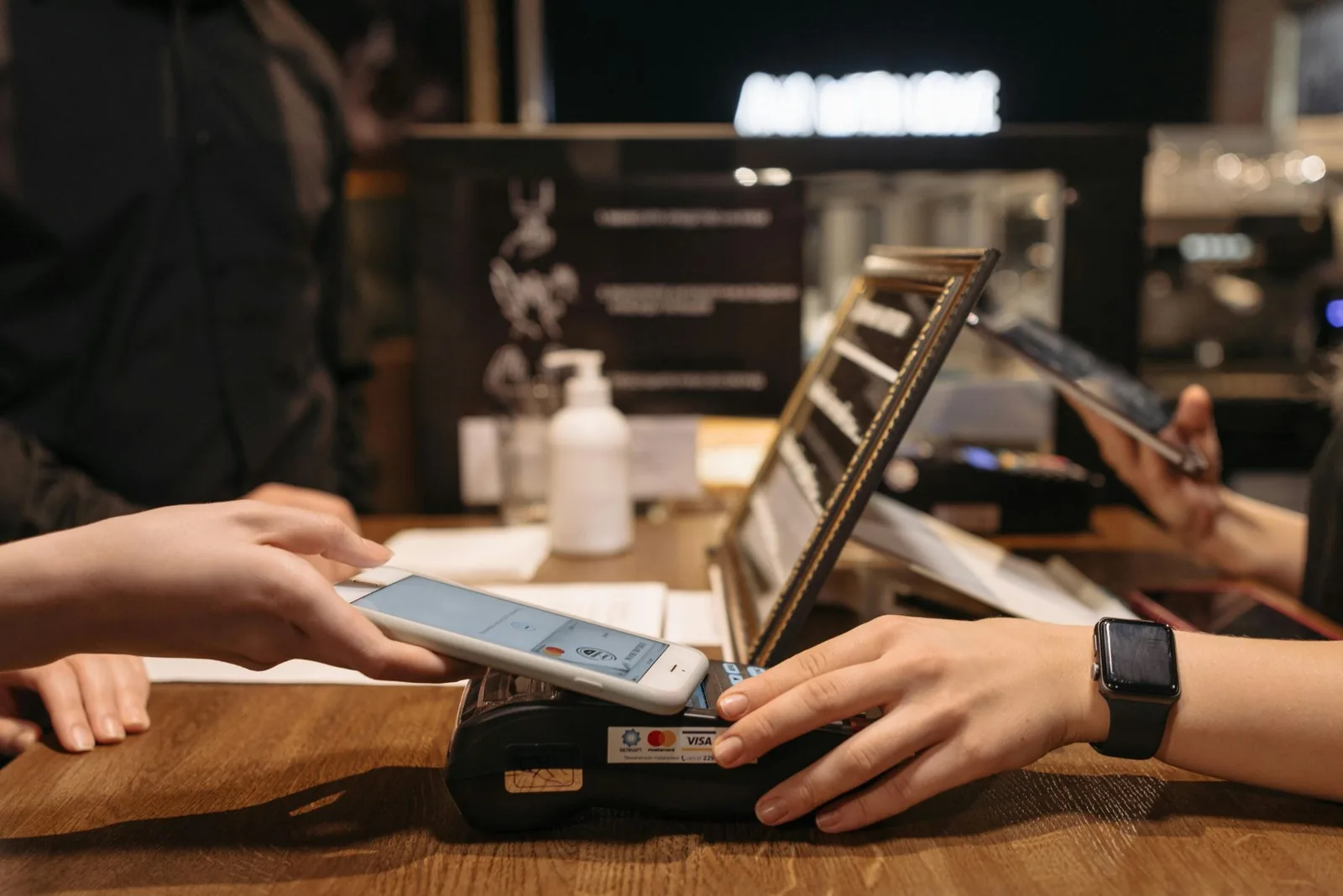
For a BTC or USDT holder based in Zurich, Zug, Geneva, Basel, or Lugano, all of this translates into something practical. Switzerland offers more ways to spend crypto than virtually any other country in Europe.
Holding crypto in another European country? See how crypto spending works across the rest of Europe.
Can You Spend Bitcoin and USDT Directly in Switzerland?
Direct BTC acceptance is higher in Switzerland than in almost any other European market. Digitec and Galaxus, the two dominant Swiss online retailers owned by Migros, accept Bitcoin directly at checkout through an integrated crypto payment processor. Restaurants, hotels, and boutiques in Zurich and Geneva accept BTC via QR code. In Zug and Lugano, local government policy has created active communities of crypto-accepting businesses that operate at street level.
For payments at any Visa or Mastercard terminal in Switzerland, crypto debit cards issued by Crypto.com or Bybit convert your holdings to CHF at the point of sale. Bitcoin Suisse also offers a crypto card for its established clients. This means you can pay at cafes, supermarkets, pharmacies, and SBB machines without touching a bank account.

When direct acceptance is not available, the conversion route matters. Bitcoin Suisse is Switzerland’s longest-established FINMA-regulated broker. Mt Pelerin, based in Geneva, operates under the same framework and is known for its privacy-focused non-custodial approach.
At the institutional level, AMINA Bank and Sygnum Bank both hold full FINMA banking licences. AMINA Bank recorded 69% revenue growth in 2024, which reflects the pace at which institutional clients are moving crypto into regulated Swiss banking. Once CHF lands in any Swiss bank account, TWINT is immediately available. TWINT itself does not accept crypto directly, as it requires CHF in a linked bank account to function.
Is It Legal to Use Bitcoin and USDT in Switzerland? What the DLT Act and FINMA Mean for You
Switzerland is not an EU member and is not subject to MiCA. It operates under its own legal framework, and this distinction matters enormously for any holder comparing their Swiss obligations against those of a holder in Germany, France, or Italy.
The foundation of Swiss crypto law is the Distributed Ledger Technology Act, which entered into force on February 1, 2021. The DLT Act created new legal categories for tokenised assets, DLT securities, and the platforms that trade or hold them. FINMA regulates exchanges, brokers, and crypto banks under this framework and requires them to hold appropriate licences and comply with anti-money laundering obligations. Swiss-regulated providers like Bitcoin Suisse and Mt Pelerin operate under one of the most rigorous supervision regimes in the world. It is structurally different from MiCA but comparable in its standards.
Individual investors who hold and sell or spend crypto as private assets are not subject to capital gains tax in Switzerland. This is one of the most favourable treatments in Europe. If you bought Bitcoin two years ago and spend it at a Zurich hotel today, the appreciation is not taxed. The picture is not entirely simple, as frequent or high-volume traders can be reclassified as self-employed, at which point profits are treated as taxable income. Anyone trading at that level should work with a Swiss tax adviser to understand their specific classification.
One obligation that catches many holders off guard is the annual wealth tax. Crypto holdings must be declared on your Swiss tax return each year. The Swiss Federal Tax Administration publishes year-end reference rates for major cryptocurrencies including Bitcoin and Ether. The wealth tax typically runs between 0.1% and 0.5% depending on your canton. It is a real obligation and must be factored into annual reporting.
in Switzerland
12 Ways to Spend Bitcoin (BTC) and USDT in Switzerland
1. Book Hotels and Flights with Bitcoin or USDT
Most Swiss crypto holders are long-term. They bought their crypto years ago when it was cheap, and they often have numerous tokens sitting idle in their portfolios.


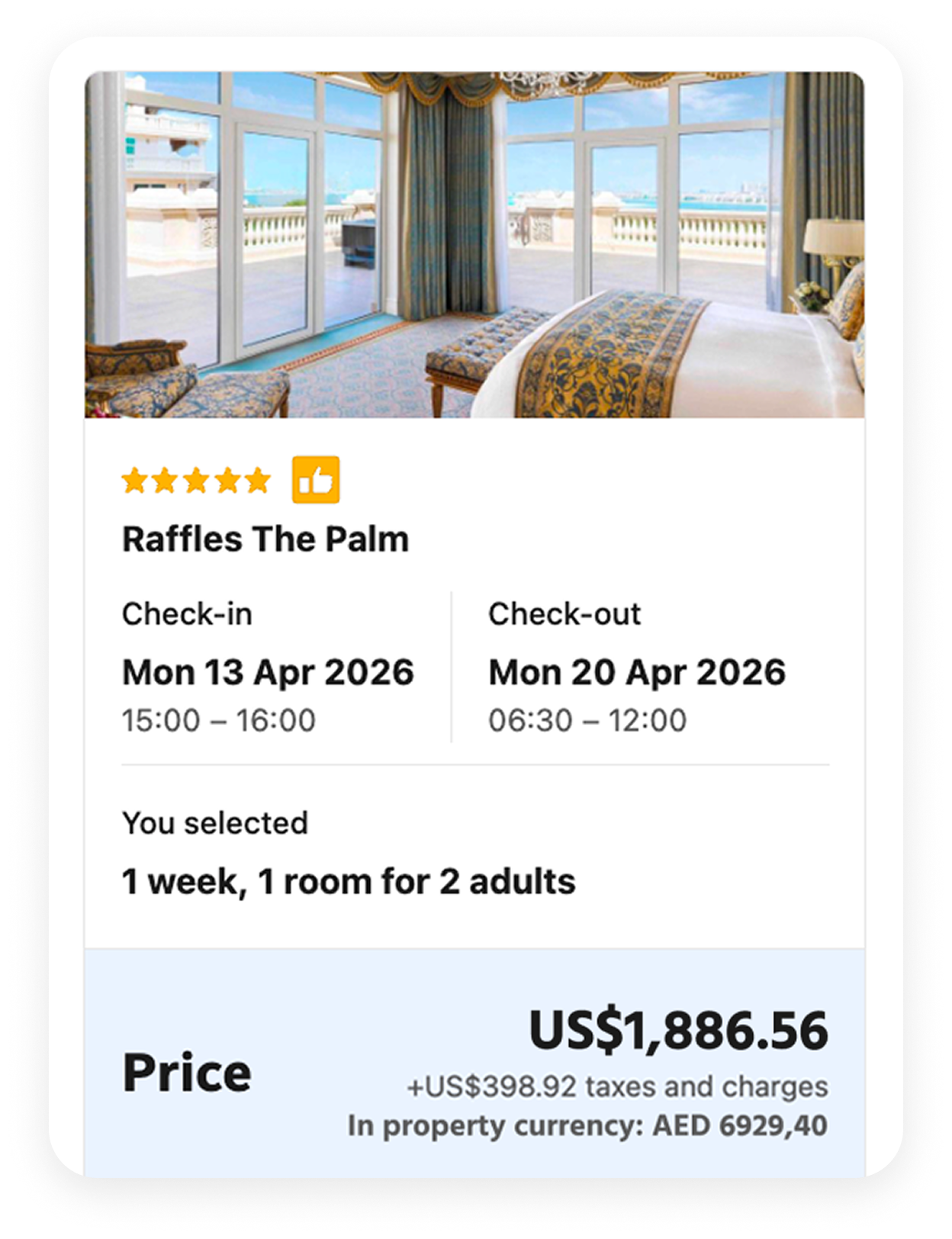
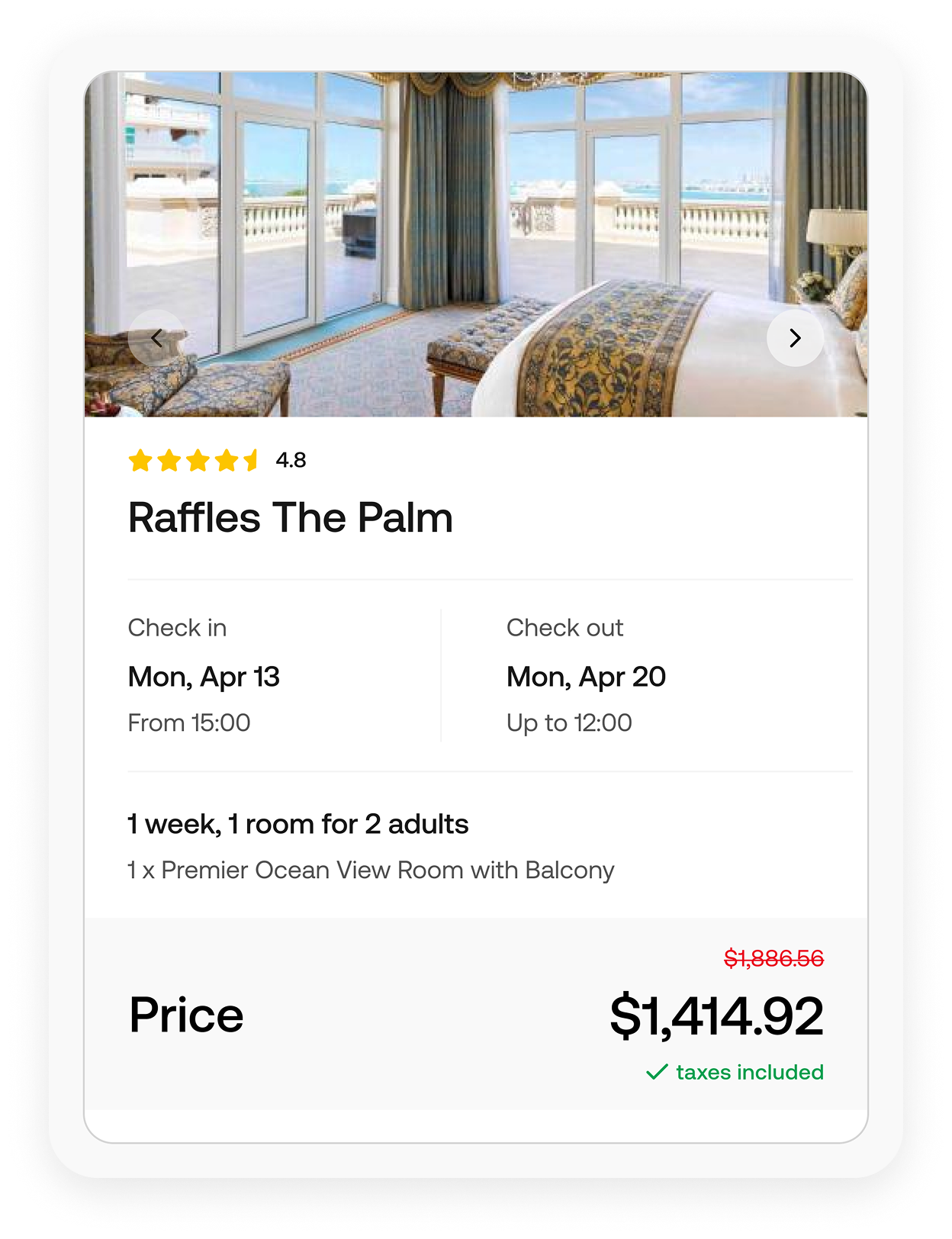
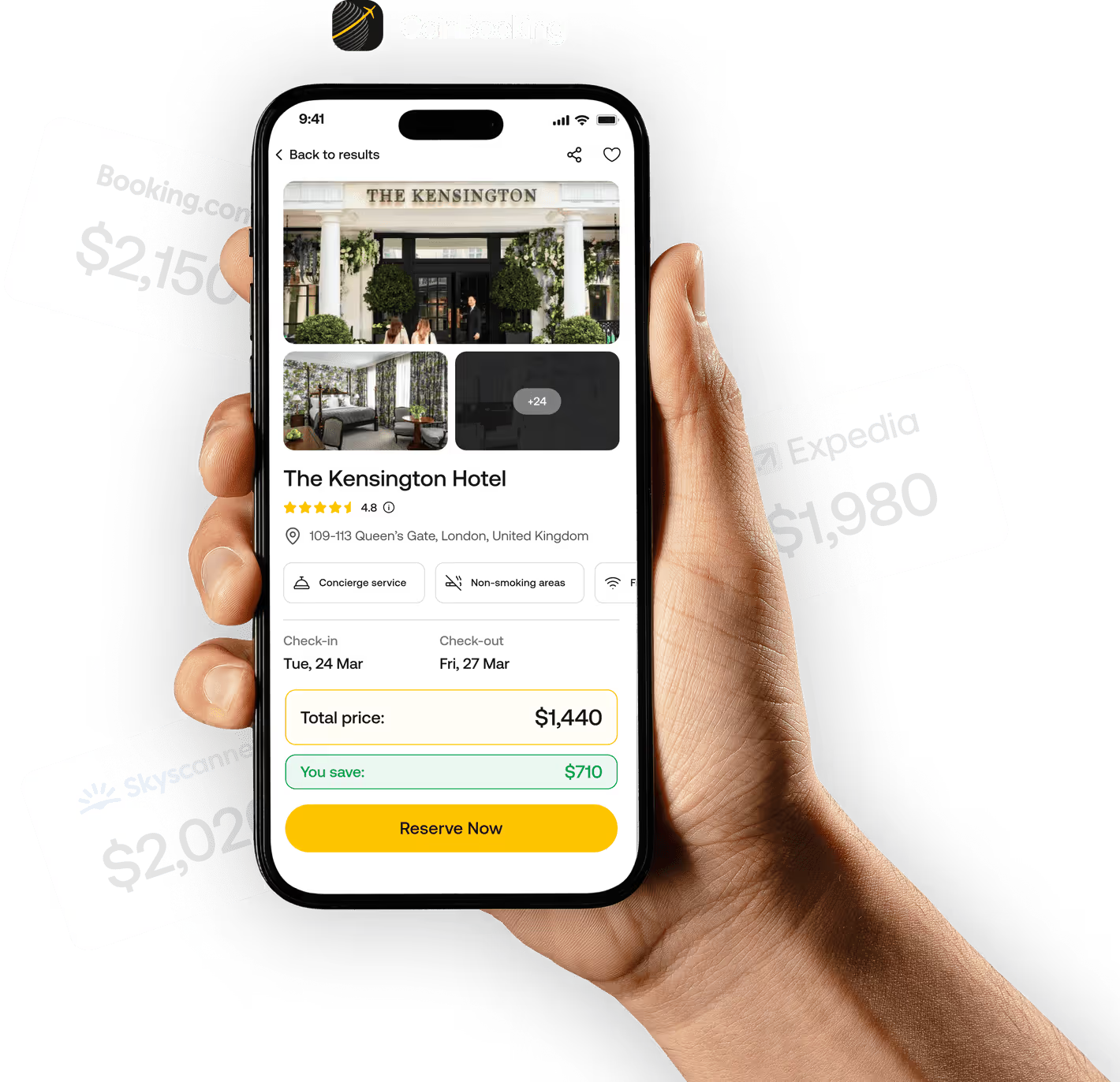
CoinBooking gives that crypto something to do. It's a Dubai-licensed travel platform that lists the same hotels and flights as Booking.com and Expedia at up to 30% less, accepting Bitcoin, USDT, and 100+ other cryptocurrencies directly at checkout. Whatever's been sitting in the wallet can now book a New York work trip from Zurich or two weeks in Mauritius from Geneva at well below retail.
Just $870 Cheaper.

%201.png)
your first booking.
Coverage spans 190+ countries and over a million properties.
Traveling from Switzerland to Vienna? See how Bitcoin and USDT work in Austria.
2. Use a Crypto Debit Card for Everyday Spending
A crypto debit card is the most immediate way to spend BTC or USDT across Switzerland’s dense network of card-accepting merchants. The Crypto.com Visa card and the Bybit Card both work at any Swiss terminal that accepts Visa or Mastercard. This covers cafes, supermarkets, pharmacies, SBB ticket machines, and public transport apps. The conversion from crypto to CHF happens automatically at the moment of payment. There is no need to pre-load CHF manually. Bitcoin Suisse also makes a crypto card available to its established clients, keeping all spending within the same FINMA-regulated ecosystem.
For day-to-day life in Switzerland’s high-cost urban centres, a crypto debit card lets you treat your BTC or USDT as a liquid spending balance. The exchange happens at purchase rather than in advance, so you retain exposure to your holdings right up until the point of payment.
3. Buy Gift Cards and Mobile Top-ups via Bitrefill
Bitrefill operates in over 186 countries and offers a broad catalogue of Swiss retailer gift cards, mobile top-ups, and service vouchers purchasable directly with BTC, ETH, USDT, and USDC. For Swiss-based holders, this opens up brands that do not yet have native crypto checkout, including Migros and Manor. The mobile top-up function covers Swisscom, Sunrise, and Salt directly, making it simple to top up a Swiss number or eSIM without any CHF conversion step. Bitrefill is particularly useful for holders who want to spend crypto regularly but are not yet ready to use a debit card for every transaction.
4. Shop at Digitec or Galaxus with Bitcoin
Digitec is Switzerland’s leading electronics retailer. Galaxus is its general merchandise platform covering everything from kitchen appliances to outdoor gear. Both are owned by Migros and together form the dominant force in Swiss e-commerce. Both accept Bitcoin directly at checkout via a native crypto payment integration. You pay with BTC from your wallet exactly as you would pay by credit card, with no debit card or conversion step in between.
For anyone who regularly buys electronics, tech accessories, or household goods, this is one of the most practical direct-spend options in Switzerland. Always verify the current payment page on Digitec.ch or Galaxus.ch before checkout, as payment integrations occasionally require maintenance.
5. Pay City Services and Taxes with Crypto in Zug or Lugano
Switzerland is home to two of the most significant examples of government crypto adoption in the world, and they are genuinely distinct from each other.
Zug has been accepting Bitcoin for municipal services since 2016, making it the first government in the world to do so. The canton has since raised its crypto tax payment threshold to CHF 1.5 million per transaction. Residents scan the QR code on any official invoice, pay in BTC or ETH via a mobile wallet, and Bitcoin Suisse handles the instant conversion to Swiss francs.
Lugano goes further through its Plan B initiative. Since December 2023, every municipal invoice in Lugano can be settled in BTC or USDT with no upper limit covering taxes, parking fines, tuition, and utility charges. Over 350 local merchants accept Lightning Network payments at fees below 1%, and the annual Plan B Forum now draws 4,000+ attendees from 64 countries.
6. Convert to CHF via Bitcoin Suisse or Mt Pelerin
For spending in contexts where direct crypto acceptance is not available, such as restaurants, doctors, lawyers, or landlords, the most reliable approach is converting BTC or USDT to CHF via a Swiss-regulated broker and receiving the funds in a Swiss bank account.
Bitcoin Suisse, founded in 2013 and headquartered in Zug, is Switzerland’s oldest and most established crypto broker. It is FINMA-registered, processes all conversions within regulated banking infrastructure, and serves both retail and institutional clients. Mt Pelerin, based in Geneva, is a licensed alternative with a strong reputation among users who prioritise privacy and a fully non-custodial approach. Both convert crypto to CHF at competitive rates and deliver funds to any Swiss bank account within standard settlement windows. Once CHF is in your account, TWINT is immediately available alongside all standard card and e-banking functions.
7. Top Up Mobile Credit (Swisscom, Sunrise, Salt)
Swiss mobile operators do not accept crypto directly at their portals. The two practical routes are Bitrefill, which sells Swisscom, Sunrise, and Salt top-up codes in exchange for BTC, ETH, and USDT, or a crypto debit card that allows you to top up through the operator’s app just as you would with any other card. For prepaid customers in Switzerland, Bitrefill is particularly convenient because it removes any dependency on a bank account or card entirely.
8. Order Food or Groceries Online
Switzerland’s two main food delivery platforms, Eat.ch and Smood, but they do not accept crypto directly. The dominant supermarket chains Migros and Coop do not accept crypto at point of sale in physical stores or online. The practical route is to pay via TWINT or a crypto debit card. TWINT requires CHF in a linked bank account, so the conversion step applies. A crypto debit card handles the transaction directly at checkout. For non-food shopping at Digitec or Galaxus, the direct Bitcoin option applies. The weekly grocery run still requires CHF or a card that converts automatically.
9. Send Money Abroad as an Expat or International Worker
Switzerland has a large expat and international workforce concentrated in Zurich’s financial district, Geneva’s international organisations, and Basel’s pharmaceutical sector. For this group, BTC and USDT offer a practical cross-border transfer mechanism that operates outside Swiss banking fees and international wire costs. USDT is widely used for this purpose because its dollar-pegged stability removes exchange rate uncertainty during transit. Mt Pelerin’s non-custodial approach suits users sending larger amounts, as it allows conversion and transfer without full custody of funds passing to a third party. This is not a regulated remittance service in the traditional sense. Users should confirm that their destination jurisdiction permits crypto receipts before sending.
Sending Bitcoin or USDT to Lebanon from Switzerland? See our guide to spending USDT and Bitcoin there.
10. Pay for Freelance and Professional Services
Switzerland’s tech and finance sectors include a meaningful population of freelancers, consultants, and contractors who invoice and accept payment in BTC or USDT. This is especially true in Zug’s blockchain ecosystem and Geneva’s international finance community. When working with crypto-native service providers such as DLT legal advisers, developers, or financial consultants, direct on-chain payment in USDT is increasingly treated as a standard option. For Swiss tax purposes, income received in cryptocurrency is treated as CHF income at the fair market value on the date of receipt. Both parties to a crypto invoice should record the exchange rate at settlement.
11. Pay for Online Courses and Education
A wide range of international education platforms accept BTC and USDT for course enrolment. Coursera, Udemy, and several blockchain-specific academies accept crypto through third-party processors. Bitrefill carries gift cards for several of the larger platforms. Direct crypto payment is not yet standard at most Swiss universities. The University of Basel and EPFL both conduct blockchain research but do not accept tuition fees in crypto. A growing number of private blockchain academies and professional certification providers within Switzerland’s crypto ecosystem are structured to accept digital assets directly.
12. Gaming, Streaming, and Digital Subscriptions
For digital subscriptions and gaming top-ups, Bitrefill is the most practical tool for Swiss crypto holders. It covers PlayStation Network cards, Xbox credits, Steam wallet codes, and a range of streaming-adjacent gift cards, all purchasable with BTC, ETH, USDT, and other major coins. Netflix and Spotify do not accept crypto directly, but their gift card equivalents are available on Bitrefill and redeemable in the standard way. For gaming platforms with native crypto integration, including blockchain games and Web3 platforms, BTC and USDT are already first-class payment methods. Zug’s blockchain community has produced a cluster of gaming and digital entertainment startups built for crypto-native users from day one.
Frequently Asked Questions
1. Is Bitcoin legal in Switzerland?
Yes. Bitcoin and other cryptocurrencies are fully legal in Switzerland for private individuals to hold, trade, and spend. Switzerland is not subject to EU regulations and operates under its own legal framework, anchored by the DLT Act in force since February 2021 and supervised by FINMA. There is no restriction on private individuals holding any amount of crypto, transacting with it, or converting it to Swiss francs through a regulated broker. Businesses accepting crypto as payment must comply with FINMA anti-money laundering requirements above certain thresholds, but private spending and peer-to-peer transactions are unrestricted.
2. Do I pay tax on Bitcoin gains in Switzerland?
Private investors in Switzerland do not pay capital gains tax on profits from selling or spending cryptocurrency. If you bought BTC at CHF 30,000 and spend it when it is worth CHF 80,000, the CHF 50,000 appreciation is not taxed. You must still declare your crypto holdings as part of your annual wealth tax return, using reference rates published by the Swiss Federal Tax Administration each December 31. Frequent or professional traders may be reclassified as self-employed and taxed on profits as income. Anyone trading at volume should consult a Swiss tax adviser familiar with FINMA’s classification criteria.
3. What is Crypto Valley?
Crypto Valley is the informal name for the concentration of blockchain and cryptocurrency companies in and around the canton of Zug in central Switzerland. The ecosystem now spans more than 1,766 registered companies, with the top 50 carrying a combined valuation of approximately $467 billion. Zug offers corporate taxes around 11.85%, the lowest in Switzerland, alongside FINMA regulatory clarity, proximity to Zurich’s financial infrastructure, and a dense network of crypto-native legal and banking services that are difficult to replicate elsewhere in Europe.
4. Can I pay taxes with Bitcoin in Switzerland?
Yes, in several Swiss municipalities. Zug has accepted Bitcoin for municipal services since 2016, making it the first government in the world to do so. The canton now allows crypto tax payments up to CHF 1.5 million per transaction. Lugano extended the model significantly through Plan B: from December 2023, all municipal invoices in Lugano can be paid in BTC or USDT with no upper limit, covering income taxes, corporate taxes, parking fines, and tuition. Zermatt and Chiasso also accept crypto tax payments. All conversions are handled by Bitcoin Suisse, which converts crypto to Swiss francs instantly so the municipality holds no volatile assets.
5. Can I book hotels and flights with Bitcoin directly in Switzerland?
Yes. CoinBooking lists the same properties at up to 30% less than Booking.com or Expedia and accepts Bitcoin, USDT, or 100+ other cryptocurrencies directly at checkout across 190+ countries and more than a million properties, with no conversion to CHF required. Early users receive $25 off their first booking.
6. How does crypto regulation in Switzerland differ from MiCA?
MiCA applies to all 27 EU member states and EEA countries. Switzerland is neither an EU member nor part of the EEA, so MiCA has no legal force here. Switzerland regulates crypto under the DLT Act, which creates specific legal categories for DLT securities, tokenised assets, and blockchain trading platforms. FINMA supervises exchanges, brokers, and crypto banks under this framework. For a Swiss-based holder, this means no capital gains tax on private holdings, no obligation to use only MiCA-compliant providers, and a legal framework purpose-built for distributed ledger technology rather than adapted from existing securities law. The two regimes are broadly comparable in rigour but structurally distinct.


Spending crypto is the easy part. 30% off is the good part.
Get up to 30% off all future hotels and flights.

Yaryna Dobrianska is a Dubai-based business and technology writer with a background in fintech and digital services. She covers cryptocurrency adoption, cross-border payments, and the practical realities of spending digital assets across emerging markets.
Her work at Polkastarter focuses on making Web3 accessible, breaking down how crypto moves through real-world financial systems, from payments infrastructure to on-chain adoption trends.
Your $25 is waiting. So is up to 30% off every trip you'll ever take.
.avif)
Your $25 is waiting. So is up to 30% off every trip you'll ever take.