.avif)
.png)
.avif)


Content
Top 10 Ways to Spend Bitcoin (BTC) in Mexico After Converting MXN

Mexico is one of the world's largest recipients of remittance income, and the numbers have reached a scale that is difficult to ignore. In 2024, those inflows hit a new record of $64.7 billion, surpassing oil revenues for the second consecutive year and more than doubling the $28.4 billion generated by Mexico's oil exports.
The overwhelming majority comes from Mexicans living and working in the United States, and a growing share of it now moves through cryptocurrency networks. Bitso, the Mexico City-based exchange that has become Latin America's leading crypto platform, processed $4.3 billion of that US-Mexico corridor alone in 2023. Yet 2025 brought a sharp reversal: remittances fell roughly 5%, the steepest drop since 2009, driven by tightened U.S. immigration enforcement and a softening labor market.

If you are holding Bitcoin in Mexico, whether you earned it, invested in it, or received it as a remittance, here are 10 practical ways to put it to work across Mexico.
See our full guide to spending Bitcoin in any country.
Why Bitcoin Spending in Mexico Requires Converting to MXN First
Mexico's consumer economy runs on pesos, and that single fact shapes everything about how Bitcoin gets used here. Merchants process payments through cards, CoDi transfers, and cash. Convenience store giant, OXXO, handles physical transactions for millions of people across the country. There is no direct bridge between BTC and any of those channels, which makes conversion the first and most important step for anyone looking to put Bitcoin to practical use in Mexico.
For Mexican residents, Bitso is the most established route. The platform holds a local license, integrates directly with Mexico's interbank network, and has processed billions of dollars in the US-Mexico corridor alone. Binance P2P operates here as well and carries a strong user base across the country. Both platforms require identity verification as part of the onboarding process.
Once Bitcoin is converted to MXN, the resulting balance works like any standard peso account. Funds can be spent by card, sent via CoDi, or withdrawn as cash for OXXO payments and other in-person transactions. Fees and platform conditions in Mexico's crypto market shift regularly, so verifying current rates and availability before moving funds is always worth the extra step.
Is It Legal to Use Bitcoin in Mexico? What You Should Know First
Holding and trading Bitcoin is legal in Mexico. The country brought crypto under formal regulation in 2018 through the Ley Fintech, one of the first frameworks of its kind in Latin America. Two bodies share oversight: Banco de México controls how virtual assets can be used, while the CNBV supervises licensed exchanges and fintech companies operating in the space. Bitcoin is not legal tender, though two parties can always agree between themselves to settle a deal in crypto.

On the tax side, Mexico's SAT treats crypto gains as taxable income, with individual rates reaching up to 35%. The rules are still developing, so anyone moving serious money through crypto in Mexico is better off consulting a local tax professional than relying on general guidance.
Three things to know before you convert:
- Use Bitso as your starting point. It's locally licensed, connects directly to Mexico's interbank system, and is the most seamless option for Mexican residents. Binance P2P works well as an alternative for peer-to-peer conversions.
- Complete KYC before you need to move funds. Every licensed exchange requires identity verification. Getting locked out mid-transaction is an entirely avoidable problem.
- Keep records of every conversion. SAT treats each sale as a taxable event. Know your purchase price and conversion date before you sell, not after.
After Converting to MXN
10 Ways to Spend Bitcoin in Mexico After Converting MXN
1. Book Hotels and Flights with Bitcoin
Mexico sits at the center of one of the largest remittance corridors in the world. Millions of Mexicans living and working in the US send money home every month and a growing number of them hold Bitcoin as part of that financial routine.
.png)
.png)
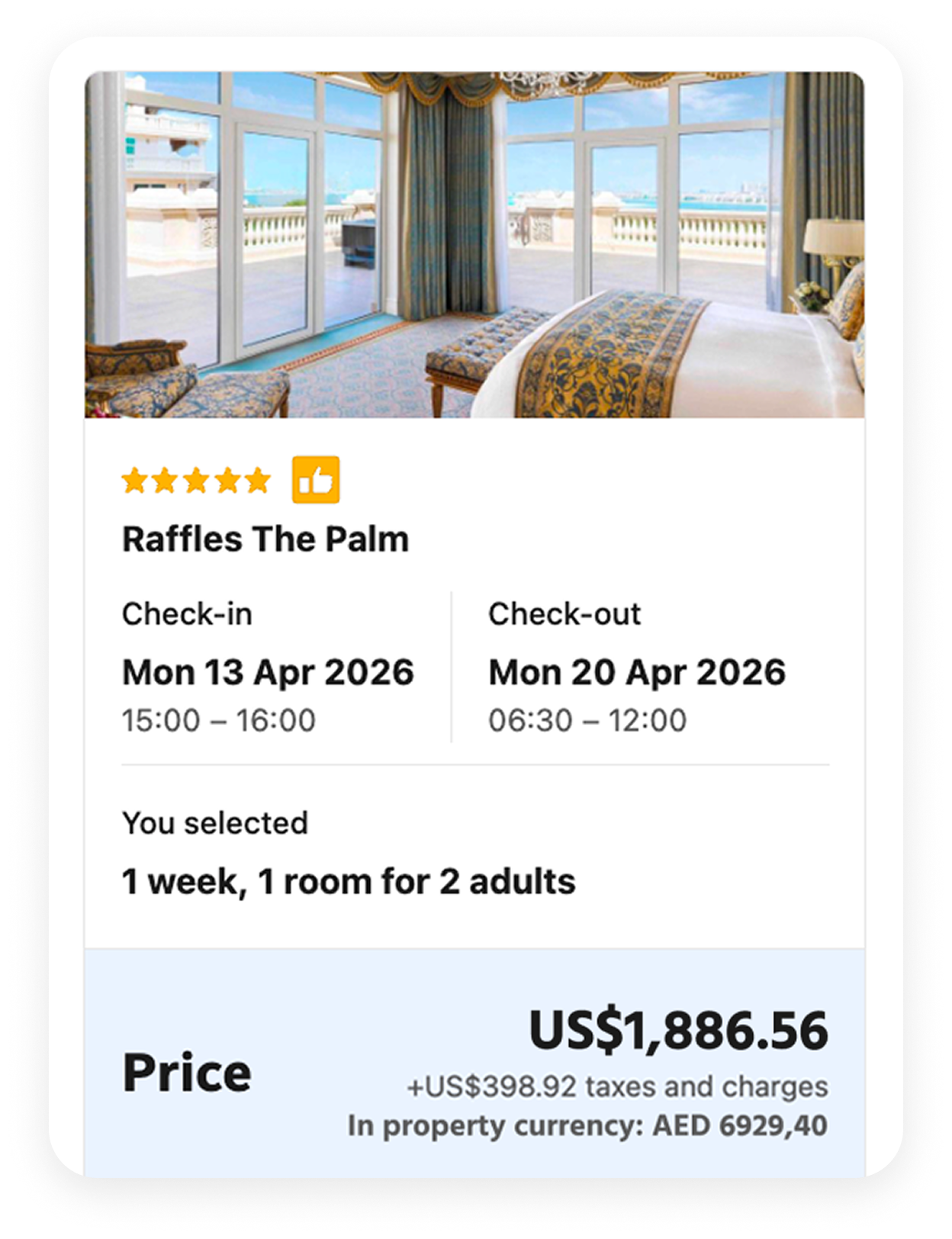
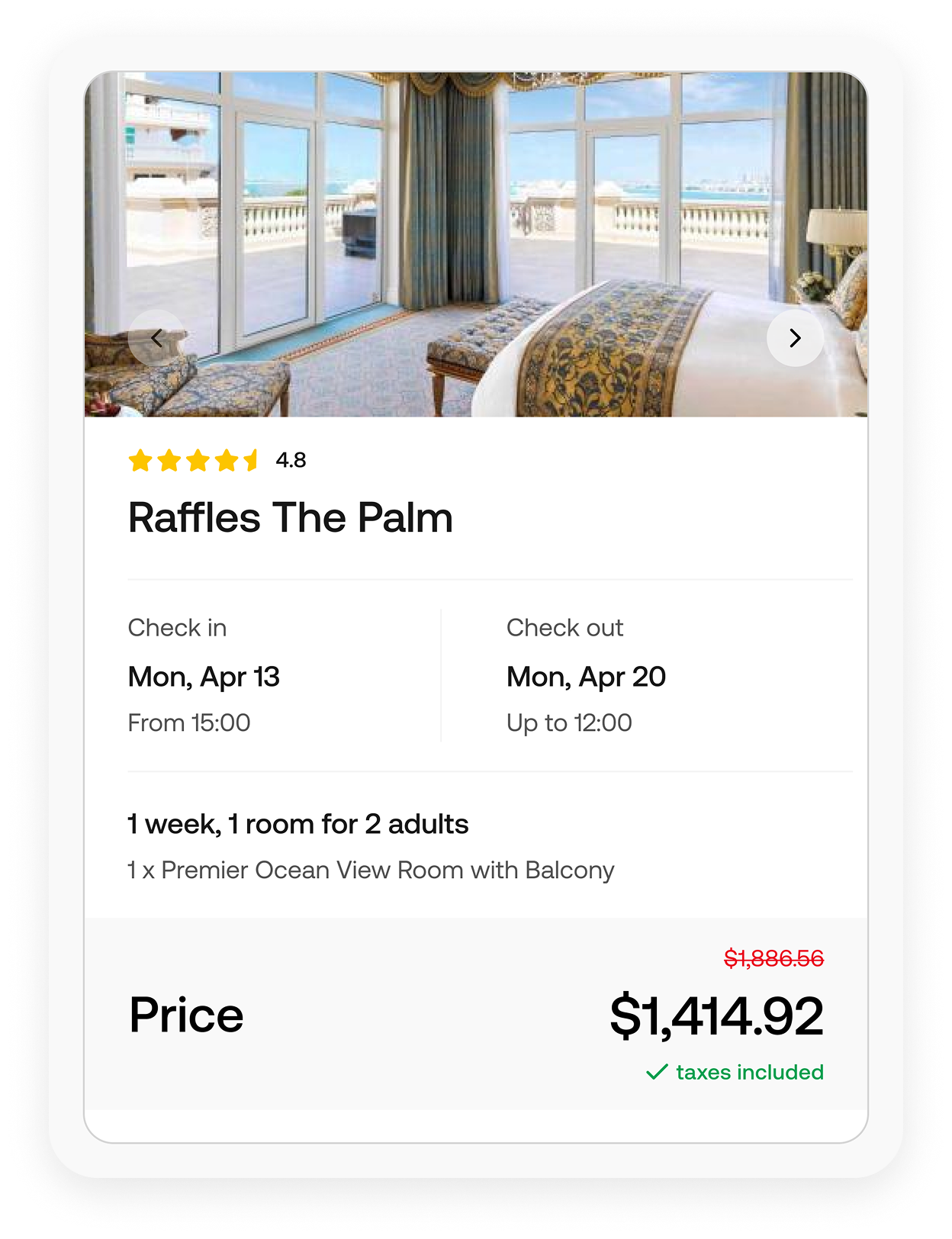
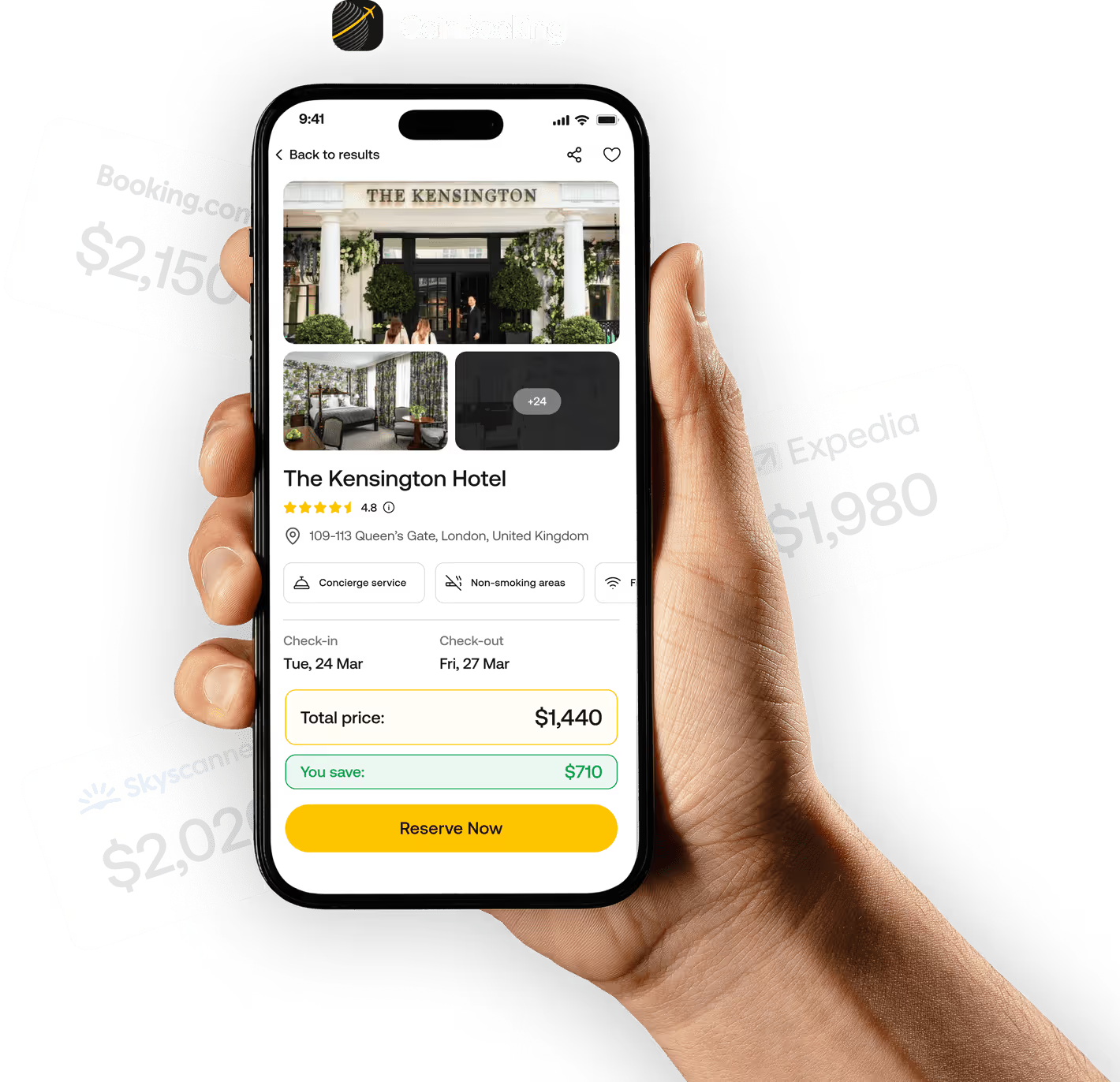
CoinBooking, a Dubai-licensed travel platform, gives Bitcoin a direct application without any conversion required. Whether you are booking a flight back to Guadalajara, reserving a hotel in the US for a family member, or just planning a trip abroad, CoinBooking has rates for hotels and flights that run up to 30% below what Booking.com and Expedia charge.
With over a million hotels and flights across 190+ countries and 100+ cryptocurrencies accepted, it’s easily one of the best ways for Mexican citizens to save money.
Just $870 Cheaper.

%201.png)
your first booking.
New users even get $25 off their first booking.
Planning a trip to Buenos Aries? See how to spend Bitcoin in Argentina.
2. Send and Receive Remittances
The USA–Mexico corridor is the largest bilateral remittance corridor in the world, and crypto has become a meaningful part of how that money actually moves. In 2023, Bitso processed $4.3 billion of Mexico’s record $63.3 billion in remittances, with fees sitting below 1% against a global average of over 6% for traditional services.
The mechanics are straightforward. A Mexican worker in the US purchases BTC or a stablecoin, transfers it to Bitso, and the recipient in Mexico receives pesos directly in their account within minutes - ready to spend by card, CoDi transfer, or OXXO cash withdrawal. For families who depend on that money arriving on time and in full, the difference in cost and speed is not a minor detail.
Sending money to Chicago? Here is how Bitcoin remittances work in the USA.
3. Shop on Amazon Mexico or MercadoLibre
Once your BTC is converted to MXN and sitting in a Mexican bank account or digital wallet, it works anywhere a Mexican debit or credit card does. Amazon Mexico and MercadoLibre are the two most popular e-commerce platforms, covering electronics, appliances, fashion, groceries, and more.
MercadoPago integrates directly with CoDi and most Mexican bank accounts, and is accepted by millions of sellers across the platform. Load your converted MXN onto a MercadoPago wallet or linked card and you have access to one of the largest product catalogs in Latin America.
4. Get Around with DiDi or Uber
Both DiDi and Uber operate across Mexico’s major cities like: Mexico City, Guadalajara, Monterrey, Puebla, and beyond. Both accept Mexican debit and credit cards. Your converted MXN, loaded onto a card from BBVA, Nu, or another Mexican bank, works seamlessly in both apps.
DiDi has become the dominant ride-hailing option in many Mexican markets, often undercutting Uber on price. For daily commuters or frequent travelers, converting a monthly BTC allocation to MXN and setting it as the default payment method makes ride-hailing one of the most practical recurring uses of Bitcoin in Mexico.
5. Order Food via DiDi Food or Rappi
Mexico’s food delivery market is large and growing, with DiDi Food and Rappi as the leading platforms. Both accept standard Mexican card payments, making your converted MXN immediately usable for restaurant deliveries across major urban centres.
Rappi has expanded well beyond food into a super-app model: groceries, pharmacy, alcohol, and even cash withdrawals are available through the platform, all payable via linked Mexican bank accounts. For anyone managing household expenses from a Bitcoin-funded account, Rappi alone covers a meaningful slice of recurring spending.
6. Pay CFE and Household Bills via OXXO
CFE bills, water, internet, and other household charges can all be paid digitally via CoDi transfer from a Mexican bank account funded with your converted MXN.
The more distinctly Mexican option is OXXO. With over 20,000 locations nationwide, it functions as a cash payment network for electricity, water, mobile top-ups, and dozens of other services. Convert BTC to MXN, withdraw cash at an ATM, and every recurring bill becomes payable at the nearest OXXO counter.
7. Top Up Telcel or Movistar Credit
Telcel and Movistar both support prepaid top-ups through their apps, OXXO, and linked bank accounts. Once your BTC is converted to MXN, topping up takes a few taps. For remittance recipients managing mobile plans for multiple family members, this is one of the most routine and frictionless uses of Bitcoin-derived pesos.
8. Book Domestic Travel
VivaAerobus and Volaris cover most domestic routes and all accept Mexican card payments, making converted MXN directly usable for flight bookings. For ground travel, ADO runs luxury long-distance coaches between major cities, with tickets bookable via app or website using a Mexican debit card.
9. Buy Gift Cards via Bitrefill
Bitrefill sells gift cards for Bitcoin directly, no fiat conversion needed. The Mexico catalog covers Amazon Mexico, Uber, Rappi, Telcel, and more. For smaller purchases where a full Bitso conversion feels like overkill, it is a leaner path that keeps Bitcoin as the payment method from start to finish.
10. Pay for Streaming and Digital Subscriptions
Netflix, Spotify, Disney+, and YouTube Premium all accept Mexican debit and credit cards. These are fixed monthly charges, making them among the easiest expenses to automate from a BTC-funded bank account. For households with multiple subscriptions, it is one of the lowest-friction ways to put Bitcoin to practical use without changing any existing payment habits.
Frequently Asked Questions
1. Is it legal to use Bitcoin in Mexico?
Yes. Bitcoin is legal to hold, buy, sell, and convert in Mexico, regulated under the 2018 Fintech Law. It is not legal tender, but private agreements in crypto are permitted. Gains are taxable under SAT guidance, so consult a local tax professional for your specific situation.
2. How does the US–Mexico crypto remittance corridor work?
A sender in the US buys BTC or a stablecoin on a platform like Coinbase, transfers it to Bitso, and the recipient in Mexico receives pesos in their account within minutes. Fees can run below 1%, compared to 6% or more through traditional transfer services.
3. Which exchanges work best for converting BTC to MXN in Mexico?
Bitso is the most straightforward option for Mexican residents. It is locally licensed and connects directly to Mexico's interbank system. Binance P2P is a widely used alternative for peer-to-peer conversions. Both require identity verification, so check current fees and availability before transacting.
4. Can I book hotels and flights with Bitcoin without converting to MXN first?
Yes. CoinBooking accepts Bitcoin directly for hotel and flight bookings worldwide - no exchange, no bank account, no pesos involved. Rates run up to 30% below Booking.com and Expedia for the same properties and dates. You send BTC and receive a confirmed booking, with no conversion step at any point.
5. Do I need to pay taxes on Bitcoin gains in Mexico?
Yes. Mexico's SAT treats crypto profits as income from the sale of movable goods, with individual rates reaching up to 35%. VAT may also apply to certain transactions. Consult a licensed Mexican tax professional for guidance specific to your situation.
6. What is OXXO and why does it matter for Bitcoin spending in Mexico?
OXXO is Mexico's largest convenience store chain, but its financial role goes beyond retail. At any of its 20,000+ locations, you can pay electricity, water, mobile credit, and credit card bills in cash. For Bitcoin holders who convert to MXN and withdraw cash, it is the most accessible bill payment option in the country.


The #1 way to spend BTC and USDT on this list
Save up to 30% on hotels and flights.

Yaryna Dobrianska is a Dubai-based business and technology writer with a background in fintech and digital services. She covers cryptocurrency adoption, cross-border payments, and the practical realities of spending digital assets across emerging markets.
Her work at Polkastarter focuses on making Web3 accessible, breaking down how crypto moves through real-world financial systems, from payments infrastructure to on-chain adoption trends.
Your $25 is waiting. So is up to 30% off every trip you'll ever take.
.avif)
Your $25 is waiting. So is up to 30% off every trip you'll ever take.