.avif)
.png)
.avif)


Content
Top 10 Ways to Spend Bitcoin (BTC) in Argentina After Converting ARS

Few countries have tested the limits of their own currency as thoroughly as Argentina. Over the past decade, ARS has gone through multiple rounds of devaluation, capital controls, and an informal blue dollar rate that made every financial decision more complicated than it needed to be.

Bitcoin took hold here not as speculation but as a practical response to a system that consistently failed to protect savings. According to Chainalysis, Argentina now ranks second in Latin America with $93.9 billion in on-chain transaction volume.
Argentina has more Bitcoin utility than most markets, these ten options break down exactly how to use it.
Turn your Bitcoin into real purchases in any country - here's how.
Why Bitcoin Spending in Argentina Requires Converting to ARS First
Direct merchant acceptance of crypto is still rare in Argentina. MercadoPago, bank transfers, and card payments dominate, which means most local purchases start with a conversion step. How you handle that conversion matters more here than almost anywhere else.
Most experienced Argentine holders do not convert in bulk. They treat ARS as a pass-through: convert only what is needed at the moment of spending, then move back into BTC or USDT immediately after. Holding ARS has a cost. Converting just-in-time does not.
The main platforms are Ripio, Buenbit, Lemon Cash, and Belo. All support withdrawals to local bank accounts. Binance P2P is also widely used. Rates and spreads vary between them, so compare before converting larger amounts.
Is It Legal to Use Bitcoin in Argentina? What You Should Know First
Argentina's position on crypto is one of the clearer ones in Latin America. Buying, selling, holding, and converting Bitcoin is fully legal. Crypto assets are regulated by the CNV and operating on licensed platforms is permitted without restriction. There is no ban on direct crypto payments, though merchant acceptance in practice remains limited.
The more complicated part of Argentina's crypto history has been the cepo cambiario: currency controls that restricted foreign exchange access and complicated conversions for years. President Milei's government has been dismantling those since late 2023. The situation continues to change, so verify current conversion rules before moving significant amounts.

Three to keep in mind:
- Watch the rate. BTC and ARS rates can move fast. If you're converting to cover a specific expense, time it. The difference between converting now and converting in a few hours can be meaningful, particularly in Argentine markets.
- Use licensed platforms. Ripio, Buenbit, Lemon Cash, and Belo are the established names. P2P activity outside formal platforms carries counterparty risk that isn't worth taking on.
- Keep your records. Crypto gains are subject to income tax in Argentina. Document what you bought, when, and at what price. For significant amounts, speak to a local tax professional before you need to rather than after.
After Converting to ARS
10 Ways to Spend Bitcoin in Argentina
1. Book Hotels and Flights with Bitcoin
For Argentine Bitcoin holders, international travel booking has always come with a hidden tax. Not a formal one, but the combined cost of card declines, unfavorable conversion rates, and retail pricing on platforms lose Argentine holders more than they should. The system was never designed with a volatile currency like the peso in mind.
.png)
.png)
CoinBooking sidesteps all of it. It’s a Dubai-licensed travel broker with rates up to 30% below what Booking.com and Expedia charge for the same properties and dates, saving Argentinians thousands of pesos a year.
It accepts Bitcoin, USDT, and 100+ cryptocurrencies directly at checkout, with no ARS conversion and no bank card required. Inventory covers over a million hotels and flights across 190+ countries.
Just $870 Cheaper.

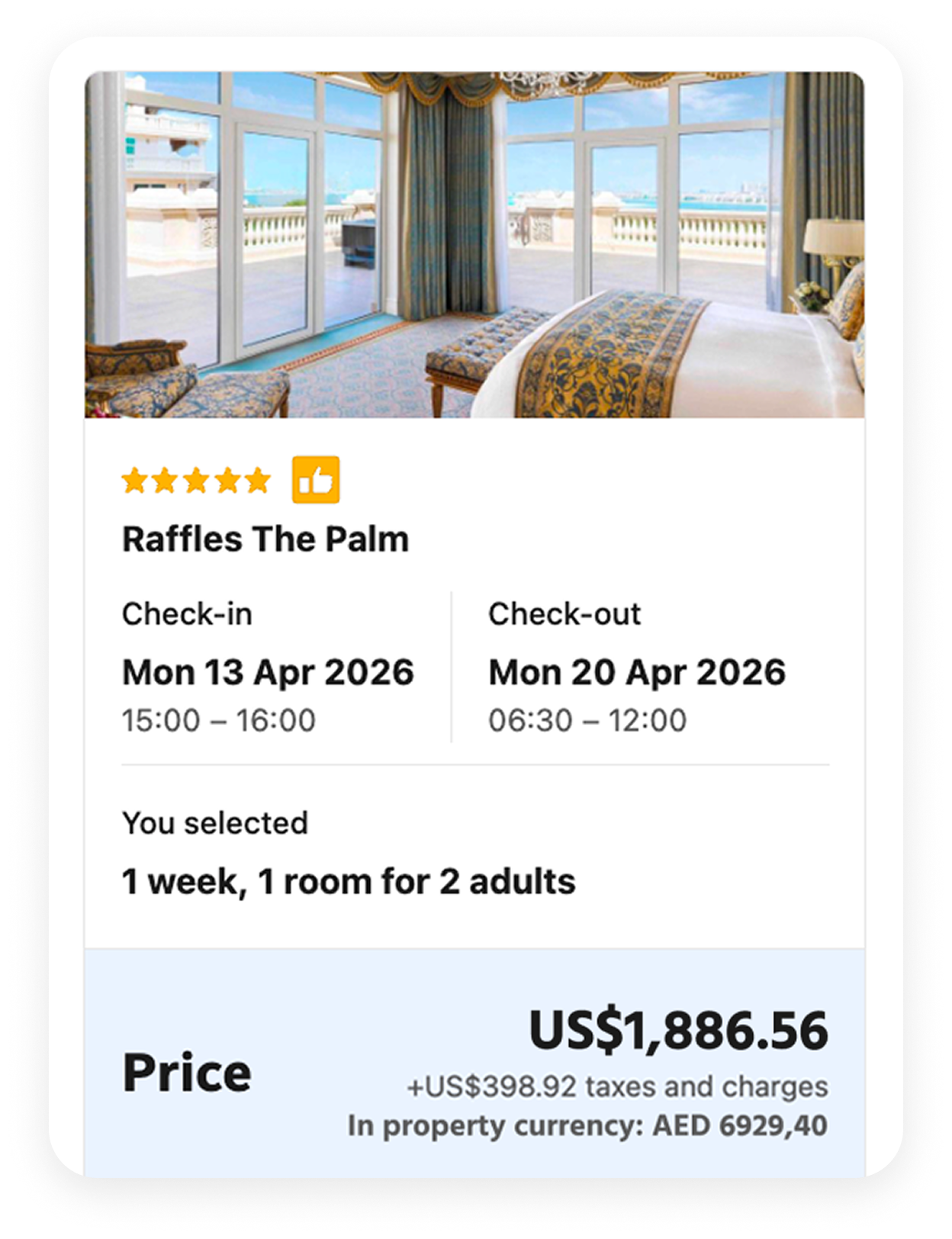
%201.png)
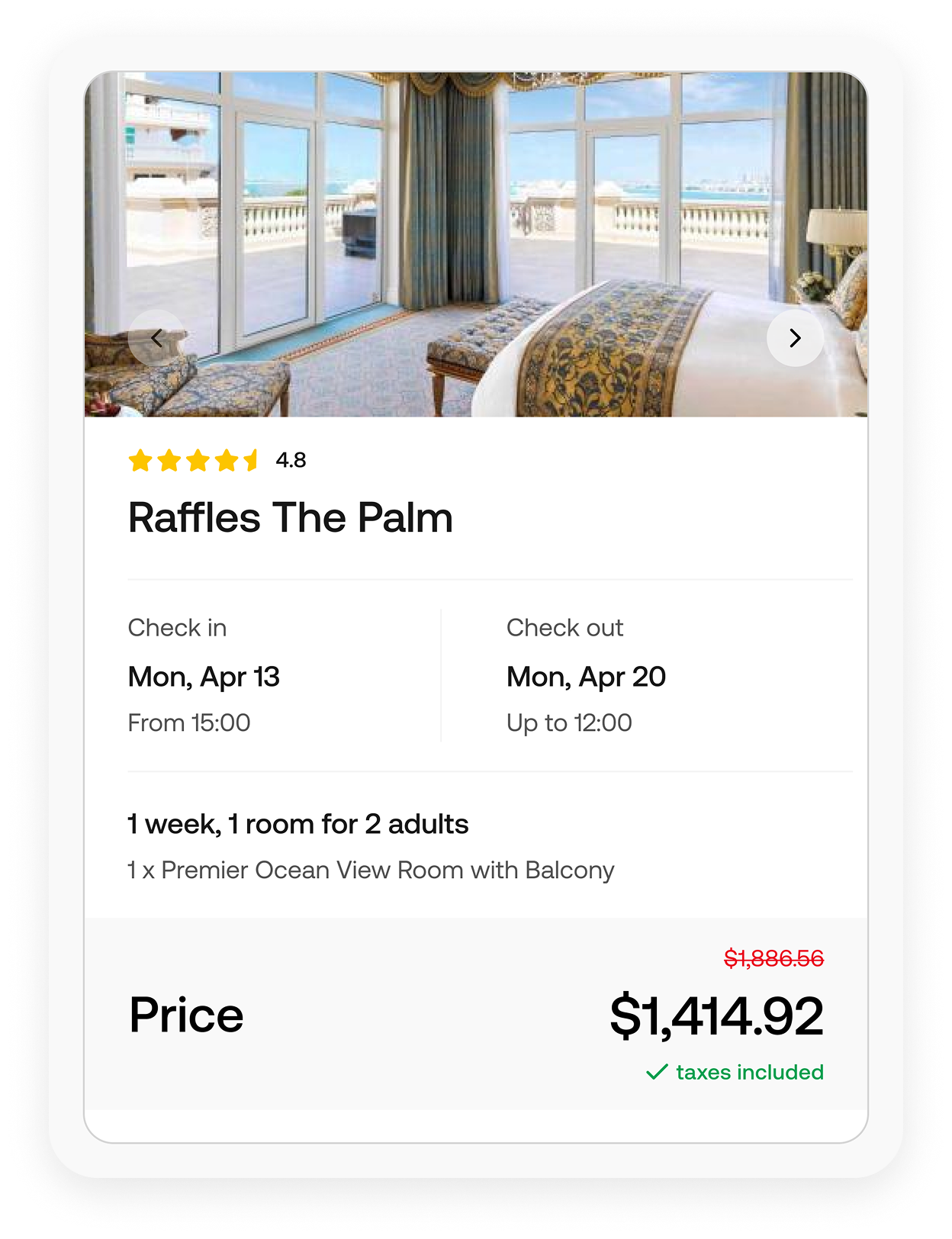
your first booking.
Early users get $25 off their first booking.
Planning a trip to Colombia? See how to spend Bitcoin there
2. Shop on MercadoLibre
MercadoLibre is where most of Argentina's e-commerce happens. Electronics, appliances, clothing, furniture: the catalogue covers nearly everything, and the process for spending BTC there is straightforward.
Convert BTC to ARS via Ripio, Buenbit, or another licensed platform, withdraw to your MercadoPago account, and buy as normal. MercadoPago is integrated directly into MercadoLibre's checkout, so once funds are there the experience is identical to any standard purchase.
One practical note: if prices are moving and the purchase can wait a few hours, use USDT as your conversion base rather than BTC. The ARS amount you end up with stays far more predictable.
3. Spend Anywhere via Lemon Cash or Belo Card
This one is specific to Argentina. Lemon Cash and Belo are Argentine crypto fintech apps that issue Mastercard debit cards. You hold BTC or USDT in the app and the card converts to ARS automatically at the point of sale. Any merchant that accepts Mastercard in Argentina accepts these cards: supermarkets, restaurants, petrol stations, online checkouts, all of it, without you ever manually touching ARS.
Lemon Cash has been one of the fastest-growing fintech apps in Argentina. Belo operates on a similar model. For anyone who wants to spend BTC locally without managing exchange rates on every purchase, this is the most practical option currently available.
4. Order Food via Rappi or PedidosYa
Rappi and PedidosYa are the dominant food delivery platforms across Buenos Aires and Argentina's major cities. Both accept MercadoPago at checkout, so the flow is the same as MercadoLibre: convert BTC to ARS, load your MercadoPago balance, and order as normal.
For regular delivery users, loading a weekly MercadoPago balance through Lemon Cash and using the card directly tends to be cleaner than managing exchange withdrawals every few days. One conversion, multiple orders, no friction.
5. Pay Utility Bills
In Buenos Aires the main providers are Edenor and Edesur for electricity, AySA for water, and MetroGAS for gas. All of them can be paid through MercadoPago, direct bank transfer, or through cash payment networks like Pago Fácil and Rapipago for those without full banking access.
The process follows the same steps as everything else requiring ARS. Convert on a licensed platform, withdraw to your bank account or MercadoPago balance, and pay through whichever channel your provider supports.
One thing to plan for: exchange withdrawals to bank accounts can take a business day depending on the platform and amount. Start the conversion before the due date, not on it.
6. Top Up Mobile Credit
Argentina's three main carriers are Claro, Personal, and Movistar. Top-ups are easy enough via MercadoPago or each carrier's own app after converting to ARS, but there is a faster route that skips the conversion entirely.
Bitrefill lets you buy mobile credit directly with BTC. Select your carrier, enter the number, pay from your wallet, and the credit arrives in minutes. No ARS, no bank account, no exchange involved. For small recurring top-ups this is usually more efficient than running through an exchange each time. For larger amounts where the spread matters, converting via Lemon Cash or Buenbit first may work out better.
7. Send Money Abroad
Argentina has a significant diaspora, primarily in Spain, Italy, and the United States. For years the cepo cambiario made international bank transfers extremely difficult, and crypto became one of the main practical alternatives. Many Argentine families have been using it for remittances long before it became a wider talking point.
The standard approach: convert local funds to USDT, send to the recipient's wallet abroad, and they convert to local currency on arrival. It is faster than a bank wire and cheaper than most traditional transfer services, particularly on the corridors to Spain and Italy where fees tend to add up fast.
Use USDT rather than BTC for time-sensitive transfers. BTC can move during the window between sending and receiving. USDT does not, so what you send and what arrives stay consistent.
Sending money to the United States? See how Bitcoin remittances work there
8. Shop for Groceries at Carrefour or Jumbo
Carrefour and Jumbo both accept MercadoPago in-store and through their apps. The process follows the same steps as everything else requiring ARS: convert, load your MercadoPago balance, pay at checkout.
Carrefour's app runs promotional discounts for MercadoPago payments on a regular basis, so check before a larger grocery run. The Lemon Cash or Belo card also works here if you would rather skip the manual conversion step entirely during a weekly shop.
9. Pay for Freelance Tools and Online Courses
Platforms like Udemy, Coursera, and Skillshare do not always cooperate with Argentine payment methods, but paying with Bitcoin is increasingly an option directly. For those that do not accept crypto natively, Bitrefill gift cards cover the major ones. Check the crypto or gift card option before defaulting to a bank transfer that may not go through.
For Argentine freelancers receiving international payments, USDT is a strong settlement currency. It protects against ARS depreciation between invoice and spending, a gap that has been very costly at various points over the past few years.
10. Buy Gift Cards via Bitrefill
Bitrefill lets you buy gift cards for hundreds of major brands directly with BTC or USDT. Amazon, Google Play, PlayStation Network, Netflix, Spotify, Steam: the catalogue is extensive and codes arrive instantly.
This matters most for gaming and subscriptions, where Argentine payment methods hit international restrictions most consistently. Buying Google Play credit or a PlayStation card with BTC through Bitrefill is faster and simpler than any workaround: no conversion, no declined transactions, no waiting.
Frequently Asked Questions
1. What is the best way to spend Bitcoin in Argentina?
Travel. CoinBooking gives you direct access to hotel and flight rates up to 30% below Booking.com or Expedia, paid in BTC or USDT with no ARS conversion. For everyday local spending, the Lemon Cash or Belo card converts automatically at the point of sale.
2. Is Bitcoin legal in Argentina?
Yes. Buying, selling, holding, and converting Bitcoin is fully legal. Crypto assets are regulated by the CNV, and operating on licensed platforms is permitted without restriction.
3. How do I convert Bitcoin to ARS in Argentina?
Ripio, Buenbit, Lemon Cash, and Belo are the main licensed platforms. Most experienced Argentine holders convert only what they need at the moment of spending and move back into BTC or USDT immediately after, since holding ARS carries a real depreciation cost.
4. What are the Lemon Cash and Belo cards?
Both are Argentine crypto fintech apps that issue Mastercard debit cards. You hold BTC or USDT in the app and the card converts to ARS automatically at the point of sale, meaning any Mastercard merchant in Argentina works without a manual conversion step.
5. How do I send money abroad from Argentina with Bitcoin?
Convert to USDT, send to the recipient's wallet abroad, and they convert to local currency on arrival. It is faster than a bank wire and cheaper than most traditional transfer services, particularly on corridors to Spain and Italy.
6. Do I need to pay tax on Bitcoin in Argentina?
Yes. Crypto gains are subject to income tax in Argentina. Document what you bought, when, and at what price, and speak to a local tax professional before you need to rather than after.


The #1 way to spend BTC and USDT on this list
Save up to 30% on hotels and flights.

Yaryna Dobrianska is a Dubai-based business and technology writer with a background in fintech and digital services. She covers cryptocurrency adoption, cross-border payments, and the practical realities of spending digital assets across emerging markets.
Her work at Polkastarter focuses on making Web3 accessible, breaking down how crypto moves through real-world financial systems, from payments infrastructure to on-chain adoption trends.
Your $25 is waiting. So is up to 30% off every trip you'll ever take.
.avif)

Your $25 is waiting. So is up to 30% off every trip you'll ever take.