.avif)
.png)
.avif)


Content
Top 12 Ways to Spend Bitcoin (BTC) and USDT in Russia

When Russia's invasion of Ukraine began in February 2022, the ruble fell from 80 to 120 against the dollar within two weeks. Visa and Mastercard suspended operations, and Russia was cut off from SWIFT. Western crypto exchanges began restricting Russian users. What followed was not a retreat from crypto - it was the opposite.

Between July 2024 and June 2025, Russia received $379 billion in crypto inflows, a 48% year-on-year increase that placed it ahead of the United Kingdom as Europe's largest crypto market by transaction volume. Large institutional transfers of over $10 million grew 86% in the same period, double Europe's average. Russia placed 10th in the 2025 Chainalysis Global Crypto Adoption Index, the highest position of any Eastern European country.
Russia's Deputy Finance Minister publicly stated that an estimated 20 million Russians use crypto. The ruble lost more than half its value against the dollar by end-2024, inflation hit 9.6% in December of that year, and USDT became the dollar-equivalent store of value that millions of Russians use to protect savings from currency erosion.
Holding crypto somewhere else? See how it works in your country.
Can You Spend Bitcoin and USDT Directly in Russia?
Federal Law No. 259-FZ explicitly prohibits using crypto as a payment instrument for goods or services within Russia. No major Russian retailer, restaurant, or service provider formally accepts BTC or USDT at checkout. This is a domestic legal restriction, not a technical gap. Enforcement is active, and advertising crypto as a means of payment is separately banned.
Spending crypto in Russia is divided into two tracks. For international transactions like: travel, digital services, cross-border payments - crypto works well and bypasses the ruble entirely. For everything domestic, conversion to RUB through P2P is the standard route.
For everything domestic, conversion to RUB through P2P is the primary route. Bybit, BingX, OKX, Bitget, and MEXC are the five exchanges most accessible to Russian users as of 2025. All support ruble transactions via SBP (Sistema Bystrykh Platezhey), MIR cards, and select Russian bank transfers. BestChange.ru is the standard rate aggregator. Do not use Garantex or its successor Grinex, as Garantex was first sanctioned in April 2022, its domains were seized in March 2025, and Grinex was sanctioned by OFAC in August 2025.
Is It Legal to Use Bitcoin and USDT in Russia? What the DFA Law and Sanctions Mean
Federal Law No. 259-FZ, in force since January 2021, legally recognizes crypto as property. Holding, trading, and receiving crypto are legal. Using it domestically as a payment instrument is prohibited. Mining became legal for registered entities in November 2024, when amendments to 259-FZ created a mandatory FNS registration requirement.
The war accelerated regulatory evolution. In summer 2024, Russian lawmakers legalized the use of crypto for international trade payments. President Putin signed the mining law the same month and stated publicly that no one can prohibit the use of Bitcoin. Russia's crypto framework is restrictive for retail domestic use but deliberately permissive for cross-border trade.
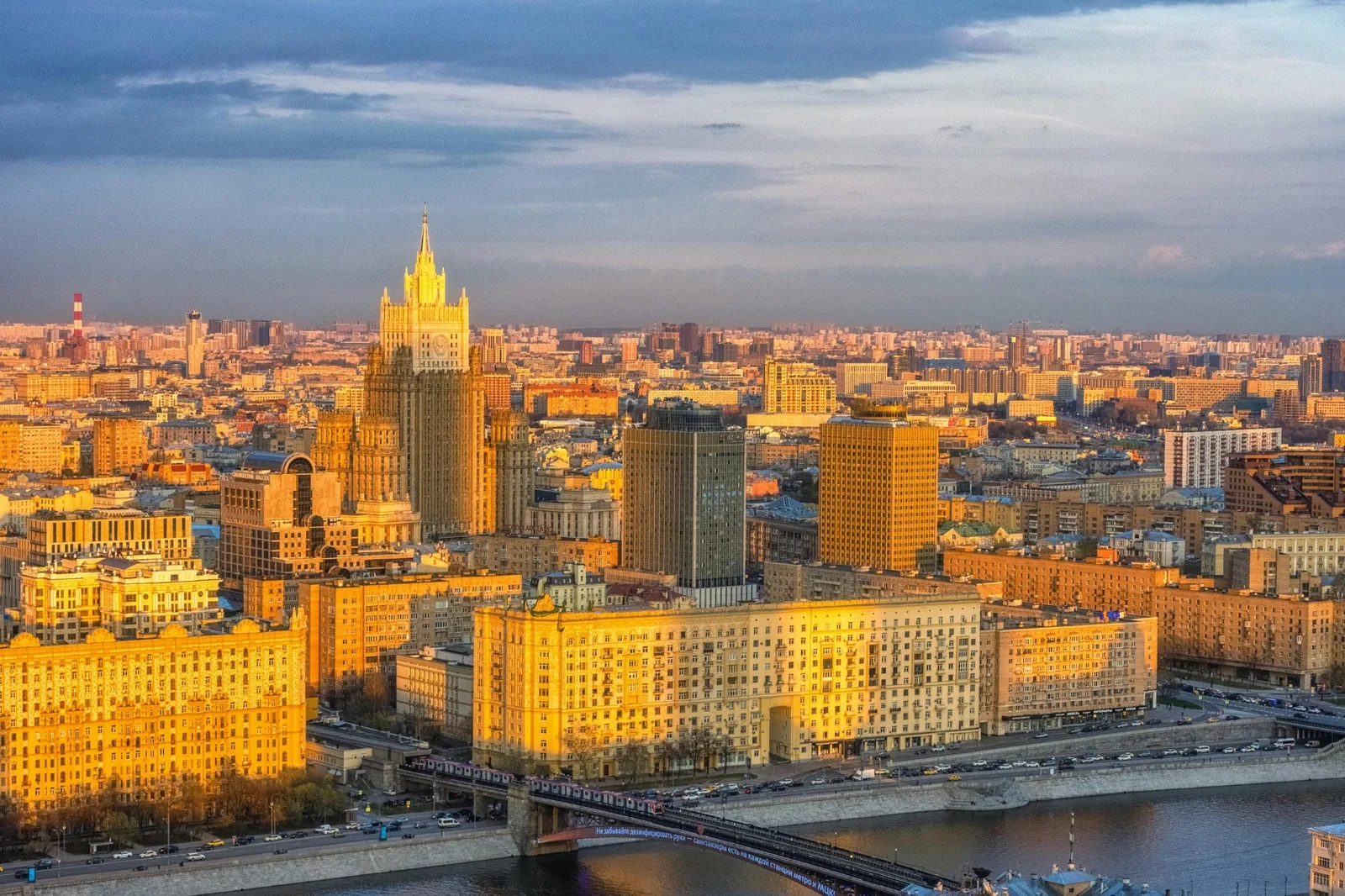
Sanctions create a parallel layer of constraint. OFAC, EU, and UK sanctions restrict or prohibit most Western crypto platforms from serving Russian users. Binance, Coinbase, Kraken, and the majority of regulated Western exchanges have restricted or exited Russian user access since 2022. Bybit, OKX, BingX, Bitget, and MEXC remain accessible from non-Western jurisdictions. Verify current platform status before depositing funds - availability has shifted multiple times since 2022.
in Russia
12 Ways to Spend Bitcoin (BTC) and USDT in Russia
1. Book Hotels and Flights with Bitcoin or USDT
For any Russian crypto holder planning international travel, booking in crypto removes the need to navigate a banking system disconnected from SWIFT and convert across a ruble that has lost more than half its dollar value since 2022.


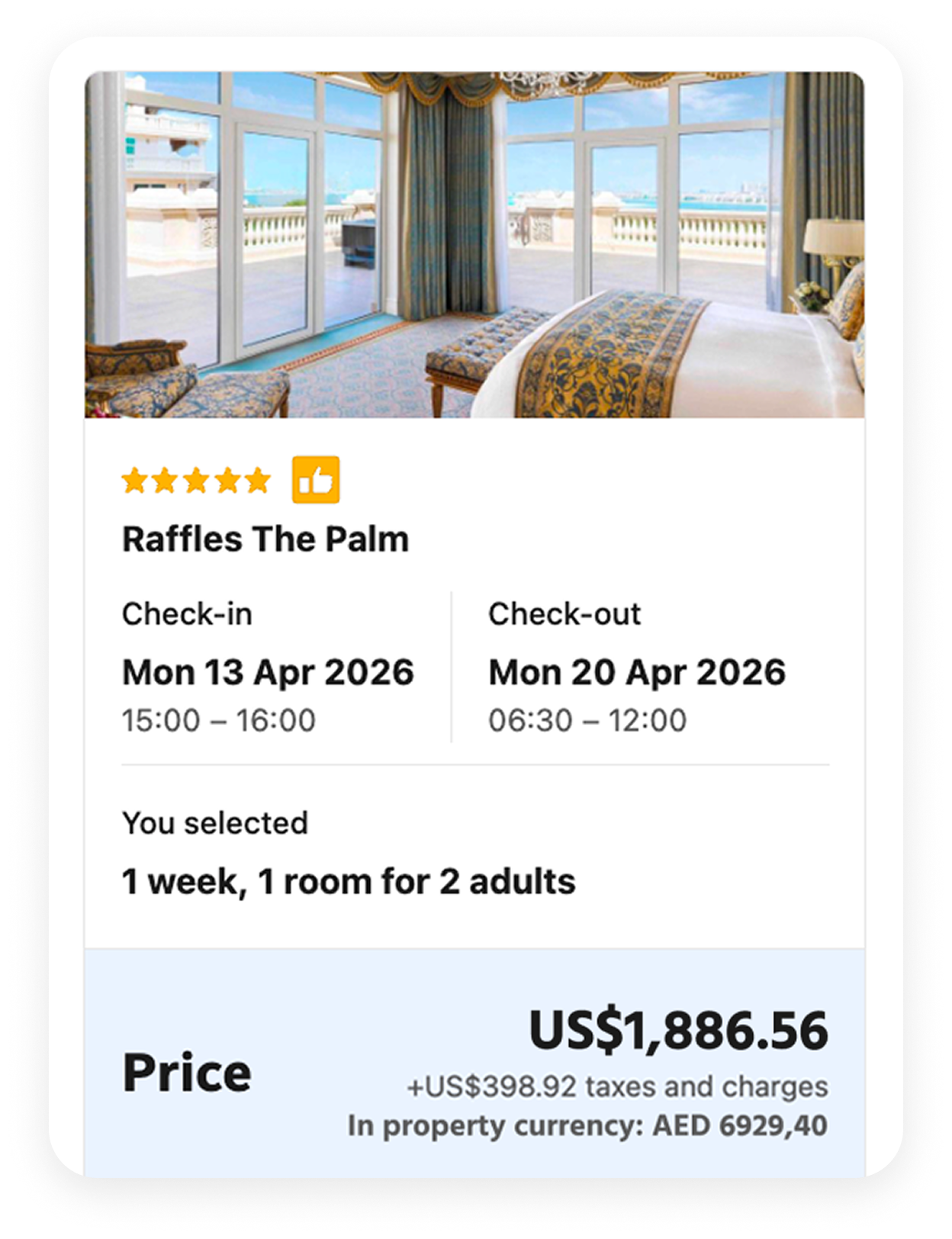
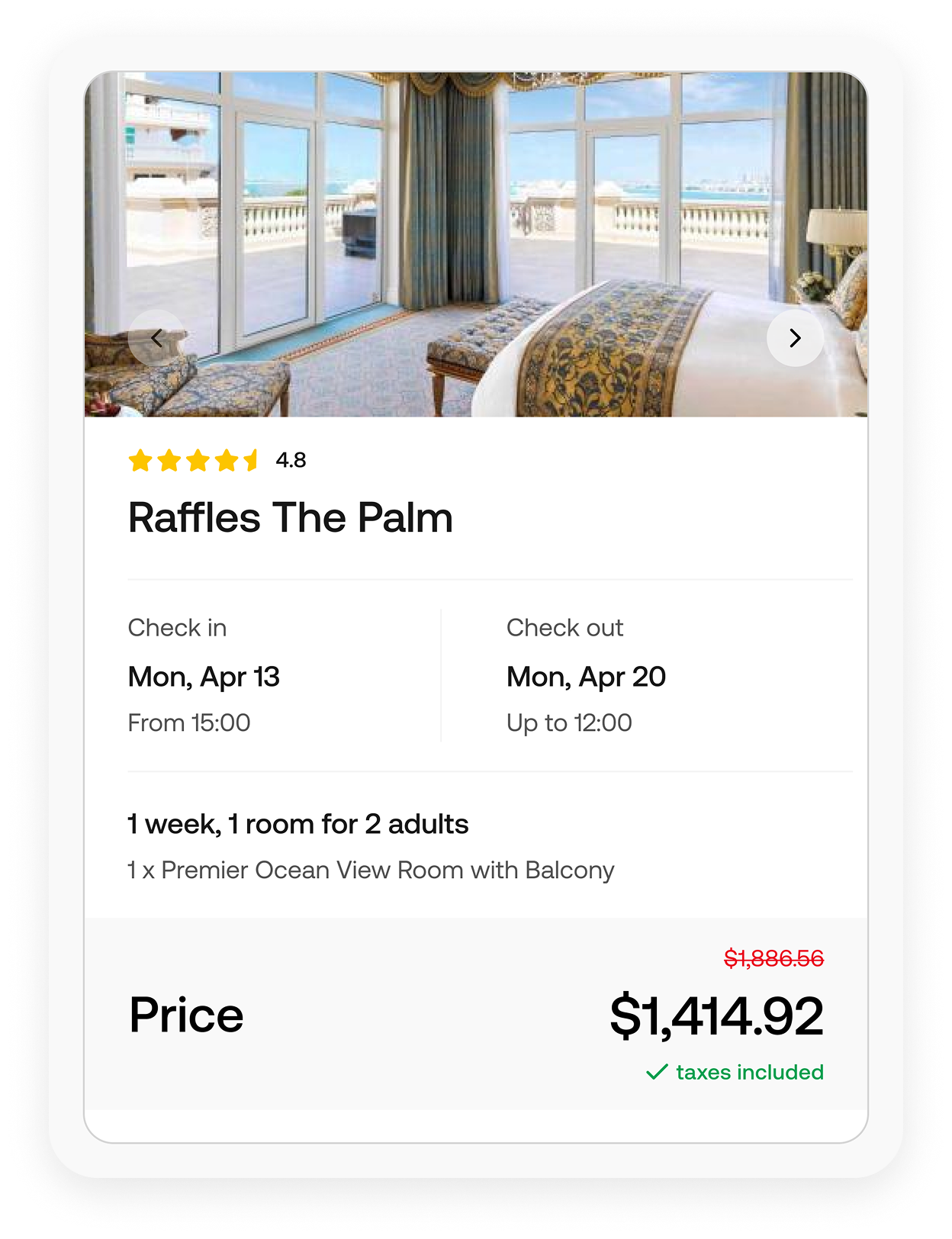
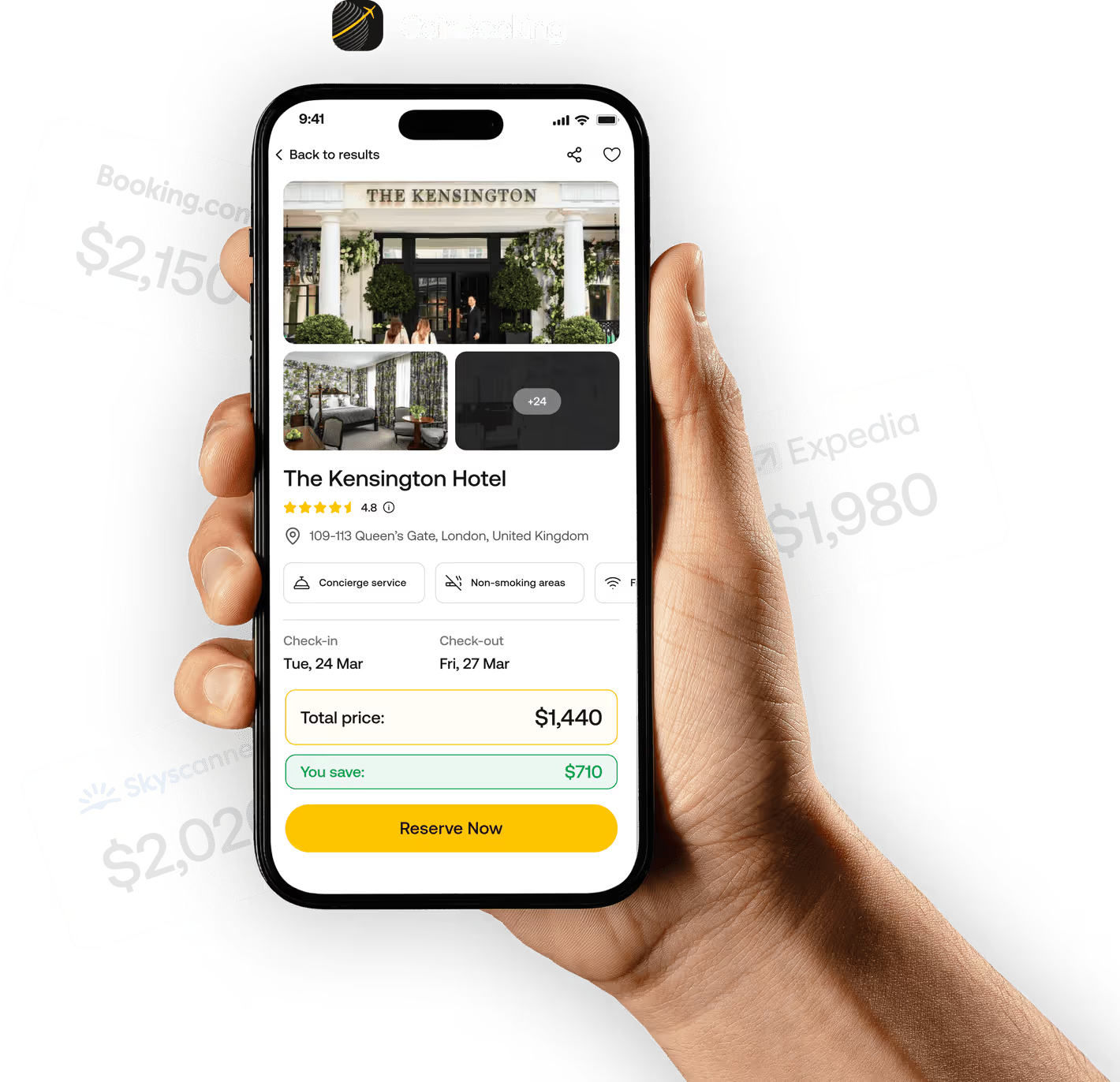
CoinBooking is a Dubai-licensed travel platform that lists the same hotels and flights as Booking.com and Expedia at up to 30% less, with Bitcoin, USDT, or 100+ other cryptocurrencies accepted directly at checkout.
For Russians, you’re killing two birds with one stone: You’re paying less for the same hotel, and you're doing it without a ruble, a Russian card, or a SWIFT workaround anywhere in the flow.
With over a million properties across 190+ countries, most trips are covered. Early users receive $25 off their first booking.
Just $870 Cheaper.

%201.png)
your first booking.
Planning a trip to Dubai? See how crypto works there.
2. Use a Crypto Debit Card for Spending
Visa and Mastercard suspended Russian domestic operations in March 2022. International crypto debit cards on these networks do not function at Russian domestic payment terminals. This is a hard constraint for in-country spending.
What still works: international online purchases and spending at Visa and Mastercard terminals outside Russia. For Russians traveling abroad, a crypto Visa card loaded from USDT functions normally at terminals in Turkey, UAE, Armenia, Georgia, and Kazakhstan. It also works for international online purchases where merchants have not geo-blocked Russian users.
Verify current card availability and any regional restrictions with the specific provider before applying.
3. Buy Gift Cards and Top-ups via Bitrefill
Bitrefill converts BTC or USDT into purchasing power for international platforms without a bank account or ruble conversion. Google Play, Steam, PlayStation Network, Netflix, Xbox Game Pass, Spotify, and Razer Gold are all stocked. For Russian gamers and digital consumers whose international card access is restricted, Bitrefill eliminates the friction: pay in USDT, receive the code instantly, redeem on the platform.
Mobile top-ups for MTS, MegaFon, Tele2 and Beeline are available via Bitrefill for Russian numbers. Verify current availability before relying on this route for mobile credit.
4. Convert to RUB via P2P
P2P is the backbone of Russia's crypto spending ecosystem. When every domestic purchase requires rubles but Western banking infrastructure has been cut off, a functioning P2P market is the primary financial rail for millions of people.
Bybit P2P and BingX P2P are the two most accessible platforms for Russian users in 2025. Bybit became Russia's top traffic source in February 2025. Both support SBP transfers, MIR cards, and ruble settlement with Raiffeisenbank, OZON Bank, and others not under sanctions. OKX P2P removed Sberbank and Alfa-Bank from supported payment methods, but SBP transfers remain available.
5. Shop on Ozon or Wildberries
Ozon and Wildberries are Russia's two dominant e-commerce platforms, covering electronics, household goods, clothing, and groceries. Neither accepts crypto directly. Both accept SBP, MIR card, and major Russian bank cards.
Convert BTC or USDT to RUB via P2P on Bybit or BingX, receive to a Raiffeisenbank, OZON Bank, or SBP-connected account, and pay at checkout by card or SBP. OZON Bank integrates directly with the platform and supports instant SBP top-ups. The full process from USDT to completed Ozon purchase takes under 20 minutes in normal conditions.
6. Pay Bills via Tinkoff or SBP
T-Bank is Russia's largest private bank by active customers and the most widely used neobank for everyday bill payment. SBP is Russia's instant payment infrastructure, accepted at virtually every bill payment point, utilities provider, and service platform in the country.
Once RUB is converted via P2P and received to a T-Bank or SBP-linked account, the full scope of Russian bill payment opens: utilities, insurance, telecom, subscriptions, government services, and more. SBP also supports QR-code payments at physical retail locations.
7. Top Up Mobile Credit (MTS, MegaFon, Beeline, Tele2)
Russia's four major mobile carriers are: MTS, MegaFon, Beeline, and Tele2 - all support direct top-up via SBP and Russian bank cards. Once RUB is available after P2P conversion, top-up through the carrier's app takes under a minute.
For prepaid users or those who prefer to skip the bank account step: Bitrefill stocks top-up codes for all four carriers in BTC or USDT with instant delivery. Verify current availability before use.
8. Order via Yandex Market or Yandex Services
Yandex is Russia's domestic technology super-platform: search, e-commerce (Yandex Market), food delivery (Yandex Eats), ride-hailing (Yandex Taxi), and financial services (YooMoney wallet). Converting USDT to RUB and loading YooMoney connects to the full Yandex service stack.
YooMoney accepts top-ups from SBP and most Russian bank cards. A USDT-to-P2P-to-SBP-to-YooMoney chain of under 20 minutes gives access to Yandex Market's catalogue, Yandex Taxi rides, and Yandex Eats delivery across Moscow, Saint Petersburg, and major Russian cities.
9. Send Cross-Border Payments
Cross-border payments are Russia's highest-value USDT use case. With most Russian banks cut off from SWIFT and international card transactions severely restricted, USDT has become the primary settlement layer for legitimate cross-border business: paying international software suppliers, settling trade invoices, receiving freelance income, and transferring money to Russians living abroad.
USDT on the TON blockchain is the preferred rail for many Russian users. TON surpassed 100 million wallets by end-2024 and is natively integrated into Telegram, which has deep penetration in Russia and the CIS region. Sending USDT via TON is fast, fees are near-zero, and the recipient requires nothing more than a Telegram wallet.
Sending USDT to friends in Turkey? Here's what they can do with it once it arrives.
10. Pay for Freelancers and Remote Work
Russia has a large and active remote work community in technology, design, and content. Since 2022, international wire transfers to Russian bank accounts have been blocked or severely restricted. USDT has filled this gap for thousands of Russian freelancers receiving payments from international clients.
For Russian freelancers: provide a wallet address to the international client, receive USDT, and convert to RUB via P2P. TON wallets are widely used for this given their Telegram integration and near-zero fees. For clients paying Russian contractors: USDT transfer is faster, cheaper, and more reliable than any traditional international wire route currently available.
11. Pay for Online Courses and Digital Tools
Access to international software and learning platforms has become a practical challenge for Russian users since 2022. Many international platforms have geo-blocked Russian users or stopped accepting Russian bank cards. USDT and gift cards have become the default workaround for this category.
For platforms that accept USDT directly: payment from a wallet is straightforward. For platforms that require a card or PayPal: Bitrefill stocks gift cards for major learning platforms and software tools. For platforms that accept international Visa: a crypto debit card handles the transaction. The combination of these three routes covers the majority of international digital services available to Russian users before 2022.
12. Gaming, Streaming and Digital Subscriptions
Access to Steam, PlayStation Network, Xbox Game Pass, Netflix, Spotify, and YouTube Premium has been complicated for Russian users since 2022 by payment method restrictions and in some cases geo-blocks. The standard Russian bank card no longer works at these checkouts.
Bitrefill is the most practical solution for this category in Russia. Steam Wallet codes, PSN credit, Google Play, Netflix, Xbox, and Spotify gift cards are all available in BTC or USDT with instant code delivery. Pay in USDT, receive the code, and redeem. For recurring subscriptions, purchase a new gift card each cycle.
Frequently Asked Questions
1. Is Bitcoin legal in Russia?
Holding, trading, and receiving Bitcoin in Russia is fully legal under Federal Law No. 259-FZ, in force since January 2021. Bitcoin is classified as property. Using it for domestic goods or services is prohibited. Mining has been legal for registered entities since November 2024. A separate law passed in summer 2024 legalized crypto for international trade settlements. President Putin signed both laws and stated publicly that no one can prohibit the use of Bitcoin.
2. Can I book a hotel abroad from Russia using crypto?
Yes. CoinBooking lists the same hotels at up to 30% less than Booking.com or Expedia and accepts Bitcoin, USDT, and 100+ other cryptocurrencies for hotel and flight bookings across 190+ countries. For Russians holding USDT as a dollar hedge, this is the most direct route to confirmed international travel with no bank account and no conversion required. Early users receive $25 off their first booking.
3. Can I use a crypto debit card in Russia?
Visa and Mastercard suspended domestic Russian operations in March 2022. International crypto debit cards do not work at Russian domestic terminals but function normally for international online purchases and at terminals abroad: Turkey, UAE, Armenia, Georgia, and Kazakhstan are the most common destinations for Russian travellers where these cards work.
4. Do I pay tax on Bitcoin in Russia?
Yes. From January 2025, Federal Law No. 418-FZ recognizes crypto as property and requires tax reporting on gains. The personal income tax rate is 13% on annual income up to 2.4 million rubles and 15% above that. Corporate mining is taxed at 25%. Quarterly reporting to the Federal Tax Service is mandatory for mining operators. Consult a Russian-licensed tax advisor for your situation.
5. Can I use USDT to send money abroad from Russia?
Yes. The summer 2024 law legalizing crypto for international trade settlements provides a legal basis for cross-border USDT transfers. USDT wallet-to-wallet transfers are widely used for freelance income, supplier payments, and transfers to family abroad. USDT on the TON blockchain is particularly practical given Telegram's deep penetration in Russia, near-zero fees, and fast settlement.
6. What happened to crypto platforms in Russia after 2022?
OFAC, EU, and UK sanctions following the February 2022 invasion pushed most Western exchanges to restrict or exit the Russian market. Binance removed sanctioned Russian banks from P2P. Coinbase, Kraken, and Gemini restricted Russian accounts. Garantex was OFAC-sanctioned in April 2022, its domains were seized in March 2025, and its successor Grinex was sanctioned in August 2025. Bybit, OKX, BingX, Bitget, and MEXC have maintained access from non-Western jurisdictions.


Spending crypto is the easy part. 30% off is the good part.
Get up to 30% off all future hotels and flights.

Yaryna Dobrianska is a Dubai-based business and technology writer with a background in fintech and digital services. She covers cryptocurrency adoption, cross-border payments, and the practical realities of spending digital assets across emerging markets.
Her work at Polkastarter focuses on making Web3 accessible, breaking down how crypto moves through real-world financial systems, from payments infrastructure to on-chain adoption trends.
Your $25 is waiting. So is up to 30% off every trip you'll ever take.
.avif)
Your $25 is waiting. So is up to 30% off every trip you'll ever take.