.avif)
.png)
.avif)


Content
Top 10 Ways to Spend Bitcoin (BTC) in Egypt After Converting EGP

Egypt has one of the most active crypto communities in the Arab world, and it didn't get there through speculation, as it was a necessity. The Egyptian pound lost more than 50% of its value between 2022 and 2024, going through multiple devaluations before the central bank finally floated the currency in March 2024. For Egyptians watching their savings erode in real time, Bitcoin offered something the banking system couldn't: a store of value outside the reach of successive devaluations.

The MENA region received an estimated $338.7 billion in crypto transactions between mid-2023 and mid-2024, with Egypt among the most active markets in the region. Egypt also ranks among the world's largest remittance-receiving countries, pulling in $22.7 billion in inflows in 2024 alone, as a corridor where crypto has become an increasingly practical alternative to traditional transfer services.
If you're already holding BTC in Egypt, the next question is what to do with it.
Learn how to spend Bitcoin in your country with our full guide.
Why Bitcoin Spending in Egypt Requires Converting to EGP First
Direct Bitcoin payments are not an option in Egypt. No significant retail network, service provider, or bill payment system settles in BTC, and the local economy operates entirely through the pound.
The infrastructure that sits on top of that is genuinely capable. Fawry, Vodafone Cash, Orange Cash, and Instapay connect bank accounts and mobile wallets to a broad ecosystem of utilities, merchants, and government services. Once your BTC is converted and sitting in that system, it reaches almost every category of everyday spending without friction.
The dominant conversion path for most Egyptian Bitcoin holders is Binance P2P, where BTC can be sold directly for EGP, with funds settling to a bank account at institutions like the National Bank of Egypt, Banque Misr, CIB, or QNB, or directly to a Vodafone Cash wallet.
Is It Legal to Use Bitcoin in Egypt? What You Should Know First
Genuinely nuanced, and anyone telling you it's either fully legal or outright banned is oversimplifying.
The regulatory picture is evolving but remains restrictive. Under Article 206 of Law No. 194 of 2020, the issuance, trading, or promotion of cryptocurrencies without a Central Bank of Egypt license is prohibited. No such licenses have been issued. The Financial Regulatory Authority has been mentioned as a body that may eventually take on oversight of crypto operations, but as of 2025 it has not been formally granted that role.
A 2018 fatwa from Egypt's Dar al-Ifta described Bitcoin trading as impermissible under Islamic law. It has been widely cited, but as a religious opinion it is explicitly non-binding and carries no enforcement mechanism under Egyptian civil or criminal law. In practice, large numbers of Egyptians trade and convert Bitcoin through Binance P2P every day.
Three things to know before you convert:
- Binance P2P is the most reliable route right now. Active Telegram-based P2P communities are an alternative. Verify platform availability before transacting as this landscape shifts.
- Keep records of every transaction. Purchase price, conversion date, EGP value at the time of sale. The regulatory framework is developing, and detailed records protect you when it catches up.
- For significant amounts, take local legal or financial advice beforehand. The grey area is real. Know where you stand before moving large sums.
After Converting to EGP
10 Ways to Spend Bitcoin in Egypt After Converting EGP
1. Book Hotels and Flights with Bitcoin
Egypt's tourism economy runs in both directions. Millions come to see the pyramids, and millions of Egyptians travel abroad every year for work, family, and holidays. Every one of those outbound trips runs into the same wall: foreign hotel sites, international payment systems, and a card that may or may not go through.
.png)
.png)
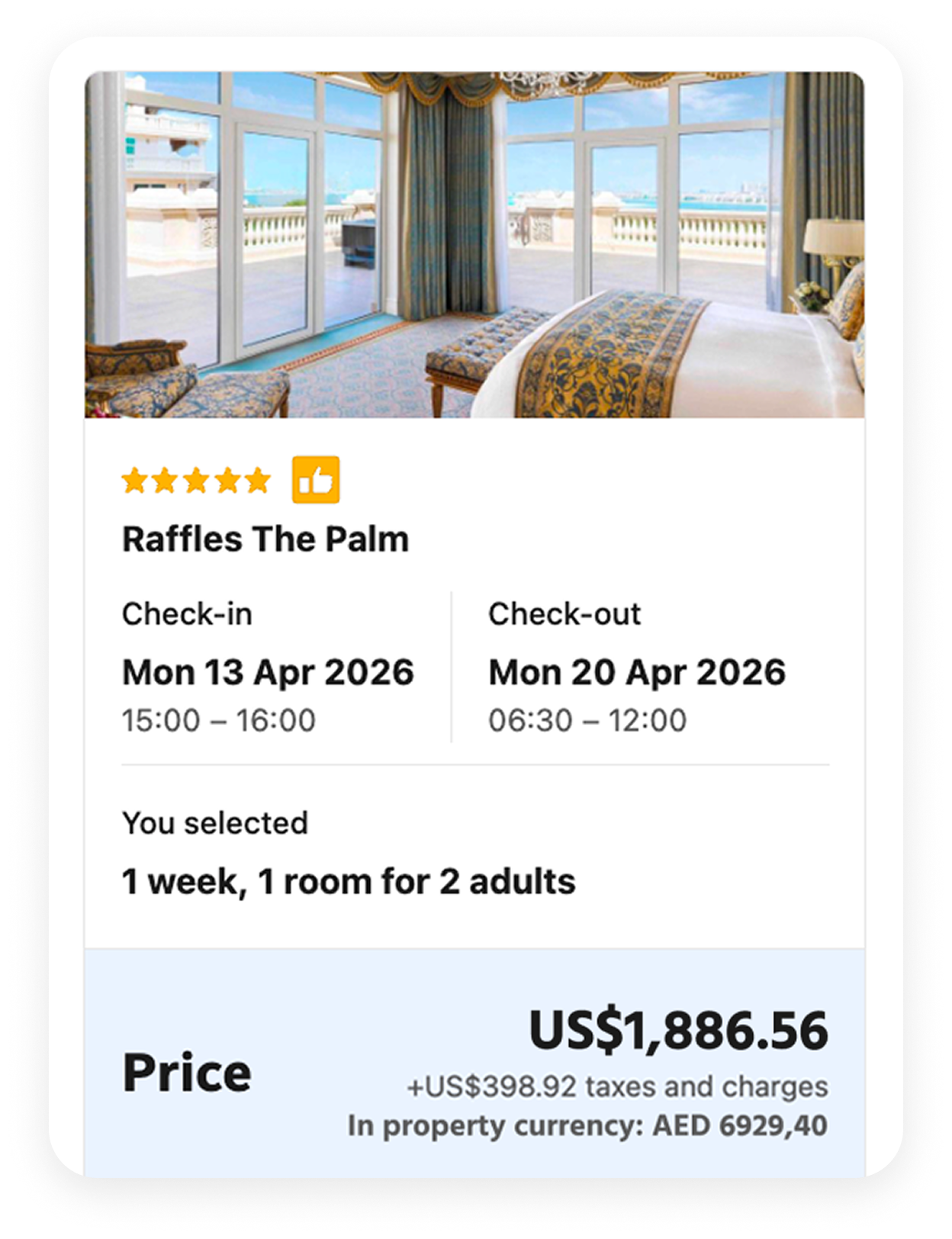
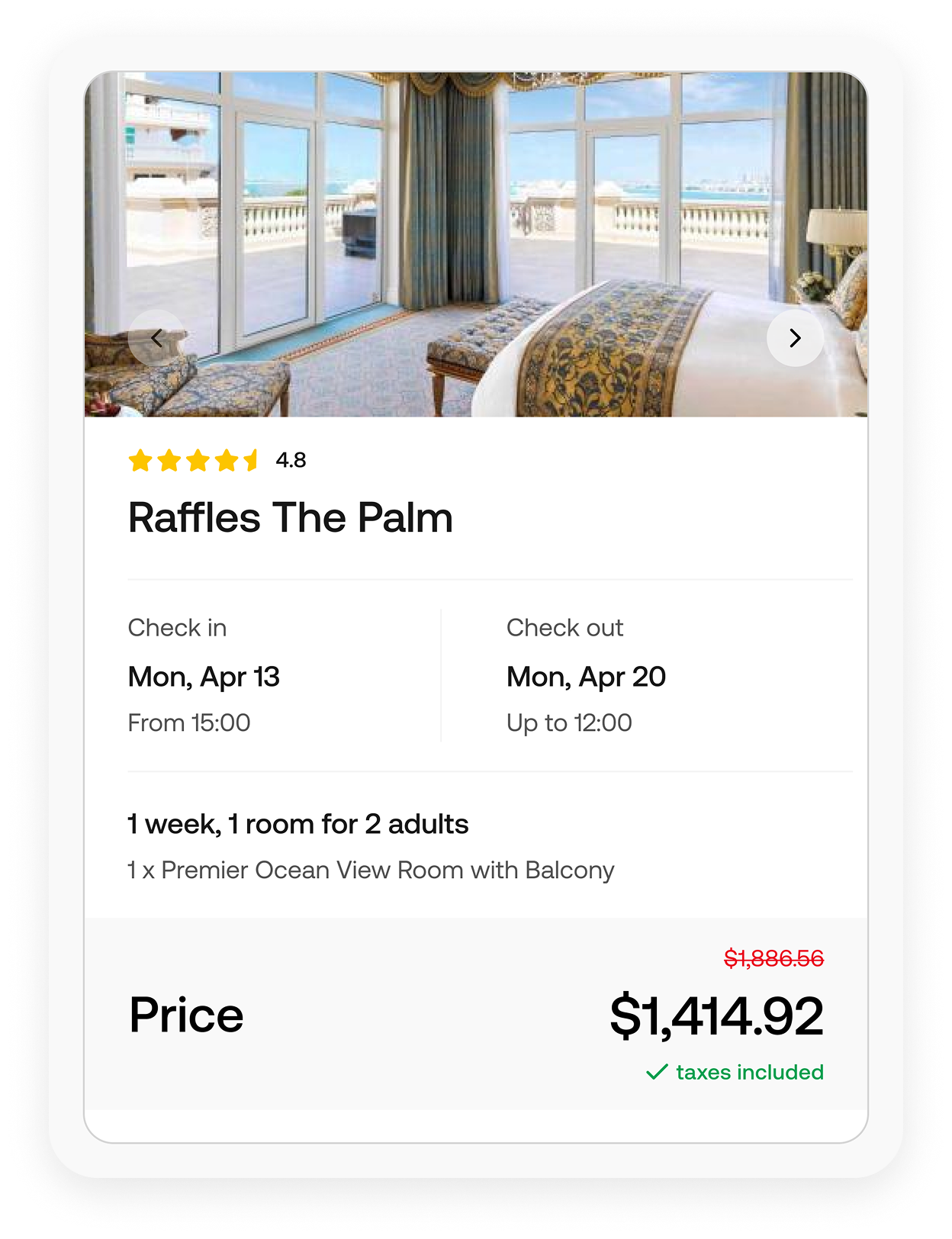
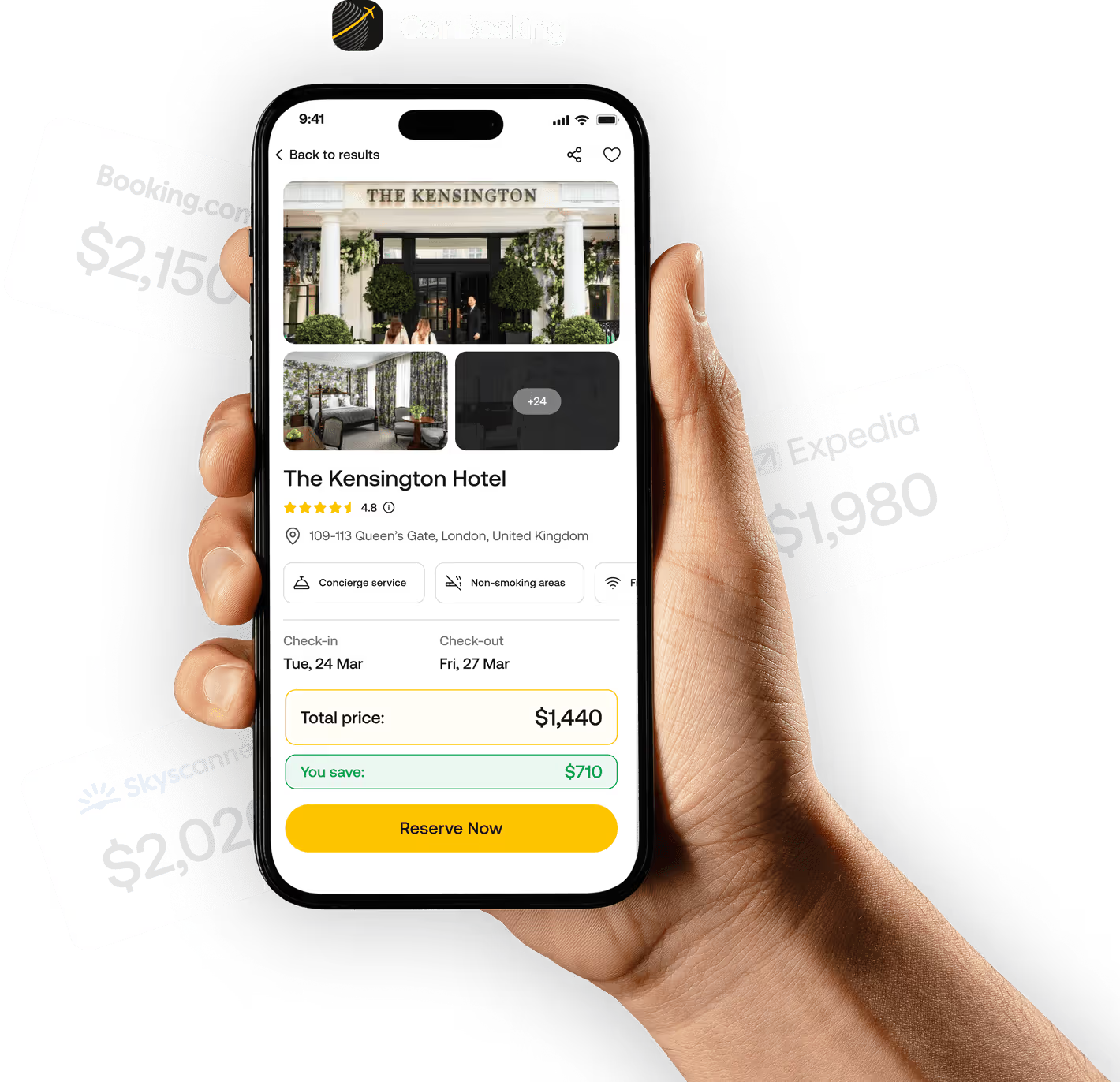
Travelers holding Bitcoin have long been forced to convert back into EGP just to book a hotel room, but CoinBooking eliminates that step entirely. The Dubai-licensed platform gives crypto holders direct access to the same hotels and flights that Booking.com and Expedia have, except at prices up to 30% lower.
Users can choose from over 190+ travel destinations and pay with over 100+ cryptocurrencies including Bitcoin and USDT.
Just $870 Cheaper.

%201.png)
your first booking.
New users also get $25 off their first booking
Planning a trip to Vienna? See how to spend Bitcoin in Austria.
2. Pay Bills via Fawry
Fawry is Egypt's most important non-bank payment infrastructure. Founded in 2008, it processes payments for electricity, water, gas, landline and internet bills, mobile top-ups, school fees, university tuition, traffic fines, and dozens of government services.
Fawry operates through a network of more than 300,000 physical kiosks embedded in pharmacies, grocery stores, and dedicated shops across virtually every neighbourhood in Egypt, as well as via the FawryPlus app and Instapay. With over 35 million registered users, it is where converted Bitcoin becomes genuinely useful for everyday Egyptian life.
3. Shop on Amazon.eg or Jumia
Egypt's e-commerce market is dominated by Amazon.eg and Jumia, covering electronics, clothing, home goods, and more. Both accept card payments, making converted EGP in a linked bank account a seamless option. Jumia has strong local seller coverage and cash-on-delivery, but for Bitcoin holders using converted funds, online card payment is the more direct route.
4. Order Food via Talabat or Elmenus
If you're ordering food in Cairo, Alexandria, or Giza, Talabat and Elmenus are the two apps everyone uses. Talabat has a wider restaurant network, while Elmenus tends to shine with local independents. Both accept card payments and mobile wallets, so once your converted EGP is on a card or compatible wallet, getting dinner delivered is no different from anywhere else in the world.
5. Top Up Mobile Credit
Egypt's three main mobile carriers are Vodafone Egypt, Orange Egypt, and formerly Etisalat Egypt. Topping up is easy through Fawry kiosks, the FawryPlus app, carrier apps directly, or mobile wallets like Vodafone Cash and Orange Cash plenty of options wherever you are.
6. Receive and Deploy Remittances from Abroad
Egypt ranks among the world's top remittance-receiving countries, with annual inflows reaching $22.7 billion in 2024, largely from diaspora communities in Saudi Arabia, the UAE, Kuwait, Qatar, and the US.
The crypto case here is about more than cost and speed. EGP can move during the one-to-several-day processing window of a traditional wire, so converting BTC on arrival via Binance P2P and settling directly to a bank account or mobile wallet lets families lock in value more efficiently. For corridors where rate certainty matters, it has become a genuinely competitive alternative.
Sending money to the UAE? Here is how Bitcoin remittances work there.
7. Get Around with Uber or Careem
Uber and Careem both operate across Cairo and other major Egyptian cities, with Careem holding particularly strong local penetration despite being Uber-owned. Both accept card payments, so converted EGP on a linked debit card works seamlessly. For anyone navigating Cairo's traffic regularly, ride-hailing quickly becomes one of the more frequent everyday expenses.
8. Shop for Groceries at Carrefour or Seoudi
For grocery shopping, Carrefour is the most comfortable option, as card payments work both in-store and through its app for home delivery. Local chains like Seoudi are more varied, with cash still dominant at many locations, though card acceptance is gradually spreading. In urban areas, converted EGP on a card or mobile wallet covers most mainstream grocery runs without any friction.
9. Pay for Education Fees and Online Courses
Egypt's private education sector is substantial, with international schools in Cairo often quoting fees in USD, making BTC a natural hedge for families covering tuition.
For online learning platforms like Coursera and Udemy, Bitrefill gift cards offer a direct BTC-to-course path, or a standard card payment after conversion works just as well.
10. Buy Gift Cards via Bitrefill
Bitrefill deserves its own entry, as it lets you purchase gift cards for a wide range of international and regional brands paying directly in BTC, no EGP conversion needed at any point. Categories span entertainment, retail, and food delivery, and the transaction settles on-chain. For anyone who wants to spend Bitcoin without touching the P2P process, it is the most versatile single tool in this guide.
Frequently Asked Questions
1. Is it legal to buy and hold Bitcoin in Egypt?
No Egyptian law explicitly criminalises Bitcoin holding or P2P trading. The Central Bank has issued cautionary guidance and a 2018 religious opinion flagged concerns, but neither carries legal enforcement weight. The regulatory framework is still developing, so for significant amounts, local legal advice is worth seeking.
2. How do I convert Bitcoin to EGP in Egypt?
Binance P2P is the most widely used route, letting you sell BTC directly for EGP with settlement to an Egyptian bank account or Vodafone Cash wallet. Active Telegram-based P2P communities offer an alternative. Either way, verify platform availability at the time of use given the evolving regulatory environment.
3. Can Fawry be funded from crypto?
Not directly. Fawry does not accept cryptocurrency, but the indirect path is straightforward: convert BTC to EGP via P2P, withdraw to a bank account or Vodafone Cash, then pay through the FawryPlus app or any nearby kiosk. Given Fawry's coverage of utilities, school fees, and government services, this is one of the most practical flows available to Egyptian Bitcoin holders.
4. Can I spend Bitcoin in Egypt without converting to EGP?
Bitrefill covers gift cards and mobile top-ups, including Egyptian carriers, and some international booking platforms accept crypto directly. But for domestic spending across groceries, utilities, food delivery, and local transport, EGP conversion remains necessary.
5. What is the best way to spend Bitcoin in Egypt?
Travel. CoinBooking lets you book hotels and flights worldwide directly in Bitcoin at up to 30% below the prices on Booking.com or Expedia, with no EGP conversion required. For everyday local spending, converting BTC to EGP via Binance P2P and loading into a bank account or Vodafone Cash covers almost everything else.
6. What is the best way to receive Bitcoin remittances from abroad?
The most common approach is for the sender to transfer BTC to your wallet, after which you convert to EGP via Binance P2P and withdraw to your bank account or mobile wallet. Coordinating on timing helps account for any rate movement between transfer and conversion. On the sender's side, purchasing BTC through a local exchange or P2P platform is the usual starting point.


The #1 way to spend BTC and USDT on this list
Save up to 30% on hotels and flights.

Yaryna Dobrianska is a Dubai-based business and technology writer with a background in fintech and digital services. She covers cryptocurrency adoption, cross-border payments, and the practical realities of spending digital assets across emerging markets.
Her work at Polkastarter focuses on making Web3 accessible, breaking down how crypto moves through real-world financial systems, from payments infrastructure to on-chain adoption trends.
Your $25 is waiting. So is up to 30% off every trip you'll ever take.
.avif)
Your $25 is waiting. So is up to 30% off every trip you'll ever take.