.avif)
.png)
.avif)


Content
Top 10 Ways to Spend Bitcoin (BTC) in Hong Kong After Converting HKD

Hong Kong has done more to legitimize Bitcoin than any other city in Asia. Despite all the adoption, actually using your Bitcoin here still feels like a multi-step process. The city doesn't run on crypto. It runs on Octopus Cards, FPS transfers, and standard credit cards.
One thing worth stating clearly before anything else: Hong Kong is a special region of mainland China. So while crypto is banned in China, in Hong Kong it's regulated, licensed, and legal. It operates under entirely different frameworks, and confusing them is a mistake worth avoiding.

Spending your Bitcoin in Hong Kong is more practical than most holders realise, as the city has more options than it lets on. Here are ten of them, including a few you are unlikely to find anywhere else.
Not in Hong Kong? See how Bitcoin spending works in your country.
Why Bitcoin Spending in Hong Kong Requires Converting to HKD First
Direct crypto acceptance at mainstream merchants is still rare here. Most businesses want Hong Kong dollars. That means spending Bitcoin locally almost always starts with a conversion, and HashKey Exchange is where most residents handle that. It's the first SFC-licensed retail platform in the city - regulated, KYC-verified, and built for the local market. OSL is the other licensed option. Coinbase and Kraken work too for anyone already set up on either platform.
One thing that catches people off guard: HKD has been pegged to the USD at approximately 7.8 since 1983. It's one of the most stable currencies in the world. Unlike markets where people convert crypto because their local currency is losing value, the motivation in Hong Kong is purely access. The conversion is just a reality of how the market works right now.
Is It Legal to Use Bitcoin in Hong Kong? What You Should Know First
Fully legal. The SFC launched its Virtual Asset Service Provider licensing regime in June 2023, formally permitting licensed exchanges to serve retail investors. Asia's first spot Bitcoin ETFs were approved here in April 2024. HashKey Exchange and OSL hold retail licences and operate within a supervised framework. That's not a grey area. That's a regulated market.
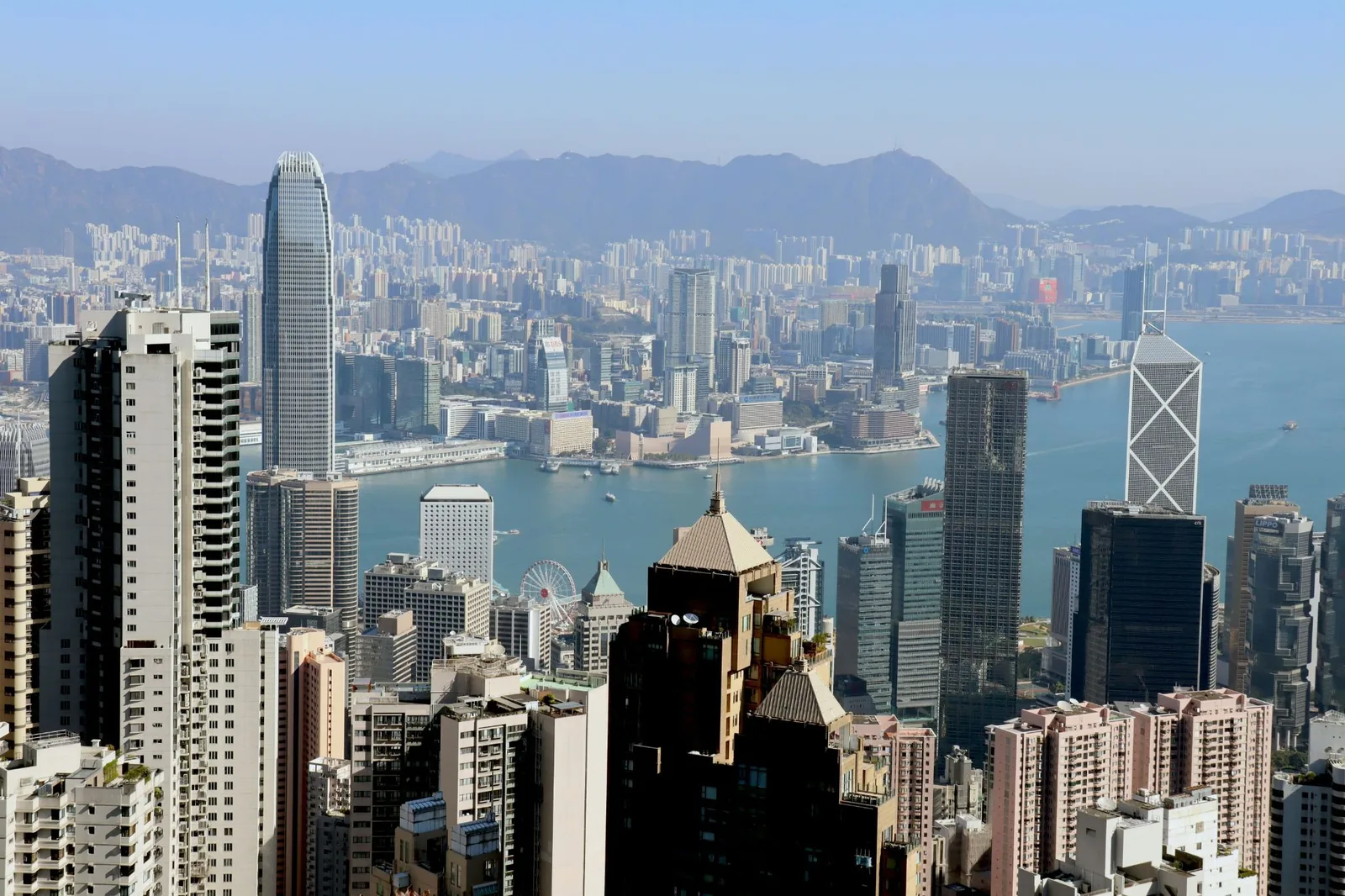
Hong Kong has no capital gains tax on crypto. Gains from buying and selling Bitcoin aren't taxed here, which puts it alongside Singapore and Switzerland as one of the most tax-efficient places in the world to hold and use BTC.
Three things worth keeping in mind:
- Watch the BTC rate at conversion time. The HKD peg keeps the local currency exceptionally stable, but Bitcoin's price still moves. If you're converting to cover a specific expense, timing it matters. The difference between selling now and selling a few hours later can be significant.
- Stick to licensed platforms. HashKey Exchange and OSL are the SFC-regulated retail options. They generate records and operate within the framework. The cautionary stories in Hong Kong's crypto community almost always involve someone who went outside the system.
- Sort your KYC before you need it. All major platforms require identity verification. Getting locked out mid-transaction when you need liquidity quickly is an entirely avoidable problem.
After Converting to HKD
10 Ways to Spend Bitcoin in Hong Kong After Converting HKD
1. Book Hotels and Flights
Hong Kong is one of Asia's busiest travel hubs. Residents here fly regularly around Asia to countries like Tokyo, Bangkok, Singapore, and the city draws millions of visitors who often extend their trips beyond its borders. Every one of those bookings is a chance to pay directly in Bitcoin and skip the conversion entirely.
.png)
.png)
CoinBooking is a Dubai-licensed travel platform that lets you book hotels and flights directly with crypto, while also offering rates up to 30% below what Booking.com and Expedia charge for identical inventory. It covers everything from five star brands like the Mandarin Oriental, Four Seasons and Peninsula to major carriers including Cathay Pacific, Emirates and Singapore Airlines.
CoinBooking supports over 100+ cryptocurrencies at checkout and covers over 190 countries with hundreds, if not thousands of hotels to choose from at any given destination.
Just $870 Cheaper.

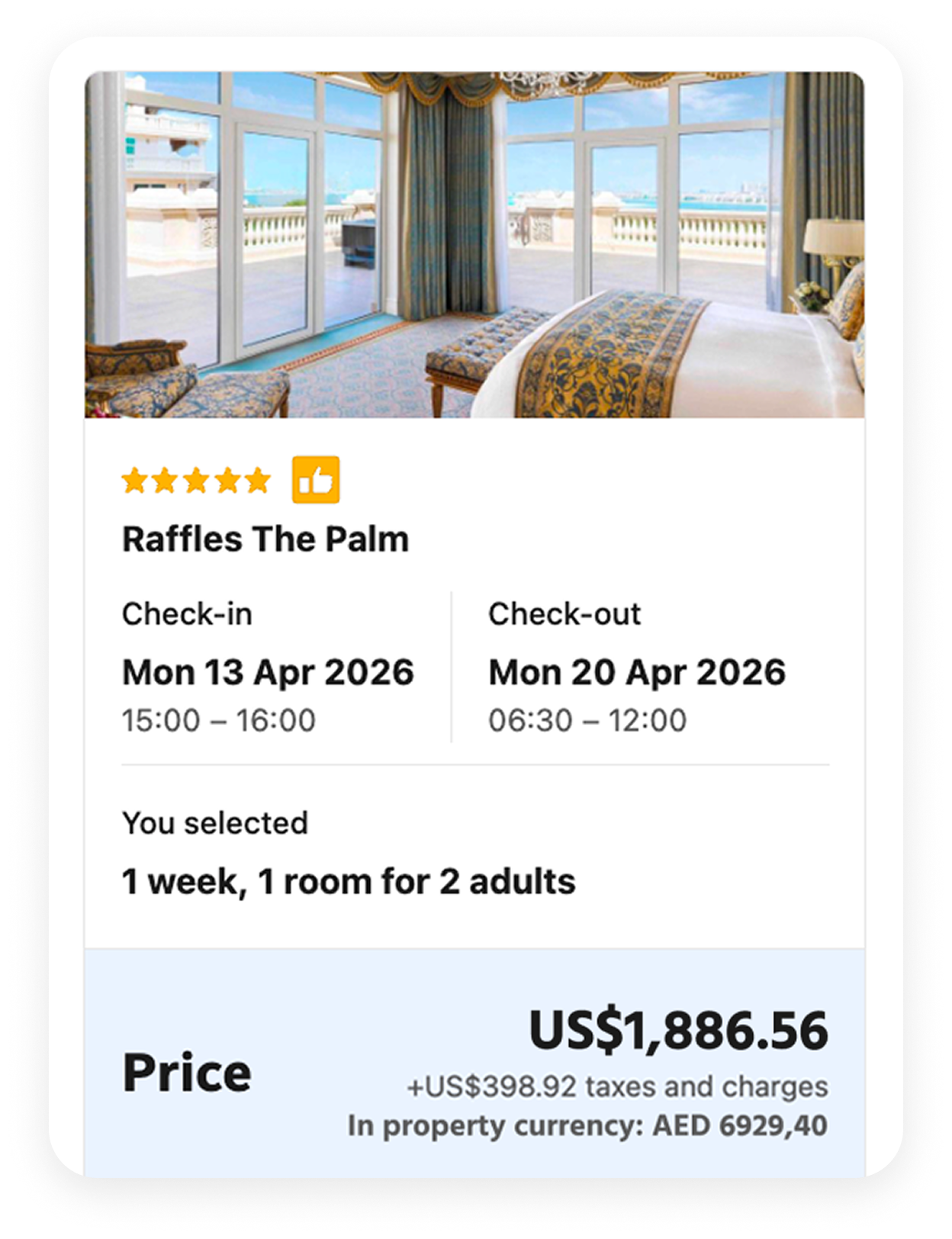
%201.png)
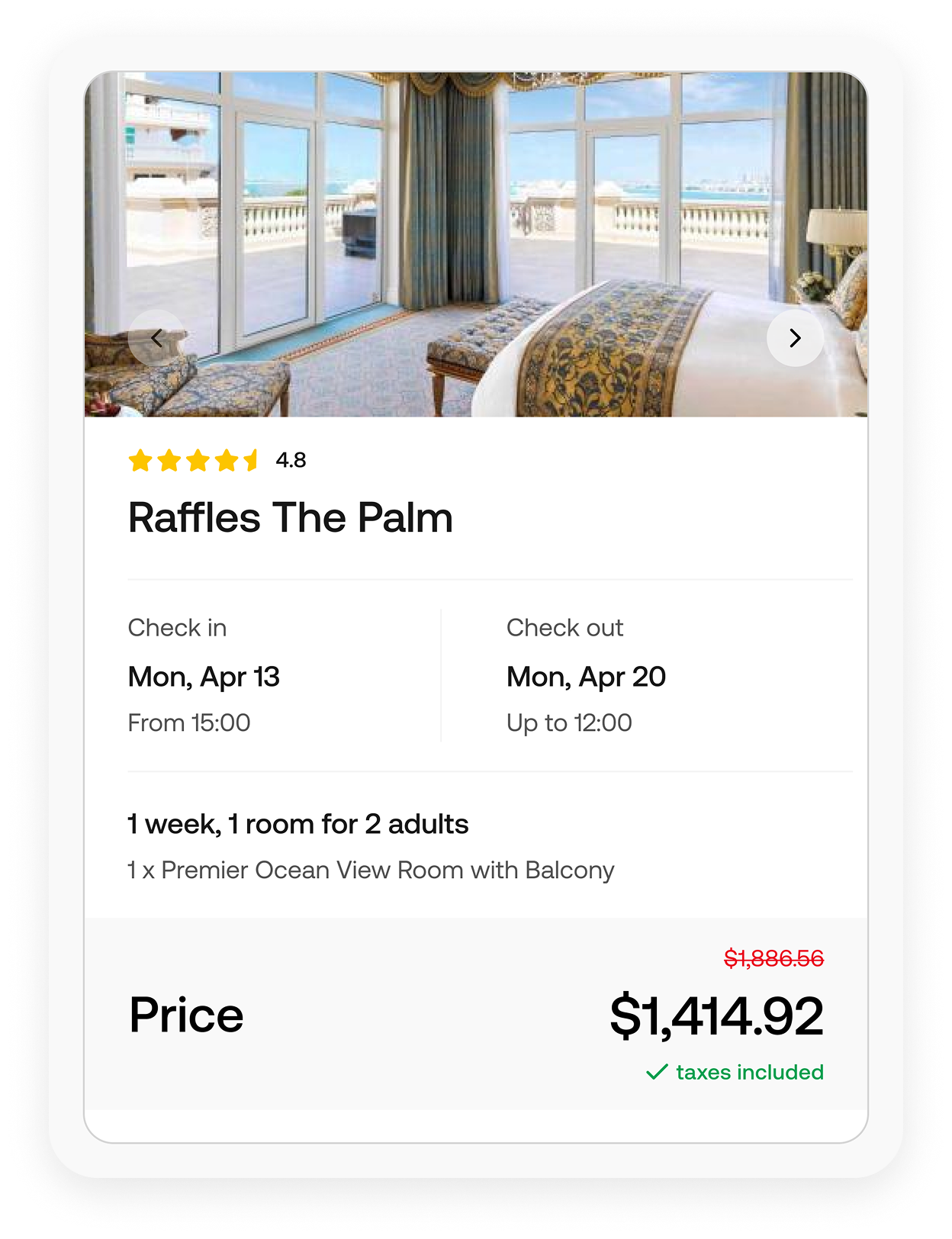
your first booking.
New users get $25 off their first booking.
Planning a trip to Singapore? See how to spend Bitcoin there.
2. Top Up Your Octopus Card
The Octopus Card isn't optional in Hong Kong. Launched in September 1997 for MTR payments, it has since expanded to cover public transport, convenience stores, and restaurants. With over 190,000 acceptance points across the city, almost every resident carries one.
The path from BTC to a loaded Octopus Card: sell on HashKey Exchange, withdraw HKD to your bank account via FPS, then top up through the Octopus app using your bank card. Once it's loaded, the card handles transport and a wide share of food and retail spending without any further steps.
3. Shop on HKTVmall
Amazon doesn't have a dedicated Hong Kong storefront. HKTVmall is what fills that gap. It's the dominant e-commerce platform in the city, covering electronics, groceries, household goods, health and beauty, fashion, and more, with same-day and next-day delivery running across Hong Kong.
HKTVmall doesn't accept BTC directly. Once your converted HKD is in a linked bank account or card, the platform runs regular promotions and loyalty point schemes that keep it price-competitive with physical retail for most categories.
4. Order Food via Deliveroo or Foodpanda
Deliveroo and Foodpanda cover restaurants across all 18 districts in Hong Kong. Neither accepts Bitcoin directly.
For holders who want to spend BTC without going through a conversion first, gift cards are the cleanest route. Deliveroo credits that can be purchased with BTC or USDT. The code applies at checkout in the app, the order goes through like any other payment, and there's no banking step involved at any point.
5. Pay Utility and Household Bills
Electricity in Hong Kong comes from CLP for Kowloon and the New Territories, and HK Electric for Hong Kong Island and Lamma Island, as well as water bills from the Water Supplies Department. Broadband and mobile run through SmarTone and CMHK.
None of them accept crypto. A USDT-to-HKD conversion on HashKey Exchange, followed by an FPS withdrawal to your bank, puts the funds exactly where they need to be. Bills get paid through internet banking, FPS, or in person at 7-Eleven using Octopus. The providers don't know or care where the HKD originated.
Utility bills are one of the most predictable monthly costs a Hong Kong resident carries, and once you've got the conversion flow sorted, it's a completely routine step.
6. Send Remittances Home
Hong Kong's outbound remittance volume is substantial and driven by two distinct groups. The first is a domestic helper community of 368,000 workers as of 2024, predominantly from the Philippines (55%) and Indonesia (42%), sending a significant share of their wages home each month.
Filipino workers abroad sent a record $38.34 billion in remittances in 2024, with Hong Kong a major contributor to that figure. The second is a broader expat population from the UK, US, Australia, India, and mainland China, moving money to a variety of destinations on a regular basis.
Wise, Western Union, and Hong Kong's network of licensed money changers cover most of these corridors. The money changer scene here is genuinely active, particularly around Chungking Mansions in Tsim Sha Tsui and Mong Kok. Rates vary considerably. For anything above a small routine transfer, spending five minutes comparing platforms before committing is worth doing.
Sending money to India? Here is how Bitcoin remittances work there.
7. Buy Electronics at Broadway or Fortress
Broadway and Fortress are the two main consumer electronics chains in Hong Kong, with locations across most major shopping centres and high streets in the city. Smartphones, laptops, cameras, audio equipment, home appliances.
Hong Kong has no VAT, and electronics pricing is competitive across most of Asia. For certain categories, the combination of local prices and no consumption tax makes the comparison against buying at home more interesting than it looks.
8. Book Experiences via Klook
Klook was founded in Hong Kong in 2014 and is still headquartered here. That local origin shows in the depth of coverage: Ocean Park, Hong Kong Disneyland, the Peak Tram, harbour cruises, day trips to Macau, cooking classes, temple tours. Beyond Hong Kong, the platform covers Japan, South Korea, Thailand, Singapore, Taiwan, and most of the wider Asia-Pacific region.
For people living in Hong Kong, Klook has the deepest local experience coverage of any platform available. It's genuinely worth having HKD ready for it.
9. Pay for Subscriptions and Digital Services
Netflix, Spotify, YouTube Premium, Apple One, Microsoft 365. The monthly subscription stack in Hong Kong mirrors every other major global city. None of these services accept Bitcoin directly.
The cleanest workaround is gift cards, purchasable directly with BTC or USDT and redeemable at checkout without a bank card at any point. Apple gift cards, Google Play credits, and Netflix vouchers are all available in HKD denominations through crypto gift card platforms.
10. Buy Gift Cards via Bitrefill
Gift cards solve a problem Hong Kong crypto holders run into more often than they'd like: merchants that don't accept Bitcoin but where you still want to spend without going through a full conversion.
Bitrefill is how most people handle it. The catalogue covers hundreds of brands across retail, food, entertainment, and digital services. BTC or USDT goes in, a digital code comes out instantly, and no bank is involved at any stage.
Frequently Asked Questions
1. What is the best way to spend Bitcoin in Hong Kong?
Travel. CoinBooking gives you direct access to hotel and flight rates up to 30% below what you'd find on Booking.com or Expedia, paid in BTC or USDT with no conversion or bank account needed. For everyday local spending, converting via HashKey Exchange and loading your Octopus Card is the most practical route. One conversion opens up transport, groceries, food, and retail across most of the city.
2. What are the best ways to spend Bitcoin in Hong Kong according to Reddit?
If you spend any time on the Hong Kong crypto subreddits the common theme is that while the city is great for traders daily life is still all about the Octopus card. Most people there say to just go off ramp through HashKey to get HKD in your bank for small stuff.
3. How do I buy Bitcoin in Hong Kong for beginners?
Buying Bitcoin here is much safer now that the SFC has the new licensing rules in place. For someone just starting out your best bet is an exchange like HashKey or OSL because they are fully regulated. You just connect your bank account through FPS and you can swap your HKD for Bitcoin almost instantly.
4. What is the best Hong Kong crypto wallet?
It really comes down to whether you want to spend it easily or keep it safe for years. For daily trading and moving money around a licensed exchange wallet like HashKey is very convenient for locals. But if you are holding a lot of Bitcoin for the long term you really should get a hardware wallet like a Ledger or Trezor to keep your keys offline.
5. How do I convert Bitcoin to HKD in Hong Kong
HashKey Exchange is the most widely used option. It is SFC-licensed, KYC-verified, and supports FPS withdrawals directly to your Hong Kong bank account. OSL is the other licensed alternative. Coinbase and Kraken also work for anyone already set up on either platform.
6. Do I need to pay tax on Bitcoin in Hong Kong?
Hong Kong has no capital gains tax on crypto. Gains from buying and selling Bitcoin are not taxed here, which puts it alongside Singapore and Switzerland as one of the most tax-efficient places in the world to hold and use BTC.


The #1 way to spend BTC and USDT on this list
Save up to 30% on hotels and flights.

Yaryna Dobrianska is a Dubai-based business and technology writer with a background in fintech and digital services. She covers cryptocurrency adoption, cross-border payments, and the practical realities of spending digital assets across emerging markets.
Her work at Polkastarter focuses on making Web3 accessible, breaking down how crypto moves through real-world financial systems, from payments infrastructure to on-chain adoption trends.
Your $25 is waiting. So is up to 30% off every trip you'll ever take.
.avif)
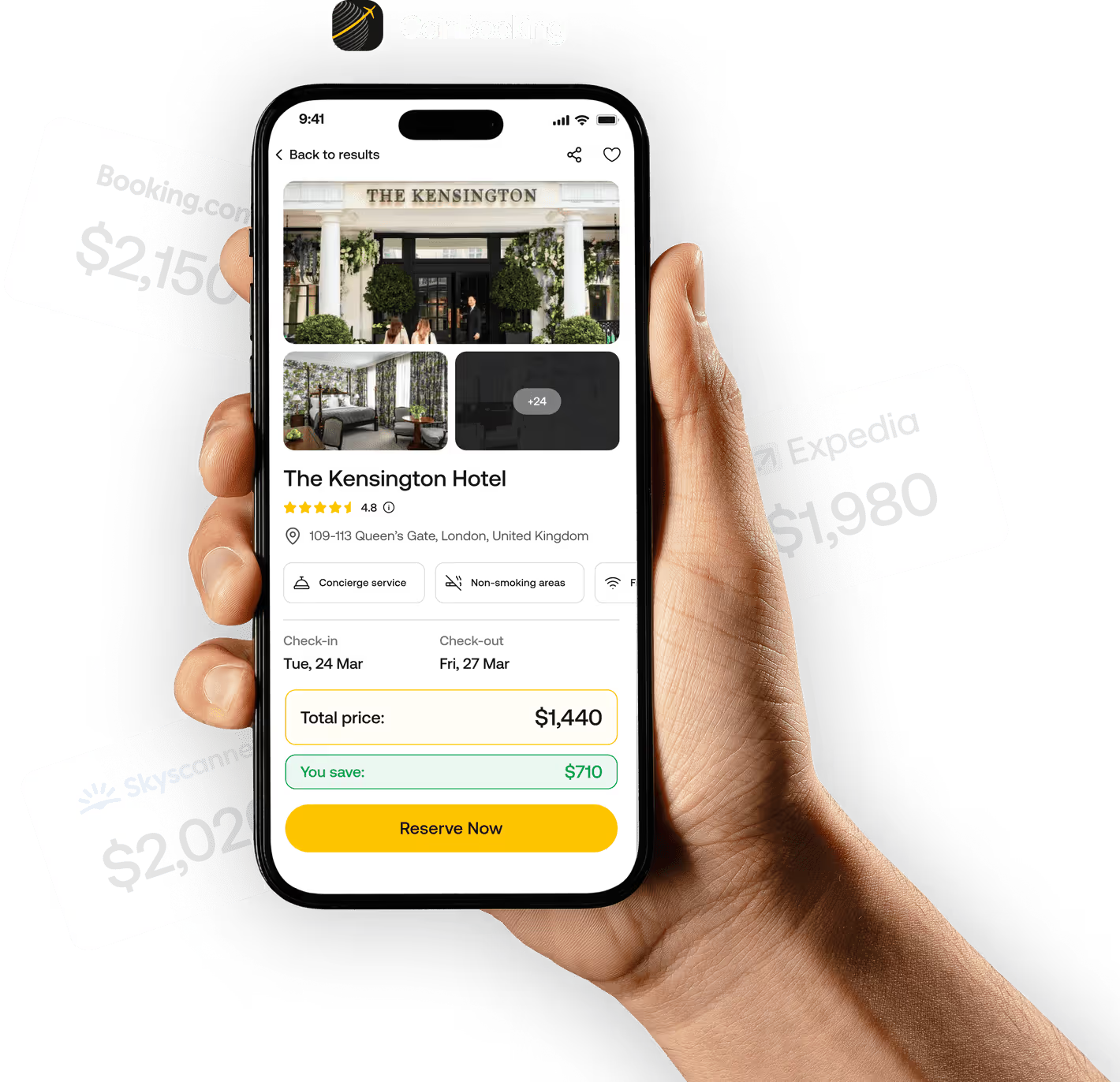
Your $25 is waiting. So is up to 30% off every trip you'll ever take.