.avif)
.png)
.avif)


Content
Top 10 Ways to Spend Bitcoin (BTC) in Lebanon After Converting LBP

Since 2019, the Lebanese lira has lost over 98% of its value, inflation averaged 45% in 2024 - down from 221% the year before, and the banking system has left an estimated $72 billion in deposits effectively frozen. For a lot of Lebanese, crypto isn't a bet on the future. It's how they protect and move money in a country where the formal system stopped working.
But actually spending your BTC for day to day needs feels harder than it should. Most merchants still accept cash, but a lot of options that do exist aren't well advertised.
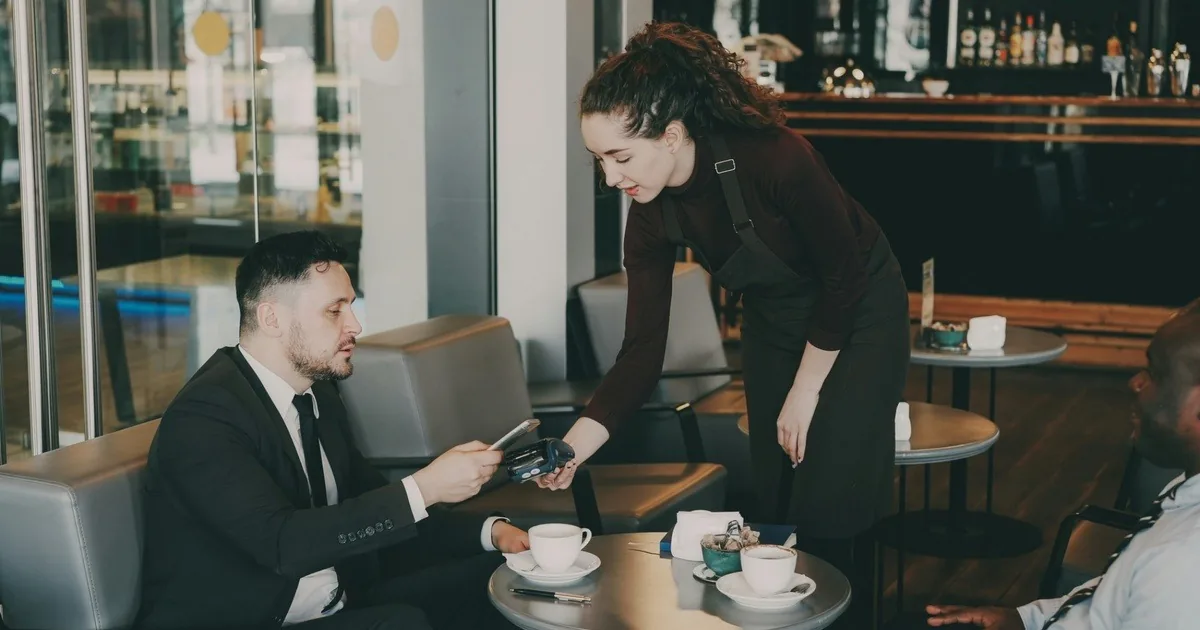
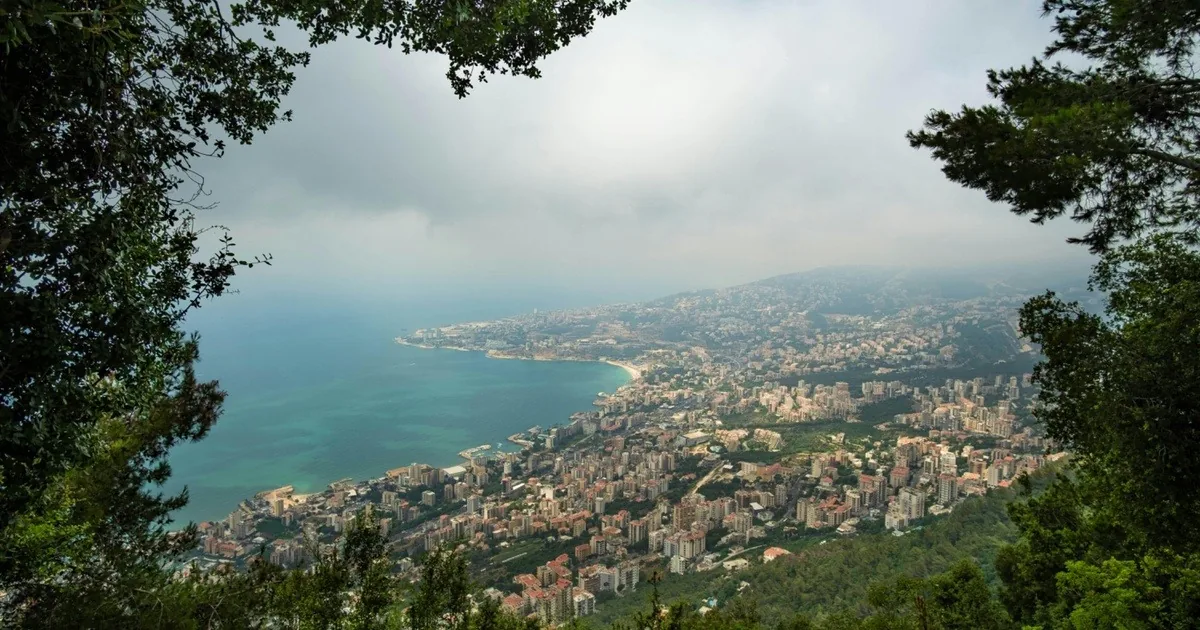
Lebanon ranks in the global top 20 for crypto adoption according to the 2025 Chainalysis Global Crypto Adoption Index, and the infrastructure is more developed than most people realise. Here are ten ways to put your Bitcoin to work, starting with the one that requires no conversion at all.
See our full guide to spending Bitcoin in any country.
Why Bitcoin Spending in Lebanon Involves Converting to USD First
Before the list, it's worth being clear about how spending Bitcoin in Lebanon actually works.
Direct crypto acceptance at Lebanese merchants is still rare, as most businesses want dollars. That means spending Bitcoin locally almost always starts with converting it first, with one key difference: you're converting to USD or USDT, not LBP. The pound is too unstable to be useful as a middle step. Nobody prices in lira anymore.
Binance P2P and Noones are the two most widely used platforms for this. You list your BTC or USDT, a verified buyer matches with you, and the equivalent in USD or cash is arranged through the platform's escrow. For larger amounts, local OTC desks are an alternative, though rates vary more than on P2P platforms, but they handle volumes that exceed what retail platforms can efficiently process.
Converting through P2P platforms is genuinely cheaper than the alternative. Traditional transfer services charge between 6% and 11% to move money into Lebanon, which is well above the global average, and that’s before unfavorable exchange rate markups. For a country where remittances account for nearly 30% of GDP, it underscores just how much these fees cost diaspora communities at scale.
Is It Legal to Use Bitcoin in Lebanon? What You Should Know First
The Lebanese government does not officially ban Bitcoin. Authorities tolerate individual ownership and P2P trading, and this has been the reality for years.
What hasn't changed: Banque du Liban issued warnings in 2013 and 2018, which specifically prohibits licensed banks from dealing in crypto directly. In practice, it just means the formal banking system won't touch it, which most Lebanese crypto holders have already worked around. Most people use informal OTC networks or P2P platforms for conversions rather than regulated exchanges. That's not unusual here. It does mean due diligence matters more, not less.
Three things to know before you convert:
- Convert to USDT, not LBP. The pound can shift between the time you sell and the time you spend. USDT holds its value through that window. For any expense where the amount needs to be predictable, USDT is the right tool.
- Stick to verified P2P merchants. Check completion rates, read feedback, always use platform escrow. The cautionary stories in Lebanese crypto communities usually involve users who settled their trades outside the official system.
- Verify your identity before you need it. Major platforms require identity checks. Getting locked out mid-transaction is an entirely avoidable problem.
After Converting to USD
10 Ways to Spend Bitcoin in Lebanon After Converting USD
1. Book Hotels and Flights with Bitcoin
This is easily the best way to use your Bitcoin in Lebanon, and most people still don't know it exists.
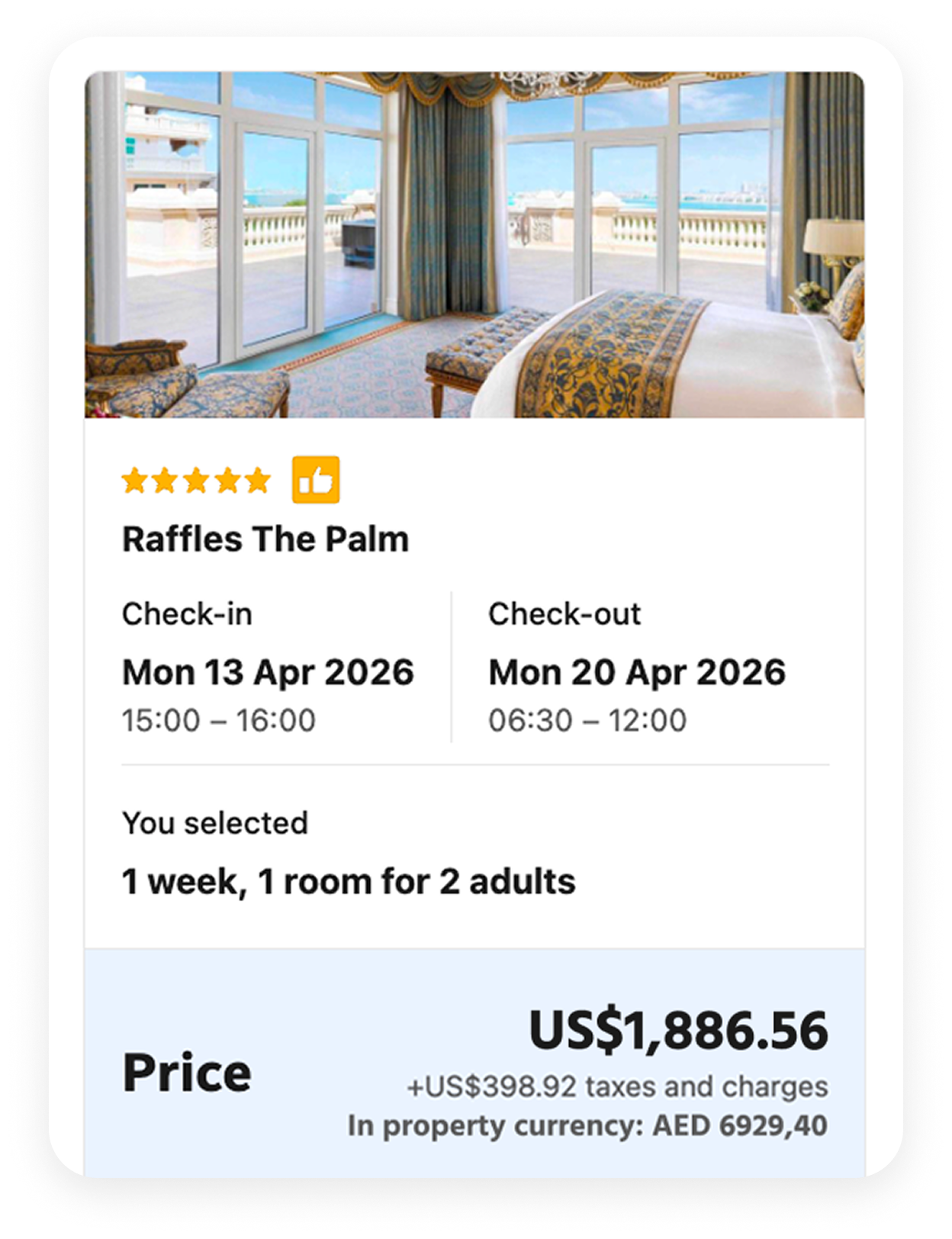
CoinBooking is a Dubai-licensed travel platform that lets you book flights and hotels at up to 30% less than Booking.com or Expedia, and accepts Bitcoin, USDT, and 100+ other cryptocurrencies. Forget about converting to USD or dealing with bank transfers. You simply pay from your wallet, get your confirmation, and you're done.
.png)
.png)
Outbound bookings from Lebanon, especially to Dubai and Istanbul, have been rising consistently. According to GlobalData, the most popular destinations for Lebanese travellers include Türkiye, the UAE, Saudi Arabia, and Kuwait, and every one of those trips can be booked directly through CoinBooking with Bitcoin. The platform covers 190+ countries and over a million hotels and flights worldwide.
Just $870 Cheaper.

%201.png)
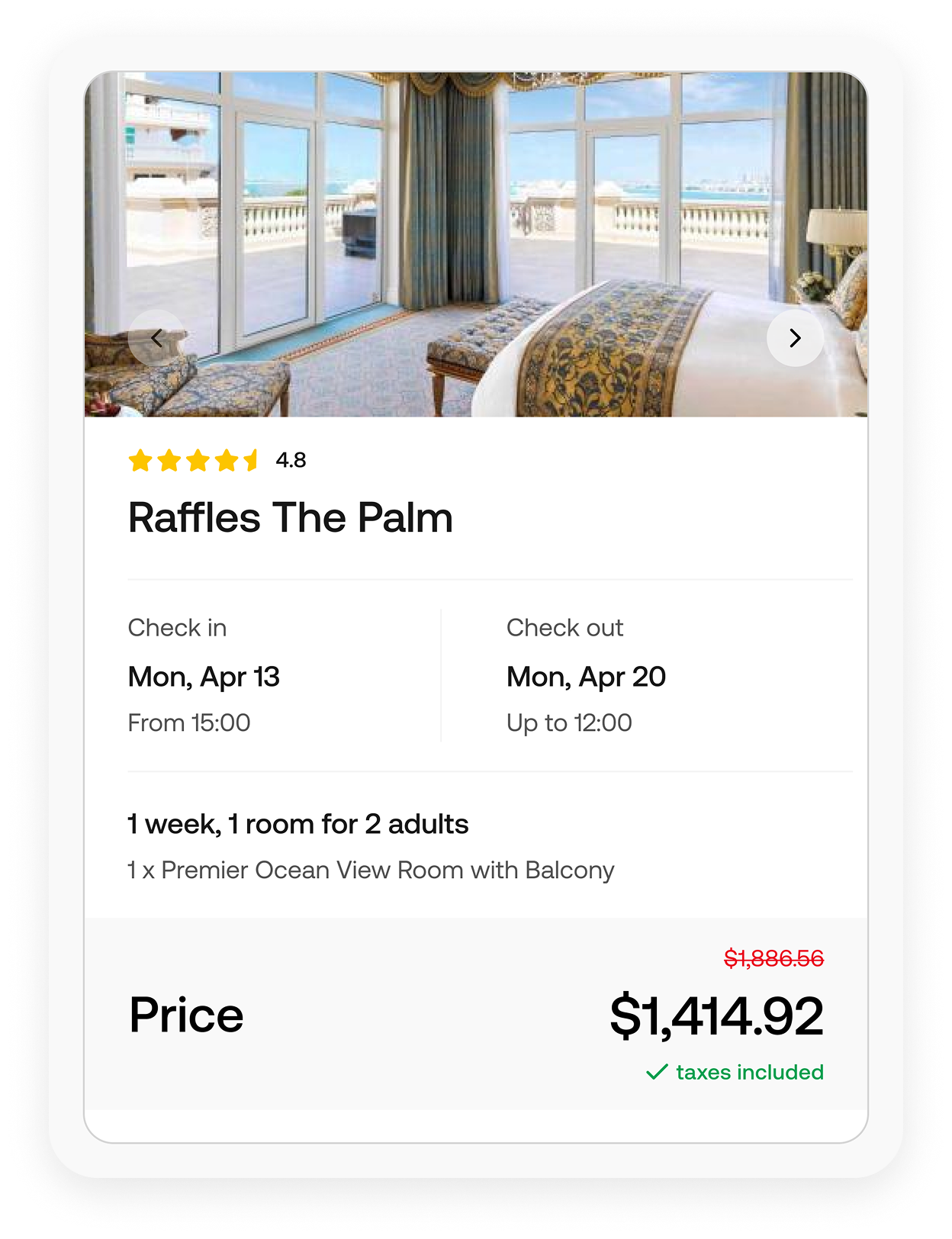
your first booking.
Early users get $25 off their first booking.
Planning a trip to Istanbul? See how to spend Bitcoin in Turkey.
2. Pay for Groceries and Daily Essentials
Most supermarkets and shops in Lebanon price in USD now. That's been the norm since the lira crisis deepened, and it hasn't changed. Converting BTC to USDT through Binance P2P or Noones and arranging USD cash is the most practical route for everyday shopping.
For smaller purchases, platforms like OMT can bridge the gap between USDT and physical cash. USDT is stable, but if you're selling BTC directly, a few hours can make a difference. Most experienced Lebanese holders keep a USDT balance ready rather than converting fresh each time, as it removes the friction entirely.
3. Send Money to Family and Friends
This is one of the strongest use cases on the list, and Lebanon makes that clearer than almost any other country.
Lebanon's diaspora is one of the largest in the world relative to population, and remittances are a substantial part of the economy. Lebanon received $5.8 billion in remittances in 2024, equivalent to 17.7% of GDP. An increasing share of that moves through USDT and P2P channels, because the traditional banking system is functionally inaccessible for a lot of Lebanese families.
A well-timed USDT conversion through Binance P2P or Noones cuts that cost significantly. For larger amounts, the difference is meaningful enough to matter.
For Lebanese abroad sending money home: buy crypto locally, send USDT to a Lebanese wallet, recipient converts to USD cash through a local OTC desk or P2P platform. Faster than a bank wire, and cheaper than most transfer services.
Sending money to Pakistan? Here's how Bitcoin remittances work there.
4. Pay Rent and Household Bills
Most landlords in Lebanon price rent in USD and expect cash or equivalent. That's been the standard for years and it's only become more rigid. Converting BTC to USDT and arranging USD cash through a trusted P2P merchant or local OTC desk is the cleanest route.
One practical habit worth building: settle a few days before rent is due, not the morning of. OTC processes are usually smooth, but occasionally take longer than expected. Plan for it once, and you never have to scramble.
For any utility bills still priced in LBP, the amounts are small enough that a minor exchange rate shift doesn't change the outcome much.
5. Buy Fuel and Cover Transport Costs
Fuel in Lebanon prices in USD. Most stations expect cash, and the conversion flow is the same: BTC to USDT, arrange USD cash, pay at the pump.
For day-to-day transport, a crypto-linked Visa or Mastercard debit card issued through Binance or a similar platform is the cleaner option. It settles in USD without a separate conversion step each time. Uber operates in Lebanon and processes through international card systems, so that works too.
Don't rely on a card at the fuel station specifically. Cash is still the more reliable option there, and running short on fuel because a card didn't process is an avoidable problem.
6. Pay Medical and Pharmacy Expenses
Most pharmacies and private clinics in Lebanon price in USD. Public hospitals still use LBP in some cases, but for private medical care dollars are the expected currency.
Convert BTC to USDT ahead of any expected medical expense, not the day you need it. Medical costs have a way of being urgent, and converting while you're already dealing with a health situation adds unnecessary stress. Keeping a USDT buffer that covers a month or two of typical pharmacy or clinic spend makes practical sense.
For larger expenses, a local OTC desk that handles volume is more efficient than P2P retail platforms. Rates can vary more, but the volume handling is smoother.
7. Cover Electricity and Generator Bills
This one is specific to Lebanon and worth explaining for anyone unfamiliar with how it works.
State electricity provides only a few hours of power per day in most areas of the country. Private generator subscriptions fill the gap, and generator operators almost universally price their subscriptions in USD. It's one of the most consistent monthly dollar expenses a Lebanese household has.
USDT is the natural fit here. Convert BTC, settle your generator subscription in USD cash, and time the conversion to your billing cycle so you're not rushing. State electricity bills, when they arrive, still price in LBP, though those amounts are low enough that conversion is a minor step.
8. Pay School and University Fees
Major institutions like the American University of Beirut, Lebanese American University, and top-tier schools like IC or ACS set their tuition rates in USD. These payments represent the largest recurring expense for most Lebanese families today.
The rule is simple: never convert the morning fees. Give yourself a few days of buffer to avoid unexpected delays in the process. OTC and P2P transactions are usually fast, but occasionally they aren't.
9. Dine at Restaurants and Cafes
Beirut's restaurant scene is more active than most people outside the country expect. A growing number of establishments accept USD cash, and some are beginning to accept crypto-linked cards directly.
For most dining, a crypto Visa or Mastercard debit card that settles in USD is the cleanest approach. No need to carry exact dollar amounts, no change complications, no explaining anything to the cashier.
A handful of spots in Hamra and Gemmayzeh now accept USDT directly. It's not the norm yet, but it's becoming less unusual. Ask before you assume cash is the only option, as it works more often than most people expect.
10. Buy Electronics and Mobile Phones
Private retailers in Lebanon price their electronics in USD and consistently undercut European retail costs. For buyers paying in converted USDT, that gap works in their favour. You're already in the right currency, and you're not losing anything to a card surcharge or an unfavourable exchange.
For international purchases, gift cards from Bitrefill give you access to the full catalogue at international prices, without needing a Lebanese bank card that may or may not go through. For software, subscriptions and anything digital, the gift card route is almost always the smoother call. It skips the card friction entirely, and that friction is real enough here to plan around.
Frequently Asked Questions
1. What is the best way to spend Bitcoin in Lebanon?
Travelling offers the best way to spend your Bitcoin. CoinBooking gives you up to 30% off on hotels and flights and accepts Bitcoin (BTC) and USDT, which removes the need for currency conversions or bank cards.
2. Can you spend Bitcoin directly in Lebanon?
Direct Bitcoin payments are still limited in Lebanon. Most transactions require converting Bitcoin into USDT or US dollars first. However, certain platforms, especially in the travel sector, allow direct Bitcoin payments without conversion.
3. What is the safest way to convert Bitcoin in Lebanon?
Binance P2P and Noones are the most widely used platforms. List your BTC or USDT, a verified buyer matches with you, and the equivalent in USD is arranged through platform escrow. Always use the built-in escrow. Settling outside it is where things go wrong. For larger amounts, local OTC desks are an alternative, though rates vary more than P2P.
4. Is Bitcoin legal in Lebanon?
The Lebanese government does not officially ban Bitcoin. Authorities tolerate individual ownership and P2P trading. Banque du Liban prohibits licensed banks from dealing in crypto directly, which is why most Lebanese crypto activity runs entirely outside the formal banking system. That's not a grey area so much as it is the established reality.
5. Do I need a crypto wallet to spend Bitcoin in Lebanon?
Yes, a self-custody wallet gives you full control over your BTC and USDT before you convert or spend. Hardware wallets are the most secure option for larger amounts. For day-to-day use, a mobile wallet connected to Binance P2P or Noones is enough to get started.
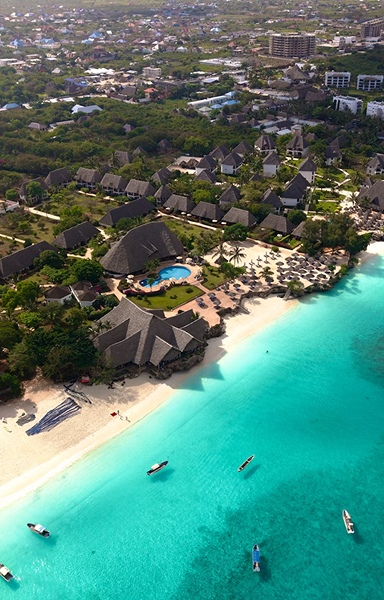

The #1 way to spend BTC and USDT on this list
Save up to 30% on hotels and flights.

Yaryna Dobrianska is a Dubai-based business and technology writer with a background in fintech and digital services. She covers cryptocurrency adoption, cross-border payments, and the practical realities of spending digital assets across emerging markets.
Her work at Polkastarter focuses on making Web3 accessible, breaking down how crypto moves through real-world financial systems, from payments infrastructure to on-chain adoption trends.
Your $25 is waiting. So is up to 30% off every trip you'll ever take.
.avif)
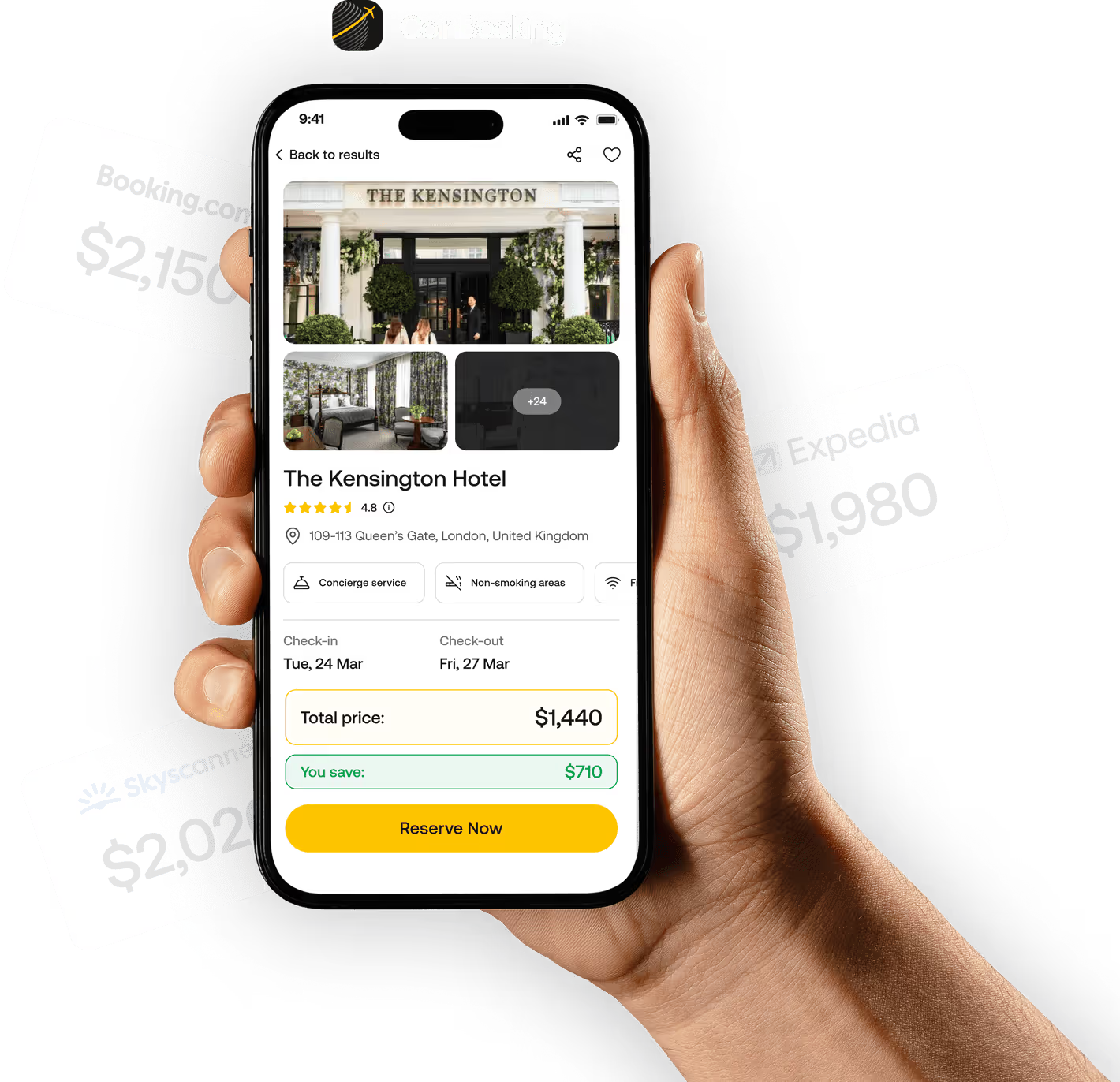
Your $25 is waiting. So is up to 30% off every trip you'll ever take.