.avif)
.png)
.avif)


Content
Top 10 Ways to Travel With Bitcoin (BTC) in Denmark

Denmark is one of the most cashless countries in the world, and it is also one of the most expensive to visit. Copenhagen ranks among the priciest stops on any European itinerary, with average hotel rates running well above the continental average. For a BTC holder, locking in accommodation before arrival at rates below retail is the most immediate way to reduce that cost before the trip even starts.

On the ground, Denmark's payment infrastructure is almost entirely cashless, but it runs on MobilePay, an app used by over 4.74 million Danes that requires a Danish phone number, CPR number, and bank account to set up. Tourists cannot access it. A crypto debit card fills that gap completely. Card acceptance in Denmark is among the highest in Europe, and virtually every terminal takes Visa or Mastercard.
Denmark opens the door to one of the world's most cashless regions. The global Bitcoin travel guide covers every country on that circuit.
What Bitcoin Can Do for Travelers in Denmark
Denmark is one of the easiest countries in Europe for a crypto debit card. Digital payment solutions account for 84 to 93 percent of all citizen payments in physical commerce, meaning card terminals are everywhere and cash is rarely expected. Your crypto Visa or Mastercard debit card covers restaurants, transport, shops, museums, and hotels across Copenhagen, Aarhus, Odense, and beyond without any friction.
For accommodation, CoinBooking covers hotels and apartments across Copenhagen, Aarhus, Odense, Aalborg, and Danish coastal towns, paid directly in BTC at rates up to 30% below Booking.com and Expedia. In a country where even a standard hotel night can run DKK 1,200 or more in the city center, that difference adds up quickly across a stay of several nights. Bitrefill covers DSB (Danish State Railways) travel credits, useful for booking trains between Copenhagen, Aarhus, and other Danish cities without a local payment method.
DKK cash is rarely necessary in central Copenhagen and major tourist areas. A small amount covers market stalls and rural spending, but for most of the trip, the card handles everything.
Is It Legal to Use Bitcoin While Traveling in Denmark? What You Should Know
Crypto holding and trading is fully legal in Denmark under EU frameworks including MiCA, which came into full effect in 2025. Denmark's Financial Supervisory Authority regulates crypto businesses operating in the country. There are no restrictions on tourists holding BTC or using crypto cards at Danish merchants.
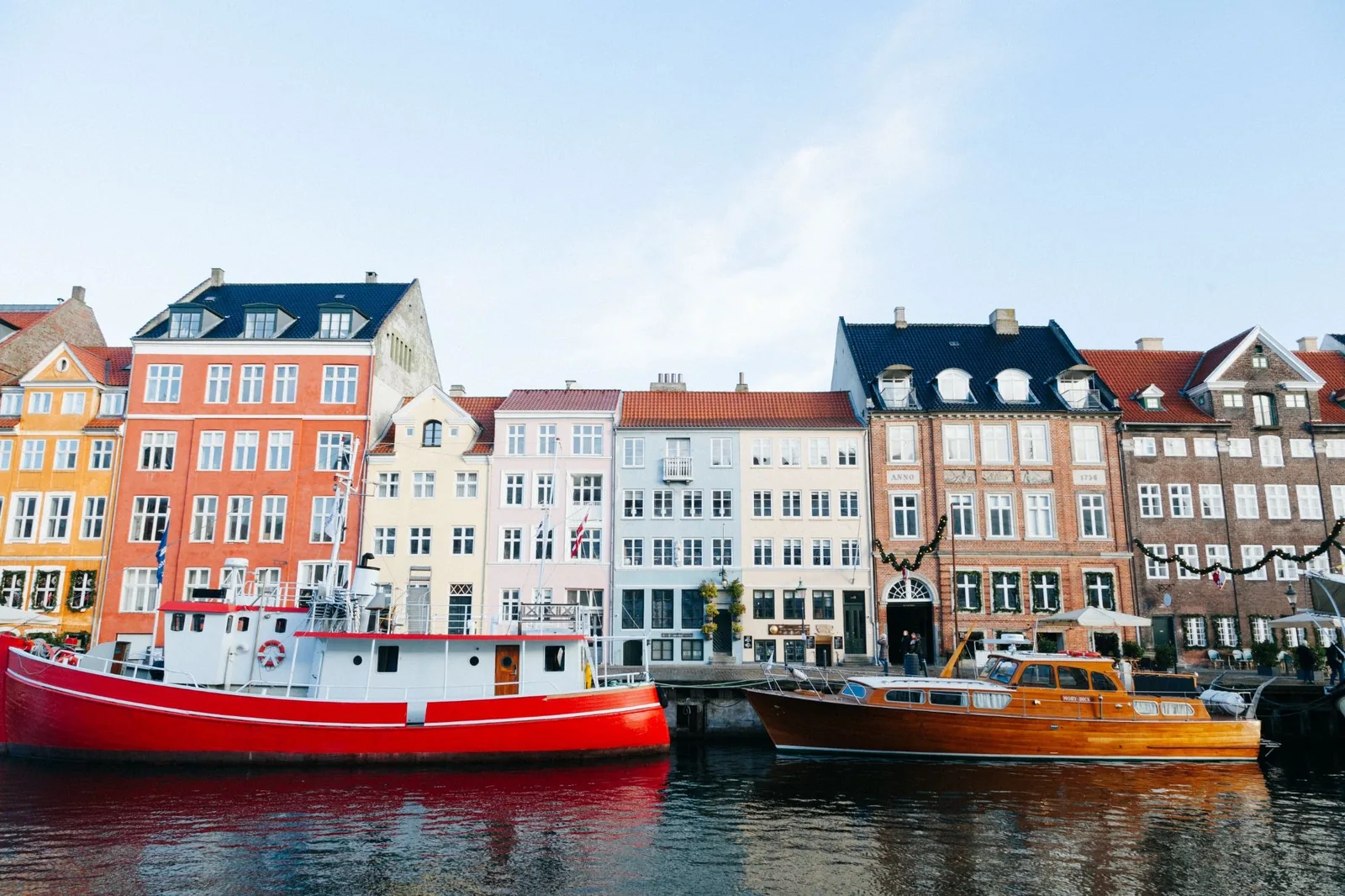
Capital gains on crypto apply to Danish tax residents, not to visiting tourists. For international visitors, spending BTC via a crypto debit card in Denmark carries no Danish tax obligation. The regulatory framework is built around service providers and residents, not visitors on short trips.
The practical picture for tourists is uncomplicated: hold BTC, fund a crypto debit card, and spend at any card terminal across the country. Denmark is nearly cashless with card terminals covering the entire country, which makes it one of the smoothest destinations in this guide for a crypto card user.
in Denmark
10 Ways to Travel With Bitcoin in Denmark
Denmark rewards preparation on the accommodation front. Everything else plays out naturally in a country where virtually every terminal takes a card.
1. Book Your Hotels and Apartments with CoinBooking
Copenhagen hotel rates are among the highest in Northern Europe. A standard three star hotel in Vesterbro or the city center averages around $138 per night, and four star properties run closer to $183. During summer and major events, rates climb further.


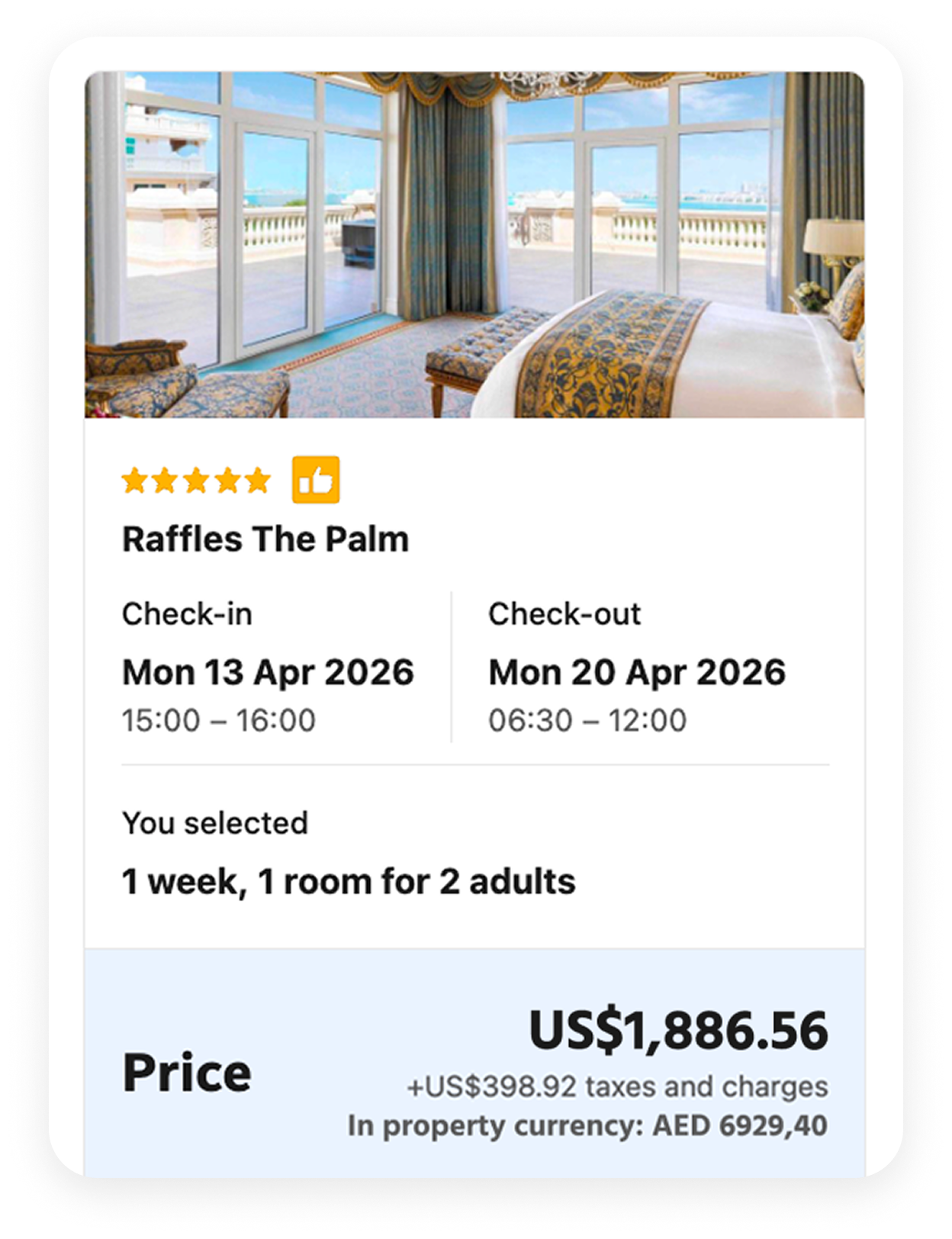
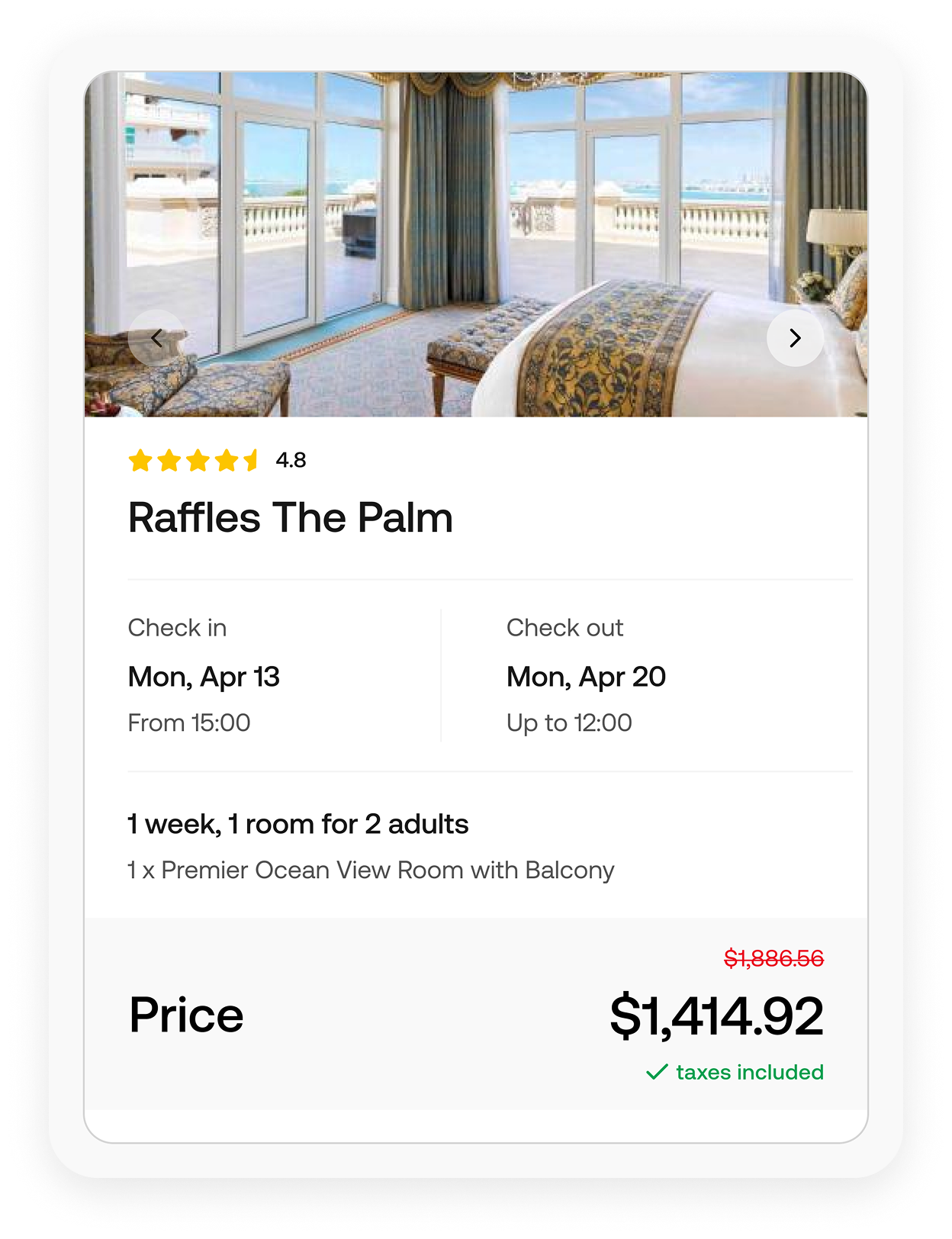
CoinBooking is a Dubai-based travel platform with hotel and flight rates up to 30% below Booking.com and Expedia, paid directly in BTC at checkout. For a five night stay in Copenhagen, that gap covers a full day of dining and transport. The selection spans the city center, Vesterbro, Norrebro, and the waterfront, plus Aarhus, Odense, Aalborg, and Danish coastal towns. New users get $25 off their first booking.
Just $870 Cheaper.

%201.png)
your first booking.
US next on the itinerary? Here's how BTC works across America.
2. Book Experiences in Advance
Tivoli Gardens in Copenhagen sells timed tickets and seasonal passes that book out during summer and the Christmas season. The LEGOLAND Billund resort fills its hotel capacity months ahead during school holidays. Popular canal tours in Nyhavn and kayak experiences in Copenhagen harbor have daily capacity limits that disappear fast in July and August.
Platforms like Viator and GetYourGuide cover a wide range of Danish experiences and accept international card payment at checkout, where your crypto debit card works fine. For Tivoli and major attractions, booking directly on the official website is often cheaper, and your crypto card handles those transactions without any issue.
3. Use a Crypto Debit Card for Day-to-Day Spending
Denmark is one of the easiest countries in Europe for card spending. Restaurants, cafes, supermarkets, shops, museums, transport, and virtually every other merchant category accepts Visa and Mastercard. A Bybit Card, Crypto.com Visa, or Wirex card converts your BTC or USDT at the point of sale. Denmark's near universal card acceptance means this card covers essentially the entire trip without gaps.
The one area where card acceptance can occasionally vary is small independent market stalls and some rural craft vendors. Keep a small amount of DKK on hand for these. In central Copenhagen, Aarhus, and tourist areas across the country, cards are the default.
4. Withdraw Danish Krone from ATMs Using Your Crypto Card
Denmark is nearly cashless but DKK still covers market stalls, some smaller vendors, and rural spending outside major cities. Your crypto debit card works at Danske Bank and Nordea ATMs across Denmark to pull DKK from your BTC or USDT balance. ATMs are less common than in most European countries, so withdraw before heading to smaller towns or rural areas.
Always decline the dynamic currency conversion prompt on screen and let your card settle in DKK. Taking out a larger amount in one withdrawal keeps the fee per transaction proportional. In Copenhagen, ATMs are available at the airport, major train stations, and bank branches across the city center.
5. Get Around by Train, Metro, and Bike
Copenhagen's metro and S-Tog (suburban rail) accept contactless Visa and Mastercard at validators, so your crypto debit card taps in directly without needing a separate travel card. DSB trains connect Copenhagen with Aarhus in about three hours, Odense in about ninety minutes, and Aalborg in about three hours. Tickets are purchased by card on the DSB website or at station machines, where your crypto card works.
For rail travel between cities, Bitrefill sells DSB travel credits purchasable directly in BTC, useful for travelers doing a wider Scandinavian rail itinerary who want to load travel credit in advance before departure. Copenhagen also has an excellent bike sharing network. Donkey Republic operates across the city and accepts international card payment in the app.
6. Eat at Restaurants, Open-Faced Sandwich Spots, and Cafes
Copenhagen's food scene spans Michelin-starred restaurants in the city center to affordable smørrebrød (open faced sandwich) spots and hygge cafes in Vesterbro and Nørrebro. Card acceptance is universal across all of these. Your crypto debit card handles every transaction, from a DKK 85 lunch sandwich to a dinner of several courses in Frederiksberg.
Street food at Reffen, Copenhagen's street food market on the harbor, operates on card across most vendors. Torvehallerne market near Nørreport station is similarly card-friendly. Even smaller independent vendors across Denmark have largely moved away from cash, making the crypto card the only payment tool you need for food across the country.
7. Buy a Tourist SIM or Top Up Mobile Data
Denmark's three main carriers are TDC, Telenor DK, and 3 Denmark. All three have counters at Copenhagen Airport (CPH) arrivals. Payment by card works fine at any of them, and your crypto debit card handles the purchase. Data coverage across Denmark is excellent on all three networks, including in Jutland and the smaller Danish islands.
If you prefer to arrive connected, Bitrefill sells eSIMs for Denmark purchased directly in BTC before you travel, compatible with local networks. A local SIM is particularly useful for travelers who want to use Danish apps or need a local number for any service during the trip.
8. Cover Airport Transfers from Copenhagen Airport
Copenhagen Airport (CPH) at Kastrup is one of the best connected airports in Europe. The Metro Line M2 connects directly to Copenhagen city center in about 15 minutes, running 24 hours a day. Tickets are purchased by contactless card at the metro validators or machines in the terminal, and your crypto debit card taps in directly.
DSB trains also run from the airport to Copenhagen Central Station in about 14 minutes with frequent departures. Both options are significantly cheaper and faster than a taxi. Taxis from CPH to the city center run around DKK 250 to 300 and accept card payment. Uber also operates from the airport with card payment through the app, where your crypto Visa or Mastercard works.
9. Shop Department Stores, Design Boutiques, and Markets
Copenhagen is one of Europe's leading design cities, with a retail scene that ranges from Illums Bolighus on Strøget to independent Scandinavian design boutiques in Vesterbro and Frederiksberg. All accept international cards. Your crypto debit card covers every purchase without any issue. The Strøget pedestrian shopping street is one of the longest in Europe, and virtually every shop on it takes Visa and Mastercard.
The Torvehallerne food market and Reffen street food market accept cards at most stalls. The Copenhagen Flea Market and some smaller antique markets occasionally prefer cash. Keep a small amount of DKK for these. For electronics, Elgiganten is the largest Danish chain and accepts cards across all locations.
10. Buy Danish Rail and Transport Credits via Bitrefill
For travelers building a wider Scandinavian itinerary, Bitrefill's Denmark catalog includes DSB travel credits purchasable directly in BTC. Loading DSB credit before departure means rail tickets between Danish cities are sorted without needing a local payment method or Danish bank account. Codes arrive by email and work directly in the DSB app or at station machines.
Bitrefill also covers telecom top up credit for Danish carriers and Uber credits for transport in Copenhagen. For a Scandinavian rail trip that continues into Sweden or Norway, having Danish rail credit loaded in BTC before departure removes one more friction point from an itinerary across multiple countries.
Planning a trip to Switzerland? Here’s how Bitcoin travel works there.
Frequently Asked Questions
1. Can I use Bitcoin directly in Denmark?
Not at mainstream merchants. Direct BTC payments are not widely accepted at Danish shops, restaurants, or hotels. The practical setup for tourists is CoinBooking for accommodation before arrival and a crypto debit card like the Bybit Card or Crypto.com Visa for all on-the-ground spending. Denmark's near universal card acceptance makes the crypto card particularly effective here. DKK cash is rarely needed outside of markets and rural areas.
2. Is Bitcoin legal for tourists in Denmark?
Yes, fully. Crypto holding and trading is legal in Denmark under EU frameworks including MiCA. Denmark's Financial Supervisory Authority regulates crypto businesses, and there are no restrictions on tourists holding BTC or using crypto cards. Capital gains on crypto apply to Danish tax residents only. As a foreign visitor, spending BTC through a crypto debit card in Denmark carries no Danish tax obligation. No declaration is required on arrival.
3. Can I use MobilePay as a tourist in Denmark?
No. MobilePay requires a Danish CPR number, phone number, and bank account. International visitors cannot set it up on a short trip. A crypto debit card covers every terminal where MobilePay would otherwise be used. Denmark has some of the highest card acceptance rates in Europe. Apple Pay and Google Pay also work if your card is linked.
4. Can I book hotels in Denmark with Bitcoin?
Yes. CoinBooking covers hotels and apartments across Copenhagen, Aarhus, Odense, Aalborg, and Danish coastal towns, with direct BTC payment at checkout. Rates run up to 30% below Booking.com and Expedia, and more than 100 cryptocurrencies are accepted. Copenhagen is one of the most expensive hotel markets in Northern Europe, making the savings particularly relevant for travelers on city breaks and longer Scandinavian itinerary planners. New users get $25 off their first booking.
5. What is the best crypto card for traveling in Denmark?
The Bybit Card, Crypto.com Visa, and Wirex card all work well in Denmark. Each converts BTC or USDT at card terminals and lets you withdraw DKK at ATMs. Denmark's near universal card acceptance means the card covers virtually the entire trip without needing cash. A card with no foreign transaction fees is worth prioritizing. Check the current fee schedule for each before deciding.
6. How do I get Danish krone from Bitcoin while traveling?
Use your crypto debit card at a Danske Bank or Nordea ATM. These are the most widely available ATM networks in Denmark and accept most foreign cards. Always decline the dynamic currency conversion prompt and let your card settle in DKK. ATMs are less common in Denmark than in most European countries, so withdraw before heading to smaller towns or rural areas. For most tourist spending in Copenhagen and major cities, cash is rarely needed at all. The card covers everything.


Spending crypto is the easy part. 30% off is the good part.
Get up to 30% off all future hotels and flights.

Yaryna Dobrianska is a Dubai-based business and technology writer with a background in fintech and digital services. She covers cryptocurrency adoption, cross-border payments, and the practical realities of spending digital assets across emerging markets.
Her work at Polkastarter focuses on making Web3 accessible, breaking down how crypto moves through real-world financial systems, from payments infrastructure to on-chain adoption trends.
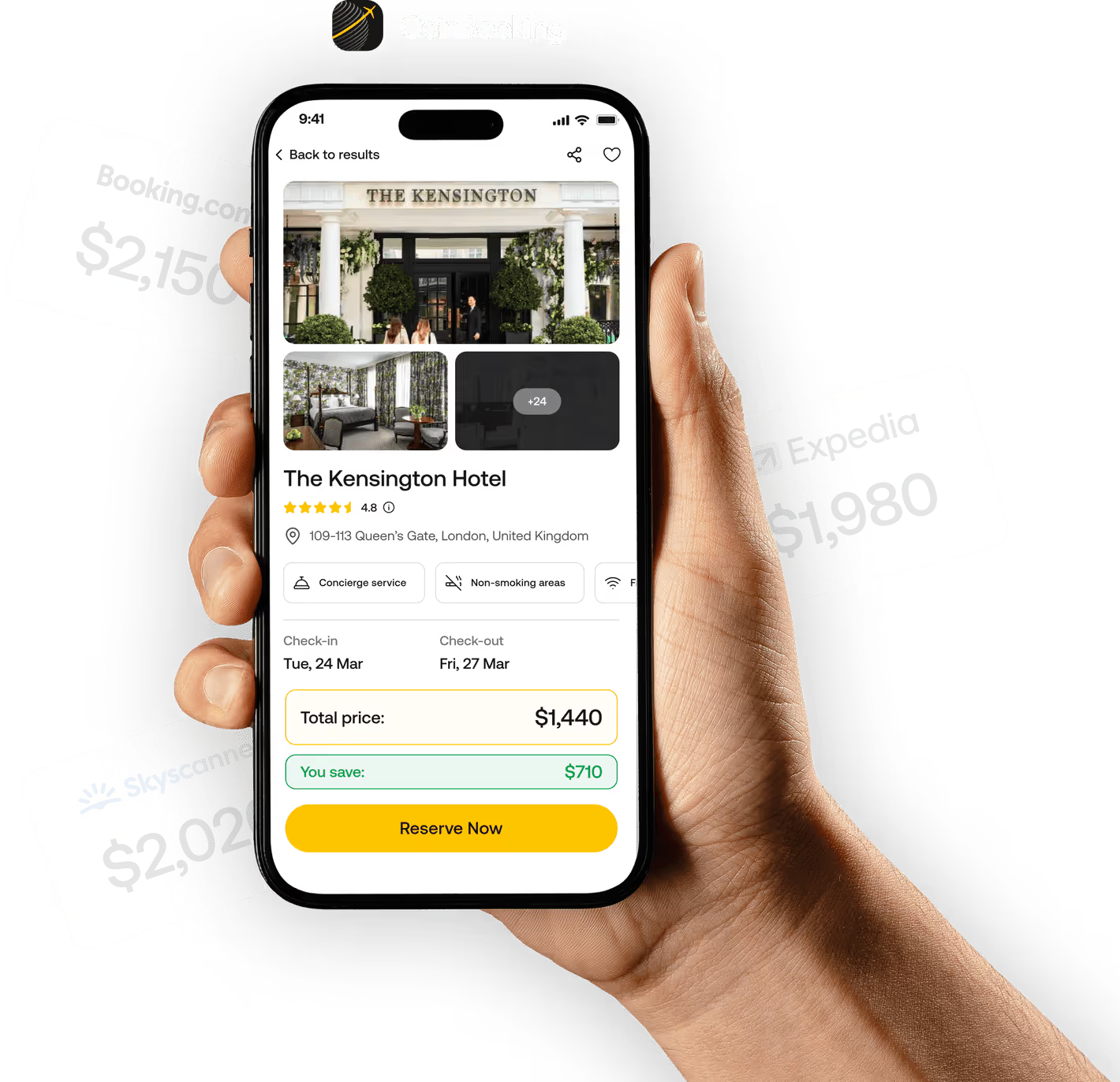
You just read 12 ways to spend crypto. This is the most valuable.
.avif)
You just read 12 ways to spend crypto. This is the most valuable.