.avif)
.png)
.avif)


Content
Top 10 Ways to Travel With Bitcoin (BTC) in Mexico

Mexico drew 47.8 million overnight international tourists in 2025, generated $34.99 billion in tourism revenue, and ranked sixth most visited country in the world. Cancun International Airport alone handled 24.4 million passengers in the first ten months of the year. Most of those visitors paid full retail for their hotel and converted dollars to pesos at airport counters. Neither is necessary if you're arriving with BTC.
The country splits cleanly once you leave a resort. Cancun's hotel zone, Mexico City's Roma Norte, and the Los Cabos marina all take cards. The tacos al pastor at the corner market, the cenote entry fee, and the colectivo to the ruins are all cash. Book accommodation in BTC before you arrive at rates below retail, use a crypto card in tourist zones, and carry peso cash for everything else.
Planning Bitcoin travel beyond Mexico? The global guide covers what works in every major destination.
What Bitcoin Can Do for Travelers in Mexico
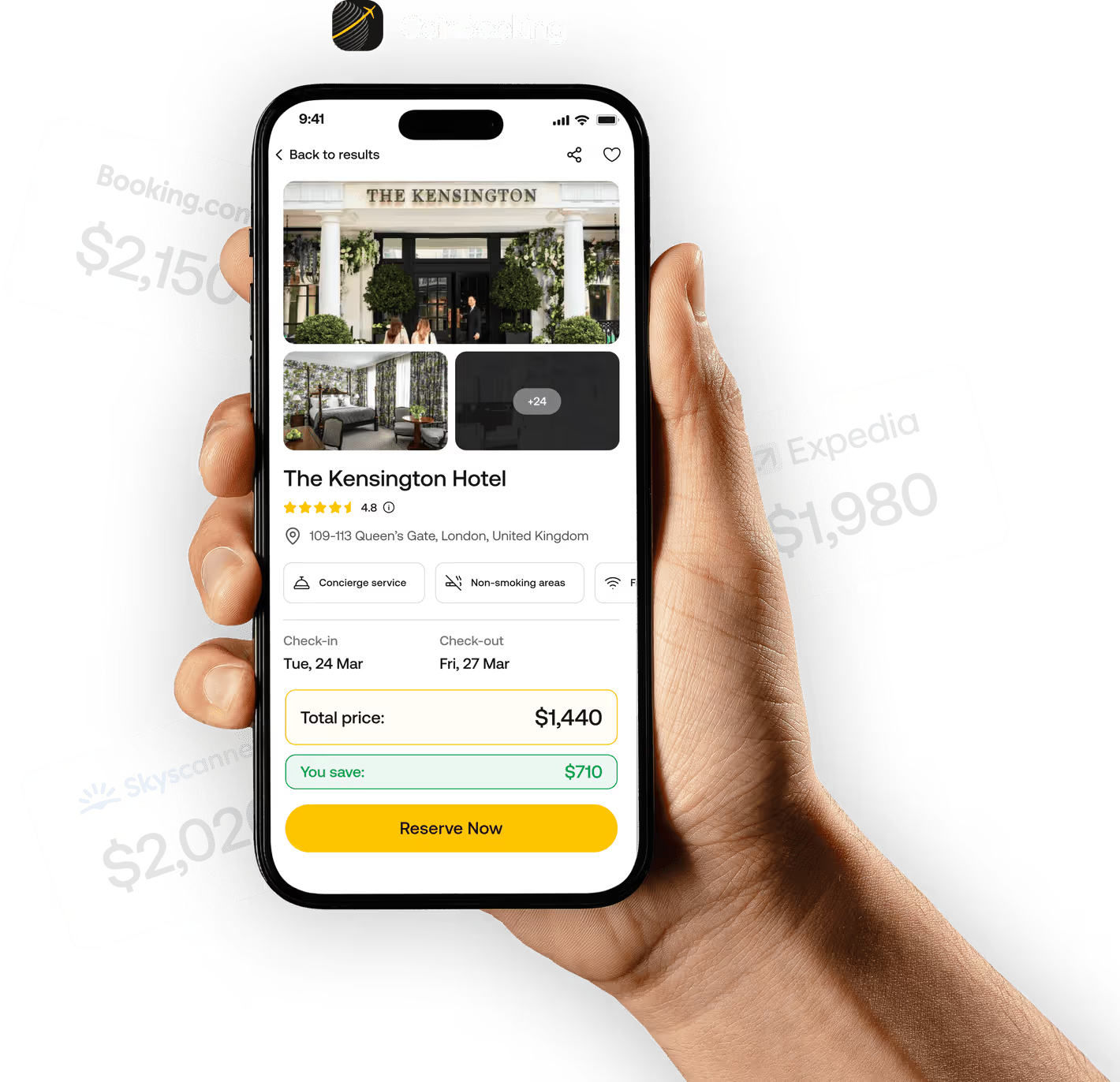
CoinBooking covers hotels and resorts across Mexico City, Cancun, Tulum, Oaxaca, Puerto Vallarta, and Los Cabos, paid directly in BTC at rates up to 30% below Booking.com and Expedia. That's the single biggest saving available before you land.
On the ground, a crypto Visa or Mastercard debit card handles card terminals at hotels, restaurants, and shops across the resort zones. Card acceptance is strong in Cancun's hotel zone, Mexico City's Polanco and Roma Norte, and the marina areas of Los Cabos. Step outside those corridors and peso cash takes over.
Bitrefill's Mexico catalog covers Uber and DiDi credits for transport in Mexico City, Guadalajara, Monterrey, and Cancun without a local payment method, plus telecom top ups for Telcel, AT&T Mexico, and Movistar.
Is It Legal to Use Bitcoin While Traveling in Mexico? What You Should Know
BTC holding and trading is legal in Mexico. Bitso, Mexico's largest crypto exchange, is regulated by the CNBV under the 2018 Fintech Law. The Banco de Mexico has not restricted individual crypto holding or conversion.
Direct BTC merchant payments are not mainstream in Mexico, though some businesses in Mexico City and a handful of tourist zone restaurants accept BTC informally. For most on-the-ground spending, the practical route is a crypto debit card for card terminals and peso cash from ATMs for everything else. Peso cash is not optional for markets, street food, smaller transport, cenote fees, and tips across most of the country.
in Mexico
10 Ways to Travel With Bitcoin in Mexico
Few countries give you this much range. Beach resorts, mountain villages, colonial cities, jungle ruins, and BTC covers the entry point into all of it.
1. Book Hotels and Resorts with CoinBooking
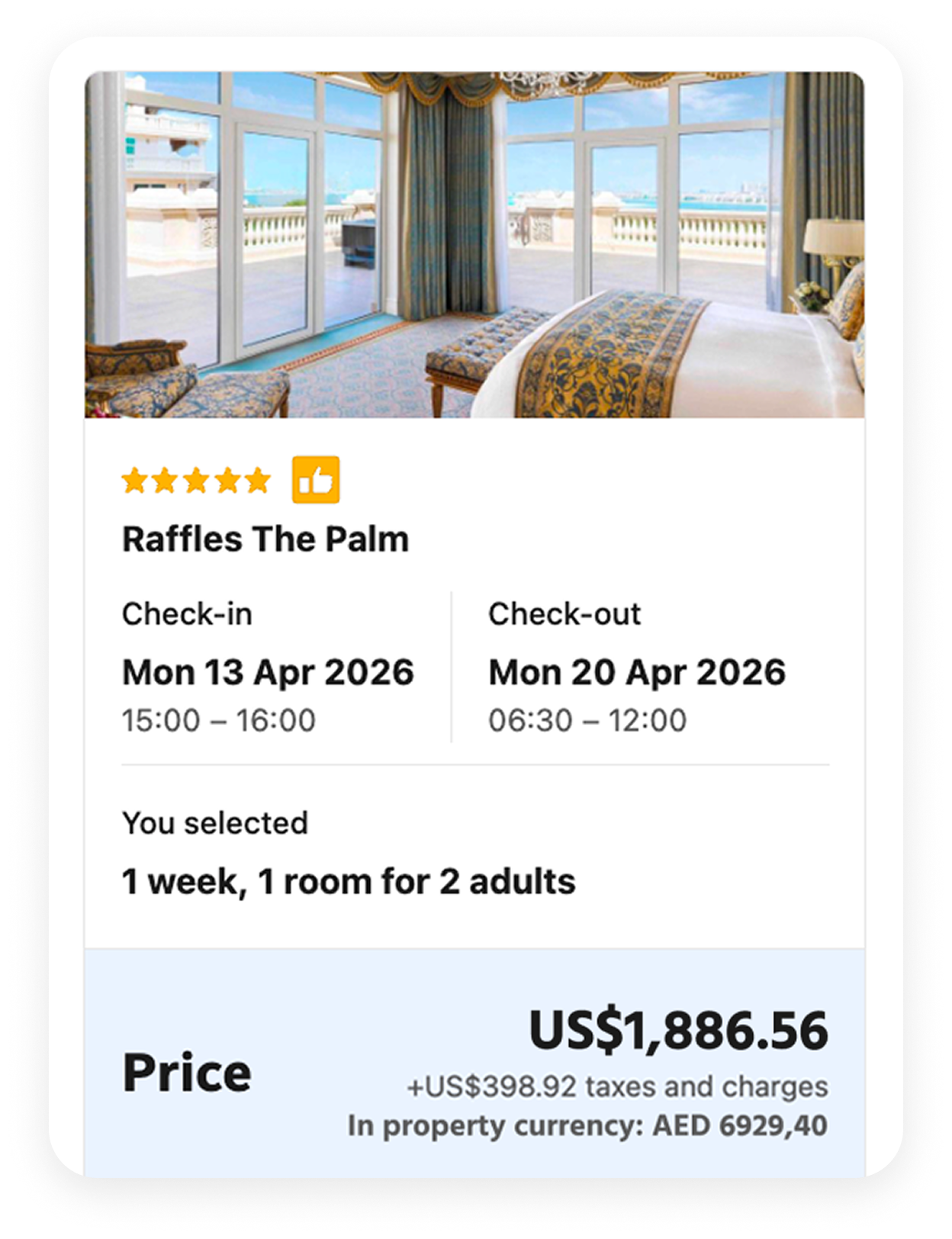
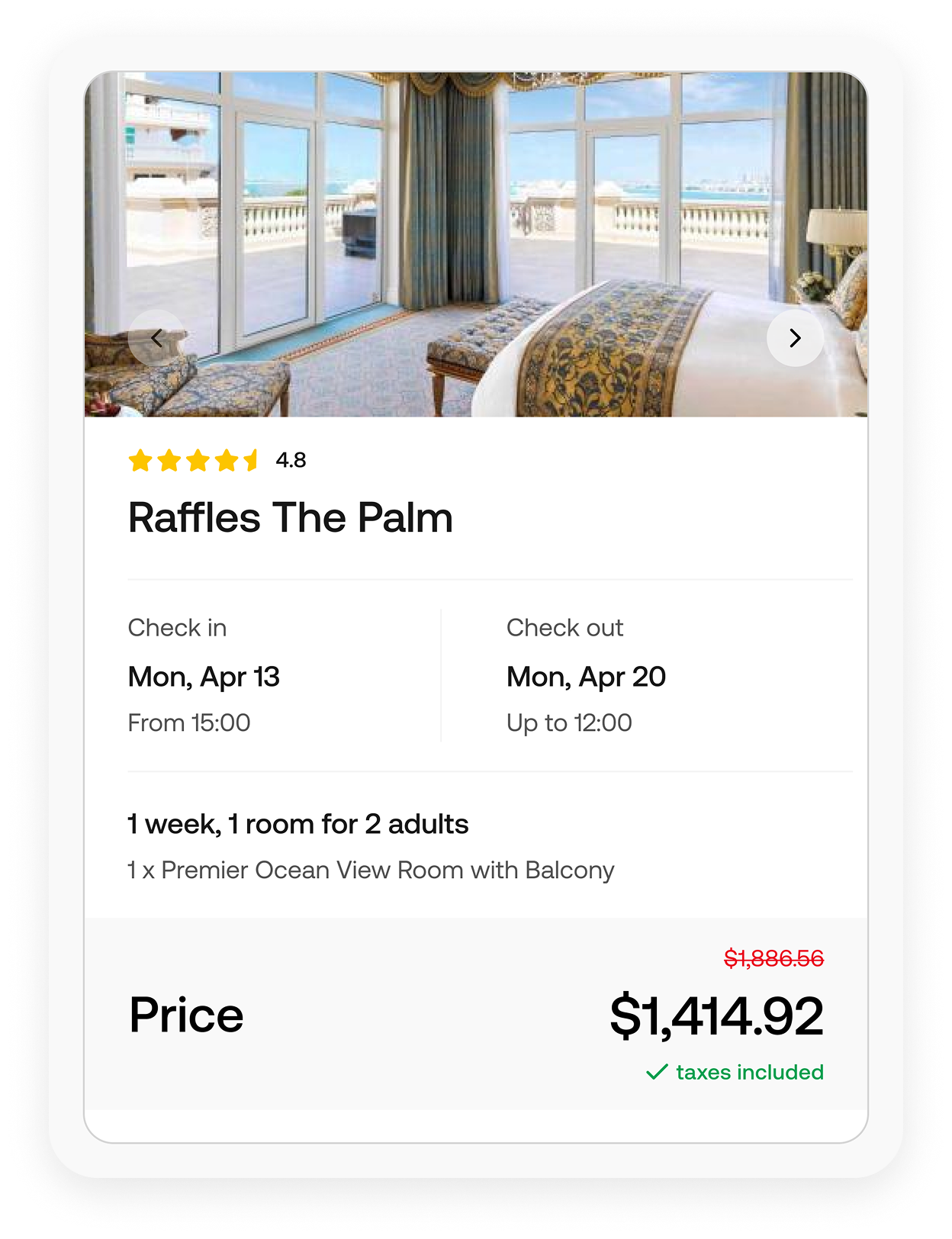
Hotel prices in Mexico vary wildly depending on where you book and when. CoinBooking is a Dubai-licensed travel platform that prices the same hotels at up to 30% below Booking.com and Expedia, paid directly in BTC at checkout. On a $200 Cancun resort night that's $60 saved.


The selection spans Mexico City from Polanco to Condesa, Cancun's hotel zone, Tulum, Oaxaca, Puerto Vallarta, and Los Cabos. Budget posadas and luxury resorts both on the platform. More than 100 cryptocurrencies accepted alongside traditional payment methods, no Mexican bank account needed. New users get $25 off their first booking.
Just $870 Cheaper.

%201.png)
your first booking.
Costa Rica is the next stop for a lot of Mexico travelers. Here's what works there.
2. Book Tours and Experiences in Advance
Chichen Itza is the most visited archaeological site in Mexico and one of the most visited in the world. The early morning entry slots, before the tour buses arrive, go fast. Copper Canyon rail journeys on the Ferrocarril Chihuahua al Pacifico book out during peak season. Tulum ruins tours with the best guides, cap group sizes and fill weeks ahead. Cenote and ecotour operators in the Yucatan limit daily entries.
Platforms like Viator and GetYourGuide cover a wide range of Mexican experiences and accept international card payment at checkout, where your crypto debit card works. For official site tickets, booking directly on the INAH website is often cheaper, and your crypto card handles those transactions.
3. Use a Crypto Debit Card for Resort and Restaurant Spending
Card acceptance is strong across Cancun's hotel zone, the tourist restaurant strips in Playa del Carmen and Tulum, Mexico City's Polanco, Roma Norte, and Condesa neighborhoods, and the marina areas of Puerto Vallarta and Los Cabos. A Bybit Card, Crypto.com Visa, or Wirex card converts your BTC or USDT at the point of sale and works at any Visa or Mastercard terminal. In resort areas, the card covers hotels, restaurants, supermarkets, and most businesses that serve tourists.
Outside these corridors, card acceptance drops sharply. Local markets, street food stalls, colectivos, cenote entry booths, and smaller towns across the country are peso cash only. The card covers the expensive part of the trip. The local part requires cash.
4. Withdraw Pesos from ATMs Using Your Crypto Card
Peso cash is essential across Mexico for anything outside the main resort and city hotel zones. Street tacos, market stalls, colectivos, cenote fees, smaller guesthouses, and tips all require it. Your crypto debit card works at any Banamex, BBVA, Santander, or HSBC ATM to pull out MXN from your BTC or USDT balance.
Avoid airport ATMs if you can, as fees run higher than bank machines in the city. Standalone ATMs aimed at tourists in resort areas are similarly expensive. Always decline the dynamic currency conversion prompt on screen and let your card settle in MXN. Withdrawing a larger amount in one go keeps the fee proportional across the trip.
5. Get Around with Uber, DiDi, and Local Transport
Uber and DiDi both operate in Mexico City, Guadalajara, Monterrey, Cancun, Puerto Vallarta, and other major cities, and both accept international Visa and Mastercard in the app. Your crypto debit card works directly for most rides. In Mexico City specifically, Uber and DiDi are far more reliable and safer than flagging a street taxi, and both show the fare before you confirm.
Outside app coverage, local taxis, colectivos, and combis run on peso cash. In tourist areas, agree the fare before you get in any unlicensed taxi. Colectivos along the Riviera Maya between Cancun, Playa del Carmen, and Tulum are cheap and frequent, and run entirely on cash. Bitrefill sells Uber and DiDi credits purchasable directly in BTC if the app rejects a foreign card.
6. Eat at Restaurants, Taquerias, and Street Food Markets
Mexico's food scene is one of the reasons people keep coming back. Restaurants with table service in the resort zones and in Mexico City's main neighborhoods accept cards. Your crypto debit card covers those. Street tacos, market tortas, tlayudas in Oaxaca, ceviche at the beachside palapa, and aguas frescas at the market stall are all peso cash. A taco at a good local stand costs 15 to 25 MXN. A full meal at a market stall runs 80 to 120 MXN.
Keep a meaningful amount of cash on hand at all times. The best food in Mexico is almost always cash only, and the worst financial decision you can make is arriving at a market with nothing but a card. Tipping is standard at restaurants with table service and is typically 10 to 15%, almost always in cash even if the bill goes on the card.
7. Buy a Tourist SIM or Top Up Mobile Data
Telcel, AT&T Mexico, and Movistar all have counters at Mexico City Benito Juarez Airport (MEX), Cancun International (CUN), and Los Cabos International (SJD) arrivals. Payment by card at the counter works fine, and your crypto debit card handles the purchase. Telcel has the widest coverage across Mexico including in remote areas of the Yucatan, Oaxaca highlands, and Copper Canyon. Tourist data plans are inexpensive by global standards.
Bitrefill sells eSIMs for Mexico purchased directly in BTC before you travel, compatible with Mexican networks. It also covers top up credit for Telcel, AT&T Mexico, and Movistar if you need to reload during the trip. A local SIM is essential for Uber and DiDi, which require a working number for booking confirmation.
8. Cover Airport Transfers from Mexico City, Cancun, and Los Cabos
Mexico City's Benito Juarez Airport (MEX) connects to the city via the metro, Metrobus, and authorized airport taxis. The metro is cheap and cash only. Authorized taxis from the terminal use a fixed price counter before you exit arrivals, payable by card. Uber operates from MEX with card payment in the app. The new Felipe Angeles International Airport (NLU) north of the city connects via shuttle and authorized taxis, both payable by card.
Cancun Airport (CUN) is well served by Uber from the pickup zone with card payment in the app. Official airport transfer shuttles also operate from arrivals with card payment at the booth. Los Cabos Airport (SJD) connects to Cabo San Lucas and San Jose del Cabo by shared shuttle and taxi, both accepting cards at the booth. Avoid unlicensed touts at all three airports.
9. Shop Markets, Craft Stalls, and Malls
Shopping malls across Mexico City, Cancun, Guadalajara, and Monterrey accept international cards across all retail tenants. Your crypto debit card covers those. Luxury boutiques in Polanco and the tourist shopping strips in resort areas similarly accept card.
Local craft markets, indigenous artisan markets in Oaxaca and Chiapas, the Mercado de Artesanias in Mexico City, and market stalls across the country are peso cash only. Prices at these markets are negotiable, and paying in cash gives you more room. Withdraw enough pesos before heading to any market. The best craft shopping in Mexico happens where cards are not accepted.
10. Buy Mexican Gift Cards and Ride Credits via Bitrefill
OXXO, Mexico's dominant convenience store chain, serves as a de facto payment terminal for dozens of local services, but its voucher system requires local cash or a Mexican bank account to access. Bitrefill's Mexico catalog opens the most useful alternatives: Uber and DiDi credits purchasable directly in BTC, plus Telcel, AT&T Mexico, and Movistar top ups. Codes arrive by email and work instantly in the relevant app.
For US and Canadian visitors combining Mexico with other Latin American destinations, Bitrefill covers multiple countries in a single BTC transaction, which is practical for longer itineraries across the region.
Prefer pesos to crypto? Here's how spending works across Mexico once you've converted your BTC.
Frequently Asked Questions
1. Can I use Bitcoin directly in Mexico?
Not at mainstream merchants. A small number of businesses in Mexico City and some tourist zone restaurants accept BTC informally, but it's not reliable enough to plan around. The practical setup is CoinBooking for accommodation before arrival, a crypto debit card for resort and restaurant spending, and peso cash for everything local. That stack covers the full range of what Mexico actually offers.
2. Is Bitcoin legal for tourists in Mexico?
Yes. BTC holding and trading is legal under the 2018 Fintech Law. Bitso, the country's largest exchange, is licensed by the CNBV. The Banco de Mexico has not restricted tourists from holding or converting BTC. No declaration is required on arrival. International platforms like CoinBooking operate entirely outside the domestic payment system.
3. Can I book hotels in Mexico with Bitcoin?
Yes. CoinBooking covers hotels and resorts across Mexico City, Cancun, Tulum, Oaxaca, Puerto Vallarta, and Los Cabos, with direct BTC payment at checkout. Rates run up to 30% below Booking.com and Expedia. For Mexican Americans visiting family, it removes the remittance fee structure from accommodation costs entirely. New users get $25 off their first booking.
4. What is the best crypto card for traveling in Mexico?
The Bybit Card, Crypto.com Visa, and Wirex card all work well in Mexico. Each converts BTC or USDT at card terminals and lets you withdraw MXN at ATMs. Prioritize a card with low ATM fees since peso cash is essential outside resort areas. Use Banamex, BBVA, Santander, or HSBC ATMs rather than standalone tourist-facing machines.
5. Can I use Bitso as a tourist in Mexico?
Bitso is Mexico's largest regulated crypto exchange and a practical tool for converting BTC to MXN if you're staying for a longer period. For tourists on short stays, a crypto debit card and ATM withdrawals are faster and simpler. Bitso requires KYC verification which takes time to complete, making it more suitable for longer stays or for Mexican residents rather than visitors on a trip of a week.
6. How do I get Mexican pesos from Bitcoin while traveling?
Use your crypto debit card at a Banamex, BBVA, Santander, or HSBC ATM. Avoid airport ATMs and standalone tourist-facing machines in resort areas, which charge significantly higher fees. Always decline the dynamic currency conversion prompt and let your card settle in MXN. Withdraw a larger amount in one go rather than multiple small withdrawals, since peso cash goes fast in markets, street food, and local transport.

Spending crypto is the easy part. 30% off is the good part.
Get up to 30% off all future hotels and flights.

Yaryna Dobrianska is a Dubai-based business and technology writer with a background in fintech and digital services. She covers cryptocurrency adoption, cross-border payments, and the practical realities of spending digital assets across emerging markets.
Her work at Polkastarter focuses on making Web3 accessible, breaking down how crypto moves through real-world financial systems, from payments infrastructure to on-chain adoption trends.
10 ways to use your BTC. This one saves the most.
.avif)
10 ways to use your BTC. This one saves the most.