.avif)
.png)
.avif)


Content
Full-Art Pokémon Cards: Build a Collection Around the Artwork

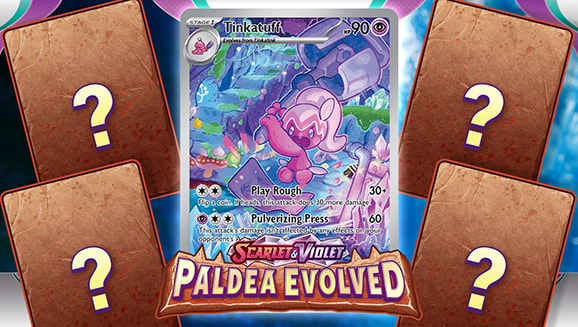
Official Pokémon Paldea Evolved preview artwork.
Full-art Pokémon cards give collectors a reason to look beyond the price chart. A character portrait, a busy street scene or a quiet moment between Pokémon can make a card worth collecting for the image itself. The useful question is not simply which full art is the rarest. It is which artwork belongs in a collection you will still enjoy after the current chase changes.
Start with a small visual theme and identify the exact printing of every card you add. This guide shows how to do both without turning an art collection into a requirement to buy every premium rarity.
Full Art Describes the Look, but Not Always the Same Category
Collectors use full art broadly for cards whose illustration extends beyond the traditional picture window. Marketplace listings can use that phrase loosely. Pokémon's Scarlet & Violet aesthetic explainer distinguishes full-art ultra rares from illustration rares and special illustration rares, which emphasize Pokémon in richly illustrated settings.
That explanation concerns the Scarlet & Violet system introduced in 2023. Do not apply one era's terminology to every older card or every language. For a symbol-by-symbol reference, use our separate Pokémon card rarity guide. Here, the emphasis is on choosing artwork, not repeating the entire rarity chart.
The practical consequence is reassuring: an art-first collection can cross rarity categories. If a common card has the landscape or character expression you love, it can belong beside a full-art card. You can also restrict the project to full-art treatments if the uninterrupted illustration is what attracts you. Write down that choice so a seller's label does not quietly redefine your collection.
Three Ways to Give the Collection a Visual Identity
Follow a character through different settings. Choose one Pokémon and look for contrast: close portrait, wide landscape, action and rest. Comparing the same subject makes the differences between artists easier to appreciate. It also gives you a reason to pass on a card whose main appeal is simply being new.
Follow an illustrator. Read the artist credit printed on the card and confirm it against the exact image. A shared illustrator can connect cards featuring very different Pokémon. Keep the credited spelling in your notes. Do not assume that every card with a similar style came from the same person.
Follow a scene or story. A page can focus on forests, meals, city life or an evolution line. Pokémon's Paldea Evolved preview describes the progression from Tinkatink through Tinkatuff to Tinkaton ex. It is a useful example of looking across illustrations instead of treating each card as an isolated rarity.
These are optional organizing ideas, not three projects to complete simultaneously. Try one theme for a single page. If the result feels interesting when you look at it, expand it. If it feels like homework, change the theme before purchasing more cards.
The Same Pokémon Can Mean a Different Card
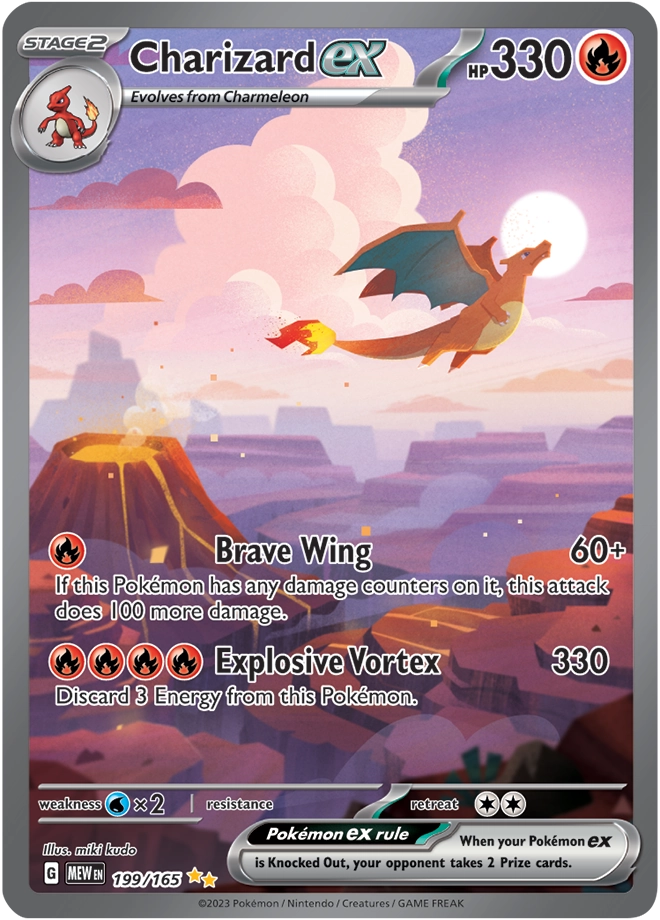
Search results for a name alone are not precise enough. The official Scarlet & Violet 151 checklist, for example, lists Charizard ex at 006, 183 and 199. They are separate numbered entries, not interchangeable copies of the artwork you happened to see in a video.
Before comparing listings, match the expansion, collector number, language and finish. Then check the actual seller photographs. A stock image can identify a card design, but it cannot establish the condition of the individual copy being sold. Keep this distinction even if you plan to put the card straight into a binder rather than send it for grading.
Make an Art Shortlist Before a Shopping List
Use this short record for each candidate. It keeps visual preference separate from the facts needed to buy the correct item.
- Artwork: what you enjoy about the image, in your own words.
- Identity: Pokémon or Trainer name, expansion, collector number, language and finish.
- Credit: illustrator exactly as printed on the card.
- Condition floor: the wear you are willing to accept, based on photographs of the actual copy.
- Spending limit: what you are comfortable paying for that card as a collectible.
- Decision: buy, compare another copy, or leave on the wish list.
The last option matters. You can appreciate artwork without immediately owning it. An official gallery or saved checklist can help you refine a theme before money is involved. Avoid filling an empty space with a card you do not like just to finish the page.
If you compare prices, compare the same edition in comparable condition. The headline figures in our most valuable Pokémon cards guide are not a valuation for every card of the same character. Rarity has its own complications too, which our rarest Pokémon cards guide separates from popularity and price.
Buying One Artwork Is Different From Opening a Pack
When your goal is one identified illustration, buying that exact single lets you choose the printing and inspect the offered copy. Opening a booster is a different activity: the experience includes not knowing which cards are inside. It should not be presented as a guaranteed route to your art shortlist.
If an expensive listing is graded, do not let the number on the label replace checking the actual card. Our graded-card verification guide explains the checks to make. For an art binder, a lower-priced copy in condition you knowingly accept may suit your purpose, but that is a personal collecting choice rather than a claim about resale value.
Keep the Enjoyment Bigger Than the Checklist
Choose a few illustrations you would happily show someone who knows nothing about rarity symbols. That is a useful test of whether the collection reflects your taste.
If you also enjoy discovering an unexpected physical collectible, you can explore the Polkastarter marketplace. Every Lootbox lists its contents, values, and chances before you open. The current signup offer includes a free mystery pack, subject to its conditions. Read the live catalog first. This guide does not imply that any named full-art card is currently available there.
Frequently Asked Questions
Are all full-art Pokémon cards the same rarity?
No. Full art is also used as a broad visual description, while official rarity categories vary by era and language. Identify the exact card and its printed rarity rather than relying on a seller putting full art in the title.
How do I avoid buying the wrong full-art card?
Match the expansion, collector number, language and finish before comparing prices. Check photographs of the individual copy for condition. A Pokémon name or a stock image alone is not enough to identify the offered printing and its condition.
Facts and specifications checked September 13, 2026 as cited. Offers, product details and event policies can change. Nothing here is financial or investment advice. Polkastarter is not affiliated with Pokémon, Nintendo, Creatures or the other companies named. Generated visuals are editorial illustrations, not official product photographs or evidence of a specific real event.
Sources
- Pokémon, Scarlet & Violet card aesthetic changes, accessed September 13, 2026
- Pokémon, Paldea Evolved illustration preview, accessed September 13, 2026
- Pokémon, official English 151 checklist, accessed September 13, 2026
.png)


Ilknur Gubel is a social media manager at Polkastarter. Ilknur has spent the past four years working as a project manager, marketing manager, and social media strategist across Web3. She has held marketing and project management positions at several crypto companies, including Polygen, Nitro League, Kaizen.Finance, and ChainPort.
At Polkastarter she has covered trading card releases, collectible market pricing, and how token holders can spend crypto on real cards and videogames.
Based in Istanbul, Ilknur earned a bachelor's degree in sociology from Istanbul Aydın University.
You can connect with her on LinkedIn for more information.